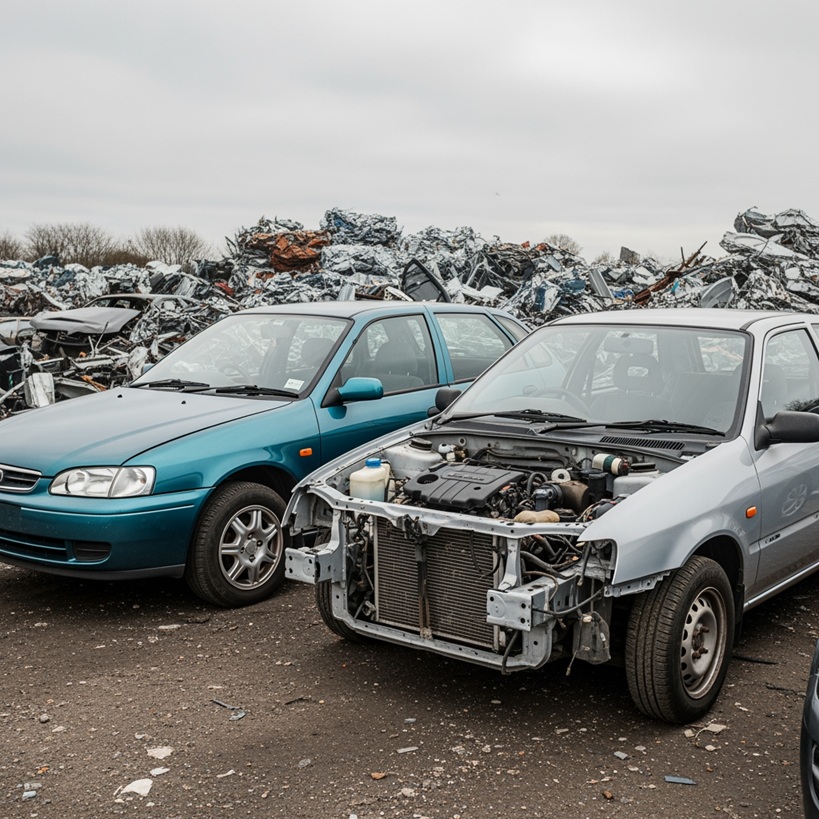
Missing Parts vs Complete Car: Scrap Value Comparison
14th May, 2026
That old banger sitting on the drive isn’t getting any younger. Perhaps the engine is seized, the gearbox is shot, or you have already flogged the alloys to fund last summer’s holiday. Now you are wondering: what is the rest actually worth?
The honest answer might surprise you. A car missing parts still holds value, just not as much as one that is complete. The difference comes down to weight, salvageable components, and how much work the scrap yard needs to do before they can process your vehicle.
Understanding this gap matters whether you are dealing with scrap car missing parts or deciding whether to strip components yourself first. Let’s break down exactly how missing parts affect what you will get paid.
How Scrap Yards Value Your Vehicle
Authorised Treatment Facilities (ATFs) do not just look at your car and pluck a number from thin air. They calculate value based on several concrete factors that determine both their costs and potential returns.
Weight forms the foundation of any scrap valuation. Steel, aluminium, copper, and other metals get sold by the tonne. When parts go missing, so does weight, and therefore base value.
Salvageable parts add premium value beyond scrap metal. A complete car with working components offers more profit potential. Catalytic converters, alternators, starter motors, and even body panels can be resold, adding significantly to what the yard will pay you. You can learn more about how valuations work by checking our guide on scrap metal pricing factors.
What Happens When Parts Are Missing
Missing components create a domino effect on valuation. Each absent part reduces both the metal weight and the salvage potential.
Engine and gearbox removal represents the biggest hit. These heavy components account for substantial weight and contain valuable metals. A scrap car without engine typically loses 30-40% of its scrap value compared to an identical complete vehicle.
Catalytic converters punch well above their weight class. These small components contain precious metals like platinum. A missing cat can slash hundreds from your quote.
The Complete Car Advantage
A complete car scrap value is always higher because it offers maximum flexibility to the scrap yard. They can assess every component and decide the most profitable route for each part.
Complete cars process faster. The facility doesn’t need to account for missing parts in their paperwork. Buyers also prefer complete vehicles when purchasing salvage for parts. A car with everything intact attracts more interest from breakers, which drives up what ATFs will pay.
Calculating the Value Gap
The difference between a complete car and one missing parts varies by vehicle type. However, general patterns hold true.
Small hatchbacks in complete condition might fetch a decent sum based on current rates. Remove the engine and gearbox, and that drops significantly. Take the catalytic converter too, and you are looking at a minimal incomplete vehicle scrap value.
Premium vehicles suffer disproportionate losses when parts go missing. These cars often have valuable alloy components and electronics. A complete Mercedes might command a high price, but strip the valuable bits, and you are left with a shell worth very little.
When Selling Parts Makes Sense
Sometimes removing parts before scrapping does make financial sense, if you know what you are doing. High-value components like turbochargers can sell privately for more than they add to scrap value. Specialist or classic car parts also command premium prices.
The catch? You need mechanical knowledge, tools, and patience. You also need to properly dispose of fluids. For most people, the hassle outweighs the potential gain. Getting an instant quote to scrap your vehicle whole often nets similar money once you factor in the effort.
The Legal Side of Missing Parts
Scrapping a car with missing parts isn’t illegal, but certain components require proper documentation. Catalytic converters have become theft hotspots, so legitimate dealers must record detailed information about them.
The V5C logbook remains essential regardless of condition. You will need this to notify the DVLA and receive your Certificate of Destruction. Our guide on handling V5C paperwork walks through the process.
Getting the Best Price for an Incomplete Vehicle
If your car is already missing parts, you can still maximise what you receive. Transparency is key. Be upfront about missing parts expectations when requesting quotes. Describe exactly what is absent.
Gather any documentation you have about the vehicle. Compare multiple quotes from different ATFs. The Scrap Car Network connects you with competitive offers from vetted dealers who can handle incomplete vehicles.
Real-World Price Scenarios
Let’s look at specific examples. A complete Ford Focus might fetch a standard rate. Remove the engine and catalytic converter, and the value drops by more than half. The shell still contains aluminium and copper, but the most valuable components are gone.
Commercial vehicles often command slightly higher prices due to metal content. If you are looking to manage commercial vehicle disposal, a complete vehicle will fetch far more than a stripped chassis.
Why Complete Cars Suit Most People
Unless you are mechanically skilled with buyers lined up, scrapping a complete vehicle makes more sense. Time is money. Removing an engine takes hours. Safety matters; working under vehicles carries real risk.
I recall a DIY enthusiast who spent three weekends stripping his old Range Rover. He sold the seats and lights for decent money, but he spilled oil all over his driveway and couldn’t get the engine out safely. He ended up paying a recovery firm £60 just to drag the shell away because it had no wheels. He probably broke even, but only if you value his time at zero.
Environmental Considerations
The environmental impact of vehicle disposal depends on whether vehicles arrive complete. Complete vehicles allow systematic depollution. ATFs follow strict procedures to remove hazardous materials.
Maximum material recovery happens when professional facilities process entire vehicles. They have the equipment to separate metals and plastics efficiently. Amateur dismantling often means some recyclable materials end up in general waste. Learn more about our commitment to sustainability.
Making Your Decision
Deciding whether to scrap your car complete or remove parts first comes down to three questions: Do you have the skills? Do you have buyers? Is your time worth the effort?
For most people, the answer is no. The convenience, safety, and guaranteed payment of scrapping a complete vehicle outweigh the modest additional money from DIY dismantling.
Getting Your Quote
Whether your car is complete or missing parts, getting an accurate quote starts with honest information. Professional networks connect you with authorised facilities who provide transparent pricing.
Describe your vehicle accurately. Be specific about any missing components. This upfront honesty gets you realistic quotes and prevents disappointment when the collection driver arrives.
Conclusion
A complete car will always command better scrap value than one missing parts. The weight difference, reduced salvage potential, and increased processing complexity all work against incomplete vehicles.
For the average person, scrapping it complete makes the most sense. You get better money, avoid the hassle of DIY dismantling, and ensure proper environmental handling. The exception is if you are mechanically competent with confirmed buyers for high-value parts.
When you are ready to scrap, be honest about your car’s condition. You can get a transparent valuation online instantly.
Alternatively, contact our team on 01772 665 909. You can also contact us directly with accurate details, and you will receive fair quotes from authorised facilities. That old car still has value, and turning it into cash beats letting it rust away on the drive.