Multi-Storey Car Park Collection: Technical Requirements
7th May, 2026
Scrapping a car parked on your driveway is straightforward. However, when that vehicle is stuck on the third floor of a multi-storey car park, things get complicated fast. The logistics shift entirely. What seems like a simple collection becomes a carefully choreographed operation. It involves access restrictions, weight limits, and strict legal compliance.
Professional recovery services handle these situations routinely. Yet, not every scrap car dealer has the capability to manage a multi-storey car park collection. The technical requirements are strict for good reason. Here is what actually happens when a vehicle needs collecting from a height-restricted facility.
Why Multi-Storey Collections Are Different
Most scrap car collections happen at ground level. A recovery truck arrives, loads the vehicle, and drives away. Simple.
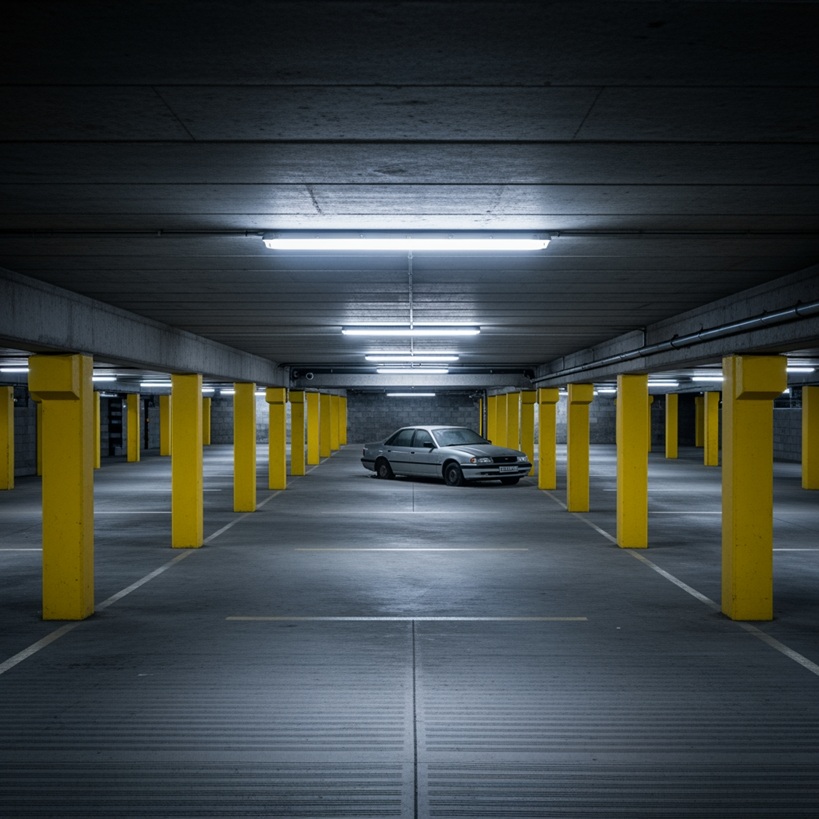
Multi-storey car parks introduce variables that change everything. Ceiling heights, turning circles, floor load capacities, and access times all become critical factors. One miscalculation can wedge a recovery vehicle between concrete pillars. It could even damage the car park structure itself.
The vehicle might not even start. If it has been abandoned or is mechanically failed, it cannot be driven down. Therefore, it needs towing or loading equipment that operates within confined spaces. Often, there is no headroom for a standard crane or tilt-bed.
Vehicle Access and Manoeuvrability Requirements
Recovery vehicles used for multi-storey collections must meet specific dimensional criteria. Standard recovery trucks are often too tall. They exceed the height clearance of many UK car parks, which typically ranges between 1.8 and 2.1 metres. Specialised low clearance recovery vehicle options are essential for these jobs.
Turning radius matters just as much. Multi-storey car parks feature tight corners, narrow spiral ramps, and limited manoeuvring space. A recovery vehicle that is too long won’t make it past the second floor. It certainly won’t reach higher levels.
I remember a job in a Birmingham shopping centre. The customer swore the ceiling was 2.5 metres. It wasn’t. We scraped the light bar off the roof of our truck before we even hit the first ramp. Always measure it yourself; eyesight is a terrible tape measure.
Here is what professional operators assess before attempting collection:
- Vehicle dimensions: Height, length, and width against car park specifications.
- Ramp gradients: Whether the recovery vehicle can safely navigate inclines without grounding out.
- Turning points: Confirming the vehicle can physically reach the target location.
- Exit routes: Ensuring the loaded recovery vehicle can leave without hitting overhead sprinklers.
Weight Limits and Structural Load Capacity
Car parks aren’t designed to support unlimited weight. Each floor has a maximum load capacity. This is typically measured in kilograms per square metre. A standard car weighs between 1,000 and 1,500 kilograms. Add a recovery vehicle weighing 3,500 kilograms or more, and you are approaching the limit.
Floor load ratings vary by car park age and design. Older facilities in the UK may have lower tolerances than modern structures. Professional recovery operators must verify these ratings before entering. This is vital when using heavier equipment like flatbed trucks.
If the combined weight of the truck and the car exceeds the floor’s capacity, the operation cannot proceed safely. This prevents structural failure. You should always find authorised scrap car dealers with the specific equipment to handle these weight restrictions safely.
Legal and Insurance Considerations
Not every scrap car dealer is insured for multi-storey operations. Standard public liability insurance doesn’t always cover damage caused on elevated car park levels. Operators need specialist insurance that explicitly includes multi-storey work.
Car park owners often require proof of insurance before granting access. They will want to see:
- Public liability cover (typically £5 million minimum).
- Goods in transit insurance covering the vehicle being removed.
- Employer’s liability insurance if multiple operatives are involved.
Without this documentation, access will be denied. It is not negotiable. Authorised Treatment Facilities (ATFs) must also hold the correct licences to handle end-of-life vehicles. When you connect with our network, you are working with operators who meet these legal standards.
Timing and Access Restrictions
Multi-storey car parks have operational schedules. Some are 24-hour facilities, but many close overnight or restrict access during peak hours. Collection operations cannot happen during busy periods when public access is prioritised.
Booking access windows is essential. Car park management needs advance notice, sometimes 48 to 72 hours. This arranges appropriate access times. It ensures the recovery team has sufficient time without disrupting other users.
Some facilities charge access fees for commercial vehicle entry, especially outside normal hours. These costs vary but can add to the overall collection expense. You can get an instant quote that factors in these complexities if you provide all the details upfront.
Equipment Specifications for Confined Spaces
Standard recovery equipment doesn’t always work in multi-storey environments. Wheel lifts and dollies are often more practical than traditional tow bars. These allow the vehicle to be manoeuvred in tight spaces without requiring excessive clearance.
Electric winches may be needed if the vehicle cannot roll freely. Battery-powered units are preferable in enclosed spaces. They avoid exhaust fumes from petrol or diesel-powered equipment.
Some situations require manual pushing combined with steering aids. If the vehicle’s steering lock is engaged or the wheels are seized, specialist tools release or bypass these systems. Using the wrong kit here can damage the car park floor. This leads to hefty liability claims.
Pre-Collection Assessment Checklist
Before any multi-storey collection proceeds, a thorough assessment must happen. Professional operators follow a systematic checklist:
- Vehicle location confirmation (exact floor and bay number).
- Access route verification (can recovery vehicle reach the location?).
- Clearance measurements (height, width, turning radius).
- Floor load capacity check (can the structure support combined weight?).
- Insurance and permissions (all documentation in place?).
- Access time booking (when can the operation happen?).
Skipping any of these steps risks operational failure. That is why experienced operators take the time to plan properly rather than rushing the job.
Common Challenges and Solutions
Abandoned vehicles present unique difficulties. If the owner is absent and the vehicle has been left for weeks, additional legal steps may be required. Car park operators must follow proper notification procedures. Recovery teams need written authorisation.
Flat tyres or seized brakes make vehicles difficult to move. Dollies that lift individual wheels off the ground solve this problem. They allow the vehicle to be rolled even when it cannot be driven naturally.
Narrow parking bays sometimes mean the recovery vehicle cannot position itself directly alongside the car. In these cases, the vehicle must be moved to a more accessible location before loading can occur. The Scrap Car Network specialises in connecting owners with local collectors who have the right kit for these exact scenarios.
Cost Implications
Multi-storey collections cost more than standard ground-level pickups. The additional planning, specialist equipment, and insurance requirements add to the expense.
Access fees charged by car park operators can range from £50 to £200 or more. Specialist recovery vehicles also command higher rates than standard trucks. Furthermore, extended operation times increase labour costs.
However, reputable operators will provide transparent quotes that include all these factors upfront. No surprises. You can calculate scrap worth online, but always call to discuss the specific location details for these complex jobs.
Choosing the Right Collection Partner
Not every scrap car service can handle multi-storey collections. When selecting a partner, verify they have:
- Proven experience with elevated or confined-space recovery.
- Appropriate insurance covering multi-storey operations.
- Specialist equipment suitable for car park environments (like Land Rover defenders with towing dollies).
- ATF accreditation ensures legal and environmental compliance.
If you are in the capital, for example, you can book a specialist pickup with partners who are well-versed in dealing with tight underground and multi-storey car parks in London.
Documentation and Legal Compliance
Even after successful collection, paperwork matters. The V5C logbook must be properly completed. The relevant sections must be sent to the DVLA. You will need a Certificate of Destruction (CoD) from the ATF. This confirms the vehicle has been legally and environmentally processed.
Without this documentation, you remain legally responsible for the vehicle. That means potential fines for any offences committed with it, even after you have handed it over. You should always use a trusted service to ensure your liability ends the moment the car is collected.
Conclusion
Multi-storey car park collections demand technical expertise, specialist equipment, and meticulous planning. The confined spaces and weight restrictions make these operations fundamentally different from standard pickups.
Professional operators assess every variable before attempting collection. They consider ceiling heights, turning circles, and car park permissions. They use low-profile recovery vehicles and confined-space equipment to complete the job safely.
The costs are higher than standard collections, but this reflects the genuine complexity involved. When you work with experienced partners, the process runs smoothly. When you don’t, you risk failed collections or damaged property.
If your vehicle is stuck on the 4th floor, don’t worry. Call our team on 01772 665 909. You can also contact us via our website, and we will arrange for a specialist team to get it out safely.