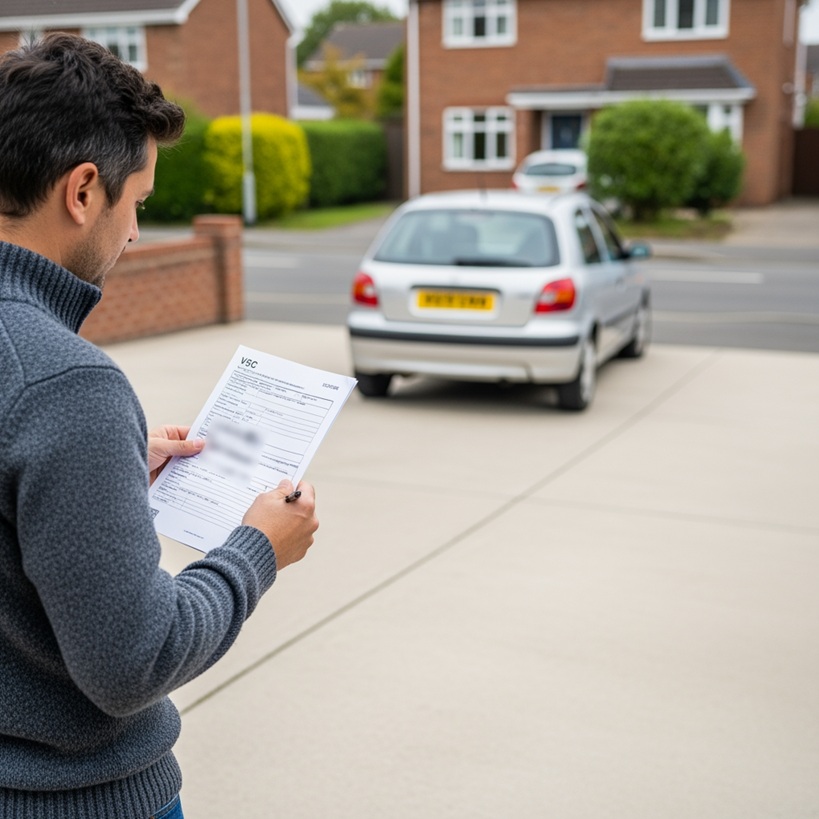
What to Do With Your Car Between MOT Failure and Scrapping
5th May, 2026
A vehicle failing its MOT brings immediate stress for any owner. This is especially true if the repair costs are higher than the car’s market value. If a driver decides that disposal is the best path, a short waiting period usually follows.
Understanding the mot failure to scrap process prevents legal trouble during this awkward time. Owners must handle driving bans, parking rules, and government paperwork correctly. Getting these steps wrong can lead to heavy fines even if the car is ready for the crusher.
The following framework provides guidance on staying legal while waiting for a collection. It explains how to store a failed car safely and how to handle the final handover. By following these rules, owners can ensure a smooth transition to their next vehicle.
Understanding Your Legal Status After MOT Failure
An MOT failure creates immediate driving restrictions that depend on the severity of the faults. If a car has a dangerous defect, it is illegal to drive it a single inch on public roads. The police can prosecute anyone caught driving a vehicle with these critical safety risks.
Major defects also prevent legal driving in almost all situations. A driver can only take the car directly to a garage for a pre-booked repair appointment. Using a car with major failures for a quick trip to the shops is a serious legal offence.
There is a common myth that a grace period exists after a test failure. This is false, as the driving ban starts the moment the tester marks the defects. The restriction begins immediately and does not wait until the old MOT certificate actually expires.
SORN Requirements and Process
A Statutory Off Road Notification (SORN) is a vital step for a car that cannot be driven. This declaration tells the DVLA that the vehicle is no longer used on public roads. It removes the legal requirement for the owner to pay road tax or maintain an MOT.
A SORN becomes mandatory if the old MOT expires and is not replaced immediately. It is also required if dangerous failures prevent the car from being used. Most owners find it’s easiest to declare a SORN online through the government website.
The process only takes a few minutes if you have the V5C logbook handy. Once the SORN is active, the DVLA will automatically process a refund for any full months of road tax remaining. This refund arrives as a cheque and belongs to the registered keeper.
Where to Keep Failed MOT Vehicles
Storing an unroadworthy car requires a firm understanding of parking laws. A car with a SORN or an expired MOT must stay on private property at all times. This includes driveways, private garages, or land that the owner personally owns or rents.
Public roads cannot legally hold a car that does not have a valid test certificate. Even parking the car outside a house on a quiet street can lead to an £80 penalty fine. Many councils use mobile cameras to spot untaxed or unroadworthy cars parked in public bays.
Shared driveways can sometimes create difficult legal grey areas for owners. If a driveway crosses a public pavement, the car might technically be on public land. For safety, many owners prefer using professional auto recycling facilities to clear the vehicle from their property quickly.
Getting Scrap Quotes During the Waiting Period
Obtaining several valuations helps an owner make an informed financial choice. It is best to contact at least three different facilities to compare their offers. Most quotes remain valid for seven to fourteen days before they need to be reconfirmed.
Owners should provide exact details about the make, model, and year of the car. Mentioning if the vehicle is complete with its engine and exhaust ensures the quote stays accurate. The final payment depends on the car’s weight rather than its ability to start.
Drivers often choose to scrap my car online to save time during this busy period. This allows them to lock in a price before metal markets shift. Once a fair price is agreed upon, the owner can book a convenient collection date.
Making the Repair Versus Scrap Decision
Speed is important when deciding the fate of a failing vehicle. Owners should request a detailed repair quote from their garage within 48 hours of the test. Having clear numbers makes it easier to perform a failed MOT disposal calculation.
If the garage bill exceeds 60% of what the car is worth, scrapping is usually the smartest move. Delaying this decision for weeks only leads to extra costs. The owner might end up paying for insurance on a car that they will never drive again.
Setting a strict three-day deadline for the decision helps prevent any expensive dithering. Once a driver knows the car is no longer economical, they can focus on finding a replacement. Moving quickly saves money on tax, insurance, and potential parking fines.
Arranging Collection Logistics
Scheduling a collection requires coordination between the owner and the scrap facility. Most professional services can pick up a car within 24 to 72 hours of an offer being accepted. Owners can choose to seek scrapping a car quotes from nationwide networks to ensure a fast response.
A recovery truck needs sufficient width to enter a driveway or reach a parking space. Owners should clear any obstacles like bins or other cars before the driver arrives. It is also vital to confirm if the car can roll or if its wheels are completely seized.
Before the truck pulls away, the owner should remove all personal belongings. Checking the glove box, door pockets, and under the seats is a sensible final step. The driver will then inspect the vehicle to ensure it matches the online description.
Documentation and Paperwork Protection
Proper paperwork is the only way to protect an owner from future legal issues. The V5C logbook (the official registration document) must be handed to the scrap facility. When owners choose where we scrap any car, the driver will help complete the yellow section to notify the DVLA.
A Certificate of Destruction (CoD) should arrive within two weeks of the car being scrapped. This is a legal document that proves the car was disposed of at an Authorised Treatment Facility (ATF). Owners should keep this paper permanently as it’s the only proof they are no longer liable.
Receiving a CoD is the ultimate goal for any owner seeking professional disposal. It stops future parking tickets or speeding fines from being sent to the old address. It also ensures that the vehicle record is closed correctly on the government database.
Insurance and Tax Considerations
Insurance policies often require a car to have a valid MOT to remain in force. Owners should check their policy terms immediately after a test failure. If the MOT has expired, the insurance might be void even if the car is just sitting on a driveway.
Many drivers choose to recycle my car to end these ongoing costs quickly. Maintaining insurance until the collection provides protection against fire or theft. Once the car is gone, the owner can cancel the policy and request a refund.
During the actual recovery, the car is covered by the facility’s professional insurance. Reputable networks carry comprehensive cover for all vehicles in transit. This ensures the owner is not liable for any accidents that happen during the tow.
Avoiding Common Mistakes
The most common mistake after an MOT failure is attempting to limp the car home. Dangerous defects create an immediate ban that must be respected for safety. It is always better to pay for a short recovery than to risk a criminal record.
Owners should also avoid unlicensed scrappers who only offer physical cash. Using these backstreet operators is illegal under the Scrap Metal Dealers Act 2013. It also leaves the owner legally responsible if the car is later dumped or used in a crime.
Removing valuable parts like the catalytic converter before scrapping is also a bad idea. This can reduce the final salvage my van or car payment by a large amount. Most facilities prefer to buy complete vehicles and will pay a premium for them.
Conclusion
The period between an MOT failure and a scrap collection requires careful management. Owners must ensure the car stays on private land and is declared SORN if the test has expired. Staying legally compliant prevents expensive surprises from the local council or the police.
Disposing of a failing car is a practical decision based on hard numbers. By moving quickly and using an ATF, owners can secure a guaranteed payment and a clean break. This allows them to put their funds toward a safer and more reliable mode of transport.
When it’s time to move on, Scrap Car Network provides a professional and legal route. We handle the heavy lifting and ensure all the DVLA paperwork is processed correctly. If you’re stuck with a failed car today, simply contact us to arrange a fast and compliant collection.