The Scrap Metal Dealers Act 2013: What It Means for UK Car Owners Today
1st Apr, 2026
Handing over the keys to an old vehicle used to be a somewhat shady experience. Years ago, a motorist might meet a stranger in a van and exchange an old car for a wad of greasy notes. However, that lack of transparency caused massive problems for the public. The Scrap Metal Dealers Act 2013 was introduced to fix this broken system once and for all.
Today, the vehicle recycling industry is high-tech and highly regulated. This legislation transformed the trade from an unregulated “wild west” into a professional sector. It ensures that every vehicle is recycled safely and that every transaction is recorded. This professional approach is what provides the best price and service value for motorists today.
Choosing a partner who follows the law is the only way to ensure an old motor does not become a future headache. A look under the bonnet at the Act reveals how it protects personal interests. This guide explores the essential rules every driver must follow for a successful and legal disposal.
The End of the Wild West Era
The primary goal of the 2013 legislation was to stop the rising tide of metal theft and automotive crime. Before the Act, it was too easy for criminals to dispose of stolen cars for untraceable cash. The Scrap Metal Dealers Act 2013 closed these loopholes by demanding accountability from every yard and collector in the country.
Think of this shift exactly like the evolution of food shopping. Decades ago, a person might have bought meat from a back-alley trader with no health standards or receipts. Today, shoppers go to a registered supermarket that tracks where every product comes from. The Act brought that exact same level of safety and standardisation to the scrap trade. It ensures motorists deal with a legitimate business that follows strict national rules.
Compliance is not just about the law. Instead, it is about individual protection. When the industry is regulated, rogue operators find it much harder to survive. This leads to a safer market where honest motorists can get a fair price without the fear of being scammed. Understanding the basics of the Act is the first step in a professional vehicle handover.
The Core Pillar: The Scrap Metal Cash Ban
The most significant change for car owners is the scrap metal cash ban. Under the Act, it is a criminal offence for any dealer to pay for a scrap vehicle with physical banknotes. This rule applies to every single transaction on every driveway in the country. If a buyer pulls out a wallet of cash, they are breaking the law.
Traceable bank transfers are now the only legal way to receive payment for an old motor. This ensures there is a permanent financial footprint of the sale. It protects the seller by proving that a transaction took place and identifying exactly who bought the car. To see how these professional standards work in practice, many owners get an instant quote to scrap any car through verified digital platforms. This ensures the payout is secure and entirely legal once the vehicle is verified on-site.
Participating in a cash deal is a massive risk. Unlicensed traders who ignore the scrap metal cash ban are usually ignoring other vital laws too. They might never tell the government a car has been sold. This leaves the original owner legally liable for any future fines. A legitimate business will always insist on a bank transfer once the vehicle is verified. This digital handshake is the best defence against fraud.
Mandatory Identity Verification Standards
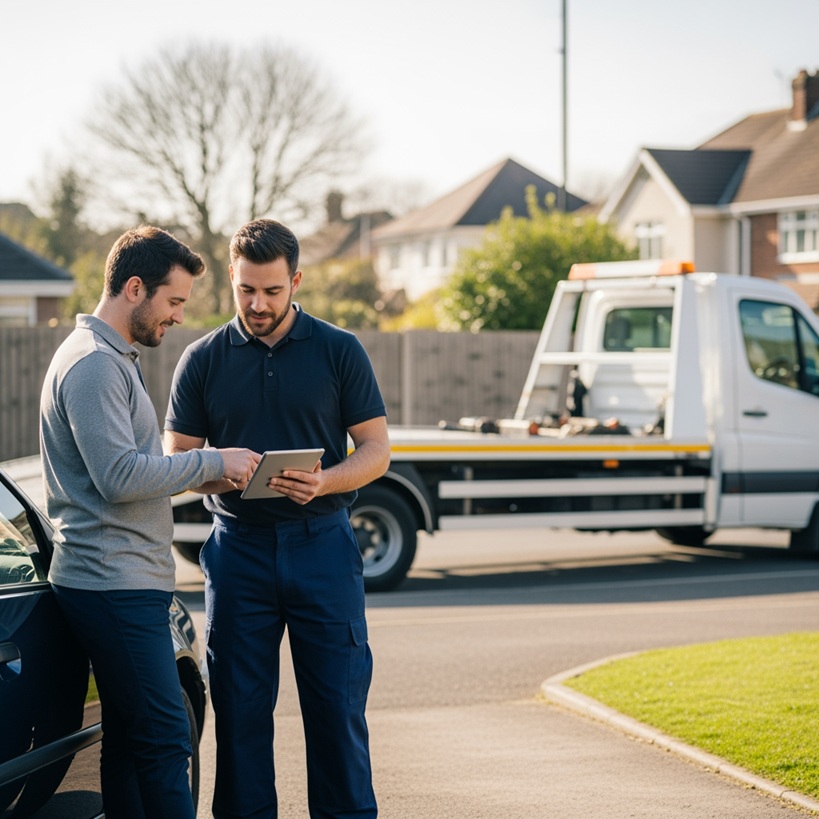
Another critical part of the Act is the requirement for identity checks. Every time a car is scrapped, the buyer must verify exactly who they are dealing with. A recovery driver must visually inspect a valid photo ID and a recent utility bill to confirm a residential address. They are legally required to keep a record of these details for three years.
These UK vehicle disposal regulations exist to stop anonymous car disposals. It makes it impossible for thieves to steal a car and crush it without leaving a paper trail. If a person wants to find out how to scrap your car easily, they should have their ID ready before the truck arrives. This preparation ensures the physical collection takes less than twenty minutes.
A professional network handles this data with extreme care. All identity records follow national privacy laws to ensure personal information remains safe. These licensed waste carrier checks protect both the facility and the motorist. If a collector does not ask to see an ID, the collection should be stopped immediately. A lack of interest in identity is a huge red flag that the operator is not legitimate.
Licensing and the “Mobile Collector” Rule
The Act introduced a strict licensing system managed by local councils. There are two types of licences. A site licence is for yards, while a mobile collector licence is for individuals who pick up cars. Every person who collects scrap metal must display their licence clearly in their vehicle windscreen. This makes it easy for motorists to spot a legitimate operator at a glance.
Rogue “man with a van” traders often operate without these licences. They frequently use social media or local flyers to find customers. Because they are not registered, they do not follow UK vehicle disposal regulations. They might strip the car of its valuable parts and dump the toxic shell in a field. This leaves the original owner on the hook for massive fly-tipping fines.
Performing licensed waste carrier checks is essential for peace of mind. A reputable network only partners with buyers who hold the correct local authority licences. This ensures that a car is handled by a professional who is accountable to the government. Using vehicle disposal services that are fully vetted is the smartest way to avoid the risks of the unlicensed trade.
The Role of Authorised Treatment Facilities (ATFs)
The Scrap Metal Dealers Act 2013 works alongside environmental laws to ensure cars are recycled responsibly. Only a yard with an Authorised Treatment Facility (ATF) licence is legally allowed to dismantle end-of-life vehicles. These sites undergo regular inspections to ensure they drain hazardous fluids safely and recycle metals properly.
Extracting toxic engine oil, brake fluid, and coolant is a mandatory step. If these chemicals leak into the ground, they cause permanent damage to the water table. By following the Act and using a certified yard, motorists actively support ecological safety. To ensure a car is handled correctly, one can scrap your car online through networks that only use licensed ATFs.
An ATF is also the only place that can update the national database directly. They use a secure digital portal to notify the government that a car has been crushed. This triggers the generation of the official Certificate of Destruction. Relying on an unlicensed yard means a seller will never receive this document. This keeps the owner legally tied to the vehicle records indefinitely.
Continuous Liability and the Owner’s Duty
Every driver should understand the concept of continuous liability. In the eyes of the government, a person is responsible for taxing and insuring a vehicle until they are told otherwise. If a car is handed to a rogue trader who ignores the Act, the DVLA computers will still think the original owner has the car. This leads to automated fines for untaxed or uninsured vehicles.
I remember a customer named George who lived near my old workshop. George sold his old Nissan to a lad who paid cash and promised to “handle the paperwork.” George did not check for a licence or demand a bank transfer. Three months later, George received a knock on the door from the police. The car had been used in a crime and then abandoned. Because George had no proof of a legal sale, he spent months trying to prove he was not responsible. He eventually had to pay hundreds in fines. One of the primary Certificate of Destruction benefits is that it stops this nightmare from happening.
A formal and legal disposal is an absolute shield. When the Act is followed, motorists receive a digital paper trail that proves exactly when responsibility ended. This allows for claiming a road tax refund and cancelling insurance with total confidence. Choosing to scrap my vehicle through a vetted partner ensures this paperwork is managed correctly. The Certificate of Destruction benefits include permanent protection from any future penalties associated with that chassis number.
Financial Rewards for Legal Compliance
There is a real financial incentive to sticking to the rules. When a motorist uses a reputable network that follows the Act, the notification process is streamlined. The moment the national database is updated, the government triggers an automated road tax refund for any full months remaining. This money is posted directly to the home address as a physical cheque.
Furthermore, a person can often claim a partial refund from an insurance provider by showing them legal car disposal proof. Acting quickly and legally ensures every penny is returned. Using professional networks that prioritise the 2013 legislation ensures the payout is fair and rebates are processed without delay. To secure this level of service, many owners arrange a scrap car collection with a certified local facility.
Professional networks provide a price based on an accurate description provided by the owner. This removes the stress of driveway haggling and ensures the funds land in an account shortly after the collection, subject to bank processing times. It is a system designed to be fair for everyone. Following the UK vehicle disposal regulations is the smartest way to protect a budget and a reputation.
Ready to Secure Your Best Price?
The Scrap Metal Dealers Act 2013 is the most important tool available for a successful vehicle disposal. It ensures that the process is transparent, legal, and environmentally friendly. By insisting on a bank transfer and checking for a licence, motorists protect themselves from the risks of the unlicensed trade.
Handing over an old motor should be a fast and rewarding twenty-minute interaction. When the law is followed, driveways are cleared, credit scores are protected, and the environment is helped. It is a win-win situation for every motorist in the country. Trusting the experts ensures the job is done right and the liability is severed for good.
If a broken motor is taking up space, help is available. We connect motorists with vetted local partners who handle the paperwork strictly by the book. Simply enter the registration details online to discover the value of the motor today. If any specific questions about the Scrap Metal Dealers Act 2013 or required ID remain, please feel free to contact us today for friendly, professional advice.