Scrap Value of Cars with Dangerous MOT Failures
5th May, 2026
A vehicle failing its MOT with dangerous defects can feel like a complete disaster. This classification means the tester has found a fault that makes the car illegal to drive. Owners often worry that this label will instantly destroy the car’s remaining financial value.
The good news is that a dangerous classification rarely reduces a scrap price by a large amount. A car is fundamentally made of steel, aluminium, and other valuable materials. These metals retain their worth even if the vehicle cannot move.
Understanding how valuations work helps drivers set realistic goals for their old cars. This guide explains why metal weight is more important than passing a test. By looking at the facts, owners can make a smart choice about their unroadworthy vehicle.
Understanding Dangerous MOT Defects
Dangerous defects are the most serious failure a car can receive during its annual check. These faults show that the vehicle is a clear risk to life on the road. Consequently, the car receives an immediate driving ban that prevents it from leaving the garage.
Legally, an undriveable car must stay off public roads until it’s repaired. Owners can’t even drive the vehicle home for a cup of tea. If a car is stuck in a capital city, seeking professional car disposal in london is often the easiest solution.
Breaking these rules can lead to massive fines or points on a licence. Common dangerous faults include severely rusted brake pipes or broken steering systems. These parts are vital for safety, which is why the law is so strict.
Do Dangerous Failures Reduce Scrap Value?
The material content of a vehicle is what creates its scrap value. Scrap yards look at the weight of the metal rather than the MOT result. A car with dangerous brakes contains the same amount of steel as one that passed perfectly.
The price doesn’t drop just because the car is illegal to drive. Professional buyers focus on the size and heavy components of the machine. This is why a heavy SUV will always pay out more than a small city car.
Typical payments for dangerous failure vehicles usually match those of roadworthy cars. A small hatchback with dangerous defects often fetches between £140 and £180. A larger SUV can fetch up to £350 depending on current metal prices.
Common Dangerous Defect Categories
Specific dangerous failures show why the scrap price remains stable. Corroded brake components are a common reason for a dangerous fail. While these parts are unsafe for the road, they are still valuable pieces of metal for recycling.
Structural rust is another frequent cause of a dangerous classification. This happens when the main frame or sills of the car become weak from corrosion. While heavy rust might slightly reduce the metal yield, it doesn’t cause a major price cut.
Ineffective steering or suspension systems also stop a car from being driven. These are huge safety issues for a driver but represent simple recycling for a scrapyard. The metal in the steering rack still holds its material value regardless of its condition.
Immobile Vehicle Collection Considerations
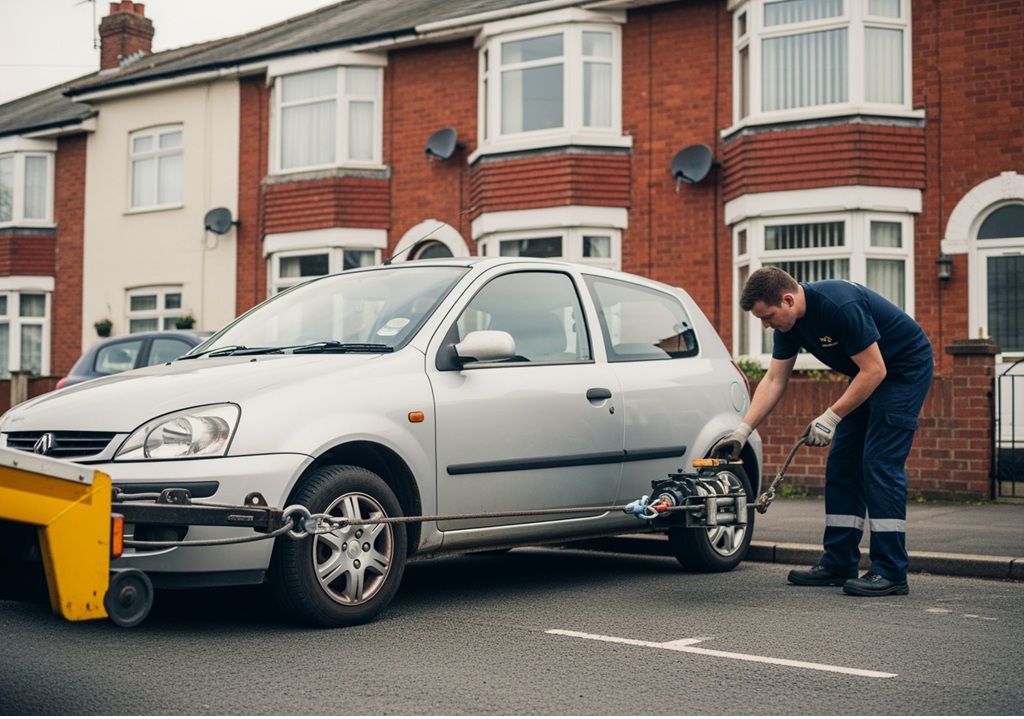
Logistics impact the final price more than the MOT status. Since a dangerous car cannot be driven, it must be collected by a professional truck. Most reputable scrap services will collect a complete vehicle for free.
Urban areas with easy access often allow for a fast scrap a car preston collection. The dangerous failure is a side issue when the truck can reach the car easily. Owners in these locations rarely face any extra recovery charges.
Rural locations or narrow lanes can sometimes lead to small price deductions. Special equipment might be needed to reach a car on a remote farm. In these cases, a facility might reduce an offer by £20 to cover the extra time.
Fire and Severe Damage Scenarios
Fire damage combined with a dangerous MOT tag changes the valuation. A fire-damaged car usually gets a dangerous classification automatically. This is because heat ruins the safety equipment and weakens the car’s metal.
Fire damage genuinely reduces scrap value by a significant amount. Intense heat changes the quality of the steel and makes it harder to recycle. Severe accident damage can also lower a quote if the metal is badly mangled.
Flood damage poses a similar problem for many owners. Water-damaged cars often have dangerous electrical faults or rusted brakes. In this situation, the water damage reduces the value more than the MOT status.
Missing Components and Dangerous Failures
Stripped vehicles face price cuts because of missing parts, not the MOT test. Catalytic converter theft is a huge problem that often causes a dangerous emissions failure. If the “cat” is missing, the scrap value will drop by £50 to £150.
The missing part causes the loss, not the failure notice itself. Likewise, removing the alloy wheels before scrapping will lower the final payment. A car missing its wheels usually sees a price cut of about £40.
Complete cars always fetch the best prices from a car scrap yard scotland or any other facility. Drivers should keep the engine and exhaust system intact to protect their quote. This ensures the recycler gets the full weight of the metal.
Legal Disposal of Dangerous Failure Vehicles
UK laws for disposing of unroadworthy cars are very strict. Owners must notify the DVLA (Driver and Vehicle Licensing Agency) as soon as the car is scrapped. This stops you from being liable for future fines or tax.
An Authorised Treatment Facility (ATF) is the only legal way to scrap a car. An ATF is a government-registered yard that follows strict environmental rules. They are the only ones who can issue a Certificate of Destruction (CoD).
A Certificate of Destruction is the official proof that the car was scrapped legally. This paper protects you if someone tries to use your old registration plates. It is a vital document for any car with a dangerous classification.
Collection Process for Immobile Vehicles
Understanding the recovery process helps make the day go smoothly. Most collections happen within 24 to 48 hours of an owner accepting a quote. The scrap company will send a truck specifically designed to load immobile cars.
Access is the most important factor for a successful pickup. There must be enough room for a recovery vehicle to enter the street or driveway. Owners should also check for any low branches or blocks that might stop the truck.
Documentation must be ready for the driver when they arrive. This includes the V5C logbook, which is the official vehicle registration document. The driver will check the car to make sure it matches the description you provided online.
Valuation Process Despite Dangerous Status
Getting a good quote for an unroadworthy car requires clear information. Owners should provide the exact make, model, and year of the vehicle. Mentioning the fuel type also helps the recycler estimate the weight accurately.
Honest talk about the car’s condition is vital. If you’re looking for north london car breakers, tell the buyer about any rust or damage. This helps the driver bring the right ramps or winch to load the car safely.
Comparing multiple quotes is the best way to find the market rate. You will likely find that the dangerous status doesn’t change the offers much. Instead, the weight of the vehicle will be the main factor driving the price.
Regional Variations and Accessibility
Where the car is located can shift the offer more than local laws. Urban scrap yards are very busy and often give slightly better quotes. This is because they can collect several cars in one efficient trip.
Rural accessibility can modestly reduce some price offers. A car on a remote hillside is harder to reach than one in a city centre. Drivers seeking a scrap my car in manchester deal often get the best rates due to high competition.
The rules for dangerous MOT fails are the same across the entire UK. Scotland, Wales, and Northern Ireland use the same legal systems as England. For instance, getting scrap cars newcastle quotes follows the same process as in London.
Alternative Options Beyond Immediate Scrapping
Not every dangerous MOT fail means the car is ready for the crusher. For valuable vehicles, getting a repair estimate is always a sensible first step. A two-year-old car worth thousands is worth fixing even if the brakes are dangerous.
Part-out options exist for rare or high-performance cars. Some performance models are worth more if you sell the seats or engine parts separately. However, this takes a lot of time and requires a place to store the car.
Temporary storage can give you more time to think. If a car fails at a bad time, you can declare it SORN (Statutory Off Road Notification). This keeps it legal while it sits on your driveway during the disposal process.
Conclusion
Dangerous MOT failure scrap value is mostly about the weight of the metal. Scrap prices depend on the size of the car rather than the legal right to drive it. The steel and aluminium in a failed car are worth just as much as a passed one.
The process remains simple for anyone scrapping a van or a family car. Professional yards handle the heavy lifting while giving you a fair price. Proper disposal through a registered yard protects you legally and helps the environment.
It ensures that hazardous fluids are drained safely to prevent pollution. It also ensures the government record is closed with a proper certificate. When facing a dangerous fail, stay calm and check the numbers.
Accepting a fair scrap price is often the smartest move for an old, failing car. The dangerous tag is just a label, but the metal in your driveway is real money. If you need help with your car, feel free to contact us for expert advice.