Multiple MOT Advisories: When to Cut Your Losses
4th May, 2026
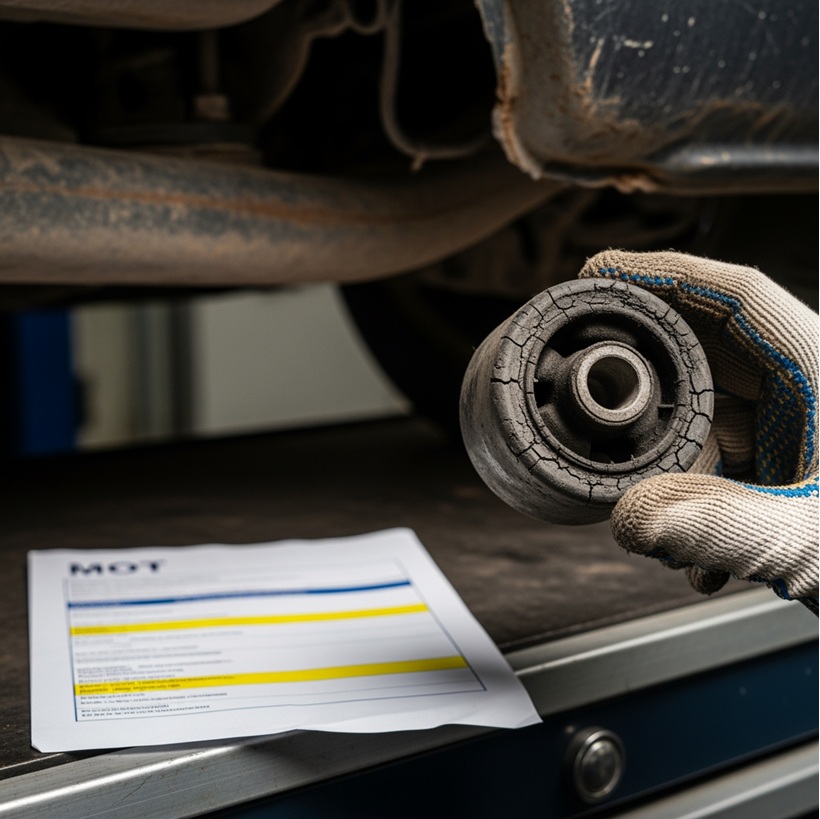
An annual test certificate arriving with a dreaded yellow section listing multiple advisories brings immediate stress. Technically, the vehicle has passed the test for now. However, these printed warnings serve as a clear sign that major problems are approaching rapidly.
The crucial question is whether fixing all these looming issues makes any financial sense. Multiple advisory notices aren’t just helpful hints from a local mechanic. They’re clear indicators that a vehicle is aging rapidly.
Multiple warnings appearing simultaneously signal widespread mechanical decline rather than isolated, easily fixable issues. Understanding what these accumulating warnings actually mean helps owners make smart decisions. The following framework provides clear guidance on whether to keep funding repairs or arrange immediate disposal.
Understanding MOT Advisories
MOT advisories are official warnings about components that haven’t yet failed the test but are deteriorating quickly. They aren’t legally binding. This means drivers can leave the garage with ten advisories and remain legally roadworthy.
However, ignoring these warnings completely is an expensive mistake. Mechanics are legally obligated to note anything approaching strict failure thresholds. They must also document components showing significant wear.
This serves as an excellent early warning system for vehicle owners. It provides valuable time to address issues before next year’s test results in an unroadworthy car. The key phrase found in these notices is typically “could affect” or “may become dangerous.”
What Advisories Actually Indicate
Advisory warnings indicate automotive components rapidly approaching their legal failure limits. Evaluating a list of MOT advisories is remarkably similar to reviewing a routine medical health screening. A single minor warning simply requires keeping an eye on a specific area.
However, discovering five or six simultaneous warnings indicates a systemic problem requiring immediate intervention. Typical advisory categories include:
- Rust forming in structural areas
- Brake pads wearing dangerously thin
- Suspension components developing excessive play
- Exhaust systems showing signs of deep corrosion
Each printed advisory represents hard-earned money that must be spent before the next annual test. One or two minor advisories simply reflect normal vehicle aging. Conversely, five or more simultaneous advisories strongly point to a car in rapid decline.
The Accumulation Problem
Multiple advisories become incredibly concerning when they accumulate across different mechanical systems. One isolated warning suggests a specific component needing basic attention. Five or more advisories indicate systemic vehicle decline, meaning the car is aging across multiple areas simultaneously.
This specific accumulation pattern is highly characteristic of vehicles reaching the end of their economical life. Everything begins wearing out together because all the components are roughly the same age. They’ve all experienced the exact same harsh usage patterns over the years.
Consider a typical real-world scenario involving a 2006 Vauxhall Astra. The vehicle received eight separate advisories during its annual test. The owner spent £450 addressing just the four most urgent warnings. Twelve months later, the remaining four advisories became complete failures, generating a massive £890 repair bill.
Common Advisory Categories
Not all advisory notices carry the exact same level of financial risk. Some indicate minor issues that are easily and cheaply addressed by a local garage. Others signal highly serious structural problems that will eventually cost a fortune to rectify.
Rust and corrosion advisories are particularly concerning because rust never stops spreading. Surface rust slowly but surely becomes highly dangerous structural rust. What is marked as minor this year becomes excessive next year, requiring highly expensive specialist welding work.
Suspension component advisories typically involve the following components:
- Deteriorating rubber bushes
- Ball joints developing slight play
- Tired or leaking shock absorbers
- Anti-roll bar linkages showing heavy wear
Individually, these basic repairs cost roughly £100 each. However, five suspension advisories combined easily create a comprehensive £500 repair bill on an aging car.
The Five-Advisory Threshold
There is a clear tipping point where advisories transition from manageable maintenance to a terminal diagnosis. Once a vehicle accumulates five or more advisories, the owner has entered severe problem territory. This is never just a coincidence.
Calculating typical repair costs paints a highly grim picture. Five advisories at an average cost of £150 each means at least £750 in upcoming work. Adding standard garage labour rates easily pushes the final required investment well past £1,000.
Compare that massive repair estimate directly to the true vehicle value. If a car is worth £1,500 and needs £1,000 in advisory-related work now, the mathematics simply don’t work. Owners end up chasing rapid depreciation while throwing funds at a failing asset.
Calculating Future Repair Costs
Multiple advisories allow owners to predict future mechanical expenses with surprising accuracy. Most recorded advisories become outright test failures within twelve to twenty-four months if left unaddressed. That means the current advisory list is essentially a highly accurate preview of upcoming garage bills.
Different advisory types progress at vastly different rates. Rust advisories typically progress the fastest, moving from minor to excessive within a single year. The harsh UK weather accelerates structural corrosion relentlessly, making it impossible to ignore.
Mechanical advisories regarding steering or brakes progress slightly slower. They typically fail within two years. To calculate future costs accurately, drivers should obtain quotes for addressing current advisories and add 20% for unexpected discoveries. This calculation determines exactly when to scrap my car rather than continuing to fund endless repairs.
The Repair-Advisory Cycle
The most frustrating reality of aging vehicles is addressing current advisories only to trigger new ones. An owner fixes four issues this year, only to find five brand new warnings appearing next year. This means they aren’t making financial progress. They are simply keeping pace with mechanical deterioration.
When mechanics start work on advisory-related repairs, they frequently discover additional hidden problems. A minor rust advisory quickly turns into discovering heavily perforated floor sections once the welding begins. Worn suspension bushes often reveal heavily corroded mounting arms that must also be replaced.
Every pound spent on advisory repairs generates rapidly diminishing returns on aging vehicles. Spending £800 to address five warnings doesn’t make the car £800 more valuable. It simply makes the vehicle barely roadworthy for another twelve months.
Age and Mileage Context
The true significance of multiple advisories depends heavily on both vehicle age and total mileage. The exact same advisory list means something entirely different on a newer car compared to an older commuter vehicle.
Vehicles over twelve years old naturally accumulate massive warning lists. This happens as cumulative wear affects multiple systems simultaneously. This isn’t necessarily poor maintenance, but simply normal, expected mechanical aging.
High mileage accelerates this mechanical accumulation significantly. Suspension bushes, heavy steering components, and complex brake parts all possess strict mileage-related wear patterns. Over 100,000 miles, owners should expect comprehensive warning lists that strongly signal an economical end-of-life status.
Advisories and Vehicle Value
Multiple test advisories dramatically affect a vehicle’s overall resale value and future sale prospects. Private buyers view extensive advisory lists as heavy leverage for aggressive price negotiation. They also serve as highly valid reasons for a buyer to walk away entirely.
Selling privately with extensive advisory lists is incredibly difficult. Owners are legally required to disclose known defects. This absolutely includes providing official advisory information. Buyers will demand heavy price reductions, assuming they will need to address the warnings themselves very soon.
Motor dealers assess advisory-laden vehicles just as harshly during trade-in negotiations. They know they must address the warnings before retail resale, or accept low wholesale prices. Some dealers refuse vehicles outright if the advisory list is too extensive.
The Scrap Decision with Advisories
The best news regarding this situation is that multiple advisories don’t negatively affect raw scrap value. Authorised Treatment Facilities pay exclusively for raw vehicle weight and heavy metal content. A car is worth the exact same amount whether it has zero advisories or twelve.
Scrap value depends entirely on total vehicle weight and current global metal market prices. The processing facility doesn’t care about the advisory list because they’re buying recyclable metal. This means the guaranteed payment remains constant regardless of the mechanical condition.
This independence makes the final financial decision incredibly clear. Owners compare a definite, guaranteed payment today versus a highly uncertain resale value after expensive repairs. Arranging a scrap car collection provides immediate resolution without any future financial risk.
Real-World Advisory Scenarios
Examining specific scenarios shows exactly how advisory-based decisions play out practically.
- Scenario 1: A relatively young car with a single advisory for a worn brake disc is an easy decision. The repair is cheap, and it perfectly preserves the vehicle’s high market value.
- Scenario 2: Consider an older commuter car with multiple rust advisories covering the sills, subframe, and exhaust. The required welding will cost well over £1,200, while the car is only worth £800. The only logical decision is to seek out car recycling services immediately to save money.
- Scenario 3: A high-mileage vehicle presenting a cluster of six suspension-related advisories faces a similar fate. The repairs easily represent 60% of the total vehicle value.
More issues are guaranteed to follow in these older models. This makes professional disposal the smartest financial route forward for anyone deciding it is time to scrap my van or family car.
Legal and Environmental Considerations
Failed or failing vehicles can’t simply be abandoned on public roads when the repair bills become too high. Legal steps are strictly mandatory, starting with immediate notification to the DVLA using the V5C logbook. This crucial notification process protects owners entirely from future civil liability.
Receiving a legitimate Certificate of Destruction from registered vehicle disposal services permanently closes the government record. This official document proves the vehicle was handled legally and protects against rogue parking fines.
Proper disposal through an Authorised Treatment Facility also protects the environment significantly. Modern processing recovers up to 95% of a vehicle’s materials safely. Removing heavy, failing polluters actively improves air quality in busy areas, whether you need to arrange scrap cars newcastle collections or clear vehicles from a capital city.
Conclusion
Multiple test advisories aren’t just helpful hints. They are a car loudly communicating its rapidly declining condition. Facing five or more advisories, especially across multiple related systems, indicates systemic vehicle deterioration rather than isolated maintenance issues.
Addressing current advisories doesn’t prevent future ones from appearing rapidly. Owners aren’t maintaining a vehicle; they are actively managing its gradual decline while spending funds that exceed its actual value. Cascading vehicle failures from unaddressed advisories create severe reliability concerns and unnecessary personal stress.
Remember that a guaranteed disposal payment remains completely constant regardless of how many advisories exist. Whether a car has zero warnings or ten, the final bank transfer stays exactly identical. This makes the financial decision straightforward and incredibly logical.
When it’s time to part ways, Scrap Car Network offers a highly professional, nationwide route forward. The network handles everything from heavy logistics to complex DVLA paperwork, assisting everyday drivers and business owners with rapid vehicle disposal. To arrange a fast, fully compliant collection, simply contact us today.