Low Mileage Scrap Cars: Why Age Matters More
29th Apr, 2026
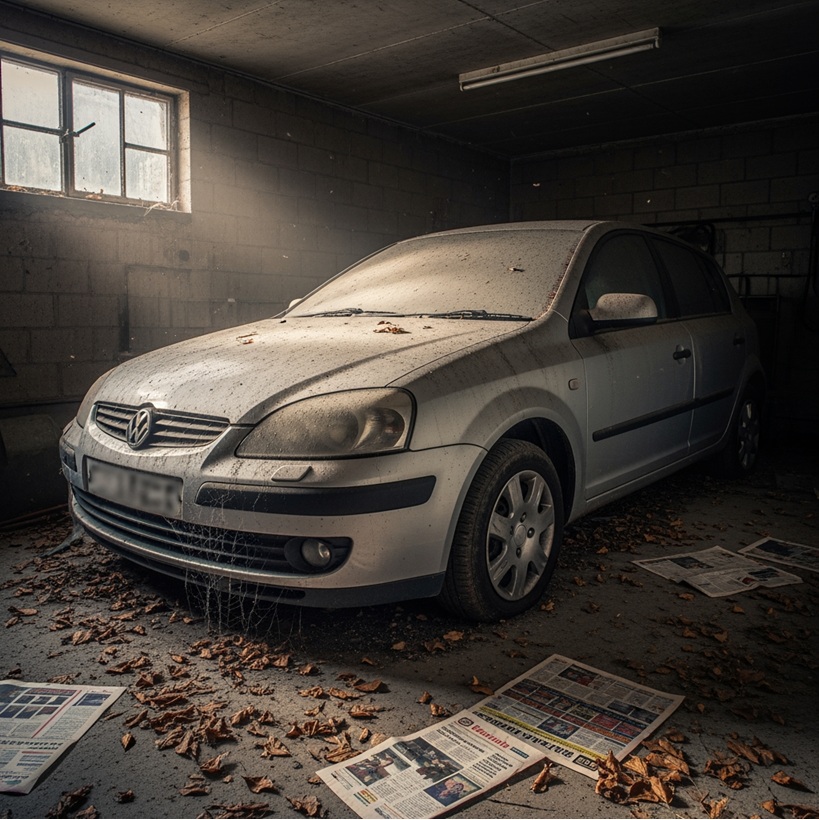
A car sitting in a garage with just 30,000 miles on the clock sounds like an absolute bargain. It has barely been driven, right? But here is an uncomfortable truth known to every experienced mechanic: low mileage scrap cars often need vastly more expensive work than vehicles that have comfortably clocked up 100,000 miles of regular use.
The odometer reading tells only a very small part of the story. When owners bring in these underused vehicles expecting top prices, they are often totally shocked to discover the car is actually headed straight for the scrapyard.
Understanding the ongoing battle of age vs mileage helps you make highly informed decisions about repair versus disposal. Let’s look at exactly why a car that spends its life sitting still is often quietly rotting away from the inside out.
The Hidden Cost of Standing Still
Cars are fundamentally designed to move. Every single component, from the rubber engine seals to the sliding brake callipers, performs best when it is used regularly and thoroughly warmed up. When vehicles sit unused for months or years, several highly destructive processes begin.
Rubber components perish completely regardless of the distance covered. Delicate oil seals dry out and crack, while rubber coolant hoses become incredibly brittle. A timing belt that might have easily lasted 80,000 miles of active use can snap catastrophically after five years of sitting on a driveway, destroying the engine instantly.
Think of a professional athlete going into retirement. Their body might have incredibly low mileage in terms of years, but months of total inactivity cause muscles to atrophy and joints to stiffen painfully. Getting back to peak performance requires extensive, painful work. Cars work identically, because if you don’t use them, you lose them.
Fluids degrade significantly over time too. Engine oil separates and loses its vital protective properties. Brake fluid naturally absorbs moisture from the air, actively corroding the entire braking system from within.
The Moisture Problem Nobody Talks About
Short journeys and infrequent use create very specific damage that high-mileage motorway cars rarely ever experience. Condensation builds rapidly inside the engine block when the oil does not reach its full operating temperature regularly.
This trapped moisture mixes with leftover combustion byproducts to create highly corrosive acids. You will often find it hiding in the oil as a thick, milky residue under the filler cap. It coats the internal engine components and begins silently eating away at the precision-machined metal.
Rust forms from the inside out, where you absolutely cannot see it until the components fail entirely. Exhaust systems on cars doing mostly short trips might be completely rotten by 40,000 miles. Meanwhile, examples covering 120,000 miles of longer, hotter journeys could still possess a completely solid exhaust.
Understanding this harsh reality is crucial when assessing your actual car scrap value rather than guessing based on the odometer. The metal might look perfectly fine on the outside, but the internal structural integrity is completely compromised.
Fuel Systems and Electrical Gremlins
Modern Petrol Degradation
Petrol does not last forever. Modern ethanol-blended fuels start degrading and separating after just three months. After a year, they turn into a thick, varnish-like substance that permanently clogs fuel injectors and destroys expensive fuel pumps.
I remember a customer years back who brought in a 2009 Honda Accord with only 28,000 miles. It had been garaged for five years, and she thought it would be worth brilliant money. The stagnant fuel had turned to absolute glue, destroying the entire fuel system from the tank to the engine. The massive £1,400 repair bill heavily outweighed the car’s worth. Sometimes, an incredibly low odometer reading is a massive warning sign, making car scrapping the most logical and economical choice.
Battery and Alternator Strain
Modern cars are packed tight with electronics, all drawing tiny amounts of power even when the ignition is switched off. Leave a car sitting for weeks, and the battery slowly but surely drains completely flat.
Repeated deep discharge cycles kill lead-acid batteries incredibly fast. But it’s not just the battery that suffers. When the voltage drops too low, various electronic control modules can lose their programming or become corrupted. Fixing these dashboard warning lights often costs a small fortune in diagnostic fees.
Tyre and Brake Deterioration
The Six-Year Tyre Rule
Here is something that surprises many drivers: tyres have a strict shelf life completely independent of their remaining tread depth. The rubber compound degrades heavily through natural oxidation and UV exposure.
Most tyre manufacturers recommend replacing them after six years, even if they look perfectly fine. A low-mileage car might have tyres with plenty of deep tread remaining, but the rubber has gone dangerously hard. They offer terrible grip in wet conditions and are prone to sudden high-speed blowouts.
Corroded Brake Components
Brake discs rust inevitably when exposed to British weather. On cars driven regularly, this light surface rust wears off smoothly with normal braking. On cars that sit idle, the rust severely pits the metal disc surface, creating deep grooves that destroy new brake pads instantly.
Brake callipers also seize solid when cars sit completely unused. The pistons corrode firmly inside their bores, turning a simple, cheap pad change into a massive mechanical overhaul. If you find yourself holding a failed MOT certificate for these exact reasons, you can easily find out how to scrap your car easily rather than paying a massive garage invoice.
When Scrapping Makes Financial Sense
Sometimes the basic mathematics simply do not add up. A ten-year-old car with just 35,000 miles might suddenly need a new timing belt, a full brake system overhaul, four new tyres, and a replacement battery just to pass its MOT.
That is potentially thousands of pounds in essential mechanical work before you even begin driving it reliably. If the vehicle is only worth a couple of thousand pounds in perfect condition, spending that much money makes absolutely no financial sense whatsoever.
This is where understanding realistic values becomes the sensible, mature option. You are not throwing good money after bad; you are simply cutting your losses efficiently. If you are facing a massive repair bill on an underused vehicle, you can get an instant quote to scrap any car to see your true financial options based on current scrap metal rates.
The Legal Side of Scrapping
When you finally decide to dispose of an aging vehicle rather than sell it privately, you must notify the DVLA properly. This legal step protects you entirely from future liability if the car somehow ends up back on the road illegally.
You should only ever use fully licensed facilities to handle the destruction process. They safely drain all the highly toxic fluids and ensure the heavy metals are recycled in an environmentally sound manner. They also provide an official Certificate of Destruction, proving your vehicle has been processed legally.
Never accept cash from unlicensed, rogue operators who promise to simply take the problem off your hands. If the car gets fly-tipped in a country lane, you remain completely legally responsible for the cleanup costs. Instead, rely on a network of professional vehicle disposal services that are highly experienced in processing cars safely and legally.
Final Thoughts on Age Versus Mileage
The persistent myth that a low odometer reading automatically guarantees brilliant mechanical condition has cost countless owners money they simply could not afford to lose.
Age degrades vehicles far more consistently and brutally than actual mileage does. Well-used cars benefitting from regular, warm running and strict maintenance typically outlast neglected, low-mileage driveway ornaments every single time.
Scrapping is not giving up on your car. It is making a highly rational decision based on hard economics and common sense rather than emotional attachment.
The Scrap Car Network connects you with trusted local partners to handle these exact low-mileage situations safely and responsibly.
Please do contact us today, and we will happily help you arrange a smooth, legally compliant collection while ensuring you get a fair price for the remaining metal.