Independent Scrap Yards vs National Chains: Pros and Cons
24th Aug, 2026
Choosing between an independent scrap yard and a national chain is a common dilemma. It is very much like deciding between the local hardware shop and a massive DIY warehouse. Both businesses will take your old motor and recycle it. However, the path they take to get there is quite different. Understanding the independent vs national scrap yard dynamic is the best way to ensure you get a fair deal.
The UK market for vehicle disposal is huge, with millions of cars processed every year. You will find small, family-run yards in almost every town. At the same time, massive corporate networks cover the entire country. Each model has its own set of strengths. A proper scrap yard comparison helps a person decide which one fits their needs. It is all about finding the balance between a personal touch and professional speed.
The Philosophy of the Local Independent Yard
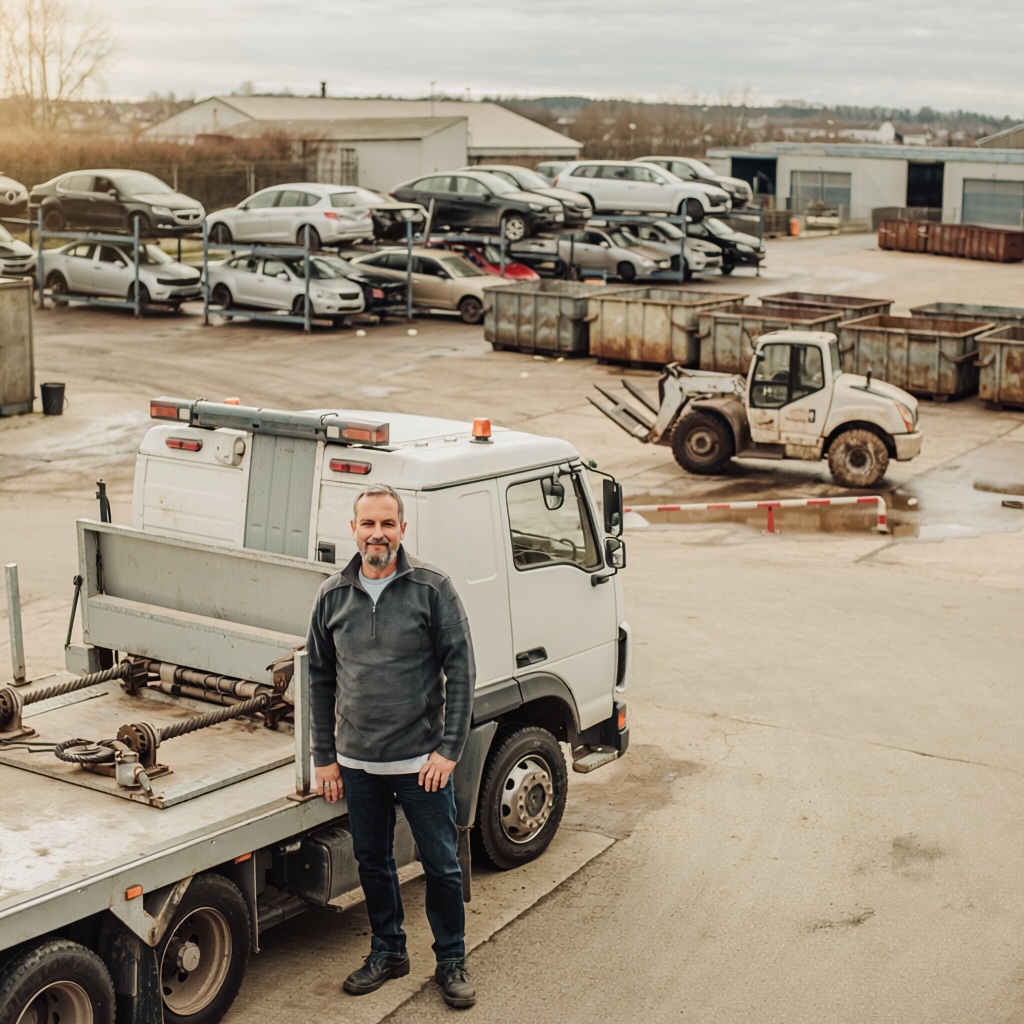
Independent scrap yards are often the backbone of the local community. These businesses are usually run by the same family for generations. The owner often works right there on the site every single day. They handle every part of the job themselves. This includes everything from the first phone call to the final dismantling of the engine.
These yards rely heavily on their local reputation to survive. If a local owner treats a customer poorly, the whole town hears about it very quickly. Because of this, they often go the extra mile to stay friendly. If a person is looking to scrap my car london or in another busy city, they will often find these local gems hidden in industrial estates.
A local owner does not have to follow a corporate script. They can look at your car and decide its value based on what they see. This flexibility is a major reason why people choose a local dealer. It feels more like a person-to-person transaction than a corporate process. These independent sites provide excellent vehicle recycling options for older or unusual cars.
The Power of the National Corporate Chain
National chains work on a completely different scale. These groups manage hundreds of sites through a central office. They use standardised rules to make sure every customer gets the same experience. They process thousands of vehicles every single month. To do this, they rely on a massive network of ATF facilities across the country.
The scale of these giant operations gives them a lot of weight in the market. They have long-term contracts with global metal buyers. This allows them to move massive amounts of steel and aluminium very quickly. Because they have big marketing budgets, they are usually the first names people find when searching for a scrap yard comparison.
Technology is the biggest strength of a national brand. They provide instant online quotes and use automated systems for payments. While this makes the transaction very fast, it can feel a bit robotic. A person is unlikely to speak to the same individual twice. For many motorists, however, the speed and certainty of a big name are worth the trade-off.
The Pricing Puzzle: Stock vs Algorithms
Prices for scrap cars are never fixed. They move up and down based on the global price of raw metal. Independent yards often set their prices based on their own immediate needs. If they have a buyer waiting for a specific part, they might offer a higher price. If their yard is already full of cars, their offer might drop for a week or two.
National chains use a different approach. They rely on complex computer algorithms to set their quotes. These systems look at regional averages and corporate profit margins to find a steady number. This means their prices are very predictable. Before a person accepts any offer, it is a smart move to check a scrap car prices guide uk to see the current market baseline.
A local yard might pay more for an older car if it has parts they can sell. National chains are often better for standard family cars where the metal weight is the main factor. The best way to get a high scrap car prices UK result is to compare both types. Many national networks include a free scrap car collection as part of their standard offer.
Logistics and the Experience at the Gate
Independent yards usually have a small fleet of one or two recovery trucks. They focus on a tight local radius, usually within twenty miles of their site. Because they are small, they can sometimes be more flexible with their time. They might agree to pick up a car on a Saturday morning to help an owner out.
National chains have access to much larger fleets. They can offer a guaranteed pickup from almost any postcode in the country. Their logistics systems are highly advanced. They track every truck in real-time to keep the process moving. If a motorist needs to scrap my vehicle quickly, a national service is usually the quickest way to get it done.
The actual experience of the pickup varies too. A local driver might know the street or even the neighbours. They often take a few minutes to chat and explain the paperwork. A driver for a national chain is often on a very tight schedule. They will load the car, process the payment, and move to the next job immediately.
Parts Resale and the Breaker Culture
Many independent yards still operate as traditional “breakers.” They strip high-quality parts and sell them to local people or garages. This part of the business allows them to see extra value in an old car. A gearbox or a set of alloy wheels might be worth more to them than the metal itself. This is a core part of the independent vs national scrap yard difference.
National chains focus mostly on the raw materials. They dismantle cars in huge numbers and sell the metal in bulk to be melted down. They might strip the most valuable parts like catalytic converters, but they rarely run a parts counter for the public. This volume-based model is incredibly efficient for recycling large amounts of steel.
Both models are vital for the circular economy. Modern recycling allows a facility to reuse about 95% of the materials in a car. This saves an incredible amount of energy and raw metal. Whether a person chooses a local yard or a big chain, they are helping with car recycling and protecting the environment. These are the most responsible vehicle recycling options available.
Legal Safety and the Importance of Documentation
The law is very strict about who can recycle a car. Every legitimate yard must be a licensed Authorised Treatment Facility. This applies to both the small family business and the giant corporation. These ATF facilities are the only places allowed to safely handle hazardous waste. A person should never hand their car to a dealer who cannot show a valid licence.
The Certificate of Destruction is the most important piece of paper in the process. It is the legal proof that the car has been properly destroyed. Both types of business must provide this document to the owner. It is needed so the owner can tell DVLA scrapped car details correctly. This stops a person from being legally responsible for the car in the future.
National chains have automated systems that send certificates very fast. Independent yards might take a few days to get the paperwork through their system. Big chains are often under more pressure from regulators because of their size. Always check for the licence before agreeing to a sale to ensure the scrap car prices UK market stays safe for everyone.
Trust, Reputation, and Personal Service
A local yard survives on its name. If they treat people poorly, the community will stop using them. The retired mechanic remembers a chap named Mick who had an old Ford. Mick tried a big national service but found it a bit cold and confusing. He went back to the local yard he had used for years because he liked the familiar face. Trust is a very big factor in a scrap yard comparison.
National chains have a different kind of trust. They have a big brand name and formal procedures to protect. They provide clear complaints processes and set customer service standards. While a motorist is just one of many customers, a big chain cannot afford widespread bad reviews. The law protects the public in both cases, as long as the yard is a licensed ATF facility.
If a problem occurs, the resolution path is different. With a local yard, a person can often go down and talk to the owner directly. With a big chain, an owner will likely speak to a call centre agent. Both want to keep their customers happy, but the local approach often feels more direct. This accountability is what keeps the scrap car prices UK industry professional.
Financial Security and Payment Options
National chains offer very solid financial systems. They can pay via bank transfer or business cheque almost instantly. The risk of a payment failing is virtually zero because they have huge corporate backing. For owners who want a seamless financial experience, the corporate model is hard to beat. This reliability is a major benefit of modern vehicle recycling options.
Independent yards are also moving to digital payments. While they have smaller budgets, a yard that has been in business for decades is usually very reliable. They value their reputation too much to risk it over a single payment. Some local yards might even negotiate on the price if a customer has multiple cars or is a regular visitor.
Making the Final Decision for Your Motor
The right choice depends on a specific situation. A local yard is excellent if an owner wants personal service and has a car with valuable parts. They are perfect for older or unusual vehicles. A national chain is usually better if a person values speed and a standard process. They are the ideal choice for a standard car where an owner just wants a quick sale.
A person can find out how to scrap your car easily by using a service that gives quotes from across the entire market. This lets a person see all available offers in one place without doing all the legwork. Every motorist wants a fair price and a legal handover. Both local yards and national chains can provide a professional service if they are licensed.
Always do your research and check for valid credentials before signing anything. If a person is ready for a quote, they can get in touch on 0300 100 0027. A professional is always available to provide honest advice through the Scrap Car Network. They help motorists secure the best possible outcome for their old vehicle.