At What Mileage Do Diesel Cars Typically Get Scrapped?
29th Apr, 2026
Diesel cars used to be the absolute marathon runners of the motoring world, regularly clocking 200,000 miles or more before anyone even considered retirement. But if you own a modern diesel, especially one registered after 2009, you might be wondering why yours seems to be struggling well before that legendary milestone. The question of typical diesel car scrap mileage has changed dramatically in recent years.
The true answer depends heavily on exactly when your vehicle was built. Pre-2009 models often sailed happily past massive mileages with basic servicing. Modern diesels are equipped with incredibly complex emission systems. Many are hitting the scrapyard between 100,000 and 150,000 miles when the expensive failures inevitably stack up.
Understanding exactly what is normal for your specific generation of diesel helps you make much smarter financial decisions about repairing versus scrapping. Let’s walk through what mileage you can realistically expect, and when throwing more money at repairs stops making sense.
Diesel Engine Longevity: Then and Now
Traditional motoring wisdom states that diesels last significantly longer than petrol engines. Historically, that was an absolute fact. Older diesels were genuinely built far tougher. They utilised heavier block castings, ran at much lower engine speeds, and featured wonderfully simple emission systems. This meant they could run practically forever if the owner simply kept changing the oil on schedule.
However, modern diesels represent a completely different mechanical beast. Strict environmental regulations forced manufacturers to bolt incredibly complex, fragile systems onto these reliable core engines. Overall longevity has genuinely decreased as environmental requirements have tightened, which is why many owners now rely on professional vehicle disposal services far sooner than they would have with older models.
Think of a modern diesel engine like a high-performance marathon runner forced to do a bleep test in a crowded school hallway. They are built for sustained, steady running at high speeds, not for constant stopping, starting, and crawling through traffic. Use them in the wrong environment, and they break down incredibly quickly.
Common Diesel Scrap Mileages by Era
The typical lifespan of a diesel car varies wildly depending on the specific era in which it was manufactured. The introduction of strict emissions equipment marks a clear dividing line in reliability.
Diesels registered before 2009 generally avoided the most complex particulate filters. Because of this mechanical simplicity, they regularly reached 200,000 to 250,000 miles before major mechanical problems forced a scrapping decision.
I remember a customer back in 2014 who brought in an old Peugeot 406 diesel that had covered an incredible 287,000 miles. It still had the original engine, and the cylinder head had never once been removed. He finally decided to scrap it only when the turbo totally failed, and the gearbox started crunching aggressively in second gear. Fixing one issue made sense, but fixing both simultaneously on a car that age was simply bad math.
However, once you look at vehicles produced between 2009 and 2015, the typical scrapping mileage drops sharply. These cars commonly face the crusher between 150,000 and 200,000 miles. Short urban journeys accelerate these problems dramatically. A modern diesel racking up mostly long motorway runs might comfortably reach 200,000 miles, but that exact same model doing nothing but two-mile school runs could require a completely new exhaust system by 70,000 miles, leaving you searching for a reliable scrap car collection.
Diesel-Specific Problems That Trigger Scrapping
There are several major, highly expensive mechanical failures that typically signal the absolute end of the road for a high-mileage diesel vehicle. Understanding these faults helps avoid pouring money down a drain.
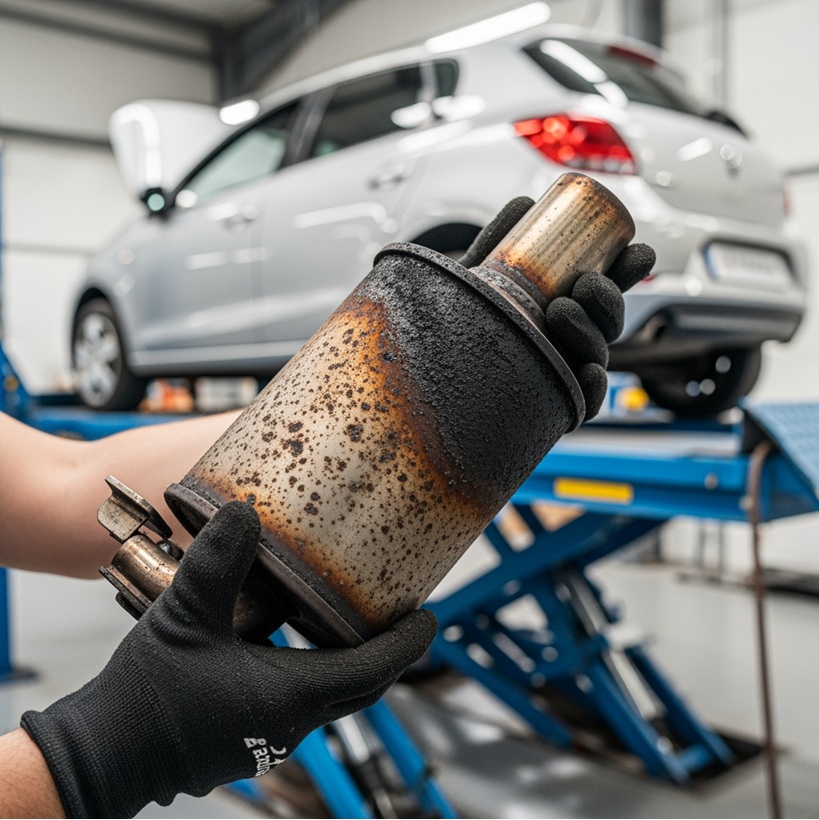
DPF regeneration failure is undoubtedly the single biggest cause of premature scrapping in the modern era. The filter physically traps harmful soot from the exhaust gases, then attempts to burn it off into harmless ash during a high-temperature regeneration cycle. When this cannot be completed due to short journeys, the filter blocks completely solid. You will experience a massive loss of power and a dashboard lit up like a Christmas tree.
A proper diesel particulate filter replacement is genuinely staggering. You must budget £800 to £1,200 for mainstream hatchbacks, and easily £1,500 to £2,500 for premium brands.
Beyond the exhaust, modern common-rail diesel injectors also eventually wear out from massive internal friction. Replacing a full set easily costs £1,500. Add in a failing turbocharger, which can exceed £1,500 to replace, and a worn dual-mass flywheel, and you quickly realise why so many mechanics advise cutting your losses and researching your car scrap value.
The ULEZ and Financial Tipping Points
Clean air legislation and Low Emission Zones have dramatically and permanently altered the financial reality of diesel ownership. Older diesels that might have happily run for years are now being crushed purely because of local legislation.
These zones impose heavy daily charges on older, more polluting vehicles entering city centres. If you own a Euro 5 diesel from 2014, it might run perfectly, but it will still incur a £12.50 daily penalty in London. This brutal financial reality has caused the resale value of these non-compliant vehicles to plummet drastically.
Deciding exactly when a vehicle is financially dead requires setting aside all emotion. The most basic calculation involves comparing the quote for your current major repair against the realistic, fault-free market value of the car. If the repair costs more than fifty percent of the car’s total worth, you are entering highly dangerous financial territory.
Calculate it brutally: if a filter replacement costs £1,500 and your car is worth £2,500 on a perfect day, you are spending sixty percent of the car’s value on a single part. Crucially, pumping £1,500 into a dying car rarely increases its actual worth by a single penny. Before agreeing to these massive bills, it’s often wiser to get an instant quote to scrap any car to see exactly where you financially stand.
The Disposal Process and Maximising Value
When you finally accept that the repair bills are too high, understanding the scrapping process ensures you get the fairest possible price for the remaining metal.
The absolute most important thing to understand is that scrap value depends almost entirely on the physical weight of the vehicle, not the fuel type. A heavy diesel estate and a petrol version of the exact same car will receive practically identical scrap quotes. Typical payments fluctuate with the global metal market, but large, heavy SUVs naturally command higher prices than small city hatchbacks because they contain significantly more recoverable steel.
If you are ready to make a move, you can easily scrap my car through a fully licensed facility. They process the vehicle legally and safely. You absolutely must have your V5C logbook ready for the driver so the DVLA can be notified. The facility will eventually issue you a highly important Certificate of Destruction via an official Authorised Treatment Facility. This legally proves you are no longer responsible for the vehicle.
If your vehicle is not quite ready for the crusher but you want to actively delay its inevitable demise, you must strictly focus on proper, preventative maintenance. This absolutely mandates regular motorway runs at sustained speeds above sixty miles per hour for at least forty minutes every single month. You must also change the fuel filter regularly to prevent water contamination from destroying your injectors.
Final Thoughts on Diesel Lifespans
The typical lifespan of a diesel vehicle has dropped significantly due to the incredible complexity of modern emission control systems. While older models often sailed past 200,000 miles, newer vehicles frequently face the crusher between 100,000 and 150,000 miles when massive repair bills make continued ownership totally uneconomical.
The financial transition point is usually abundantly clear. When the cost of replacing the particulate filter or the turbocharger approaches the actual market value of the car, stopping the financial bleeding makes vastly more sense than throwing good money after bad.
If you are currently staring down a massive garage quote for an aging vehicle, the Scrap Car Network specialises in helping drivers handle that final stage of ownership safely and responsibly. Admitting a car has finally reached its economical end clears the way for more reliable transport. Please do contact us today, and we will happily help you arrange a smooth, legally compliant collection while ensuring you get the fairest possible price