Should You Scrap Your First Car or Sell It?
16th Sep, 2026
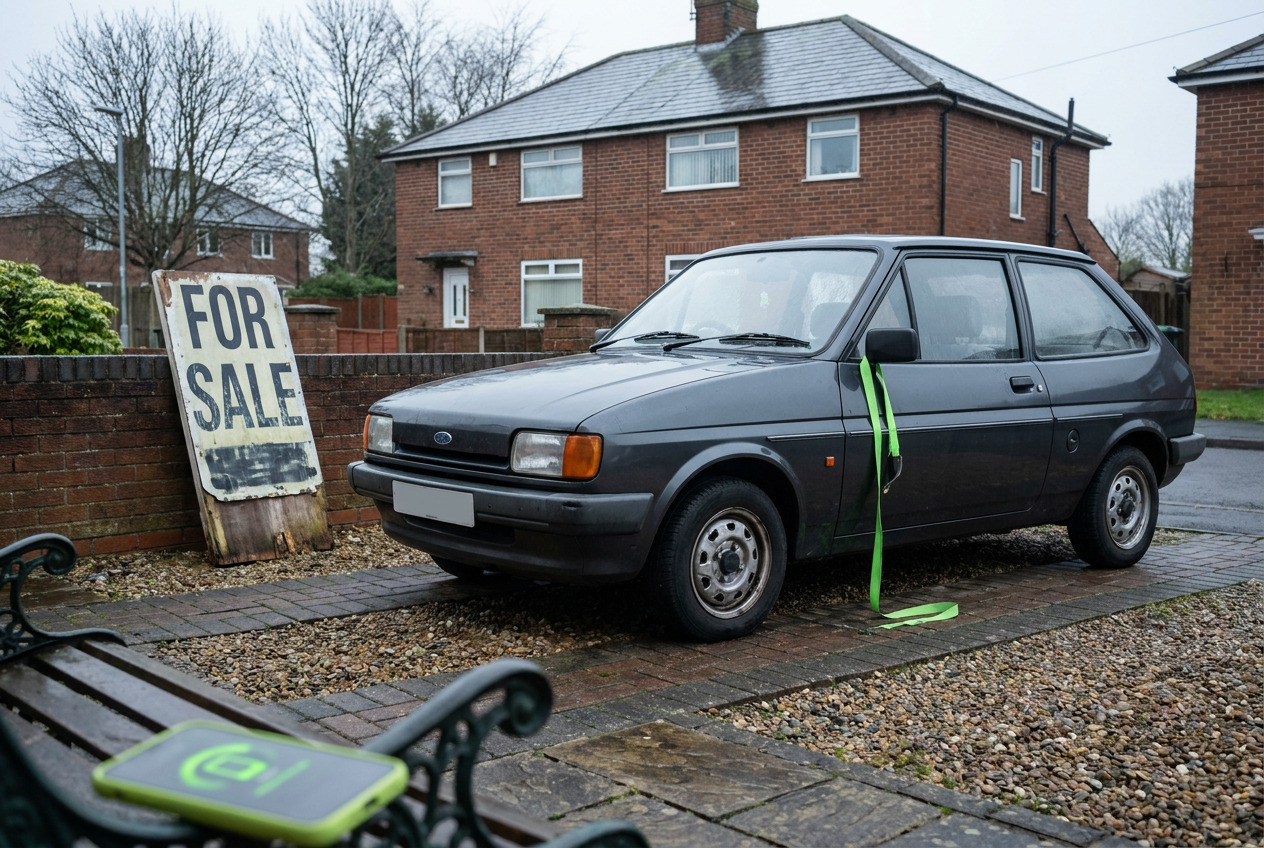
That first vehicle always holds significantly more than just basic sentimental value. It likely contains a boot full of brilliant memories, a passenger seat that has seen countless mates, and a familiar dashboard the owner could easily operate completely blindfolded. However, when it is finally sitting out on the drive with a tax reminder gathering dust on the floor mat, owners are faced with a proper dilemma. Deciding whether to scrap or sell first car options requires stepping back from the emotion.
The answer is rarely completely straightforward. Mechanics who have spent decades in the motor trade have watched countless young drivers struggle with this exact choice. Some early vehicles are genuinely worth far more as raw metal than they would ever realistically fetch from a highly critical private buyer.
Others might actually surprise their owners with what the open market is willing to pay. Cutting through the heavy emotion and looking strictly at the mechanical facts helps vehicle owners make the absolute right call for their wallet.
What Actually Determines Vehicle Worth?
Before deciding whether to utilize professional disposal routes or list the vehicle online, owners need to clearly understand exactly what they are working with. A car’s value splits firmly into two entirely distinct categories. It holds worth as a functioning, reliable vehicle, and it holds a completely separate baseline worth based entirely on current salvage material pricing for its raw, recyclable components.
Age and total mileage sit firmly at the very top of the valuation list. A fifteen-year-old standard hatchback showing 140,000 miles on the clock will severely struggle to command much attention during a standard used car market valuation, regardless of how beautifully the interior was maintained. Private buyers desperately want absolute reliability, and high numbers on the dashboard make them incredibly nervous.
The mechanical condition matters far more than most first-time sellers ever realise. That mysterious knocking sound the owner eventually learned to ignore is a massive, glaring red flag to potential buyers. Failed MOT items, heavily worn clutches slipping in high gears, and dodgy electrical faults chip away at the final resale value far faster than aggressive rust spreading on a door sill.
Then comes the specific make and model. Some popular manufacturers hold their value beautifully over the years. A tired old Ford Fiesta or Vauxhall Corsa might still attract significant interest simply because replacement parts are incredibly cheap and local mechanics know the engines inside out. Conversely, an obscure French supermini with complex electronics usually struggles to find any willing buyers.
When Scrapping Makes More Sense Than Selling
Sometimes the brutal numbers simply do not stack up for a successful private sale. If the vehicle ticks certain problematic boxes, choosing to securely arrange an end-of-life vehicle disposal and a scrap my car collection probably makes far more financial sense than persevering with an endless stream of online tyre-kickers.
The most common breaking point is when a car has failed its MOT with incredibly expensive repair estimates. When the impending garage bill heavily exceeds what the owner would eventually get from selling it, they are simply throwing good money after bad. A scrap quote based on salvage material pricing does not suddenly drop just because the catalytic converter has failed the emissions test. The quote still depends on the car matching the description you gave.
Another massive factor is having already purchased a shiny replacement vehicle. Keeping two cars simultaneously means paying double the insurance premiums, double the road tax, and handling double the administrative hassle. The longer the old motor sits entirely unused on damp tarmac, the more its mechanical components seize up and deteriorate.
Structural issues also forcefully dictate the final outcome. A blown head gasket mixing oil and water, a completely seized engine block, or terminal chassis rust are absolutely not selling points. They are clear, undeniable reasons to accept the raw material value and move on gracefully.
Think of trying to sell a heavily damaged first car exactly like trying to sell an old, outdated smartphone with a completely shattered screen and a battery that dies in ten minutes. It might still technically turn on for the current owner, but any paying buyer only sees the massive, ugly flaws and the incredibly expensive repair costs required to make it usable again.
The Story of the Beloved Corsa
Seasoned mechanics often share cautionary tales about emotional attachments costing drivers dearly. Take a young driver named Tom, who absolutely refused to let go of his heavily rusted first car, a battered 2004 Vauxhall Corsa. He spent over eight hundred pounds replacing the entire exhaust system and the rear suspension just to scrape it through a strict MOT, desperately hoping to sell it for a grand.
After three long months of dealing with endless time-wasters and insulting lowball offers online, the timing chain snapped entirely while the car was idling on his driveway. He eventually had to scrap the Corsa for a tiny fraction of what he had just spent on those final, completely pointless repairs.
When Selling Privately Could Be Worth the Effort
Not every single first car deserves to meet the heavy industrial crusher immediately. If the vehicle falls into certain favourable categories, owners might genuinely be leaving decent money on the table by rushing toward professional disposal.
If the vehicle remains fully roadworthy with a valid, clean MOT certificate, it has genuine value to someone entering the driving world. A car that runs reliably, drives perfectly straight, and passes strict emissions tests can still fetch a highly respectable sum depending on its overall cosmetic condition.
Highly popular models with incredibly cheap replacement parts retain their massive appeal. Young drivers actively hunt for these specific cars because the insurance brackets remain perfectly manageable for beginners. Parents frequently buy them because the mechanical reliability is well proven over millions of miles.
Documentation also significantly boosts the final asking price. A fully stamped service book and thick folders of receipts for major mechanical work prove the vehicle was loved and maintained properly. This complete history easily justifies a much higher asking price during a used car market valuation.
The Real Cost of Selling Versus Scrapping
Financial return is not solely about the bold headline figure typed onto an advertisement. When comparing selling options against professional disposal, owners must carefully factor in the heavy hidden expenses of the entire process.
Time investment matters far more than people initially expect. A private sale frequently takes several weeks or even months to conclude properly. Every single day the car sits advertised is another day requiring legal insurance coverage and active road tax payments. If the vehicle is declared off-road to save money, it cannot legally be test-driven by buyers anyway.
Preparation expenses can also severely surprise optimistic sellers. A fresh MOT costs over fifty pounds even if the vehicle fails the test miserably. A professional interior valet to remove years of stains and minor cosmetic repairs to make the car presentable can easily run into hundreds of pounds.
Legal obligations never disappear just because a vehicle is listed cheaply online. Owners still need valid insurance during potential test drives to remain compliant. They remain fully liable if something mechanically disastrous goes wrong before the official government ownership transfer is officially completely processed.
Compare that extensive, frustrating hassle to modern disposal methods. Reputable scrap car collection services handle absolutely everything efficiently, removing the vehicle safely, usually at absolutely no financial cost to the seller whatsoever.
Valuing a First Car Accurately
Before making any final decisions, obtaining highly accurate valuations is absolutely critical. Guessing what a car is worth is incredibly risky and usually leads to massive disappointment when the market responds poorly.
Online valuation tools provide a solid starting point for functioning vehicles. They offer free baseline estimates based strictly on the specific registration, total mileage, and general cosmetic condition. They are grounded in actual data to provide a realistic used car market valuation rather than pure, hopeful guesswork.
Checking the baseline material value is the next vital step. Professional vehicle disposal services offer instant, accurate quotes based on current salvage material pricing and the exact vehicle details provided. This figure is the quoted return if the vehicle matches the description you gave.
Local market research reveals exactly what is actually selling in the immediate area. Searching online classifieds for the exact make and year helps determine the true market ceiling. Focusing strictly on completed listings shows what buyers actually pay with their wallets, rather than what wildly optimistic sellers are asking.
What Happens to Your Car After Scrapping?
Scrapping no longer means a beloved first car ends up as a rusted metal cube rotting in a random industrial field. Modern vehicle recycling is highly sophisticated, strictly regulated, and surprisingly efficient.
When vehicles go through legitimate channels for end-of-life vehicle disposal, they enter a highly vetted network of licensed facilities. These are strictly inspected environmental centres that must meet rigorous national protection standards.
The car scrappage process always starts with intense, careful depollution. Highly trained technicians safely drain and dispose of all hazardous fluids, including dirty engine oil, toxic coolant, and harmful air conditioning refrigerants. These dangerous chemicals require highly specialized vacuum treatment to prevent severe soil contamination.
Next comes the meticulous component recovery phase. Anything functional and reusable is carefully removed, bench-tested, and sold as spare parts to the active motor trade. Engines, complex gearboxes, straight body panels, and pristine interior trims are salvaged to keep other similar vehicles running smoothly on the road.
What remains undergoes highly advanced material separation. Heavy industrial shredders separate the ferrous steel from the non-ferrous aluminium and copper wiring. Modern vehicles are incredibly recyclable, ensuring absolute minimal waste reaches local landfills.
The Emotional Factor Nobody Talks About
It is best to properly address the undeniable emotional connection. A first car represents pure independence, newfound freedom, and countless early driving memories. Letting go of that specific physical object is genuinely difficult for many drivers.
However, sentimentality absolutely does not pay the garage bills or free up vital driveway space. If the car is genuinely worth saving financially and the owner possesses the budget, then repairing and keeping it is a perfectly valid choice.
If the vehicle is absolutely not worth saving, delaying the final decision merely prolongs the inevitable outcome. A car sitting entirely unused on a driveway is not a fitting memorial to good times. It is simply a depreciating lump of metal becoming less mechanically viable by the month.
Some drivers find selling easier emotionally because the car technically lives on with a completely new owner. Others vastly prefer the finality of a professional end-of-life vehicle disposal because it is clean, absolute, and prevents them from having to watch a complete stranger drive away in their memories.
Legal Requirements You Cannot Ignore
Whether choosing to scrap or sell, the law remains absolute. Missing these vital administrative steps easily results in heavy, automated fines from local councils.
- Notify the DVLA. Complete the V5C if you sell privately.
- If you scrap with a licensed facility, they handle the notification. Request a Certificate of Destruction after five working days.
- Do not drive an uninsured car to a yard. Use a licensed collection.
- Clear outstanding finance before you scrap or sell. The lender still owns the car until it is paid off.
Making Your Final Decision
With all the factual information successfully gathered, it is time to make the logical choice. If the car is worth very little, requires major mechanical repairs, or has failed its MOT miserably, safe disposal is usually the smartest, cleanest route.
- Scrap if repair costs beat a realistic private-sale price, or the MOT has failed with structural or engine work.
- Sell privately only if it is roadworthy, honestly described, and you have time for viewings.
- Get a live scrap quote first so you know the floor before you list it.
Whatever the final decision, owners should never let their beloved first car become a permanent, rusting fixture on the driveway. If pursuing disposal, ensuring the facility issues an official destruction certificate ensures a proper, clean resolution, and the owner deserves to move forward safely and legally with their new vehicle.
If it is time to finally say goodbye to that first vehicle safely and legally, the team is always ready to help. Please feel free to get in touch or call 01772 665 909 to arrange a secure, fully licensed collection from Scrap Car Network today.