Getting Money for a Scrap Car as a Young Driver
22nd Sep, 2026
Newly qualified motorists face enough intense financial pressure without worrying about what to do with an old banger that has finally given up the ghost. Between sky-high insurance premiums, fuel costs that seem to climb weekly, and the general expense of keeping wheels legally on the road, disposing of a broken motor might seem like just another massive headache.
It absolutely does not have to be a stressful ordeal. Securing a reliable young driver scrap car transaction is completely straightforward, even for those who have only recently passed their driving test. The basic mechanical and legal process works exactly the same whether the owner is seventeen or seventy years old.
Mechanics who have spent decades working in the motor trade often see beginners panic when a car finally dies. Younger drivers frequently overlook excellent opportunities to maximise their financial return. Understanding the basic rules of the trade ensures that an undrivable vehicle transforms smoothly into a highly useful deposit for a much more reliable replacement.
Why First Vehicles Often Face the Crusher
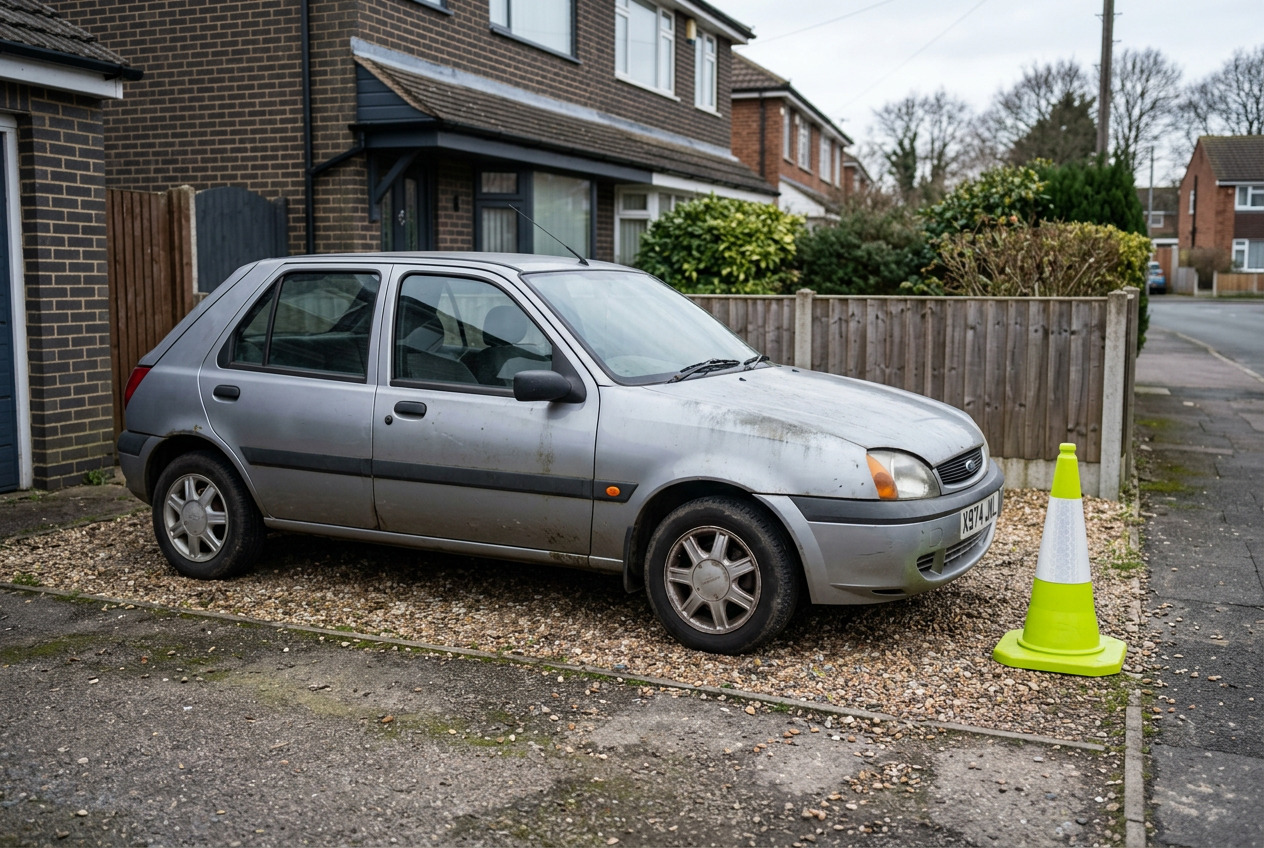
First cars very rarely arrive in pristine, showroom condition. Most newly qualified drivers inherit heavily worn vehicles from generous family members or purchase absolute budget motors with incredibly high mileage. They enthusiastically take on tired cars that older, far more experienced drivers simply would not touch.
These tired vehicles often limp along admirably for a few months until they fail a strict MOT test. Suddenly, they develop complex mechanical faults that cost significantly more to fix than the car’s actual market worth.
Staggering insurance costs heavily compound this common problem. A nineteen-year-old driver might easily pay fifteen hundred pounds annually just to insure a basic hatchback that is barely worth eight hundred pounds. When that specific car suddenly needs six hundred pounds in engine repairs, the financial maths becomes brutally clear.
The Financial Tipping Point
Holding onto a broken vehicle is incredibly expensive. Think of keeping an unusable car exactly like paying a highly expensive monthly subscription for a local gym that you are physically banned from entering. It is simply throwing good money into a black hole with absolutely zero return.
Opting for legal vehicle disposal makes perfect financial sense in these harsh scenarios. Sadly, many younger drivers do not realise they can still extract highly useful value from what feels like a totally worthless heap of rusted metal sitting on the family driveway.
Understanding What an Old Banger is Actually Worth
Every single vehicle on the road contains valuable materials that heavy industrial recycling centres desperately want. Raw steel, heavy aluminium, copper wiring looms, and complex catalytic converters all possess a serious global market value.
The physical weight of the vehicle matters most when calculating an accurate scrap car valuation. A large, heavy diesel saloon typically fetches significantly more money than a tiny, lightweight city runabout simply because it contains a much larger volume of raw steel.
Global commodity markets heavily dictate exactly what these materials are worth on any given day. A car worth two hundred pounds one month might easily fetch two hundred and fifty the next month if global steel prices suddenly rise.
The Hidden Value in Components
Catalytic converters deserve a highly special mention in the valuation process. These clever exhaust components contain incredibly rare precious metals like platinum, palladium, and rhodium. Legitimate facilities pay excellent premium rates for vehicles arriving with their original, intact catalytic converters.
A car with its original factory converter might command nearly a hundred pounds more than a vehicle where the unit was previously removed. Young drivers should always check current market rates rather than blindly accepting the very first offer they receive over the phone.
Legal Requirements for Newly Qualified Motorists
Disposing of an old vehicle is not just about handing over the keys and happily collecting a bank transfer. The government requires highly specific, proper notification when any vehicle is permanently dismantled, regardless of the owner’s actual age or driving experience.
Young drivers who accidentally skip this vital administrative step face severe potential fines. They also face continued, terrifying legal liability for a vehicle they no longer even possess.
The V5C registration document plays a highly central role in this process. When handing the vehicle over to an authorised scrap facility, the registered keeper must correctly complete the yellow section of the V5C and send it directly to the DVLA.
Severing the Legal Connection
The receiving facility utilizes their specific section of the paperwork to officially deregister the car. They must generate an official Certificate of Destruction to prove the vehicle has been safely and properly recycled according to strict national laws.
Drivers should never hand over a vehicle without receiving this crucial paperwork. This vital document entirely protects young drivers from severe future liability if someone illegally uses the vehicle’s old registration plates on public roads.
Taking five minutes to tell DVLA scrapped car details correctly prevents months of highly stressful administrative hassle and terrifying council warning letters.
Securing the Best Possible Financial Return
Shopping around makes a very real difference to the final bank balance. A reliable scrap car valuation varies significantly between different yards, sometimes by fifty to a hundred pounds for the exact same vehicle.
Young drivers with limited industry experience might enthusiastically accept the first offer given. However, taking twenty minutes to compare three different quotes takes minimal physical effort and very often yields much better financial returns.
Location heavily affects regional prices more than many people ever realise. Urban areas usually host multiple rival facilities, which naturally drives up the prices offered to the public. If an owner needs to arrange a collection in London, they will likely see slightly more competitive rates due to the sheer density of local recycling businesses fighting for stock.
Preparing the Vehicle for its Final Journey
Preparation takes absolute minimal time but highly ensures a completely smooth transaction on collection day. Owners must thoroughly remove all personal belongings before the truck arrives.
- Empty glovebox, door pockets and boot. The yard is not responsible for items left inside.
- Have ID and the V5C ready. A service history does not raise the metal price, but it speeds the check.
- The car should roll and be reachable, not boxed in a locked garage.
The Collection Process Explained
Most highly reputable facilities offer a completely free scrap car collection service for complete, intact vehicles. Young drivers without any secondary transport absolutely do not need to worry about dangerously towing a broken car across town to a heavy industrial estate.
- Accept a quote based on the registration, postcode and the condition you declare.
- Book a free collection. Someone must be present with access to the car.
- Show photo ID. Hand over the V5C if you have it.
- Payment is by bank transfer, usually within one to two working days. Cash for scrap cars is illegal.
Collection typically happens within a few days of accepting a firm quote. The collection driver should always provide a formal receipt clearly confirming they have legally taken possession of the vehicle.
Common Pitfalls for Beginners
Since 2013, strict national laws have completely banned physical cash payments for scrap metal. If an operator heavily insists on handing over a fistful of physical notes, they are operating entirely outside the law. Legitimate businesses strictly utilize secure electronic bank transfers or crossed cheques to maintain a highly transparent paper trail.
Another massive mistake is attempting to dispose of a car carrying outstanding financial agreements. Young drivers who purchased vehicles on strict credit agreements absolutely cannot legally scrap them until the remaining finance is completely settled. The finance company technically still owns the car, and crushing it without formal permission constitutes serious fraud.
Choosing an unverified operator just to save a few hours is incredibly dangerous. Only an authorised scrap facility can legally process the required paperwork. Unlicensed operators might offer slightly higher prices but cannot legally provide the official Certificate of Destruction that protects the driver.
Exploring Alternatives to Total Destruction
Some cars deemed completely worthless by a frustrated young driver might actually sell easily as complete, functioning vehicles. Beginners often massively underestimate the heavy local demand for cheap, basic motors, even those carrying known mechanical faults.
A car failing its strict MOT test on relatively minor suspension issues might fetch a few hundred pounds from a competent home mechanic willing to make the repairs themselves. If the vehicle is generally solid, safely opting to scrap my car might actually yield slightly less money than a highly honest private sale.
Part-exchange programmes at local dealerships also sometimes accept incredibly tired vehicles regardless of their cosmetic condition. The offered value might only slightly exceed the raw metal price, but it massively simplifies the stressful process of purchasing a reliable replacement car.
The Environmental Impact of Proper Disposal
Proper car recycling brilliantly prevents severe, long-lasting environmental damage. Modern vehicles contain highly hazardous materials, including incredibly corrosive battery acid, toxic engine oil, brake fluid, and highly harmful refrigerants from air conditioning systems.
A verified authorised scrap facility safely drains and disposes of these dangerous substances according to highly strict environmental regulations. They utilize highly specialized vacuum equipment to ensure absolutely nothing harmful leaks into the local soil or water tables.
The Circular Manufacturing Economy
Up to ninety-five percent of a modern car’s total materials can be successfully recycled. The heavy steel and lightweight aluminium get melted down in massive industrial furnaces and reused in global manufacturing.
The brittle plastics from cracked bumpers and faded dashboards become entirely new products. Even the worn rubber tyres find brilliant second lives as safe playground surfaces or efficient industrial fuel.
When drivers choose proper scrap car recycling routes, they actively contribute to crucial circular economy principles. Every single tonne of successfully recycled steel saves a massive amount of raw iron ore from being mined, drastically reducing the motor industry’s heavy environmental impact.
Handling Insurance Implications Correctly
Permanently disposing of a car affects active insurance policies in specific ways that young drivers might not initially anticipate. Most strict policies require immediate, formal notification when a vehicle is permanently destroyed.
Continuing to blindly pay expensive monthly premiums for a completely non-existent car wastes massive amounts of money. However, failing to cancel the complex policy correctly might negatively affect hard-earned no-claims bonuses.
No-claims discounts successfully transfer between different vehicles but usually require completely continuous coverage. Young drivers should clearly clarify with their specific insurers exactly how long the vital no-claims bonus remains legally valid without an active vehicle on the policy.
Moving Forward With Absolute Confidence
Young drivers absolutely need not feel intimidated by the simple prospect of permanently disposing of a broken vehicle. The administrative process is incredibly straightforward, the legal requirements are highly manageable, and a licensed operator should treat the job the same regardless of the owner’s age.
Understanding highly accurate scrap car valuation methods and following proper administrative procedures easily maximises financial returns while fulfilling all strict legal obligations. Taking the time to properly research options and select highly reputable recyclers always pays massive dividends.
Whether it is a beloved first car that has finally reached the very end of the road or an inherited family vehicle that has sadly become more of a massive liability than an asset, professional disposal provides a highly practical, clean solution.
If it is finally time to dispose of an end-of-life vehicle safely and legally, the highly experienced team is always ready to help. Please feel free to easily get an instant quote to scrap any car to discover the exact value of the vehicle.
To arrange a highly secure, fully licensed collection from the safety of your driveway, simply reach out to the Scrap Car Network directly. For friendly guidance on the entire legal process, contact us or call 01772 665 909 today.