How to Counter Low Scrap Offers Without Losing the Deal
29th Jul, 2026
Selling an old motor shouldn’t feel like a back-alley brawl where someone always walks away feeling cheated. Yet, across the UK, car owners regularly face lowball offers that leave them frustrated. You’re often left with a choice, which is either to accept far less than the car is worth or walk away from a buyer who might have actually been legitimate. After eleven years in the trade, I can tell you that the secret isn’t just spotting a poor offer. It is knowing exactly how to counter low scrap offers based on a current market baseline while keeping the serious buyers interested.
Think of a scrap car quote like a Sunday roast. If someone tries to offer you the price of a ham sandwich for a full three-course meal with all the trimmings, you don’t just throw the plate at them. You politely point out the value of the beef, the roasties, and the effort that went into the gravy. In the recycling world, your car’s trimmings are its precious metals and working parts. When you understand what drives a valuation, you can turn a weak opening bid into a fair deal.
What Actually Constitutes a Low Offer
A legitimately low offer isn’t just a number that makes you sigh. It is a valuation that falls measurably below what the components and materials should command in the current market. To understand this, you need to look at the scrap metal prices UK facilities are currently paying. As of this year, steel prices provide a solid floor for any quote, but you have to factor in the weight of the vehicle correctly. Professional buyers always base their baseline calculations on these shifting commodity market values.
Your average family hatchback contains roughly 1.2 tonnes of material. This establishes a baseline melt value before you even consider the fancy bits. If an offer doesn’t even cover the raw weight of the steel and aluminium, you’ve found a lowballer. Furthermore, a car that’s complete, which means it still has its engine, gearbox, and wheels, is worth significantly more to a buyer than a stripped shell.
I remember a customer named Bill who brought in an old BMW. He’d been offered fifty quid by a bloke with a van. We took a look at it together, and I pointed out that his catalytic converter alone was worth twice that in recycled precious metals. Once we factored in his pristine alloy wheels, his car was suddenly a three-hundred-pound asset. He almost lost out because he didn’t know what constituted a fair floor price.
Evaluating Salvageable Components
Dismantlers are always on the hunt for parts they can clean up and resell, and their willingness to pay is often driven by salvageable parts demand. If your car has a functional alternator, a radiator without leaks, or undamaged body panels, these add extra value. A professional facility will calculate the risk of these parts not working, but they will usually stretch their budget if the model is in high demand for repairs.
Why Buyers Make Low Initial Offers
It is rarely personal when a buyer throws out a low number. Most of the time, it is a calculated business strategy. Many buyers start at twenty per cent below their maximum because they expect you to counter. They are essentially testing your market knowledge. If you sound like you know the current trends, they will move to their real number much faster.
Buyers also have to account for the massive overheads of a collection service. They are thinking about the diesel for the recovery truck, the driver’s time, and the environmental fees for disposing of hazardous fluids. Some buyers simply price all these risks into initial quotes because they aren’t sure about the salvageable parts demand for that specific model. If you can prove the car is an easy, clean pickup, that risk disappears.
Researching Your Vehicle’s True Value
Before you start haggling, you need ammunition. Check the current rates through industry sources so you can speak with authority. If you know that steel has dropped or risen recently, mention it. It shows you aren’t just guessing. You should also get an instant quote to scrap any car from a national network to see what the current market baseline looks like for your postcode.
Note which buyers ask detailed questions about the car’s condition. A buyer who just asks for the year and model is likely giving you a worst-case scenario price. A buyer who asks if the engine turns over or if the cat is original is actually checking the salvageable parts demand for your motor. These are the folks you want to negotiate with while keeping an eye on the actual market data.
Effective Counter-Offer Strategies
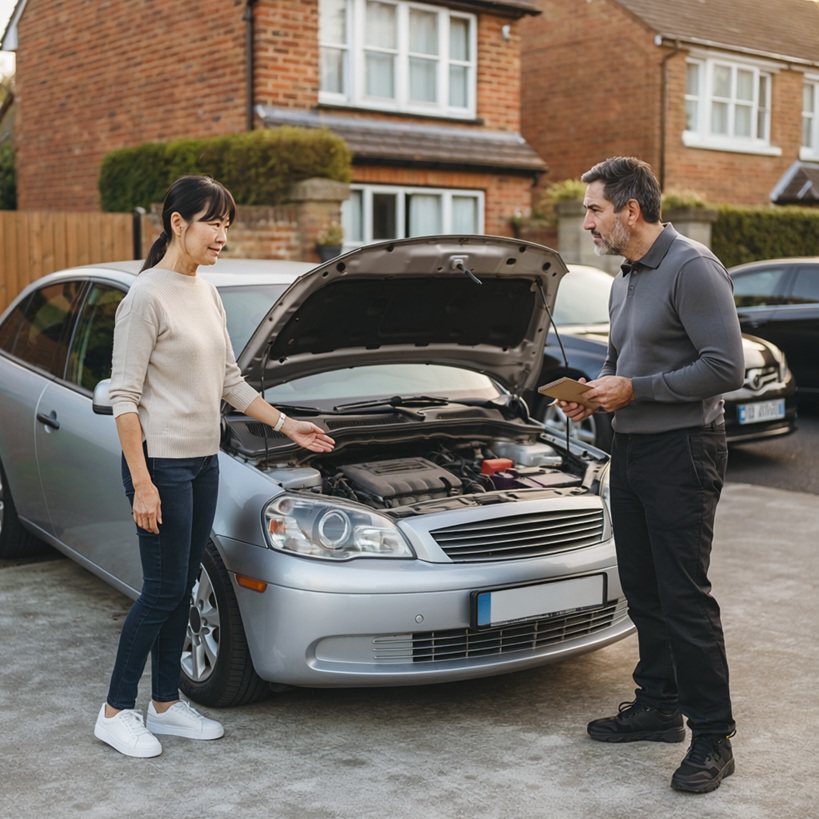
When you receive an offer that is too low, don’t get emotional. Lead with specific information. Instead of saying that the offer is an insult, try something like, “I have researched the current commodity market values and I know this model has a high-value gearbox. I am looking for a figure closer to my other quotes of two hundred and fifty.”
This approach signals that you have done your homework. It gives the buyer a face-saving way to increase their offer without admitting they were trying to lowball you. You can also negotiate on service terms. If they won’t budge on the cash, ask if they can provide a scrap car same day collection to clear your drive immediately. Sometimes, speed is worth more than twenty quid.
Using Competing Quotes Strategically
You don’t need to name names, but mentioning you have a higher offer is a classic move for a reason. Just make sure you are comparing like for like. A high quote from a yard fifty miles away that requires you to deliver the car isn’t as good as a slightly lower quote from a local scrap car recycling specialist who will pick it up for free.
When to Walk Away vs When to Negotiate
You have to know when you are dealing with a cowboy. If a buyer refuses to explain how they reached their valuation or gets aggressive when you ask about their environmental permits, hang up the phone. Legitimate operators are proud of their standards and will happily explain their pricing logic, especially how a complete car sets a fair floor price higher than raw weight alone.
The biggest red flag is the bait and switch. This is when someone offers you a grand price over the phone but turns up on your driveway and tries to knock off a hundred pounds for a tiny scratch. If they try this, tell them to leave. A reputable company honours its word unless the car is fundamentally different from what you described. If you’re looking for a straightforward way to find out how to scrap your car easily, stick to vetted businesses.
Common Mistakes That Sabotage Negotiations
The fastest way to kill a deal is to lose your temper. Buyers deal with hundreds of people a week, and they will quickly move to the next caller if you are being difficult. Stick to the facts. Another common error is providing inaccurate information. If you tell them the car runs perfectly just to get a higher quote, and it won’t even start when the driver arrives, you have destroyed the trust.
Always remember that once the deal is done, you must receive an official Certificate of Destruction. This is your legal proof that you are no longer responsible for the vehicle. If a buyer seems vague about providing this document, they aren’t a serious professional, and you should walk away regardless of how much cash they are flashing.
Maintaining Relationships During Tough Negotiations
The recycling world is smaller than you think. If you handle a negotiation professionally, even if you don’t take the deal, that buyer will remember you. If you have another car to sell in a year’s time, they will be more likely to give you their best price straight away because they know you are a straight shooter.
If you decide to go with a competitor, a quick text saying thanks for the quote goes a long way. It keeps the door open if the other deal falls through. Professional conduct is essential when dealing with any recycling specialist because word travels fast in this industry.
Final Thoughts on Securing a Fair Price
Countering a low offer is about balance. You need to be firm enough to protect your vehicle’s value but flexible enough to understand the buyer’s costs. By researching the current market baseline and staying professional, you will consistently get the best return for your old banger. The goal of countering a low offer is about finding that fair floor price through research.
When you’re ready to bypass the stress of haggling and want a guaranteed, fair price, working with Scrap Car Network is the smartest way forward. You can scrap my vehicle with total confidence that you are getting a quote based on real-time commodity market values. They ensure your car goes to a fully licensed facility, protecting both your wallet and the environment.
If you’re looking to get the job done without the drama of a difficult negotiation, let the experts handle the heavy lifting. You will get a fair price, a legal handover, and the peace of mind that comes with a professional service. For a quote that respects your car’s true worth, contact us at 0300 100 0027 to arrange your hassle-free collection today.