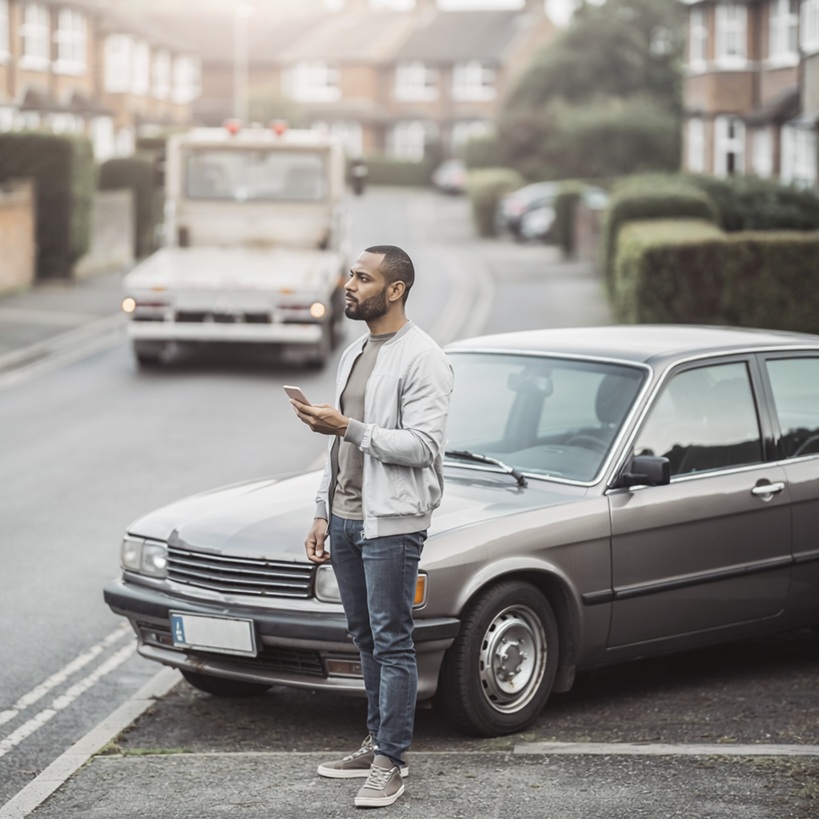
Should You Accept First Offer or Hold Out for Better?
29th Jul, 2026
The moment usually arrives much faster than most vehicle owners expect. You post an advert or make a few calls, and suddenly your phone is buzzing. One yard quotes one hundred and eighty quid for your old Vauxhall. Another offers two hundred. A third says one hundred and ninety-five. Then you get a message, which is two hundred and ten, but only if you decide within the hour. It is a whirlwind of numbers and notifications that can make your head spin.
Most sellers simply accept the first decent offer they hear just to get the job sorted. They really shouldn’t. After decades under the bonnet and years in the recycling game, I can tell you that the market operates on a big gap in knowledge. Buyers know exactly what steel is worth this morning and which parts are in high demand, while sellers are often left guessing. This gap can easily cost you fifty to one hundred and fifty pounds. If you want to avoid a bad deal, you need to understand the scrap car pricing benchmarks used by the pros.
Think of it like a car boot sale. You wouldn’t accept the very first offer on a rare collectible without knowing its worth, so why do it with a ton of metal? The first offer is almost always a opening bid, not a final destination.
What Determines Your Vehicle’s True Value
Scrap prices aren’t just pulled out of thin air by a bloke with a flatbed. Three main things drive every legitimate offer you receive. First, you have the base metal weight. A typical family car contains between 1,200 and 1,500kg of recyclable steel. With current UK steel prices, this establishes a solid baseline floor for your valuation.
Then, you have to look for valuable car components. Working catalytic converters are the big one, as they contain precious metals like platinum that are worth far more than the steel shell. A functioning cat from a diesel vehicle can add a significant premium to your pocket. Intact alloy wheels and copper wiring also boost the total. Finally, there is the matter of recovery vehicle logistics, which covers the cost of diesel and the driver’s time to reach your driveway.
The Bonus: Valuable Car Components
I remember a lady named Sheila who called me about her old Honda Jazz. She’d been offered a hundred quid by a local collector and was about to say yes just to clear her drive. I told her to hold fire and check the part number on her catalytic converter. It turned out she had an original unit in high demand. After two more phone calls, she secured an offer of two hundred and fifty. She nearly lost a hundred and fifty pounds because she was going to accept the first scrap offer without checking for valuable car components first.
The First Offer Trap: Psychology and Tactics
Buyers follow a very predictable pattern. The opening offer usually sits about fifteen to twenty-five per cent below what they are actually willing to pay. This isn’t about being dishonest, as it is just how business is done in almost every trade. The problem is that many car owners don’t realise they are even in a negotiation.
Buyers often use urgency bias to their advantage. They know a car taking up space feels like a nuisance, so they add time pressure. They might say the price is only valid for an hour or that they have a truck around the corner. They are also counting on scrap dealer credibility, or lack thereof, to make you feel like you won’t find a better deal elsewhere. Don’t fall for the anchoring effect, where the first number you hear becomes the only one you think about.
Identifying When Holding Out for More Makes Sense
Not every old banger deserves a week of haggling. If your car is a 1998 petrol hatchback with no wheels, the first fair offer is probably the best you’ll get. However, if you have a post-2010 model or a diesel estate, it is worth the extra effort. These newer vehicles contain more sophisticated electronics and aluminium body panels that increase their salvage value.
If you have recently replaced the battery or the tyres, itemise these things when you call. Sellers who list their car’s best bits typically see their offers jump by twenty per cent. If you aren’t in a rush, you can also use market timing. Steel prices move in cycles, and waiting a fortnight during an upward trend can put an extra fifty quid in your hand. Just make sure you are checking the latest scrap car pricing benchmarks before you commit.
How to Evaluate Competing Quotes Effectively
To find the true market reality, you need to gather three to five quotes. Anything less doesn’t give you enough data to spot the outliers. When you are looking to scrap my car, always ask for an itemised breakdown. A quote that is just a single total sum doesn’t tell you anything about how they are valuing the parts versus the weight.
You also need to verify the recovery vehicle logistics involved. A quote of two hundred and twenty with free collection is much better than two hundred and forty where you have to pay for a tow. Always check the net value after all costs are accounted for. This is where you can really test a scrap dealer credibility, as professional outfits will be crystal clear about their terms from the start.
The Strategic Art of the Counter-Offer
Most folks either say yes or hang up. Neither is the best way to get paid. The secret is a strategic counter-offer based on facts. If you know your car’s weight and the current steel price, you can set your own minimum. When you call a buyer back, lead with evidence.
You could say, “I’ve checked the current rates and I know this model has a premium catalytic converter. Your offer suggests you’re valuing it quite low. I’m looking for two hundred and forty, which reflects the fair value for the metal and the components.” This shows you have done your homework, which usually kills off any lowball tactics immediately. If you want to scrap my vehicle, being informed is your best weapon.
Behind the Scenes: What Professional Buyers Won’t Tell You
Recycling yards operate on fairly tight margins, usually around fifteen to twenty-five per cent. A car they buy for two hundred might only generate two hundred and sixty in materials after they’ve paid for labour, fluids disposal, and electricity. This means there is a natural limit to how high they can go.
However, they classified vehicles differently. A “standard scrap car” gets one price, but an “aluminium-bodied premium” gets another. You want to make sure your car is in the right category. Efficient recovery vehicle logistics also play a part, as a yard with a truck already in your postcode can afford to pay you more because their fuel cost for that specific job is lower. You should recycle my car with a company that understands these logistical efficiencies.
The Optimal Decision Timeline for Your Old Banger
While it’s good to hold out, don’t wait forever. Excessive delay leads to diminishing returns. Tyres go flat, batteries die, and the car can start to leak fluids into your driveway. A car worth two hundred and fifty today might fetch less in six months if it becomes a non-runner.
The sweet spot is usually five to seven days. This gives you enough time to gather quotes and do your research without the car deteriorating or the market shifting against you. If you receive a fair offer that meets your researched scrap car pricing benchmarks within that week, it is usually time to shake hands. You can often arrange a scrap car same day collection once you’ve made your choice to clear the space quickly.
Knowing When to Walk Away from a Deal
Negotiations don’t always end in a win. There are a few red flags that mean you should drop the phone immediately. If a buyer refuses to provide a Certificate of Destruction, walk away. This is the only legal proof that you aren’t responsible for the car anymore. Without it, you could still be liable for fines.
Watch out for high-pressure tactics or vague terms. If someone says an offer expires in ten minutes, they are usually trying to hide the fact that their price isn’t competitive. Legitimate businesses give you a reasonable window to decide. Always prioritise a scrap dealer credibility over an extra tenner from a dodgy operator. If you want to get an instant quote to scrap any car with total transparency, stick to the professionals.
Final Thoughts on Securing the Best Deal
The goal isn’t always to squeeze out every single penny, but to ensure you get a fair market rate for your property. By closing the information gap and doing a bit of digging into scrap car pricing benchmarks, you shift the power back into your own hands. Three hours of research can easily earn you an extra hundred quid, which is a better hourly rate than most jobs.
When you are ready to stop the haggling and want a guaranteed, honest price, working with Scrap Car Network is the smartest move. They provide a transparent service with vetted partners, ensuring you get a fair deal and your official paperwork without the driveway drama. Their work also supports the great charitable initiatives of Recycling Lives, so your old motor does some good in the community too.
Don’t feel pressured to accept first scrap offer calls if the numbers don’t feel right. Trust your research, verify the buyer’s credentials, and remember that a reputable professional will always respect a seller who knows their stuff. For a guaranteed quote that respects your car’s true worth, contact us at 0300 100 0027 to speak with our team today.