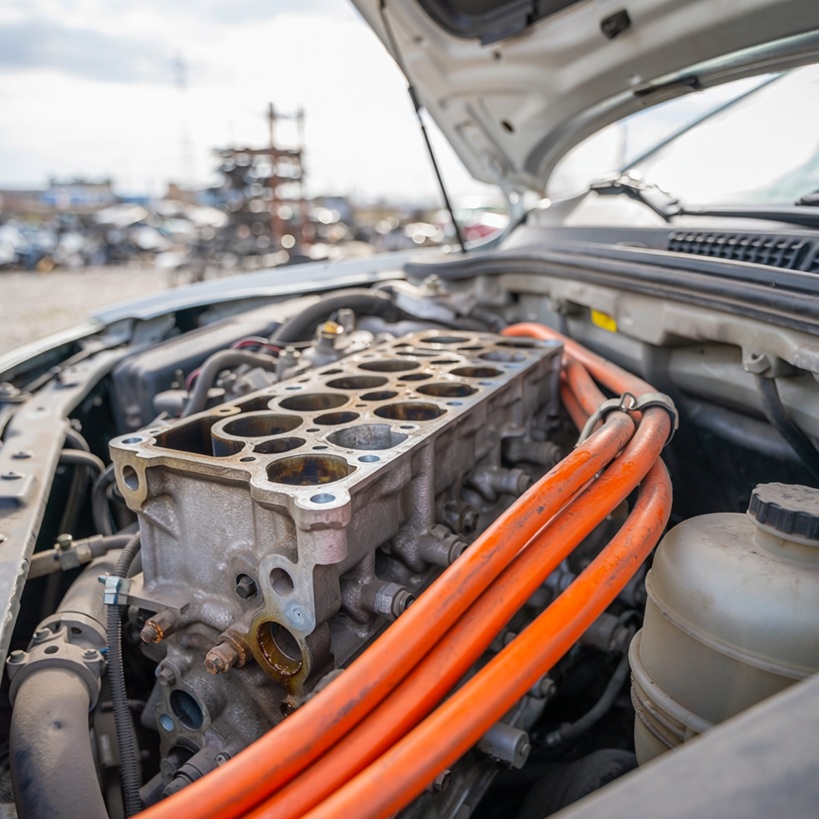
Engine Type and Scrap Value: Petrol vs Diesel vs Hybrid
22nd Jun, 2026
Watching your beloved car get towed away always brings a massive sting. It feels even worse when you suspect you are getting short-changed on the payout. You might naturally assume every rusty hatchback fetches the exact same flat rate at the local yard.
That basic assumption leaves hundreds of pounds sitting on the table. The simple truth is your engine type scrap value varies massively depending on what sits under the bonnet. A petrol, diesel, or hybrid setup changes absolutely everything for the recycling yard. Metal weights vary wildly between models, and regional demand shifts constantly.
However, your specific fuel system remains the biggest consistent factor. Each engine type contains completely different materials and recyclable parts that boost the final quote. I have spent decades stripping down motors in the workshop. I know exactly what buyers look for when they pop the hood. Let us break down exactly how your specific engine dictates your final payout.
Why Engine Type Matters When Scrapping Your Car
Scrap car values rely on much more than just the raw weight of the metal shell. The engine represents one of the most lucrative components in any vehicle. Different fuel types contain entirely different recoverable materials. Therefore, evaluating a car is never a simple calculation.
Here is a quick look at how the different engines stack up:
- Diesel Engines: These typically weigh much more than their petrol counterparts. They contain heavier blocks and components made from incredibly dense metals. This weight advantage translates directly to cash. Most Authorised Treatment Facilities calculate base prices using the total vehicle weight as their primary metric.
- Petrol Engines: These are noticeably lighter but still pack a punch. They often contain valuable aluminium components. These lightweight parts command premium recycling prices on the open market.
- Hybrid Vehicles: These present the most complex valuation scenario of all. They contain both a conventional engine and a complex electric motor system.
The materials in modern hybrid vehicles have significant value. However, the highly specialist extraction costs can sometimes offset your potential financial returns.
Petrol Engine Scrap Values: What To Expect
Petrol-powered vehicles remain the most common sight on UK roads today. They make up roughly sixty percent of our current national fleet. When these everyday cars reach the end of their life, their value depends on several specific mechanical factors.
The average petrol car weighs between 1,200 and 1,500 kilograms. With scrap metal prices UK wide fluctuating constantly, a typical petrol vehicle fetches a decent baseline sum purely on weight. That baseline figure applies before you even consider the specific component values hidden inside the engine bay.
Here is what gives petrol engines their added value:
- Aluminium Parts: Modern petrol engines contain increasing amounts of aluminium in their cylinder heads and blocks. Aluminium scrap commands significantly more cash than standard steel.
- Catalytic Converters: These exhaust parts contain rare metals that retain value regardless of the car’s overall condition. Performance vehicles carry particularly lucrative catalytic converters.
- Simpler Processing: Petrol cars tend to have simpler components that are much easier to process. This efficiency reduces the manual handling costs for the recycling yards.
This streamlined processing saves the yard time and money. That efficiency sometimes means you get much better offers when you get an instant quote to scrap any car online.
Diesel Engine Scrap Values: The Weight Advantage
Diesel vehicles consistently achieve higher scrap values than equivalent petrol models. This happens primarily due to their superior sheer weight. The difference is certainly not trivial in the scrap trade. Diesel engines can weigh up to twenty-five percent more than petrol versions of the exact same vehicle.
This extra weight comes from denser engine blocks and heavily reinforced internal components. Manufacturers design these tough parts to withstand much higher engine pressures. A heavy diesel car represents a noticeable boost in scrap value at current metal prices. You are literally selling more iron to the dealer.
Diesel exhausts also pack a hefty financial punch. Diesel catalytic converters and particulate filters contain much higher concentrations of valuable materials. The precious metal content in these exhaust systems can be worth a small fortune. The exact payout depends heavily on the vehicle’s age and the specific manufacturer.
Certain diesel components retain brilliant resale value even when the car is totally beyond repair. Turbochargers and high-pressure fuel pumps often find eager buyers in the used parts market. A functioning turbocharger from a popular diesel model might add a tidy sum to your overall return.
However, diesel vehicles manufactured after 2015 contain incredibly complex emissions control systems. These modern setups require highly specialist handling during the dismantling stage. Thankfully, the massive weight advantage usually balances out these extra processing costs.
Hybrid Vehicle Scrap Values: The Battery Question
Hybrid cars represent the fastest-growing segment of the modern scrap market. Their valuation is far more complex than conventional petrol or diesel vehicles. The key factor is whether the battery pack retains sufficient value to offset the additional processing costs.
A hybrid vehicle contains two completely separate power systems. You have a conventional petrol engine paired with an electric motor and a heavy battery pack. This dual system adds massive weight to the vehicle. Unfortunately, not all of that weight translates directly to straightforward scrap value.
A hybrid battery pack contains highly valuable materials like lithium, cobalt, and nickel. These rare elements are increasingly sought after by specialist recycling firms. A unit from a popular model can be worth hundreds of pounds depending on its condition and age.
But here is the major catch for hybrid owners. Not all scrap yards have the facilities or expertise to safely remove and process hybrid batteries. Those that do may charge handling fees that reduce your final payout. When you find out how to scrap your car easily through a reputable network, you ensure you deal with equipped professionals who won’t penalise you.
The conventional components in hybrid vehicles follow similar valuation patterns to standard petrol cars. Meanwhile, the electric motor contains copper windings and rare earth magnets that add a modest bonus. Hybrids from premium manufacturers often contain more sophisticated systems with much higher material values overall.
Material Composition: What Scrap Yards Actually Want
Understanding what materials scrap yards extract explains the massive value differences. It is not just about the heavy engine block itself. It is about absolutely everything that comes attached to it in the engine bay.
Here are the main materials buyers want:
- Ferrous metals: Steel and iron make up the vast majority of most vehicles. These are the least valuable materials overall. Diesel cars naturally contain more ferrous metal due to their heavier, chunkier construction.
- Non-ferrous metals: Aluminium parts like engine blocks fetch a much higher price per tonne. Copper from the wiring looms commands incredibly high rates. Brass and bronze fittings also add a surprisingly decent chunk of change.
- Battery metals: Lithium and cobalt prices vary wildly with global demand. Established recycling processes make these materials increasingly valuable.
Petrol engines increasingly use aluminium to improve efficiency. Older diesel engines traditionally favour solid iron blocks. However, modern diesel engines are incorporating much more aluminium to reduce weight. This specific design shift is slowly narrowing the valuation gap between the two fuel types.
The precious metal content in your exhaust system remains a massive wildcard. A typical catalytic converter contains just a few grams of these metals combined. Yet, that tiny amount is still worth a significant sum depending on the vehicle type and age.
Age And Condition: How They Affect Engine Type Values
A 2005 diesel saloon and a 2020 diesel saloon will never fetch the exact same scrap price. Age and physical condition create incredibly significant valuation differences across all engine types. You simply cannot compare apples to oranges in this trade.
Older vehicles generally contain much less sophisticated emissions equipment. This means they hold fewer valuable materials in their catalytic converters. However, they often have simpler engines with components that retain great resale value in the used parts market.
Newer vehicles contain highly advanced emissions systems with massive precious metal concentrations. Euro 6 diesel vehicles require far more rhodium and platinum to meet strict government emissions standards. This dramatically increases their converter values compared to older models.
Running condition adds minimal value at the scrap stage for petrol cars. Most of those internal components will be recycled rather than resold as working parts. If you are thinking you need to scrap my vehicle quickly, remember that the exact running condition matters far less than the raw metal weight.
For hybrid vehicles, the battery condition dramatically affects the final value. A heavily degraded hybrid battery pack might be worth very little, whilst a healthy one could fetch a premium. Poorly maintained vehicles do not necessarily lose scrap value, as the raw materials remain exactly the same.
Regional Variations In Scrap Values By Engine Type
Where you live heavily affects what you will receive for your old motor. These regional differences interact with your specific engine type in very interesting ways. Metal prices are globally influenced, but local demand for specific components creates massive pricing variations.
Urban areas with higher concentrations of Authorised Treatment Facilities tend to offer much more competitive prices. This happens purely due to intense market competition. If you use a nationwide service like the Scrap Car Network, you access a broad market that balances out these local dips perfectly.
Industrial regions with massive metal processing infrastructure often provide better base rates. Areas near major shipping ports or massive recycling centres benefit from incredibly low transportation costs. The buyers pass these savings directly on to you in the quote.
Diesel values show much less regional variation than complex hybrid values. Every single yard can process a standard diesel engine easily. However, not every facility has the expensive equipment or official certifications to safely handle hybrid battery packs.
In areas with extremely limited hybrid processing capability, you might receive offers that exclude the battery value entirely. Scotland and the North East historically show slightly lower scrap values overall due to transportation costs. However, comparing multiple quotes ensures you still get a great deal.
Getting The Best Price For Your Engine Type
Maximising your scrap car’s value requires a bit of clever strategy. Different engine types require slightly different approaches when you request a quote. Here is how to play your cards right:
- Provide accurate details: Always provide the highly accurate make, model, and year. Petrol car values vary significantly by the exact manufacturer and trim level.
- Highlight premium parts: Mention functioning turbochargers or expensive fuel systems if your diesel engine still runs perfectly. Note if the vehicle has a modern diesel particulate filter.
- Ask about hybrid handling: Ask specifically about battery processing capabilities before accepting any quotes for a hybrid. Provide the battery’s exact age and known condition if possible.
Always obtain multiple quotes before making a final decision. The difference between the highest and lowest offers for the same vehicle can easily exceed a hundred pounds. Using reliable vehicle disposal services helps you understand exactly what your motor is worth today.
Timing your sale matters immensely. The scrap metal prices UK wide fluctuate constantly with global commodity markets. Understanding how these external factors influence your payout helps you decide exactly when to strike for the best rate.
The Environmental Angle: Why Proper Recycling Matters
Beyond the financial returns, understanding how different engine types are recycled is vital. Not all scrap yards operate to the exact same high environmental standards. You want to ensure your car is handled responsibly.
Authorised Treatment Facilities must follow incredibly strict depollution procedures before crushing any vehicles. Depollution is the official term for safely draining toxic fluids. The exact process differs significantly between the various engine types.
Here is what gets drained and removed:
- Petrol engines: These require the careful removal of fuel, oil, coolant, and brake fluid.
- Diesel engines: These contain the exact same fluids plus special chemical additives in newer models.
- Hybrid vehicles: These add toxic battery coolant systems and incredibly high-voltage electrical components that require specialist handling.
The precious metals in catalytic converters are almost entirely recoverable. Platinum and palladium are extracted through complex chemical processes and returned to industrial use. This amazing scrap car recycling loop dramatically reduces the need for destructive, deep-earth mining.
Common Misconceptions About Engine Type And Scrap Value
Several stubborn myths persist about how your engine type affects your final scrap value. Clearing these up helps you set completely realistic expectations before you make that phone call. Let us bust some common garage myths:
- Myth: Hybrid cars are always worth more. Hybrids are only worth more when the battery retains genuine value and the facility can properly process it. Older hybrids with heavily degraded batteries often fetch similar prices to equivalent petrol models.
- Myth: Running cars always get significantly more money. At the scrap stage, whether the engine actually starts makes very little difference. You are selling raw materials, not a functioning vehicle.
- Myth: You should drain fluids yourself. Licensed facilities must perform the strict depollution process themselves by law. Attempting to drain fluids beforehand creates massive environmental hazards and does not increase your final payout.
Making Your Decision: Which Factors Matter Most
When your car finally reaches the end of its life, several factors determine its true scrap value. The engine type is highly significant, but it is just one piece of a much larger puzzle. You have to look at the whole picture to get a fair deal.
Weight remains the absolute primary determinant for most standard vehicles. A heavy diesel estate will almost always outvalue a light petrol hatchback, regardless of the other minor factors. The current scrap metal prices UK wide directly affect this baseline calculation every single day.
The precious metal content in your exhaust system can add substantial hidden value. This is particularly true for heavy diesel vehicles and certain premium petrol models. Vehicles manufactured between 2015 and 2020 often contain the highest concentrations due to tightening government standards.
The most effective approach combines understanding your specific vehicle with obtaining quotes from reputable facilities. Your engine type provides a solid baseline expectation. Booking a professional scrap car collection ensures you receive that fair market value without any logistical headaches.
How To Properly Notify The DVLA When Scrapping
Regardless of your engine type, legal compliance requires proper government notification when scrapping your vehicle. This strict process protects you from future liability and ensures the car is permanently removed from official records. You simply cannot ignore this step.
Here is how to do it right:
- Get your Certificate: When you scrap your car at an approved facility, you will receive a Certificate of Destruction within seven days. The facility automatically notifies the DVLA electronically.
- Keep the yellow section: You must still complete your specific part of the V5C logbook. Remove and keep the yellow section from your V5C logbook.
- Send the rest off: Send the rest of the document directly to the DVLA at the address shown on the form. This officially confirms you are no longer the registered keeper.
If you have lost your logbook, you can still scrap the car entirely legally. The facility will accept the vehicle and issue the certificate. You should then tell DVLA you’ve scrapped your car by using their online service or writing them a formal letter immediately. Failing to do this can result in automated parking fines and congestion charges.
Conclusion and Professional Advice
Your specific engine type genuinely affects your final scrap car values. However, it does not always work in the ways people expect. Heavy diesel vehicles consistently command premium prices due to their sheer weight advantage and highly valuable exhaust components. Petrol cars offer very solid, moderate returns, with values varying based on their aluminium content.
Hybrid vehicles present the most variable scenario of all. They are potentially very valuable if the battery is healthy and the chosen facility can process it properly. However, they might be worth little more than an equivalent petrol car if the battery is completely dead or damaged.
Understanding these mechanical differences helps you set completely realistic expectations. It also ensures you highlight the right features when negotiating your final price. Knowledge is absolute power when dealing with scrap buyers, and a little bit of research goes a very long way.
If you are ready to say goodbye to your old motor and want a fair, transparent price based on your exact engine type, reach out today. Feel free to contact us or call 01772 665 909 for friendly, professional advice. We will help you secure the best possible deal for your trusty old vehicle.