Does Keeping the Battery Affect Scrap Price?
22nd Jun, 2026
Saying goodbye to an old, worn-out motor always brings a mix of relief and frustration. Naturally, you want to squeeze every last penny out of the vehicle before the recovery truck arrives. The car battery usually becomes the very first target. After all, it sits right there under the bonnet and is easy to unbolt. It surely holds some decent cash value on its own, right?
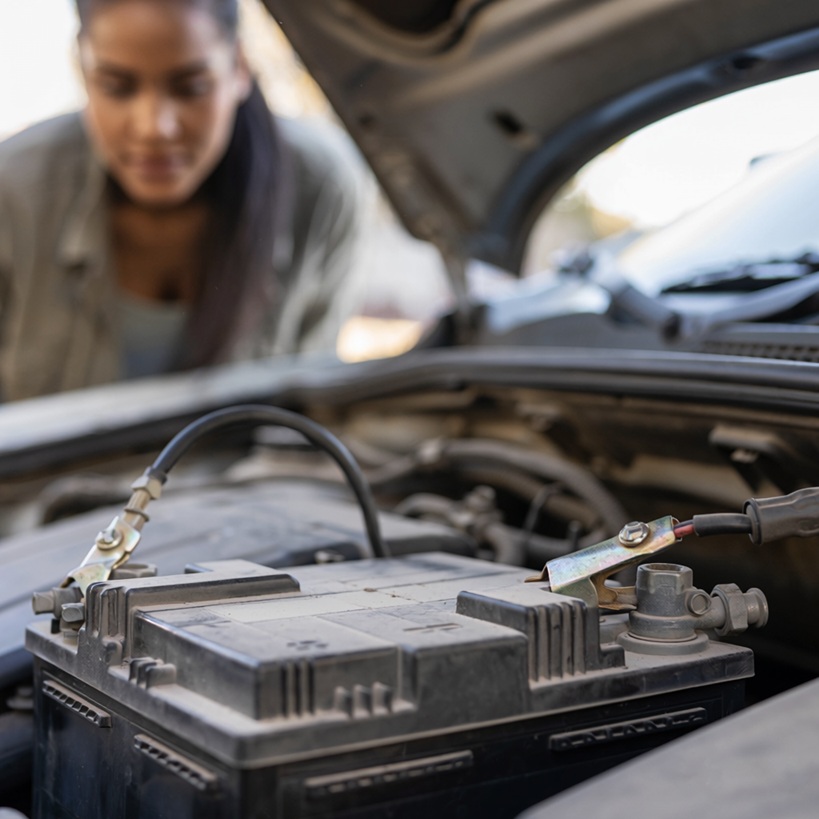
That instinct makes perfect sense. However, acting on it often turns into a costly mistake. Removing the battery usually drains money from your final payout instead of lining your pockets. Most professional buyers calculate the battery scrap value as part of a complete package. They have highly efficient systems for processing entire cars. When you start pulling components out, you disrupt their established workflow.
The battery contributes directly to the overall scrap car value they calculate. It certainly has independent worth. Still, that does not always translate to a better deal when you keep it separate. I have spent years in the workshop watching people lose twenty quid just to save a five-pound battery. Let us break down exactly how this frustrating situation actually works.
How Scrapyards Calculate Your Car’s Value
Professional facilities do not just pluck figures from thin air. They assess vehicles using several concrete factors to determine your final offer. Here is exactly what they look at:
- Metal weight: This forms the foundation of the quote. Recyclable materials like steel, aluminium, and copper get weighed and priced according to daily global commodity markets.
- Make, model, and age: Certain vehicles contain more valuable components than others. For example, a 2015 diesel estate carries different materials compared to a 2005 petrol hatchback.
- Precious metals: Catalytic converters contain rare metals like platinum and palladium. Their value fluctuates wildly based on international trading.
- Physical condition: A car rusting in a muddy field offers much less recoverable material than one driven last week. Fluids contaminate metals, and severe corrosion reduces usable steel.
When you get a quote, these factors combine to produce your offer. The battery sits within that equation, but it is just one piece of a much larger puzzle. Professional Authorised Treatment Facilities (ATFs) look for completeness. They want to know the car they collect is the same car that left the factory, minus the usual wear and tear.
The Real Value of a Car Battery
A standard lead-acid battery usually weighs between 10kg and 15kg. Lead trades as a commodity on the open market. Therefore, scrap batteries typically fetch around £5 to £15 depending on the size, type, and current rates. That is certainly not nothing. However, it is also not the massive windfall some people imagine when they reach for their spanners.
Newer vehicles might use advanced AGM or EFB technology. These units cost a pretty penny to buy new, sometimes reaching £250. Yet, their scrap value does not increase proportionally with the retail price. You will still get roughly the same small amount at a scrap metal dealer. This is because it is the lead content that matters to them, not the advanced technology inside the plastic casing.
If your battery still holds a brilliant charge, you might sell it privately. You could squeeze a few extra pounds from someone needing a cheap replacement. But that requires advertising the part, storing it safely, meeting potential buyers, and dealing with no-shows. Most people find it is more hassle than it is worth for the price of a couple of pints.
Retailers sometimes offer core charges. This is basically a deposit refund when you return an old battery whilst buying a new one. This typically ranges from £5 to £10. The critical point is simple. Whilst a battery has standalone worth, removing it from your scrap car does not automatically mean you will pocket that value on top of your scrap price.
Why Removing the Battery Usually Reduces Your Scrap Price
Professional yards quote prices for complete vehicles. When you remove the battery, you are delivering an incomplete car. This change in status often triggers a price reduction that is larger than the value of the part you kept. Think of it like trying to sell a remote control but keeping the batteries. The next person can’t test it easily, and they have to spend money to make it work again.
When you are looking to scrap my vehicle, you will find that professional scrapyards operate systematically. Here is why removing the battery hurts your payout:
- It disrupts their workflow: Facilities follow a strict depollution process. They drain fluids, remove batteries, and extract catalytic converters in a specific sequence. Their specialised equipment and trained staff do this incredibly efficiently. If you have already pulled the battery, you have only saved them perhaps three minutes of work. That is hardly enough to justify maintaining the same price for the car.
- It reduces the overall weight: Scrap metal prices are calculated per tonne. A typical family car weighs about 1,200kg, so a battery represents roughly 1 percent of the total mass. By taking it away, you are literally giving them less product to sell.
- It triggers missing parts deductions: Some yards apply a specific deduction for missing components. This might be a flat £20 reduction, or they might knock off a percentage of the total offer.
Either way, you are often losing more from the final scrap price than you would gain by selling the battery at a local metal dealer. It is a classic case of being penny wise and pound foolish.
When Keeping the Battery Makes Financial Sense
Despite my general advice to leave it in, keeping the battery genuinely makes sense in a few specific scenarios. Here is when you should reach for the spanners:
- Recent replacements: If you recently installed a brand-new lead-acid battery and the car failed for unrelated reasons, keep it. That nearly new battery might be worth £60 or more on the private market.
- Personal reuse: Someone with another vehicle can often reuse the battery themselves. If you have a second car, a caravan, or garden machinery that uses a similar battery, keeping it as a spare is a practical move.
- Classic car needs: Classic car owners often hunt for specific battery types that are hard to find in modern shops. Vintage motors sometimes need particular dimensions or terminal configurations. Specialist forums might pay significantly more than the basic scrap value for these.
I remember a neighbour who spent a fortune on a heavy-duty battery for his old Land Rover. Weeks later, the chassis snapped. He kept that battery for his next project and replaced it with a dead one from his shed before the scrap man arrived. As long as there is a battery in the car, most collection drivers won’t bat an eyelid. It is the empty hole in the engine bay that causes the price to drop.
What Happens to Your Battery at an ATF
Understanding the depollution process explains why these facilities want the battery included in the sale. Within the first stage of vehicle processing, trained technicians systematically remove hazardous materials. Batteries are at the top of that list because they contain lead and sulphuric acid. Both of these substances require very careful handling to avoid injury or environmental damage.
First, the battery gets disconnected and extracted using proper safety equipment. It is then stored in designated, acid-proof containers that prevent leaks and lead contamination. Eventually, these containers go to specialist battery recycling facilities where the units are broken down into their component parts.
Modern recycling recovers approximately 95 to 99 percent of the lead. This metal gets smelted down and reused to make brand-new batteries. The plastic casing is shredded, washed, and turned into tiny pellets for manufacturing other plastic goods. Even the sulphuric acid gets neutralised and converted into sodium sulphate for things like laundry detergents or fertilisers.
This circular economy works most efficiently when batteries arrive as part of complete vehicles. Authorised Treatment Facilities process dozens or hundreds of cars weekly. When random batteries arrive separately, they disrupt that flow and create additional administrative work. To see how this fits into the bigger picture, it is well worth taking a minute to explore scrap car recycling in more detail.
How to Maximise Your Scrap Car Value Instead
Rather than focusing on individual bits like the battery, you should look at the complete picture. Getting the top scrap car value involves several factors you can actually control without ever picking up a spanner. Here is how to be smart with your timing and your information:
- Watch your timing: Scrap metal prices fluctuate based on global demand. If you are not in a massive rush, check a reliable guide to understand the current market trends. However, don’t wait forever. A car deteriorating in the rain loses value through rust and seized parts.
- Compare multiple quotes: Different yards offer varying prices based on their current stock levels and regional demand. Comparing three to five quotes can reveal a surprisingly large price spread.
- Be completely transparent: When requesting quotes, be honest about the vehicle’s condition. Tell them if it starts, if there is major body damage, or if any major components are missing.
Surprises on the collection day often lead to awkward negotiations and reduced offers. Being upfront gets you an accurate quote and ensures the driver has the right equipment. The Scrap Car Network makes this easy by matching your details with the best local buyers automatically. Comparing quotes is truly the best way to make an extra fifty quid without any physical labour.
The Legal Requirements You Can’t Ignore
Scrapping a vehicle is not just a simple cash transaction. It is a legal process with very specific requirements that protect you from future liability. Failing to follow the rules can result in automated fines and continued legal responsibility for the vehicle. That is a headache nobody needs. Here is what you must do:
- Notify the DVLA immediately: You must inform the DVLA the moment you scrap or sell your car.
- Get your Certificate of Destruction: When you use professional vehicle disposal services, you must receive a Certificate of Destruction (CoD) within seven days. This official document proves the car has been destroyed. It releases you from all legal responsibility. Without it, you could face penalties for an untaxed vehicle.
- Follow waste battery rules: Waste battery regulations specifically prohibit disposing of an old lead-acid battery in your normal household waste.
If you decide to remove the battery yourself, you become legally responsible for taking it to a designated collection point. Leaving it in the car when you scrap it automatically fulfils this legal obligation. It literally saves you a trip to the local recycling centre.
Regional Variations in Scrap Car Pricing
Where you are located in the UK has a massive influence on what you will get for your scrap car. This includes how batteries and other components factor into the final price. When you want to find out how to scrap your car easily, you must remember that your specific postcode plays a major role in the final offer.
For instance, London and the South East typically see higher prices. This is due to the massive demand and the better infrastructure for the depollution process and exporting recycled materials. If you live in a busy city, you will often find quotes that are noticeably higher than in more rural areas. There are also more operators competing for your business. A bigger market usually means a better deal for the consumer if you are willing to shop around.
In other areas, the market operates a bit differently. If you are up north or deep in the countryside, collection logistics and transport distances to major processing hubs play a big role. The cost of diesel for the recovery truck has to come out of the final payout somehow. The key takeaway is that regional pricing differences usually dwarf any tiny gain you might get from removing the battery.
Common Myths About Scrap Car Components
You will hear plenty of bad advice down at the pub about stripping cars before they go to the yard. Most of it is outdated or just plain wrong. Here are the most common myths you should ignore:
- Myth: Catalytic converters should always be removed. In reality, the rise in theft has made legitimate buyers extremely cautious. Selling one without proof of ownership raises immediate red flags. You will struggle to get a fair price and might face some very awkward questions.
- Myth: Scrapyards get batteries for free, so they don’t pay for them. This is nonsense. Reputable services factor the battery scrap value into their quotes because they know exactly what they will recover from the recycling process. They are offering a price that reflects the total value of the car.
- Myth: A brand-new battery doubles the car’s value. A new battery might add a small premium if you mention it during the quote. However, it is never going to change the overall category of the vehicle.
The “strip everything valuable” mentality made sense thirty years ago when scrapyards paid purely by weight. Today, modern systems are much more sophisticated and rely on complete vehicles.
Making Your Decision
Before you pick up the spanners, it is always wise to get an instant quote to scrap any car. This gives you a true baseline for your vehicle’s worth. So, does keeping the battery affect the final offer? Yes, it absolutely does. However, it probably doesn’t work in the way you were hoping.
Removing the battery typically reduces the offer for the complete vehicle by more than the £10 you might get at a metal dealer. It is a lot of effort for a negative return. The numbers tell a very clear story. If a complete car fetches £250, removing the battery might drop that offer to £230. If you then sell the battery separately for £12, you have made £242 total. You are now £8 worse off than if you had just left it alone. Plus, you have spent your afternoon wrestling with rusty battery terminals and driving to a metal yard.
There is no clever trick or insider knowledge that changes this basic math. Professional Authorised Treatment Facilities want complete vehicles because that is what their high-speed systems are designed to process. Fighting against that system almost always costs the owner money in the long run.
Leave the battery in place unless you have a very specific reason to keep it. Unless it is a high-value unit for a rare car or you need it for another vehicle you own, it should stay exactly where the manufacturer put it. For the vast majority of us, the battery stays under the bonnet until the recovery truck arrives.
Summary and Professional Advice
Focus your energy on getting competitive quotes from licensed facilities instead of worrying about individual parts. Providing accurate information and ensuring all your legal requirements are met will influence your final payout far more than the presence of a single battery.
When you are ready to get the job done properly, arranging a scrap car collection handles the heavy lifting safely and legally. The professionals handle everything from the evaluation to the final DVLA notification. You will get a fair price for your complete vehicle and the peace of mind that comes with an official Certificate of Destruction.
The best scrap car decision is not about trying to maximise every tiny individual component. It is about getting a fair, transparent price for the whole vehicle whilst ensuring you are legally protected. If you need a bit of friendly advice or a no-obligation quote, feel free to contact us or call 01772 665 909 for some honest, straightforward guidance. We are always happy to help you navigate the process and ensure your old car gets the proper send-off it deserves.