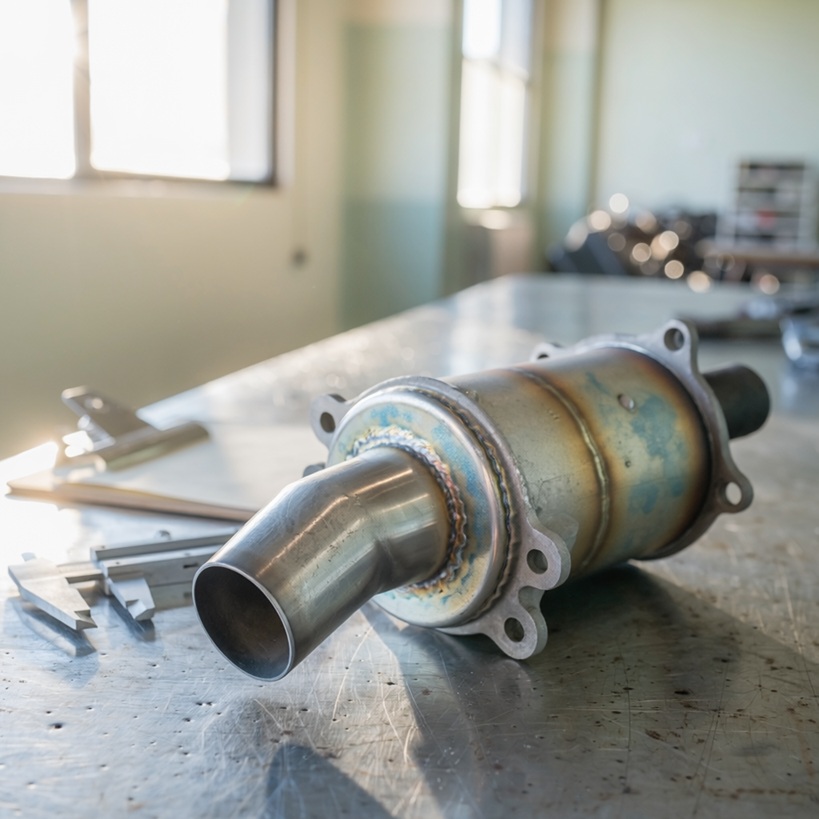
Catalytic Converter Value: How Much Does It Add To Scrap Price?
22nd Jun, 2026
Catalytic converters contain precious metals worth more per ounce than gold. That small, often overlooked component tucked beneath your car holds platinum, palladium, and rhodium. These are materials that can significantly boost what you receive when you finally decide it is time to move your vehicle on. Understanding the catalytic converter value isn’t just for us grease-monkeys in the workshop; it is essential knowledge for any car owner who wants a fair deal.
The value varies wildly depending on your car’s make, model, and age. A converter from a 2005 Honda Accord might fetch £80 to £150, whilst one from a Toyota Prius could be worth £400 to £800. Understanding this difference helps you know whether you are getting a fair price when you scrap your car. I have spent more than a decade helping folks understand what is going on under their bonnets, and I can tell you that this little box is the most misunderstood part of the whole motor.
What Makes Catalytic Converters Valuable?
These emissions control devices do not just reduce harmful gases. They are essentially miniature treasure chests of rare metals. The catalytic converter’s primary job is to transform toxic exhaust fumes into less harmful emissions before they leave your tailpipe and enter the atmosphere. To do this, manufacturers coat ceramic honeycomb structures inside the converter with a specific family of materials.
These are known as platinum group metals, or PGMs for short. These metals act as catalysts, which means they trigger chemical reactions that break down carbon monoxide, nitrogen oxides, and unburned hydrocarbons without being consumed themselves. Think of them like a high-end chef’s knife. The knife helps prepare a thousand meals, but the knife itself stays in the kitchen. Because these platinum group metals do not get used up in the process, they retain their incredible value even in old, worn-out cars that have done two hundred thousand miles.
The three main metals you will find inside are platinum, palladium, and rhodium. Platinum is used primarily in diesel engines, whilst palladium is more common in petrol vehicles. Rhodium is the real superstar here. It is the rarest and most valuable of the lot, sometimes exceeding £4,000 per ounce during peak demand. These aren’t just expensive; they are genuinely scarce. Most rhodium comes from a single country, and mining new supplies is costly and environmentally damaging. Recycling converters from scrap cars has become a crucial source of these materials for the global industry.
How Much Precious Metal Is Actually Inside?
The amount of metal varies considerably between different cars, but a typical unit contains between three and seven grams of precious metals combined. That might sound tiny to you, but when you are dealing with materials worth thousands per ounce, those few grams add up quickly. It is the difference between a payout that covers a nice dinner and one that pays for a whole new set of tyres.
Standard petrol cars usually contain two to six grams of platinum and palladium combined, with just trace amounts of rhodium. These converters typically add £60 to £120 to your scrap car’s value. Diesel vehicles often have higher platinum content, usually four to nine grams, because platinum works better for diesel emissions. Expect these to contribute £80 to £150 to your final scrap price.
However, the real champions of value are hybrid vehicles. A hybrid car catalytic converter can contain significantly more precious metals because the petrol engine runs less frequently and at lower temperatures. This means the converter experiences less “poisoning” from oil additives and less thermal degradation. These units are often the reason a scrap quote jumps up by several hundred pounds unexpectedly.
Why Catalytic Converter Theft Has Skyrocketed
You have probably heard stories in the news about cars being jacked up in driveways and their exhausts sawn off in minutes. This isn’t just some urban legend. It is a genuine epidemic driven entirely by the value of those metals I mentioned earlier. Thieves target specific models known for having the highest metal loading.
The Toyota Prius tops the list, followed by the Honda Jazz and Lexus hybrids. These vehicles combine high precious metal content with easy access. Many of them sit high enough that a thief doesn’t even need to jack them up to slide under with a battery-powered saw. The theft takes less than three minutes, and the stolen part then enters a murky black market where dodgy dealers pay cash with few questions asked.
Think of a catalytic converter like a designer watch hidden inside a standard toolbox. To the casual observer, it is just an old box of tools. But to someone who knows what is inside, it is the most valuable thing on the property. Recent legislation has tightened controls in the UK, meaning scrap metal dealers must verify identities and pay via traceable methods. This helps, but the black market persists because the profit margins are simply enormous.
How Scrap Yards Calculate Catalytic Converter Value
When you bring your car to be scrapped, a reputable yard doesn’t simply weigh the converter and multiply it by a fixed rate. The calculation is much more nuanced. Different years of the same model can have different ceramic densities and metal coatings. Most professional facilities use one of two main methods to give you an accurate number.
The first is a reference catalogue. These are massive databases that list thousands of converter types by vehicle make, model, and year. Each entry shows the typical metal content based on laboratory analysis of sample units. The yard identifies your specific part, checks current metal prices, and calculates the value accordingly.
The second, more advanced method is XRF analysis. This stands for X-ray fluorescence. More sophisticated facilities use handheld XRF analysis scanners that shoot an X-ray into the honeycomb to determine the exact percentages of platinum, palladium, and rhodium without destroying the unit. This gives you a precise reading and ensures you aren’t being lowballed.
If you are worried about whether you are getting a square deal, using a trusted network like the Scrap Car Network is your best bet. We work with partners who use these advanced valuation techniques to ensure that the quote you receive factors in every penny of that component’s worth. Our partners understand that a hybrid car catalytic converter is worth its weight in silver, and they price accordingly.
Which Cars Have The Most Valuable Converters?
Not all converters are created equal. If you are curious whether your car’s exhaust adds significant value, here is what generally commands the top prices in my experience. Hybrid vehicles dominate the high-value category for the reasons we discussed earlier. A hybrid car catalytic converter from a mid-2000s Toyota can be worth more than the rest of the car combined.
Luxury German cars often surprise people too. A BMW X5 or a Mercedes ML-Class from the mid-2000s might have converters worth £200 to £400. These manufacturers used generous amounts of platinum group metals to ensure emissions compliance whilst maintaining high-performance standards. Large SUVs and American-style trucks also have bigger converters to handle the volume of air from their massive engines.
Standard family cars like the Ford Focus or Volkswagen Golf sit at the lower end. They typically add £60 to £120 through their catalytic converter. Whilst it is still a decent chunk of change, it isn’t going to make you rich. Older vehicles from before the 1990s often have less valuable converters because emissions standards were less stringent back then, so manufacturers used less of the expensive stuff.
The Environmental Angle: Why Recycling Matters
Mining new platinum, palladium, and rhodium causes serious environmental damage. Extracting these metals requires deep mining operations, often in South Africa and Russia. These mines disturb entire ecosystems and consume an enormous amount of energy and water. Recycling catalytic converters from scrap vehicles provides a sustainable alternative that is far less harmful to the planet.
For every tonne of platinum group metals recovered from recycling, mining companies can reduce new extraction by the same amount. The scrap car recycling process at proper facilities ensures these components do not end up in landfills where they would waste valuable resources and potentially leak heavy metals into the ground.
This is a “closed-loop” system that benefits everyone. You receive fair compensation for your old motor, manufacturers access recycled materials for new cars, and the environment avoids unnecessary mining operations. It is one of the automotive industry’s genuine success stories. When you choose to scrap your vehicle through legitimate channels rather than dodgy cash-in-hand operations, you are participating in this responsible system.
How To Ensure You Are Getting Fair Value
Some car owners worry they are being short-changed on their valuation. I have seen it happen more than once where a dealer gives a flat price and hopes the owner doesn’t know about the treasure underneath. To protect yourself, you should always get multiple quotes. Different yards have different processing capabilities and current inventory needs.
Comparing quotes ensures you aren’t leaving money on the table. You should also know your car’s specifics. When you get an instant quote to scrap any car online, provide the exact make, model, and engine type. A 2008 Honda Accord with a small engine has a different converter than the V6 version, and the value reflects that.
Be very wary of anyone who suggests removing the catalytic converter to sell separately before scrapping the rest of the car. This is usually a terrible idea for the average owner. You will likely get less overall because the scrapper will penalise you for a “non-complete” vehicle. Plus, you might create legal complications around removing emissions equipment if the car is still technically on the road.
What Happens To Your Converter After Scrapping?
Once your vehicle arrives at the scrapyard, trained technicians remove the catalytic converter with a specialized cutter. The unit then begins a journey to a specialized refinery. These aren’t your typical oily scrap yards; they are sophisticated chemical plants equipped with labs and refining equipment.
The outer metal shell is cut away to expose the ceramic honeycomb core. This core is then crushed into a fine powder through industrial milling equipment. Sophisticated chemical processes then separate the platinum group metals from the ceramic material. This involves dissolving the powder in acids and refining the metals to high purity levels.
The result is pure platinum, palladium, and rhodium ready for reuse. These recovered metals return to manufacturers who use them to produce new parts or even high-end electronics. The entire cycle, from your old car to refined metal to new products, typically takes about six to twelve weeks. It is a brilliant example of how we can turn waste into something genuinely valuable again.
Understanding Scrap Car Prices Beyond The Converter
Whilst catalytic converters add significant value, they are just one component in your car’s total scrap price. Understanding the complete picture helps you know whether you are receiving a fair offer. The bulk of most scrap car values comes from the sheer weight of the steel and iron in the body and frame. Larger, heavier vehicles naturally fetch more cash.
The engine and transmission also contain valuable aluminium and steel. A complete, non-seized engine adds more value than one that has been partially dismantled or damaged in an accident. Other components like batteries, alloy wheels, radiators, and copper wiring all contain valuable materials that are factored into the final price.
Current market conditions play a massive role too. Scrap metal prices fluctuate based on global demand for construction and manufacturing. When the economy is booming, prices rise. During a downturn, they can fall. If you want to scrap my vehicle for the best price, you need to use a service that tracks these market movements in real-time.
Legal Requirements When Scrapping Your Car
Properly scrapping your vehicle involves more than just handing over the keys and walking away with a wad of cash. You have legal obligations, particularly around notifying the authorities. When you use a licensed facility, you will receive a Certificate of Destruction. This is your proof that the car has been properly recycled and removes it from the government database.
You must also complete the relevant section of your V5C registration document and send it to the DVLA. If you don’t do this, you might find yourself receiving penalty notices for a vehicle you no longer own. For detailed instructions, you can check our guide on how to tell the DVLA when you sell or scrap your car. It is a simple process, but getting it wrong can lead to a lot of stress and potential fines.
Licensed facilities follow strict environmental regulations and legal requirements, ensuring you receive proper documentation and fair pricing. Working with a professional service means you don’t have to worry about the “dodgy” side of the industry. You get a clean break from your old car and the peace of mind that it is being handled correctly.
Making The Decision To Scrap
Sometimes the catalytic converter is the most valuable part of an old car. If you are facing expensive repairs on a vehicle that is barely roadworthy, the combined value of the scrap metal and the converter might exceed what you would spend keeping it running. I often tell my customers that if the repair bill is more than the car is worth, it is time to say goodbye.
Consider scrapping when the repair costs exceed the car’s market value or when you have a failed MOT with multiple expensive issues. A car that sits unused on your driveway is just a depreciating asset that is costing you insurance and road tax for nothing. Rather than letting it gather dust, convert it to cash whilst those precious metals underneath still hold their value.
The process is straightforward when you work with reputable services. You will receive a fair quote that factors in every gram of metal, arrange a free collection at a time that suits you, and receive payment directly into your bank account. It is the most efficient way to deal with an unwanted vehicle without the headache of private sales or tyre-kickers.
Conclusion
Your catalytic converter isn’t just an emissions control device. It is a repository of platinum group metals that can add anywhere from £60 to £800 to your scrap car’s value. The exact amount depends on your vehicle’s make, model, and age, with hybrid models often commanding the highest premium. Understanding this value helps you recognize whether you are receiving a fair price during the disposal process.
Refineries and recycling centres use advanced techniques like XRF analysis to ensure that every bit of metal is accounted for. This doesn’t just benefit your wallet; it provides a sustainable source of platinum and palladium that reduces our reliance on environmentally damaging mining operations. When you scrap your car through legitimate channels, you are helping to build a circular economy that protects both the environment and your bank balance.
If you are ready to move your vehicle on and want to ensure you receive the best value for every component, feel free to contact us or call 01772 665 909 for a no-obligation quote. We will connect you with licensed facilities that offer transparent pricing and free collection across the UK. Don’t let your old car sit and rot when there is a treasure chest waiting to be opened underneath it.