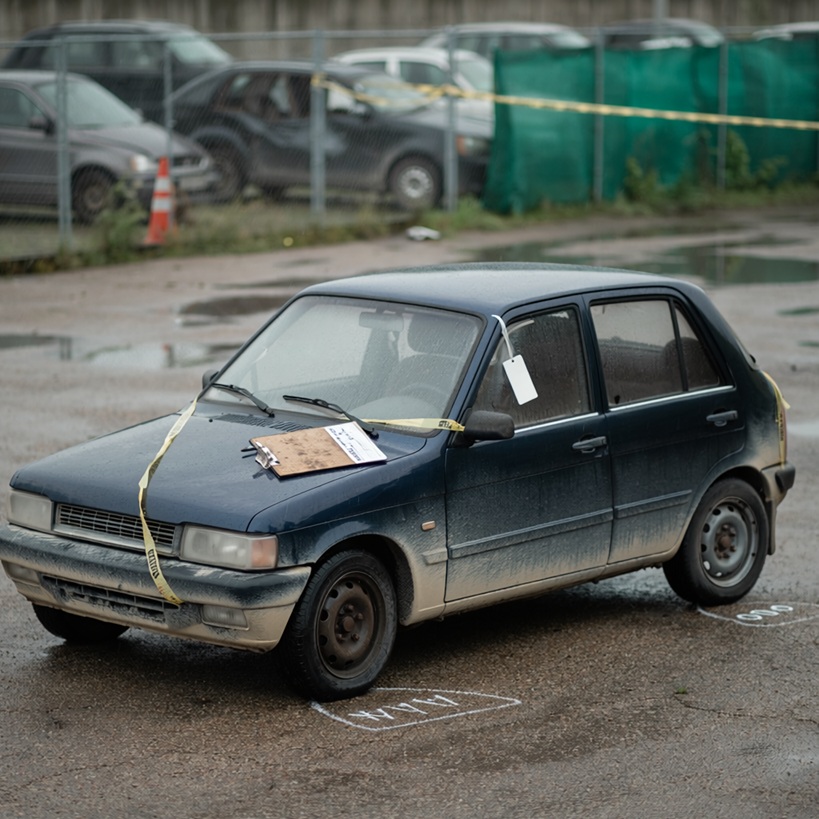
Stolen and Recovered Category S: Scrap or Repair?
18th Jun, 2026
Getting the dreaded phone call from the police about your nicked car is rough. Finding out your recovered vehicle carries a stolen category S marker feels like an absolute kick in the teeth. First, some criminal took your pride and joy. Now, you are stuck with a car that the insurance company has officially written off. It now carries permanent, unavoidable insurance baggage that follows it forever.
The decision between scrapping the shell and attempting a repair is rarely straightforward. A stolen category S classification means the damage was heavily structural but technically repairable. We are talking about bent chassis rails, twisted suspension mounts, or totally compromised crumple zones. Unlike the more severe write-off categories that legally mandate the car must be crushed, your car can technically return to the road. But should it?
This difficult choice hinges on massive repair costs, future resale value, strict safety standards, and your personal tolerance for stress. You need to decide if you are truly prepared for the endless headaches that come with owning a previously damaged vehicle. Let’s break down what actually matters when weighing up your options so you can make a smart, unemotional decision.
What Category S Actually Means For Stolen Cars
When your insurers classify a recovered vehicle as Category S, they are making a cold financial calculation. They are stating that the professional repair costs would heavily exceed the car’s pre-theft market value. The ‘S’ officially stands for structural damage. This is the incredibly serious stuff that directly affects the core integrity of the vehicle.
Theft-related structural damage usually happens because thieves treat cars with zero respect. They cause massive forced entry damage to door frames, roof pillars, or structural window sections. Joyriders frequently cause severe subframe damage from high-speed kerb strikes or rough handling over speed bumps. Violent crashes during a police pursuit can completely distort the main unibody.
The critical point here is that your insurers have already paid out your main settlement. They have written off the vehicle financially, even though it might look somewhat repairable to the untrained eye. Your recovered car now exists in a very strange legal limbo. It is perfectly legal to fix and drive, but it is permanently marked on databases like HPI. That nasty marker will scare off future buyers for the rest of the car’s natural life.
The True Cost Of Repairing Category S Damage
Getting completely accurate repair estimates separates wishful thinking from harsh reality. A proper assessment requires dragging the car to a highly qualified body shop. They need to put it on a ramp to evaluate the hidden structural integrity, not just quote you for the scraped bumper and the smashed side window.
Proper structural repairs are never cheap. You must expect massive costs right out of the gate. Precision chassis straightening or rail replacement can easily run between £2,000 and £5,000 depending on the vehicle size. Replacing the heavy suspension components adds another £800 to £2,500. Complex welding and specialist metalwork usually costs somewhere between £1,500 and £4,000.
Many standard high-street repair shops will completely refuse to touch Category S work. It carries too much liability for them. The specialist shops that do take it on often require massive cash payments upfront because they are not dealing directly with an insurance company. You are also entirely on the hook for sourcing genuine parts. Using cheap aftermarket metal is a recipe for a failed MOT.
Insurance Complications Nobody Mentions
Here is the nasty surprise that always catches people totally off guard. Getting affordable insurance for a repaired vehicle ranges from incredibly difficult to practically impossible. Mainstream providers absolutely despise the risk associated with these cars.
Most high-street insurers will simply refuse to cover the vehicle outright. This is particularly common with theft-recovered vehicles because statistics show they are heavily targeted again. The insurers that do offer a quote will typically charge premiums massively higher than standard market rates. They might even explicitly exclude theft coverage entirely.
Specialist insurance brokers certainly exist, but they heavily price in the perceived risk. You are usually looking at modified or high-risk policies with massive excess fees. Some of these companies point-blank refuse to cover any drivers under the age of thirty. Others will strictly cap your annual mileage at a mere 5,000 miles to limit their road exposure.
Safety Concerns With Structural Repairs
This specific point matters infinitely more than the money. Structural damage fundamentally affects how a car protects the occupants during a high-speed crash. Modern crumple zones are highly engineered weak points designed to absorb massive impact energy. They absolutely do not work properly once they have been compromised and repaired.
Think of a car’s chassis like an empty aluminium drinks can. If you crush that can slightly, you can probably pop it back into shape with your fingers so it looks normal again. But that can is fundamentally weakened at the microscopic level. If you press down on it a second time, it folds instantly exactly where the original crease was. Your car’s structural frame works exactly the same way during a collision.
Even highly professional repairs cannot guarantee the original factory safety performance. Modern vehicles use ultra-high-strength steel in very specific crash zones. Welding or mechanically straightening these sections completely changes their underlying metallurgical properties. The metal might look perfectly straight under a fresh coat of paint, but it will behave entirely differently under severe stress.
When Scrapping Makes More Sense
For the vast majority of theft recoveries, scrapping your car delivers significantly better outcomes than attempting a stressful repair. Scrapping makes immediate financial sense when the repair costs exceed 60 percent of the car’s original pre-theft value. It is also the smartest move if the vehicle is over ten years old, as you simply get massively diminished returns.
I remember a young lad named Tom who brought in a stolen and recovered Fiesta a few years back. It had a Category S marker from a badly twisted subframe after joyriders hit a traffic island. He totally ignored my advice, poured three grand of his savings into fixing it up, and genuinely thought he had beaten the system. Six months later, he tried to sell it to buy a house deposit, and absolutely nobody would touch it. He lost an absolute fortune.
You will also want to seriously consider disposal if the vehicle shows obvious signs of severe mechanical abuse. Seized engines from redlining the gears, stripped interior parts, cut wiring looms, or missing catalytic converters add massive hidden costs. If you want to avoid these nightmares, you can easily scrap my vehicle through a trusted buyer network and walk away with cash in your bank account today.
The Repair Route: What It Actually Takes
If you are absolutely committed to repairing the vehicle against all advice, please do not cut any corners. Half-measures on structural work create incredibly dangerous vehicles that fail MOTs instantly. You have to do this entirely by the book.
You must start the process with a highly qualified structural engineer’s report. This usually costs between £300 and £600 just for the paperwork. It identifies exactly what needs fixing and whether the repairs can genuinely restore the vehicle to safe road standards. Some specific damage patterns make vehicles totally unsafe to repair regardless of cash.
You must only use specialist repair shops that possess professional jig equipment for laser chassis alignment. They must be willing to provide a rock-solid written warranty on the structural work for a minimum of twelve months. Once the car is fixed, you still have to pay for an independent engineer to formally certify the work before it goes back on the road.
Selling A Repaired Category S Car
Total transparency is not an optional courtesy when selling these cars. It is legally required. The Consumer Rights Act 2015 firmly mandates the full disclosure of a vehicle’s Category S status to any prospective buyers. Hiding this information deliberately constitutes criminal fraud.
You must expect some very harsh market realities. Private buyers actively avoid Category S vehicles like the plague. Main dealerships will usually offer you 50 percent below the standard market value if they even agree to take it as a part-exchange. Selling these cars usually takes three to six months longer than a clean-title vehicle.
If you are tired of dealing with tyre-kickers who want your repaired car for pennies, you can simply get an instant quote to scrap any car online and avoid the entire stressful private sales process. Buyers appreciate total transparency, but the vast majority will still walk away the second you mention structural damage.
Regional Considerations For Scrapping
Scrap metal prices and salvage values vary quite heavily depending on your specific home region. This is mostly due to basic transport logistics, local parts demand, and your physical proximity to massive metal processing facilities. Cars scrapped near major shipping ports in areas like Teesside often fetch slightly higher prices.
Rural areas sometimes see much lower initial quotes. The expensive diesel costs for the heavy recovery truck eat massively into the buyer’s profit margins. A smashed car sitting in central Manchester might easily get £50 more than an identical vehicle abandoned in a rural village purely due to basic haulage logistics.
However, utilizing a massive national network becomes incredibly critical for balancing these costs. Booking a proper scrap car collection through a nationwide service often evens out these collection routes perfectly. This essentially makes your specific home location far less relevant to the final cash price you receive.
DVLA Notification Requirements
Whether you foolishly repair the car or sensibly scrap it, you must formally notify the DVLA about your vehicle’s status. Following the exact DVLA notification process is not an optional administrative step. It is a strict legal requirement that protects you from massive future liabilities.
For the scrapping route, you need to carefully complete section 9 of your V5C logbook, which is the specific yellow section for selling or transferring a vehicle. You then post this section directly to the DVLA in Swansea or complete the entire process easily online. The facility handling your vehicle should always provide you with an official Certificate of Destruction within seven days.
Failing to follow the rules carries severe financial penalties of up to £1,000. You will also remain completely liable for road tax and any criminal offences committed with the vehicle. If you want to avoid this paperwork nightmare, you can easily scrap my car using a service that guides you through all the legal notifications.
The Environmental Angle
Choosing exactly where to dispose of your write-off is not just about squeezing out the best price. Proper, legally compliant car recycling matters immensely to our local environment. You must ensure your car goes to a fully legitimate Authorised Treatment Facility.
These highly regulated facilities must completely depollute damaged vehicles before crushing them into cubes. They carefully drain and remove toxic engine oil, highly flammable fuel, corrosive brake fluid, explosive airbags, and dangerous air conditioning refrigerants. This intricate process ensures that highly dangerous chemicals do not seep directly into the local soil.
If you care about sustainability, professional car scrapping ensures modern facilities recover an incredible 85 to 95 percent of a vehicle’s materials. Steel, aluminium, and precious metals from the catalytic converter are all melted down and reused in new manufacturing. Unlicensed operators happily skip these expensive steps, potentially leaving you legally liable for the environmental cleanup costs if they get caught.
Making Your Decision: A Practical Framework
Getting the best outcome for a stolen Category S car comes down to stripping away the heavy emotion and looking at the cold facts. First, identify exactly what the repair costs are by getting three written quotes from structural specialists. Second, check the sold prices for similar Category S models online so you understand your realistic post-repair value.
Next, you need to ring your insurance broker immediately to check post-repair premiums. Finally, consider your potential selling timeline. Are you genuinely prepared to wait six to twelve months to find a buyer who accepts the vehicle’s shady history?
Compare all of those massive headaches against the total simplicity of using Scrap Car Network to handle the disposal. You get immediate payment with zero repair uncertainty. You have zero ongoing insurance costs for a vehicle you are not driving. You get a completely clean break to move on and purchase a reliable, undamaged replacement vehicle for your family.
Final Thoughts
Category S theft recoveries occupy a highly awkward space in the motoring world. They are technically repairable in theory, but they are incredibly problematic and expensive in daily practice. That nasty structural damage marker follows the vehicle forever, heavily affecting your insurance premiums and totally destroying resale value.
Attempting to repair the vehicle makes sense only when the financial numbers genuinely work perfectly and you are totally committed to long-term ownership. For most everyday owners, particularly those dealing with older or high-mileage family vehicles, scrapping simply delivers much better financial and practical outcomes. It allows you to move on with your life without a dangerous money pit sitting on your driveway.
The final decision is about making the smartest financial choice based on reality rather than misplaced sentiment. Following the strict DVLA notification process ensures you remain protected legally. Whatever you decide to do, make sure it is based on actual repair quotes and honest market realities. If you want a bit of help navigating this messy process, feel free to get in touch or call 01772 665 909 for some honest, straightforward guidance.