Can I Scrap My Car the Day After MOT Failure?
4th May, 2026
Failing an annual test doesn’t mean a vehicle becomes entirely worthless overnight. Drivers receiving a dreaded defect notice often wonder about their immediate legal rights. The simple truth is that owners can definitively scrap after mot failure the very next day.
There’s absolutely no mandatory waiting period to observe. Furthermore, the law doesn’t require anyone to attempt expensive repairs first. When mechanical repair estimates vastly exceed a car’s remaining value, disposing of the asset simply becomes the most practical choice.
Understanding the legal process helps owners move quickly. By learning the rules, drivers can maximise their financial return from a highly disappointing situation. This framework outlines exact legal rights, modern processes, and the core reasons why immediate disposal makes perfect economic sense.
Legal Position After MOT Failure
Owners are legally entitled to dispose of a vehicle at any point they choose. No UK law forces anyone to attempt mechanical repairs or wait a specific timeframe before calling a recovery service. The failure notice simply documents the car’s condition at that exact moment.
However, a crucial distinction regarding driving must be understood. If a car fails the test and any previous valid certificate has expired, it can’t be legally driven on public roads. The vehicle must be professionally transported to a facility.
This specific restriction doesn’t prevent disposal. It merely dictates how the broken vehicle travels. Professional networks provide free collection services, meaning the driving restriction becomes entirely irrelevant to the final outcome.
Can You Drive After MOT Failure
A vehicle can only be driven on public roads after a failure under highly specific circumstances. Drivers need a valid certificate from a previous test that hasn’t yet expired. Alternatively, they must be travelling directly to a pre-booked retest appointment at a garage.
The DVLA enforces strict conditions around post-failure driving. Breaking these strict rules results in massive fines of up to £1,000. It also completely invalidates vehicle insurance, leaving drivers personally liable for any catastrophic accident costs.
Fortunately, collection services solve this problem easily. Recovery trucks arrive directly at the vehicle’s location, whether the car sits in a private driveway or at a local garage. Owners never need to risk driving an unroadworthy vehicle anywhere.
Your Rights as a Vehicle Owner
A test failure doesn’t diminish ownership rights in the slightest. The owner controls the final timeline completely. As the legal owner, you can repair the faults, sell it for spare parts, or arrange immediate professional disposal.
Nobody can legally force expensive mechanical repairs on a failing vehicle. The only strict legal obligations involve properly notifying the DVLA and ensuring the vehicle reaches a registered facility. A failed test simply reveals hard facts about a car’s mechanical condition.
What happens with that structural information is entirely up to the owner’s financial situation. The choice always remains firmly in the driver’s hands.
Why Immediate Scrapping Makes Sense
Deciding what to do next usually comes down to simple maths. When a local mechanic quotes £800 to fix a commuter car worth only £600, the choice is brutally clear. Spending more than a car’s entire market value just to keep it running is rarely a sound financial investment.
Take a real-world scenario involving a 2007 Ford Focus. The vehicle failed on severe rear subframe corrosion, seized brake callipers, and multiple exhaust holes. This generated an initial £1,350 repair estimate, while the car held a maximum market value of just £700. In these situations, failed MOT scrapping provides a clean, immediate financial exit.
Pouring cash into an aging vehicle is exactly like buying an expensive new roof for a house with crumbling foundations. Making the logical decision to dispose of the asset stops the financial bleeding immediately.
Common MOT Failures Triggering Scrapping
Certain mechanical failures are entirely terminal for a car’s economics. These aren’t minor tweaks; they represent substantial structural problems that compound incredibly quickly. When a vehicle fails an MOT, these specific faults frequently signal the end:
- Severe structural corrosion: Rust affecting the chassis or heavy subframes requires highly expensive, specialist welding work.
- Failed emissions: Replacing a damaged catalytic converter easily runs into hundreds of pounds.
- Suspension component failures: Multiple worn shocks, springs, and trailing arms create massive cascading costs.
- Comprehensive brake problems: Replacing discs, pads, callipers, and rusted brake lines across multiple wheels is incredibly expensive.
Major engine or gearbox issues discovered during testing are also economically terminal. If serious internal problems surface, repair costs typically exceed any reasonable vehicle value instantly.
Age and Condition Factors
Cars over twelve years old face a particularly harsh reality regarding repair decisions. Even after spending significant money on mandatory repairs, another expensive mechanical failure often lurks just months away. The endless repair-fail-repair cycle becomes totally unsustainable.
Market values continue dropping heavily regardless of how much cash gets poured into maintenance. Owners end up chasing depreciation while constantly funding an aging vehicle. Each expensive repair simply brings temporary roadworthiness, not restored financial value.
The combination of advanced age, high mileage, and massive defect lists reliably signals terminal economics. At a certain point, continued mechanical investment simply stops making logical sense.
Step-by-Step Scrapping Process
The modern disposal process remains remarkably straightforward. Speed matters significantly less than following the correct, legally compliant procedure. Here is exactly how the entire process works from start to finish:
- Request a quote: Enter the vehicle’s details online to get an immediate valuation based on its weight.
- Book a collection: Choose a convenient time and date for the recovery truck to arrive.
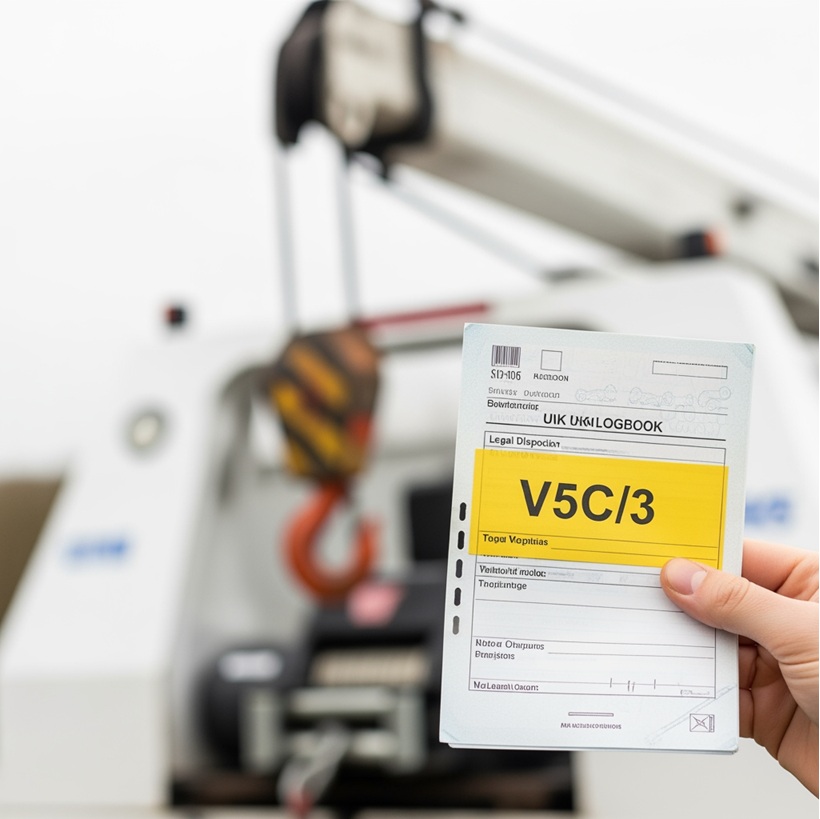
- Complete the paperwork: Hand over the V5C logbook to the driver during the collection.
- Receive payment: Get a secure bank transfer and a formal Certificate of Destruction.
When a driver wonders about the scrap value of my car, requesting an instant online valuation takes just seconds. Honest disclosure is important, though a test failure barely impacts the final offer since facilities primarily pay for raw metal content.
Many drivers decide it is easiest to scrap my car online, letting reputable networks handle everything. Most professional services offer next-day pickup, handling all heavy logistics so the owner never worries about a thing.
Required Documentation and Valuations
Handing over the V5C logbook (the official vehicle registration document) is legally required to transfer ownership. Payment arrives swiftly via secure bank transfer following the collection. More importantly, drivers must receive a legitimate Certificate of Destruction.
This certificate is the official DVLA document proving a car was scrapped legally. Testing status has minimal impact on final valuations compared to overall vehicle weight. Facilities primarily pay for the raw weight and recyclable materials, not mechanical roadworthiness.
Current market rates fluctuate based heavily on global commodity markets. Steel, aluminium, and copper prices vary from month to month, meaning quotes can shift slightly. However, these represent guaranteed, solid payments requiring absolutely no repair investments.
Alternatives to Immediate Scrapping
Before committing to disposal, owners briefly consider alternatives. Repairing a failure only makes economic sense if the garage costs sit substantially lower than the vehicle’s post-repair market value.
Selling a failed vehicle as “spares or repairs” occasionally works for highly desirable classic models. However, for standard commuter cars, it requires immense patience, dealing with time-wasters, and fielding insulting offers.
Most buyers enquiring about broken cars are simply weighing up whether disposing of it themselves makes more sense. Often, the guaranteed professional payment easily exceeds what owners net from private sales after factoring in weeks of lost time.
Authorised Treatment Facility Requirements
Not all scrapyards are created equal. Only an Authorised Treatment Facility (ATF), a government-registered scrapyard legally allowed to handle vehicle disposal, can issue Certificates of Destruction. These registered auto recycling centres must meet incredibly strict environmental standards.
Using an authorised facility protects the previous owner legally. Without a proper Certificate of Destruction, the original owner remains the registered keeper. This means total liability for rogue parking fines, congestion charges, or worse if someone illegally uses the old registration plates.
Backstreet operations that don’t issue proper documentation leave citizens highly exposed. They might offer a slightly higher price initially, but that becomes meaningless if severe legal liabilities surface months later.
DVLA Notification and Administration
Telling the DVLA about a vehicle disposal is a strict legal obligation. The facility notifies the government electronically, but the owner must also submit the yellow section of the logbook. This dual notification system ensures the vehicle record is properly and permanently closed.
Vehicle tax refunds happen automatically. The DVLA processes a proportional refund when they receive the official disposal notification. This refund covers any complete months remaining and arrives directly via cheque.
Insurance policies should be cancelled manually by contacting the provider immediately. Most insurers provide pro-rata refunds for unused months once the policy is officially terminated.
Regional Considerations Across the UK
Disposal processes remain completely consistent across the entire UK. Whether disposing of a broken hatchback in London or a rusted estate in Newcastle, the fundamental legal requirements never change.
Urban areas benefit from higher facility density, creating competitive pricing and highly efficient collection timeframes. Same-day collection is incredibly common in busy cities. Rural locations might occasionally wait an extra day for collection due to travel logistics, but the fundamental service standards remain identical.
A common myth suggests that highly dangerous defects must be fixed before a vehicle is collected. This is entirely false. Professional recovery vehicles handle completely unroadworthy cars every single day; dangerous defects make no difference to safe loading procedures.
Making Your Final Decision
For owners facing massive garage estimates on older vehicles, immediate disposal often represents the most sensible financial decision. When repair estimates exceed 60% of the vehicle’s total post-repair value, investing further capital is highly illogical.
Drivers who make the definitive choice to recycle my car receive an immediate, guaranteed financial return. Multiple serious defects requiring extensive work signal terminal economics, especially on cars older than twelve years.
Furthermore, proper scrap car recycling recovers up to 95% of a vehicle’s materials. Recycled automotive steel drastically reduces the destructive need for new metal production. Hazardous engine fluids are drained and neutralised, preventing severe soil contamination.
Conclusion
An annual test failure feels deeply frustrating, but it’s simply mechanical information, not a sudden crisis. Drivers can absolutely dispose of their failing vehicle the very next day. The process is completely legal, highly practical, and routinely the smartest financial choice for aging cars.
The entire procedure takes minimal time and effort. Within days, owners secure a guaranteed bank transfer, hold proper legal documentation, and gain the freedom to move forward. Nobody needs to worry about an unroadworthy car rotting on the driveway.
When it’s time to part ways, Scrap Car Network offers a highly professional, nationwide route forward. The network handles everything from heavy logistics to complex DVLA paperwork, assisting everyday drivers and business owners needing to salvage my van. To arrange a fast, fully compliant collection, simply contact us today.