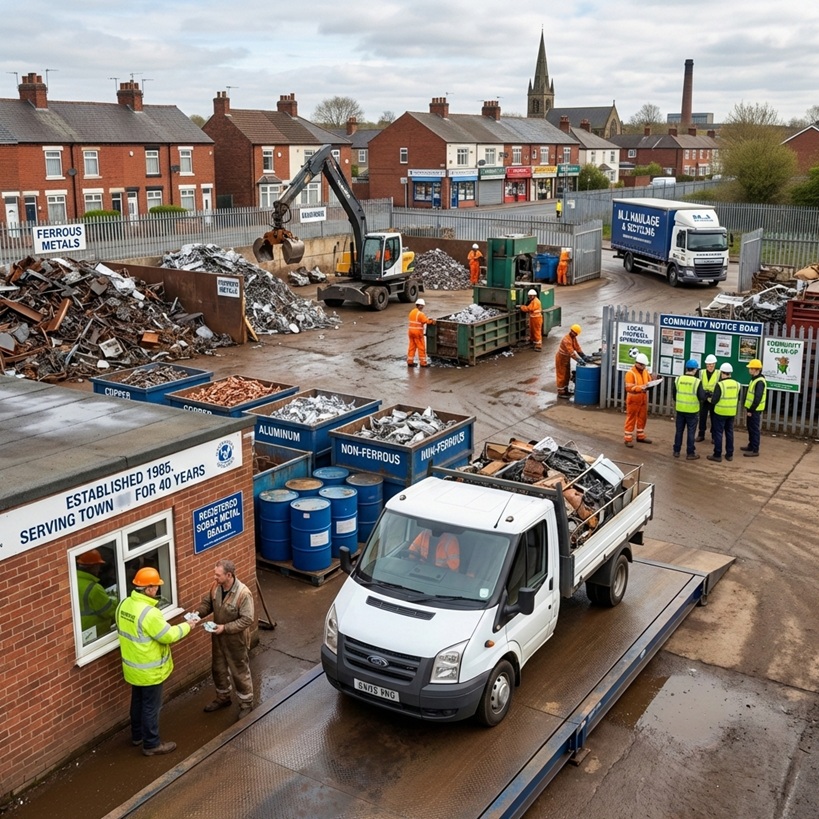
Why Scrap Yards Are Critical to Local Economies
4th Feb, 2026
Scrap yards are far more than heaps of old vehicles and twisted metal. They form the backbone of many communities, driving trade, employment, and environmental sustainability. Behind the noise of clanging steel lies a finely tuned system that supports manufacturing, reduces waste, and strengthens the scrap yards local economy across the United Kingdom.
While the global economy shifts toward sustainability, the economic role of scrap yards has only grown more significant. Scrap Car Network plays a vital role in this ecosystem, transforming waste into valuable resources, creating jobs for local people, and helping communities thrive by keeping materials and money in circulation.
The Economic Impact of Scrap Yards
Scrap yards provide much more than a destination for discarded metal. They are critical economic players, helping industries reduce production costs while supporting individuals and small businesses that sell scrap.
By recycling metal instead of mining raw materials, scrap yards lower environmental costs and make metal production more efficient. It is a practical model; materials that might once have been wasted are reintroduced into the market, stimulating trade and saving money for both producers and consumers.
Every transaction at a scrap yard adds value to the local community. Payments made to households and tradespeople circulate back into nearby shops, services, and suppliers.
Environmental Benefits
Beyond economics, scrap yards are essential to protecting the planet. Producing metal from raw ore consumes huge amounts of energy and generates significant greenhouse gases. Recycling requires far less energy and produces fewer emissions.
By processing end-of-life vehicles and other metal products responsibly, scrap yards prevent harmful chemicals from seeping into soil and water systems. They ensure that potentially dangerous materials are handled correctly. Those interested in responsible recycling can understand our environmentally responsible process to see how small actions contribute to a cleaner planet.
Job Creation and Skills Development
One of the most valuable contributions of the economic role of scrap yards is employment. Scrap yards generate stable jobs for a wide range of people, from machinery operators to sales and logistics professionals.
These roles often provide access to practical, hands-on work that does not require formal degrees, offering opportunities to individuals who might otherwise face barriers to employment. Over time, many employees acquire valuable technical skills such as welding, fabrication, and vehicle dismantling.
I remember a young lad named Kieran who started sweeping the yard at a local facility in Manchester. He had no qualifications and few prospects. Within three years, he had learned how to depollute EVs and was managing the entire fluid recovery section. The yard didn’t just give him a wage; it gave him a trade that supports his young family today.
Supporting Local Industries
Scrap yards play a vital role in the industrial supply chain. They collect, sort, and process metals that are later used by local manufacturers, everything from construction companies to automotive and machinery producers.
By supplying recycled metals at lower costs, scrap yards enable local manufacturers to stay competitive. This supports the broader industrial landscape and reduces dependence on expensive imported raw materials. To see how this interconnected network supports sustainability, explore how to scrap your car legally and ensure materials stay within the local recycling chain.
The Circular Economy
The concept of the circular economy underpins modern recycling efforts. Instead of a take-make-dispose approach, it keeps resources in circulation for as long as possible. Scrap yards are key to achieving that goal.
They extend the life cycle of materials by collecting, processing, and reintroducing metals into manufacturing. This process minimises waste, saves natural resources, and builds a foundation for sustainable economic growth.
Scrap Yards and Community Development
Beyond their direct economic contributions, scrap yards often engage with their surrounding communities. Many support local charities, sponsor environmental initiatives, or donate materials for creative and educational projects.
Some community organisations even use recycled materials from scrap yards for public art and infrastructure repairs. This partnership between industry and community builds trust and demonstrates social responsibility.
Challenges and Opportunities
While scrap yards offer undeniable benefits, they also face operational and regulatory challenges. Fluctuating metal prices, complex waste management rules, and environmental regulations require continuous adaptation.
Handling hazardous materials such as oils, coolants, and batteries demands strict safety protocols. These challenges create opportunities for innovation. Many scrap operators are now investing in cleaner technologies. You can scrap your van with our specialised service that prioritises safe, compliant recycling practices.
The Future of Scrap Yards
As sustainability becomes a central focus for governments and businesses, the economic role of scrap yards will continue to expand. The transition to electric vehicles and green manufacturing will require enormous volumes of recycled metals.
Future-ready scrap yards will integrate advanced sorting systems and digital monitoring to increase recovery rates. Those embracing innovation will become cornerstones of the sustainable local economy.
Discover how recycling services today contribute to tomorrow’s growth by exploring the advantages of choosing us for responsible vehicle disposal.
Conclusion
Scrap yards may not always attract attention, but they power progress in quiet, consistent ways. They reduce environmental harm, create valuable employment, and keep resources circulating where they are needed most.
The economic role of scrap yards connects the dots between industry, environment, and society. They exemplify how sustainability can go hand in hand with prosperity, turning discarded metal into opportunity and growth.
For anyone ready to make a positive contribution, call 0300 100 0027 or get an instant quote to see how recycling supports both the planet and your local economy.