What Hazardous Materials Are Removed from Your Car Before It Is Recycled?
7th Apr, 2026
A scrap car might look like nothing more than old metal, but it contains a surprisingly varied collection of substances that cause significant environmental harm if not handled correctly at end of life. The presence of hazardous materials in scrap cars is the primary reason that vehicle recycling in the UK is tightly regulated and why the depollution stage at a licensed Authorised Treatment Facility is legally mandatory before any crushing or shredding takes place.
Understanding what gets removed, why each substance is classified as hazardous, and what happens to it after removal helps vehicle owners appreciate why using a licensed ATF is genuinely important rather than simply a regulatory formality.
Why Hazardous Material Removal Is Mandatory
Every vehicle arriving at an ATF must go through a structured depollution process before any metal recovery begins. This isn’t optional, and it isn’t discretionary.
The Legal Framework Behind Depollution
The End of Life Vehicles Regulations, introduced in the UK in 2003 and updated since, establish the legal requirement for all hazardous materials in scrap cars to be removed by trained operatives at a licensed facility before any further processing takes place. These regulations apply to every vehicle, regardless of age, condition, or how it arrives at the facility.
The Environment Agency licenses ATFs in England and audits compliance through regular site inspections. Facilities that fail to meet depollution standards face permit suspension, improvement notices, and prosecution. The regulatory framework exists because the consequences of improper disposal of hazardous materials in scrap cars are well-documented and significant.
What Happens When Hazardous Materials Are Not Removed
At unlicensed operations, automotive fluid disposal UK standards simply don’t apply. Engine oil is poured on the ground or tipped down drainage systems. Refrigerant is vented to atmosphere. Battery acid is left in removed batteries or tipped on site. These aren’t hypothetical scenarios; they’re documented practices at illegal sites investigated by the Environment Agency across the UK.
A single litre of engine oil can contaminate up to one million litres of groundwater. At the scale of vehicles processed by unlicensed operators annually, the aggregate environmental impact is substantial and entirely preventable through the use of licensed facilities.
Automotive Fluids: The Core Depollution Stage
The removal of automotive fluids is the foundation of the depollution process and the stage that addresses the broadest range of hazardous materials in scrap cars. Scrap Car Network works exclusively with ATFs that complete this stage in full compliance with the End of Life Vehicles Regulations.
Automotive Fluid Disposal UK: What Gets Drained
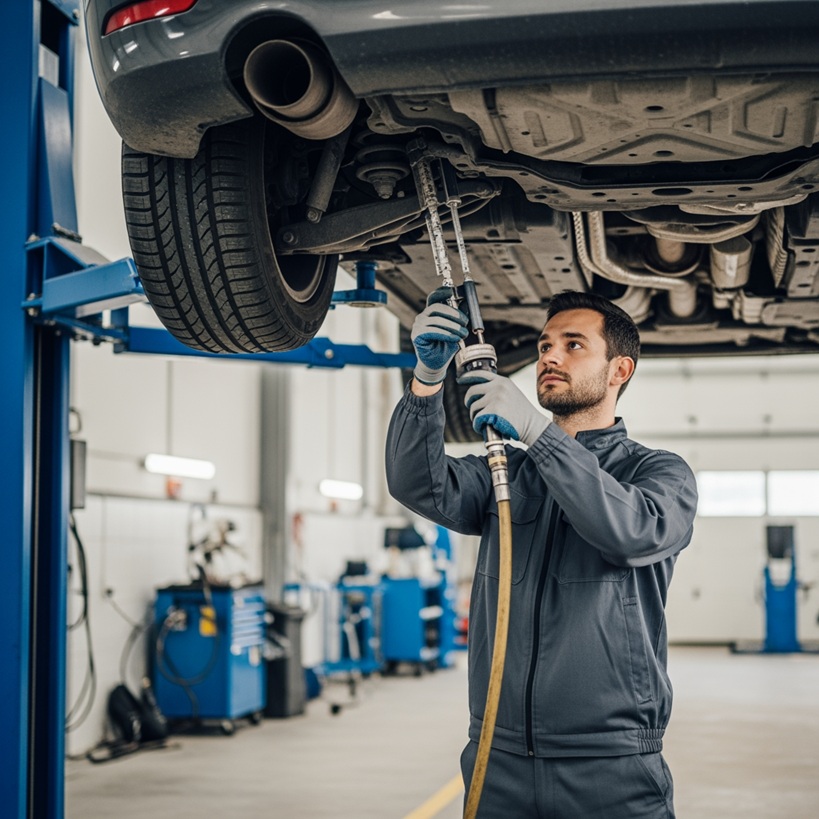
Automotive fluid disposal UK requirements cover every fluid present in the vehicle. During depollution, trained operatives systematically drain and capture:
- Engine oil and transmission fluid from sumps, gearboxes, and differentials
- Brake and clutch fluid from master cylinders and brake lines
- Engine coolant and antifreeze from the cooling system
- Petrol or diesel fuel from the tank and fuel lines
- Power steering fluid from the reservoir and hydraulic system
- Shock absorber oil from damper units
- Windscreen washer fluid from the reservoir
Each of these fluids has a specific environmental risk profile. Engine oil is persistent in soil and groundwater. Antifreeze is toxic to aquatic life. Automotive fluid disposal UK regulations require every fluid to follow a documented disposal or treatment route from the ATF.
How Each Fluid Is Treated After Removal
Engine oil is typically sent for re-refining into base oil or processed into industrial fuel. Coolant is treated and neutralised at specialist facilities. Brake fluid, due to its hygroscopic and chemically complex nature, is typically sent for high-temperature incineration at licensed hazardous waste sites. Fuel is reclaimed where possible or treated as hazardous liquid waste. None of these fluids, handled through the licensed automotive fluid disposal UK system, ends up in a drain, watercourse, or untreated landfill.
Airbag and Pyrotechnic Disposal
Automotive airbags are among the more surprising categories of hazardous materials in scrap cars. An undeployed airbag is, in legal classification terms, an explosive device.
Airbag Disposal Car Recycling: Why It Requires Specialist Handling
Airbag disposal car recycling procedures are stricter than most people expect. Each undeployed airbag unit contains a pyrotechnic igniter and a gas-generating chemical compound, typically sodium azide in older systems or more modern propellant blends in newer vehicles. When triggered, these compounds generate the gas that inflates the bag in milliseconds.
The same chemistry that makes airbags effective as safety devices makes them hazardous if handled improperly at end of life. Airbag disposal car recycling at a licensed ATF involves trained operatives following documented procedures for pyrotechnic device handling, including controlled deployment where required or specialist packaging and transfer to licensed pyrotechnic disposal contractors.
Seatbelt Pretensioners and Other Pyrotechnic Devices
Airbags aren’t the only pyrotechnic devices in a modern vehicle. Seatbelt pretensioners, which snap the belt tight in a collision to reduce occupant movement, contain the same pyrotechnic classification as airbag inflators. A modern vehicle can contain ten or more individual pyrotechnic units across its airbag and belt pretensioner systems.
Airbag disposal car recycling procedures at a properly licensed ATF cover all pyrotechnic units in the vehicle, not just the obvious steering wheel airbag. Operators in London and across the UK arranging collections can confirm with any reputable ATF that pyrotechnic handling is included in their standard depollution process.
Refrigerant Recovery and Air Conditioning Systems
Vehicle air conditioning systems contain refrigerant gas that is among the most environmentally damaging of all hazardous materials in scrap cars if released to atmosphere.
Refrigerant Recovery Scrap Vehicle: The Environmental Obligation
Refrigerant recovery scrap vehicle requirements are among the most strictly enforced obligations under the F-Gas Regulations and the End of Life Vehicles Regulations. Modern vehicles use HFC refrigerants, primarily R134a or the newer R1234yf, both of which are classified as potent greenhouse gases with global warming potential many times higher than carbon dioxide.
The refrigerant recovery scrap vehicle process must be completed using specialist refrigerant recovery equipment by operatives certified for F-Gas handling. Venting refrigerant directly to atmosphere is a criminal offence under the F-Gas Regulations, and it’s precisely the kind of shortcut that unlicensed operators take when there’s no regulatory oversight in place.
How Refrigerant Is Recovered and Processed
Think of it like clearing a blocked drain before demolishing a bathroom. The contents of the pipe must be dealt with before the structure can be responsibly removed. Refrigerant recovery scrap vehicle procedures follow the same logic: the hazardous contents of the air conditioning system must be captured before any further processing disturbs the pipework.
Recovered refrigerant follows one of three routes depending on its condition: reclaim and reuse in compliant systems, recycling after contaminant removal, or destruction at licensed high-temperature incineration facilities. None of the recovered gas is released to atmosphere at any stage of this process when an ATF is operating correctly.
Battery Acid and Electrical System Hazards
Every vehicle contains at least one battery, and battery-related hazardous materials in scrap cars range from conventional lead-acid chemistry to high-voltage lithium-ion packs in EVs and hybrids. Owners arranging vehicle scrapping in Scotland with electric or hybrid vehicles should specifically confirm EV battery handling capability before booking.
Battery Acid Handling UK Scrapyard: Conventional 12-Volt Systems
Battery acid handling UK scrapyard obligations apply to the conventional 12-volt lead-acid battery present in virtually every vehicle on the road. Lead-acid batteries are classified as hazardous waste under UK regulations due to their sulphuric acid electrolyte and lead content.
Battery acid handling UK scrapyard procedures require the battery to be removed intact, stored in bunded containment to prevent leaks, and transferred to a licensed battery recycling facility. Lead recovery from conventional batteries is a well-established process, and the lead recovered from the UK’s annual scrap vehicle output represents a significant contribution to secondary lead supply.
High-Voltage EV and Hybrid Battery Systems
High-voltage EV and hybrid battery packs represent a more complex category of battery acid handling UK scrapyard challenge. Lithium-ion cells contain lithium compounds, cobalt, nickel, and other materials that require specialist containment and processing. The high-voltage systems also require isolation by operatives with appropriate qualifications before any physical removal takes place.
ATFs handling EV batteries must hold appropriate hazardous waste permits for lithium-ion battery materials and have documented relationships with approved battery recycling processors. Confirming this before booking an EV or hybrid scrap collection is an essential step that protects both the vehicle owner and the facility.
Other Hazardous Components Removed Before Recycling
Beyond fluids, airbags, refrigerant, and batteries, there are additional categories of hazardous materials in scrap cars that require specific removal procedures before any metal recovery can begin. Owners arranging scrap car collection in North London and across the wider UK will find that licensed ATFs address all of these categories as part of the standard depollution stage.
Tyres, Catalytic Converters, and Fluid Containers
Tyres are removed before crushing and classified as a separate waste stream under the Environmental Protection Act. They’re typically processed into crumb rubber for use in road construction, sports surfaces, and playground flooring.
The catalytic converter is removed during depollution for precious metal recovery, as it contains platinum, palladium, and rhodium. Fuel tanks and fluid containers that can’t be fully drained are removed separately to prevent residual contamination during the shredding process.
Mercury Switches and Specialist Electronics
Older vehicles, particularly those manufactured before the early 2000s, may contain mercury-containing components in light switches, anti-lock brake sensors, and convenience lighting systems. Mercury is a persistent environmental toxin that bioaccumulates in aquatic ecosystems and requires specialist containment and processing.
A vehicle brought into a specialist facility for processing was found to contain mercury tilt switches in the bonnet and boot lighting circuits that an earlier unlicensed operator had failed to remove before beginning to strip the car. The licensed facility identified and removed them correctly. The incident illustrates why unlicensed operators cut corners on exactly the components that require the most careful handling.
Choosing a Facility That Gets This Right
The quality of a facility’s depollution process determines whether the hazardous materials in scrap cars are handled responsibly or contribute to the environmental damage that the licensing framework is designed to prevent. Owners in South West London and across the UK should confirm depollution capability before committing to any ATF.
What to Confirm Before Booking a Collection
Before booking a scrap collection, ask the ATF:
- Is the facility listed on the Environment Agency’s public register of permitted waste sites?
- Do operatives hold F-Gas certification for refrigerant recovery?
- Are pyrotechnic handling procedures documented and followed for all airbags and pretensioners?
- How are batteries stored and transferred to recycling processors?
- Will a Certificate of Destruction be issued within seven days at no charge?
A reputable, fully licensed ATF will answer all of these questions clearly, directly, and without deflection. Owners in Newcastle and across the UK who run through this checklist consistently end up with better outcomes and complete legal protection.
The Certificate of Destruction as Proof of Compliance
The Certificate of Destruction issued by a licensed ATF is the registered keeper’s confirmation that all depollution obligations have been met and the vehicle has been legally processed. It’s issued free of charge within seven days of the vehicle arriving at the facility and formally ends the keeper’s legal responsibility for the vehicle.
Without a Certificate of Destruction, there’s no proof that the hazardous materials in scrap cars were handled correctly, and the registered keeper remains exposed to ongoing liability.
Conclusion
The range of hazardous materials in scrap cars is broader than most owners realise: automotive fluid disposal UK obligations, airbag disposal car recycling requirements, refrigerant recovery scrap vehicle procedures, and battery acid handling UK scrapyard standards all form part of the mandatory depollution process that every licensed ATF must complete before a vehicle can be crushed or shredded.
Using a licensed facility protects the environment, protects the registered keeper legally, and ensures that every material in the vehicle follows the appropriate disposal or recovery route. For help finding a licensed ATF near you, contact us and we’ll connect you with a facility that meets all depollution requirements.