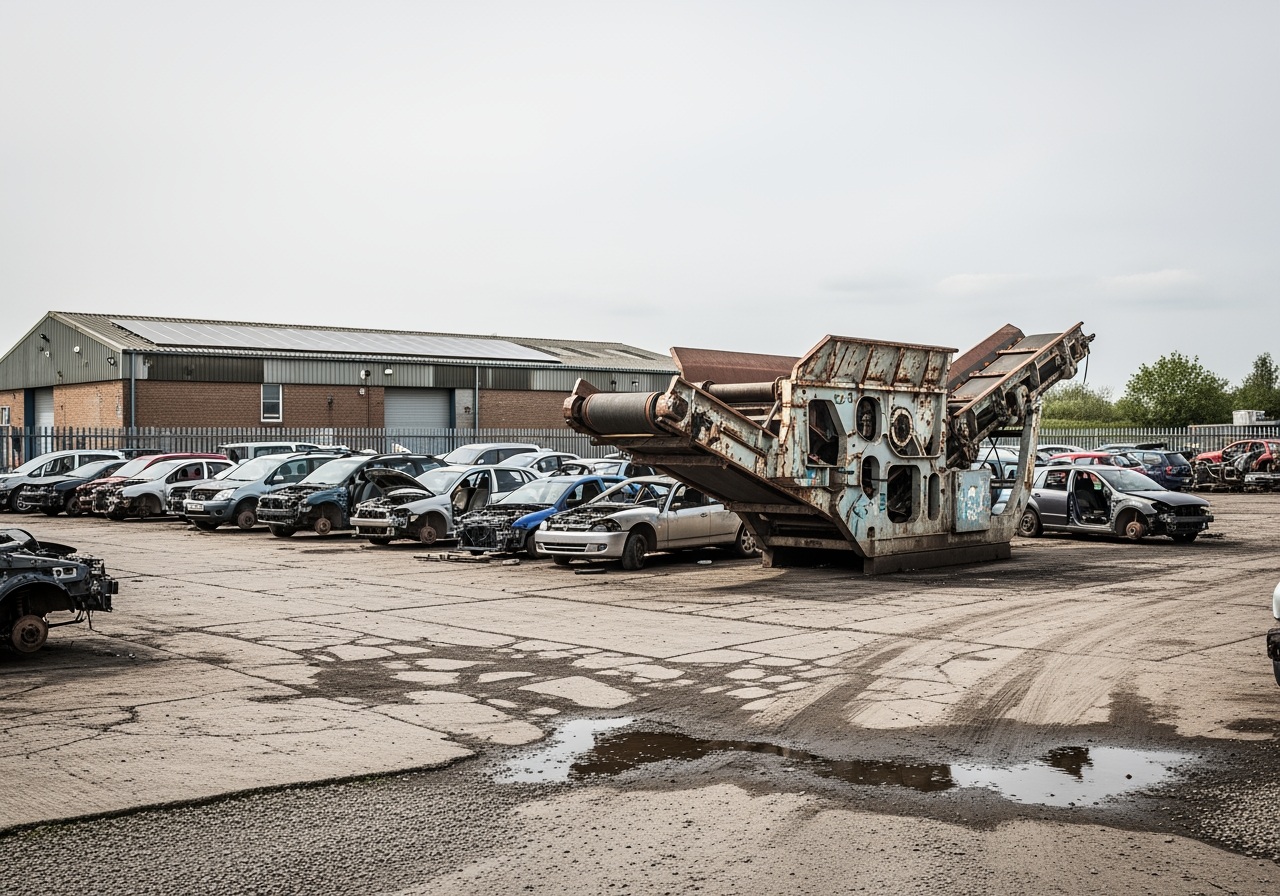
The Scrap Car Industry in a Net-Zero World
17th Mar, 2026
Spending a decade working under the ramp in a busy garage guarantees barked knuckles and engine grease in the hair every single day. Veteran mechanics have seen this entire business change from oily, muddy yards into high-tech laboratories. The automotive recycling world is going through a massive and permanent shift.
The United Kingdom is working incredibly hard toward its 2050 climate targets. This ambitious goal changes absolutely everything for how the country handles old motors. It used to be a very simple job of crushing vehicles for cheap steel. Now, it is a highly complex operation focused entirely on saving precious materials.
The scrap industry in net-zero world targets faces unique challenges. These major shifts are changing how every single car is processed across the country. Modern facilities have to balance making a profit with actively protecting the global environment. This is a fundamental change in how the entire motor trade works.
Balancing Economic Viability with Environmental Responsibility
For a very long time, car scrapping was just about total weight. Buyers wanted the most metal for the least amount of effort. Those simple days are gone for good. Now, facilities have to make sure their daily work does not harm the planet.
It is a delicate balance between high labour costs and the world’s future. Huge operational changes are happening in every licensed yard. It is no longer just about basic legal compliance. It is about actively leading the way for other manufacturing sectors.
When a yard buys a million-pound machine to sort plastic from copper, they are helping the climate. They make sure the immense energy used to originally mine those materials is not wasted. This smart approach helps the industry stay highly profitable while achieving carbon-neutral operations. It requires a lot of clever thinking and brand new tools.
What Net-Zero Actually Means for Vehicle Recycling
The national climate commitment means balancing emissions with carbon removal by 2050. For the recycling sector, this changes how professionals look at cars. An old motor is now viewed as a source of valuable materials rather than toxic waste.
The ultimate goal is to stop sending anything to landfill sites. The aim is not to stop all emissions tonight, as that would be impossible. Instead, the industry works to reduce what it can and offset the rest through green technology.
The scrap industry in net-zero world planning is a surprisingly vital player. Recycling old materials uses much less energy than making new ones from scratch. This saves a huge amount of harmful gas that would otherwise enter the atmosphere. It is about closing the manufacturing loop for good.
Industry’s Crucial Role in Climate Strategy
Every tonne of recycled steel or plastic helps the country hit its green targets. The industry has moved from being simple metal merchants to material experts. This massive shift makes the sector a vital part of the national climate strategy.
Licensed yards are no longer just the people at the end of the road. They are now the very beginning of the manufacturing supply chain. This gives their daily work more meaning and more impact than ever before. Providing proper car recycling is now a matter of national importance.
Steel Recycling Delivers Major Carbon Savings
Steel makes up about sixty-five percent of a typical family car’s weight. It is the most important and abundant material that recycling yards deal with. Making brand new steel from raw iron ore creates a massive amount of pollution.
The old blast furnace process uses vast amounts of coal and energy. It also creates chemical reactions that release heavy carbon into the air. If the industry keeps existing steel in the loop, it saves the planet a lot of trouble.
Recycling steel cuts these harmful emissions by roughly seventy-five percent. This happens because recycled metal needs much less energy to melt down. Electric arc furnaces are the way forward for the modern steel industry. They use a mere fraction of the power required by traditional mills.
Steel’s Indefinite Recyclability
Steel is a brilliant material because it does not lose its quality. It can be melted down as many times as the industry likes. It stays just as strong as the day it was first forged.
Today’s rusty scrap car could easily become a bridge or a wind turbine tomorrow. Later on, it might become a car chassis all over again. It is a highly versatile material that truly has infinite lives.
Authorised facilities now track their exact carbon impact carefully. This precise data shows the real environmental benefits of modern recovery work. When drivers choose to scrap my car through a reputable dealer, they directly support this carbon-saving cycle.
Electric Vehicle Batteries Create New Recycling Challenges
Lithium-ion batteries are the biggest hurdle and the best opportunity for the modern sector. These heavy power packs contain highly valuable materials like lithium and cobalt. However, they need very careful handling and incredibly specialized tools.
A mechanic cannot just use a crowbar and hope for the best. That is a guaranteed recipe for a dangerous chemical fire. These batteries hold a massive amount of power and demand deep technical respect.
Modern battery facilities are cleaner than most hospitals. Technicians use digital tablets to scan parts while robotic arms do the heavy lifting safely. The workforce is handling the high-tech heart of the future, not just draining old engine oil.
UK Battery Recycling Infrastructure Development
The country is rapidly building new sites specifically to handle these electric batteries. The industry can now successfully recover up to ninety-five percent of the internal materials. Technicians use advanced heat treatments and chemical baths to break the cells down safely.
This creates a completely circular supply chain for the automotive sector. Old batteries provide the raw chemical stuff needed for brand new ones. This massively reduces the need for environmentally damaging mining operations abroad.
Automotive Plastics Present Complex Recovery Issues
Modern cars have about two hundred kilograms of plastic hidden inside them. This material is spread across dashboards, modern bumpers, and interior door panels. There are many different types of plastic used, and they absolutely do not mix well.
The biggest challenge is the sheer diversity of these chemical materials. Manufacturers use polyethylene, ABS, and polypropylene in various complex forms. Each specific type of plastic needs a totally different recycling path to be useful.
Advanced scanners now use infrared light to tell them apart instantly. These systems work incredibly fast to direct the materials to the correct processing bin. This expensive technology has stopped a mountain of plastic from ending up buried in the ground.
Advanced Sorting and Chemical Recycling
Chemical recycling is a brand new way to handle dirty or mixed plastics. It literally breaks them down into their most basic chemical building blocks. The industry can then turn these blocks into fresh fuel or brand new car parts.
It uses a fair amount of energy, but it saves materials that were once thrown away. It ensures that every single gram of automotive plastic gets a useful second life. Utilizing the Scrap Car Network guarantees vehicle plastic enters this advanced recovery system.
Glass and Aluminium Offer High-Value Recovery Opportunities
Glass recycling helps the environment in several very clever ways. The industry can turn old car windows into new bottles or road building materials. Modern laminated windscreens are tricky due to the plastic film, but new machines easily split them apart.
Aluminium is even better for the environment when it is properly recycled. Melting old aluminium uses ninety-five percent less energy than making it from raw bauxite ore. This lightweight metal is highly valuable and incredibly easy to melt and reuse.
Engines and shiny alloy wheels are the absolute gold of the modern yard. Managers make sure every tiny bit of this non-ferrous metal is recovered. This aligns their financial goals perfectly with the country’s green targets.
Technology Transforms Recycling Operations
Artificial intelligence and robotics are fundamentally changing how facilities pull cars apart. Robotic systems are much faster and more accurate than manual human labour. They also keep people safely away from dangerous crushing blades and toxic chemicals.
Digital platforms now track these materials from start to finish. Yards log every chassis number to show exactly where the raw materials go. This transparent tracking proves they are following all the strict environmental rules. Achieving true carbon-neutral operations requires this level of precise digital measurement.
Sensor-based tools can identify mixed metals in a split second. They use special X-rays to see exactly what is inside a piece of crushed scrap. This incredible speed makes the whole sorting process highly efficient and profitable.
Economic Incentives Drive Environmental Performance
The business case for being green is stronger today than ever before. Raw materials dug from the earth are getting more and more expensive. This naturally makes recycled stuff far more valuable to manufacturing companies.
Carbon pricing also adds a massive financial boost to the industry. Saving carbon now translates into real, tangible cash value on the balance sheet. Companies desperately want to be green because it actively helps their bank balance grow.
New government rules also make car makers legally responsible for final disposal. This concept is called Extended Producer Responsibility. It forces massive brands to design cars that are much easier to take apart safely.
Regulatory Framework Enforces High Standards
The law dictates that yards have to recover ninety-five percent of every single car. This is a very high legal target that keeps the whole industry on its toes. Facilities have to report absolutely everything they do to prove they hit the mark.
Only licensed Authorised Treatment Facilities can do this highly complex work legally. They have the right specialized gear to drain fluids and handle airbags safely. If drivers arrange a scrap car collection, they must ensure the buyer holds this specific environmental permit.
The Certificate of Destruction is a vital piece of government paper. It proves conclusively that the car was handled the right way by a licensed professional. It also legally stops owners from being liable for anything the car does later.
Choosing Responsible Disposal Matters
A driver’s choice of a scrap yard really does matter to the planet. Not every single dealer follows the same strict green rules. Selecting a proper, licensed service has real, tangible consequences for the natural world.
Reputable operators make sure every old car actively helps the climate. They never just dump dirty engine oil down the public drain to save time. Using trusted scrap car dealers ensures the hazardous waste is neutralized properly.
Legitimate yards train their staff in rigorous safety protocols. They know exactly how to handle hazardous materials without causing an environmental mess. Unlicensed dealers take illegal shortcuts that ultimately hurt the environment and local wildlife.
Future Developments Will Deepen Sustainability
The industry is constantly looking at brand new ways to break materials down safely. Some chemical processes currently in development can recycle certain plastics forever. These methods are expensive right now, but they will get much cheaper very soon.
Design for disassembly is the next big thing for the automotive world. Future cars will be built a bit like simple Lego sets. This clever design will make it much easier to unzip them at the end of their lives.
Urban mining is the modern idea that major cities are full of hidden treasure. The UK car fleet is a massive pile of refined metal waiting to be used. The industry can harvest this metal without digging huge new holes in the natural ground.
The Circular Economy in Action
The old manufacturing way was a one-way street straight to a landfill site. Society made a product, used it for a decade, and threw it in a hole. The new way is much more like a roundabout where everything loops back around.
This simply means nothing is ever truly wasted or thrown away. Everything has a tangible value and a guaranteed second life. It is a much smarter and cleaner way to manage the world’s limited global resources. When motorists choose to scrap your car, they are actively feeding this green roundabout.
Sustainability and profit go hand in hand in the modern scrapping trade. The recovered materials that save the planet also make the business incredibly stable. It is a fantastic dual benefit that works for absolutely everyone involved.
Taking Action Creates Real Impact
The move toward carbon-neutral operations is already well underway across the country. The industry already successfully saves over eighty-five percent of every single car. The trade is working incredibly hard to reach that final ninety-five percent target very soon.
Every single percentage point saves thousands of tonnes of waste from landfills. The public plays a massive part in this by choosing the right recycling yard. Personal decisions determine if valuable materials are saved or wasted completely.
The scrap industry in net-zero world targets needs everyone to help out. Car recycling might seem like a very small part of a busy week. However, it makes a huge difference when looking at millions of cars combined.
If drivers want to arrange proper vehicle disposal services, doing it the right way with professionals is essential. It actively helps build a sustainable future for everyone in the country. If there are questions about the green process, please contact us or call 0300 100 0027 to speak with the expert team today.