Smart Dismantling: Tech that Identifies Reusable Car Parts Faster
18th Mar, 2026
Saying goodbye to an old, reliable car is always a bit heartbreaking. It feels even worse knowing that hundreds of perfectly good parts are usually destined for the crusher. For decades, buying a second-hand replacement part felt like a massive gamble with your hard-earned cash.
Forty years ago, dismantling a car was a bit like performing heart surgery with a rusty sledgehammer. Mechanics spent their afternoons poking around oily engine bays and testing components by hand. It was a slow, messy process that relied entirely on a bloke’s gut feeling and years of hard-won experience.
Sadly, about half the time, perfectly good parts ended up in the scrap pile. We simply couldn’t be entirely sure they were safe to use again. Today, incredible new technology has completely transformed the entire industry for the better. We are finally moving away from the wasteful ways of the traditional back-street scrap yard. Every nut, bolt, and sensor is now given a fair chance at a second life.
The Evolution of Dismantling Methods: From 60% to 85% Recovery
Traditional dismantling facilities used to rely heavily on visual inspections and basic testing equipment. A mechanic would examine a part, give it a shake, and maybe test it with a simple multimeter. This approach meant many serviceable components were crushed simply because their internal condition wasn’t obvious.
You simply couldn’t see the tiny fractures hidden deep inside a modern alternator. As a result, manual assessment usually recovered only about 60% of genuinely reusable components. That meant a massive 40% of perfectly good parts were lost to the crusher forever.
Modern facilities now use advanced technology to recover up to 85% of components from every car. This massive jump is absolutely brilliant for both the environment and the local economy. The best vehicle disposal services across the country now prioritise this exact level of high-tech efficiency.
How Modern Scanning Systems Work: Minutes Not Hours
The heart of the smart dismantling revolution lies in highly sophisticated scanning systems. These tools can thoroughly assess vehicle components in mere minutes rather than hours. They use complex digital checkups to create a perfect picture of a car’s overall health.
When a vehicle arrives at an Authorised Treatment Facility, technicians connect it directly to a diagnostic computer. This connection talks to the car’s onboard brain, instantly revealing hidden fault codes. It saves a massive amount of time and effort for everyone on the workshop floor.
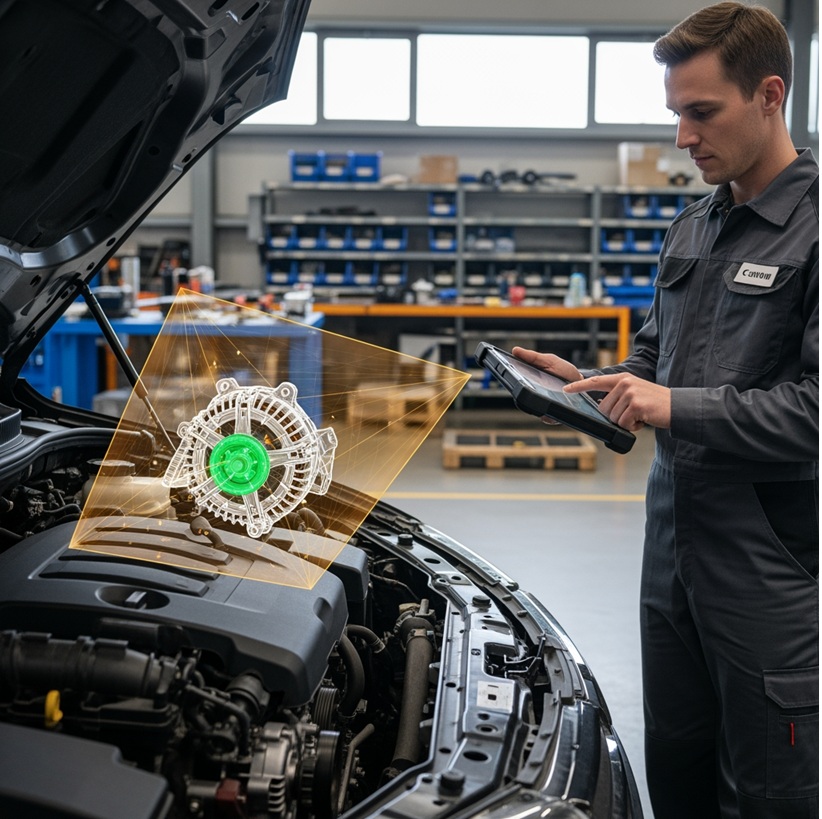
We also use advanced optical scanners that act like high-powered digital eyes. They can identify specific part numbers and detect microscopic wear patterns instantly. These rapid digital checkups mean facilities can process far more cars safely and profitably.
Component Recognition Software Changes Everything
Component recognition software is the real game-changer in modern workshops today. Using artificial intelligence, these smart systems can recognise thousands of different car parts instantly. They check the condition of a part against huge databases to predict its remaining life accurately.
These smart systems actually learn more every time they process a new vehicle. Unlike a tired mechanic on a Friday afternoon, the software never forgets a rare part specification. It acts just like a master mechanic with a perfect memory watching over every car.
The software also flags parts that look fine but have a known history of failing prematurely. This stops us from wasting time on components that will only let the next owner down. It perfectly protects the reputation of the legitimate recycling business.
Database Integration and Inventory Management
Modern dismantling facilities no longer work in isolation like they did in the past. They are now constantly connected to massive global parts databases. The moment a component is identified as reusable, it is instantly catalogued into a digital inventory.
Each component gets a unique digital fingerprint that tracks its journey from the scrap car to the customer. Within seconds, a technician can determine exactly which other vehicle models a specific part will fit. This global connectivity is a massive advantage for both buyers and honest sellers.
This incredible integration goes far beyond simple cataloguing. Many systems now automatically generate listings for online marketplaces, complete with condition reports. It completely removes the guesswork and ensures that the right parts find the right buyers quickly.
Robotic Assistance in Modern Facilities
While we aren’t quite at the stage of fully autonomous robotic scrap yards, robotic assistance is becoming very common. Robotic arms can now safely remove specific components with a level of precision human hands cannot match. This is particularly useful for delicate electronic parts that are easily damaged during manual removal.
These systems are absolutely excellent at repetitive, heavy tasks. This includes safely removing heavy batteries, alternators, and starter motors. The robots work right alongside human technicians, handling the routine work while skilled mechanics focus on complex jobs.
The precision of a robot means there is far less collateral damage to the surrounding parts. When a robot pulls a part, it applies exactly the right amount of force every single time. It is all about keeping the quality of the salvaged parts as high as possible.
Real-Time Market Intelligence
One of the most impressive parts of modern dismantling is the direct link to real-time market data. Systems can instantly check the current demand and the going price for a specific part. This helps the facility decide whether a component is actually worth the physical effort of extracting.
This intelligence prevents us from spending two hours recovering a part that only sells for a few quid. Instead, technicians can focus their energy heavily on high-demand components. It is a much more efficient, profitable way to run an industrial business.
Market data also helps safely guide storage decisions out in the yard. Parts that are likely to sell in a few days are prioritised and kept near the front. This constant flow of data keeps the entire industry moving at a much faster pace.
Environmental Impact Tracking
Modern technology does more than just make us faster on the shop floor. It helps us track our environmental benefits with incredible, provable accuracy. Advanced systems calculate exactly how much physical waste we have diverted from the local landfill.
This data is absolutely vital for facilities that need to show their green credentials to the government. Every component that finds a second life represents a significant saving in global carbon emissions. Being able to prove this with hard numbers is a massive step forward for our trade.
The measurements used are highly precise and can be fully audited by regulators. Facilities can easily produce reports that break down their environmental impact by vehicle type. It helps build genuine trust with the public and shows we truly care about the planet.
Quality Assurance Through Digital Testing
Digital technology has completely changed how we handle our daily quality control. We now use testing equipment that assesses parts with true laboratory-level precision. This provides us with detailed reports that give customers the absolute confidence to buy used parts.
Electronic components undergo a full diagnostic health check that looks closely at every circuit. Mechanical parts are measured with precision tools that spot wear patterns completely invisible to the naked eye. The result is a highly accurate picture of exactly how much life is left in a part.
Digital documentation means that every single test result is recorded securely. When you buy a tested component, you know exactly what you are getting for your hard-earned money. Providing this level of transparency is definitely one of the advantages of choosing our service through the professional network.
The Financial Case for Smart Technology
The business case for investing in smart dismantling technology is incredibly strong. While the initial cost of the computer kit is high, the improved efficiency pays for itself very quickly. By working faster and recovering more parts, the facility becomes much more profitable.
Higher recovery rates mean significantly more revenue from every single car that arrives. Jumping from a 60% recovery rate to an 85% recovery rate creates a very steady income stream. This provides brilliant financial protection when global scrap metal prices are fluctuating wildly.
Reduced labour costs are another huge, undeniable benefit for the yard owner. Automated systems can safely process vehicles much faster than a team of lads with spanners. For drivers looking to scrap my vehicle today, this modern approach allows a facility to handle a much higher volume of cars efficiently.
Training Requirements for Modern Operations
The rapid move towards high-tech dismantling means our workers need a completely new set of skills. Old-school mechanical knowledge is still vital, but technicians now need to understand digital diagnostics too. We aren’t just grease monkeys anymore; we are becoming highly trained technical specialists.
Training programmes have completely changed to keep up with these strict new requirements. Workers now learn exactly how to operate complex scanning gear and interpret the resulting data safely. It is a more technical role, but it is incredibly rewarding for those who embrace technology.
The great news is that this computer guidance removes a lot of stressful guesswork. The systems provide clear instructions, which naturally leads to far fewer accidents in the workshop. Overall job satisfaction has improved massively across the modern trade.
Integration with Recycling Networks
Smart dismantling tech doesn’t just sit quietly in one isolated yard. It connects seamlessly with a massive national network of approved buyers and sellers. Here at the Scrap Car Network, we actively partner with these highly advanced facilities to ensure efficient processing. This brilliant connectivity is exactly what allows the industry to offer such competitive prices to car owners.
When you get an instant quote to scrap any car, these modern systems are already calculating how to get maximum value out of it. Real-time links between the yards and parts retailers mean a component can be sold within hours.
This speed keeps physical storage costs down and ensures drivers get the parts they need instantly. Reliable scrap car recycling is a highly coordinated effort that ensures nothing of value is ever wasted.
Future Technology Developments
The technology in our trade is still evolving at a blistering pace. We are starting to see smart systems that can predict when a part is about to fail before it happens. We are constantly looking for new ways to improve our overall efficiency and sustainability.
We are also exploring how blockchain technology can accurately track the history of every used part. This would provide a permanent, unchangeable record of exactly where a part has lived. It gives future buyers complete peace of mind about the history of their spares.
Augmented reality glasses are another incredibly exciting development on the horizon. This tech could overlay digital instructions right in front of a mechanic’s eyes while they work. It is like having an interactive workshop manual hovering in thin air to guide you.
Challenges and Practical Solutions
Switching over to smart dismantling certainly isn’t always easy for business owners. The initial cost of the advanced equipment can be a massive hurdle for smaller, family-run yards. However, there are now fair leasing deals and government grants available to help them transition smoothly.
Training the existing staff can also take a bit of time and patience. However, we have found that most workers really appreciate having much better tools to do their jobs. It is about investing in good people just as much as we invest in new machines.
Connecting new software to old business systems can occasionally be a bit of a headache. Luckily, most tech providers now offer full support to make this digital move as smooth as possible. The massive long-term benefits are always well worth the initial setup effort.
The Broader Impact on Sustainability
Smart dismantling is about much more than just being efficient in the yard. It is a key part of the global circular economy, avoiding wasting the planet’s precious resources. By saving more parts, we heavily reduce the industrial need to manufacture brand new ones.
I remember a customer years back looking for a very specific alternator for an old Jag. We spent three days digging through the muddy yard, only to find a complete dud. Nowadays, with a rapid scrap car collection and digital scanning, we’d find a tested one in five minutes.
It’s that kind of incredible progress that makes my old mechanic’s heart truly glad. It ensures that every car reaching the end of its life contributes immense value back into the system.
Making Informed Choices
When you are deciding where to send your old motor, it is vital to choose a place using modern tech. If you want to find out how to scrap your car easily, using a digitally connected service is the smartest way to go. These yards can usually offer you a better price because they recover far more value.
They also do a much better job of protecting the environment, which benefits absolutely everyone. Using this tech also ensures that all the confusing paperwork is handled correctly and legally. Advanced systems automatically generate the strict reports required by the DVLA and the Environment Agency.
Conclusion: Remarkable Transformation and Future Promise
The way we dismantle cars has changed beyond all recognition over the last few decades. Moving from heavy sledgehammers to smart digital sensors is the most significant leap forward our industry has ever seen. The brilliant improvements in speed, quality, and environmental protection are undeniable.
Modern facilities can now squeeze every single bit of value out of a vehicle safely. As software and digital diagnostics continue to improve, we can expect even more impressive results soon. The future of car recycling is looking incredibly bright, very green, and exceptionally high-tech.
Technology is helping the entire trade work smarter, not harder, and that is brilliant news for everyone. If you have any questions or need a bit of guidance, please do not hesitate to contact us today. We are always happy to help you navigate the modern recycling process properly.