Scrap Cars as Art: Artists Who Transform Metal into Masterpieces
23rd Feb, 2026
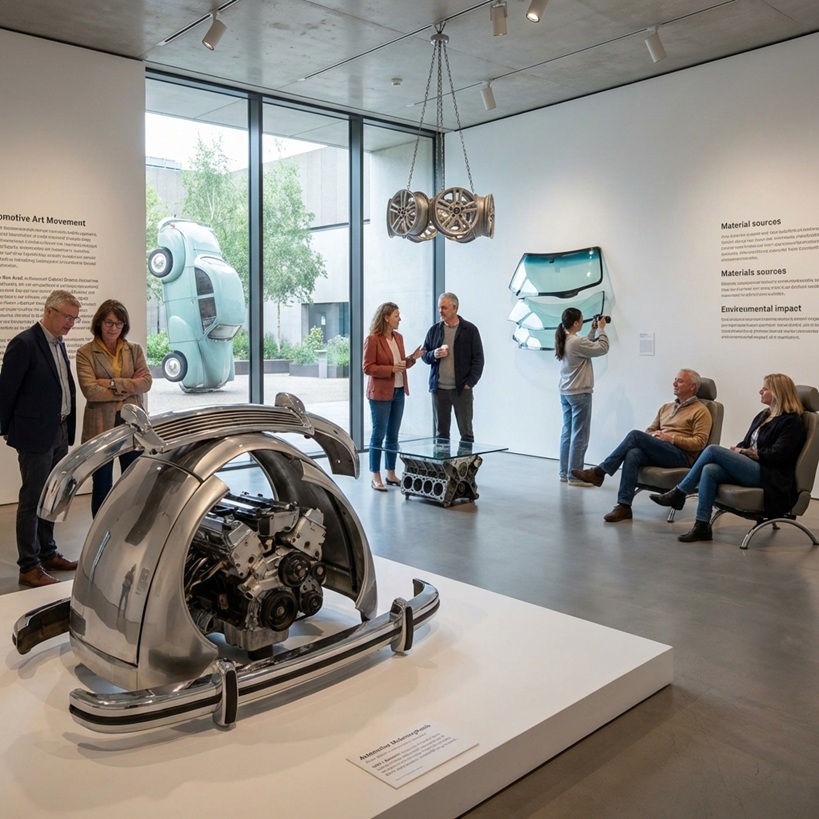
When most people see a rusted Ford Escort sitting in their driveway, they see scrap metal heading for the crusher. Artists see potential. They see curves that could become sculptures, bumpers that might transform into benches, and bonnets that could house entire installations.
After decades around cars, it’s easy to marvel at how something built for function can become pure art. The transition from transport to treasure isn’t just about creativity, it’s about seeing value where others see waste. These scrap car art projects represent more than recycling; they’re a complete reimagining of what automotive materials can become.
The beauty of automotive art lies in its accessibility. Unlike marble or bronze, car parts carry stories. That dented door panel survived a minor scrape outside Tesco. Those worn tyres have travelled thousands of miles on British motorways. When artists work with these materials, they’re not just creating something new, they’re giving these objects a second chapter.
Scrap Car Network connects vehicle owners with opportunities to transform end-of-life cars into something meaningful, whether through traditional recycling or artistic reimagining.
Famous Artists Leading the Movement
Ron Arad stands as perhaps Britain’s most celebrated automotive artist. His “Big Easy” series transformed car seats into luxury furniture, proving that comfort doesn’t end when a vehicle reaches the scrapyard. Arad’s work demonstrates how automotive components can maintain their original function whilst becoming art pieces.
The Israeli-British designer’s approach involves minimal alteration to original forms. He might polish a bumper to mirror finish or weld seats into new configurations, but the car’s DNA remains visible. It’s like restoring a classic, except the goal isn’t roadworthiness, it’s aesthetic transformation.
Gabriel Orozco took a different approach with his famous “La DS” project. He sectioned a Citroën DS lengthways, removing the central third before welding the remaining pieces together. The result? An impossibly narrow car that challenges perception of automotive proportions.
Visitors often walk around the piece multiple times, trying to understand how something so familiar can feel so alien. It’s the automotive equivalent of a magic trick.
Then there’s Dirk Skreber, whose crashed car installations force viewers to confront automotive violence. His work isn’t pretty, it’s confrontational. He presents mangled vehicles as they might appear moments after impact, frozen in time as sculptural statements about speed, danger, and mortality.
The Emotional Impact of Transformed Vehicles
These artists understand something fundamental about cars. They’re not just machines, they’re vessels of human experience. Every scratch tells a story, every worn seat cushion remembers countless journeys.
Sculpture and Installation Art
Large-scale automotive art installations require serious planning. Picture an artist spending three hours figuring out how to balance a Morris Minor on its nose. The physics of car sculpture aren’t intuitive, vehicles weren’t designed to be displayed vertically or suspended from ceilings.
Carhenge in Nebraska perfectly illustrates this challenge. Artist Jim Reinders recreated Stonehenge using vintage American cars, positioning them upright in a circle. The project required careful calculation of weight distribution and foundation requirements.
You can’t simply bury a car bonnet-first and expect it to stay put. The engineering challenges are immense.
British artist David Mach creates towering installations from entire vehicles. His “Polaris” submarine, constructed from black cabs, required precise engineering to prevent collapse. Each taxi had to be strategically placed to distribute weight evenly across the structure.
The process resembles building with Meccano, except each piece weighs a tonne and carries insurance implications. Artists working at this scale often collaborate with structural engineers to ensure their visions don’t become health and safety nightmares.
Working with whole vehicles presents unique challenges. Unlike traditional sculptural materials, cars contain fluids, electronics, and potentially hazardous components. Responsible artists ensure proper environmental processing before beginning their projects.
Functional Art from Car Parts
Some of the most compelling automotive art serves practical purposes. Why create a sculpture that just sits there when you could make something useful? This philosophy drives artists who transform car components into furniture, lighting, and architectural elements.
Engine blocks make surprisingly elegant coffee tables. The V8 configuration creates natural spaces for storage, whilst the cast iron construction ensures durability. Artists often polish engine blocks to mirror finish, revealing the mechanical beauty usually hidden under bonnets.
Wheel rims become everything from chandeliers to garden planters. The spoke patterns create interesting shadows when used as lighting fixtures, whilst the circular form suits both modern and traditional interiors. Chrome bumpers, meanwhile, often find new life as bathroom fixtures or kitchen accessories.
Furniture designer Tom Dixon built his reputation partly on automotive-inspired pieces. His “S-Chair” takes its curves from car bodywork, whilst maintaining the comfort expected from seating. The design process involves understanding both automotive manufacturing and furniture construction, two very different worlds.
The key to successful functional automotive art lies in respecting the original engineering. Car parts were designed to withstand specific stresses and forces. A shock absorber, for instance, makes an excellent lamp base because it was built to handle vertical loads and vibration.
The Workshop Reality
Here’s something worth knowing: most functional automotive art starts in cluttered workshops, not pristine studios. Artists collect parts over months, sometimes years, waiting for the right project. A neighbour once stored seventeen gear boxes in his shed, claiming each one had “perfect patina.” His wife disagreed.
That’s the reality of scrap car art projects, they require space, patience, and understanding partners.
Environmental Art and Sustainability
Environmental artists use automotive waste to make powerful statements about consumption and disposal. These projects often involve community participation, turning car scrapping into collaborative art-making.
HA Schult’s “Trash People” installation included figures made from automotive waste, positioned in significant locations worldwide. The project highlighted global waste production whilst creating haunting visual narratives about human impact on the environment.
British artist Jane Ponsford creates delicate sculptures from automotive glass. She collects windscreen fragments from accident sites and scrapyards, transforming sharp-edged waste into flowing, organic forms. The contrast between the material’s violent origin and peaceful final form creates powerful emotional resonance.
These projects often begin at Authorised Treatment Facilities, where artists can source materials responsibly. Working with licensed facilities ensures proper handling of hazardous materials whilst providing artists access to diverse automotive components.
The environmental message becomes stronger when artists document their material sources. Knowing that a sculpture contains metal from fifty different vehicles, each with its own history, adds layers of meaning to the finished work.
Community involvement amplifies these messages. When local residents contribute their old cars to art projects, they become invested in the outcome. They see their former transport transformed into something beautiful and permanent.
Street Art and Graffiti
Abandoned vehicles provide natural canvases for street artists. But have you ever wondered why some automotive street art lasts for years whilst other pieces fade within months? The curved surfaces and varied textures of automotive bodywork offer unique challenges compared to flat walls or traditional surfaces.
Banksy’s “Season’s Greetings” appeared on a car bonnet in Port Talbot, transforming a piece of automotive waste into a political statement about air pollution. The piece demonstrated how automotive surfaces can amplify artistic messages, particularly when the medium reinforces the message.
Spray paint adheres differently to automotive surfaces than to brick or concrete. Car paint was designed to resist weathering and chemical exposure, which can make it challenging to work with. Street artists often sand or prime automotive surfaces before applying their work.
The three-dimensional nature of vehicles creates opportunities impossible with flat surfaces. Artists can work around corners, use panel gaps for shadow effects, and incorporate existing features like headlights or grilles into their designs.
Legal considerations become complex when working with abandoned vehicles. Even if a car appears derelict, it may still have an owner. Responsible artists ensure proper permissions before beginning automotive street art projects.
The Creative Process
Transforming scrap cars into art begins with vision, but success depends on practical skills. Artists need basic mechanical knowledge to safely dismantle vehicles and understand which components can be modified without compromising structural integrity.
Safety equipment is essential. Car dismantling involves sharp edges, heavy components, and potentially hazardous materials. Artists working with automotive waste typically invest in proper lifting equipment, cutting tools, and protective gear.
Material preparation varies by project scope. Some artists prefer working with components exactly as found, rust and damage included. Others strip, clean, and refinish parts before incorporating them into artworks.
Both approaches have merit, it depends on the artistic vision. Raw, weathered components tell stories of age and use. Polished, refinished parts emphasise form and engineering beauty.
Storage becomes a significant consideration. Car parts are bulky and weather-sensitive. Artists serious about automotive work often require warehouse space or covered workshops. Some sculptors rent industrial units just to store their automotive materials.
Planning permission may be required for large installations. Local councils have varying attitudes towards automotive art, particularly when projects involve whole vehicles or permanent installations. Smart artists consult planning departments early in their process.
Notable Exhibitions and Museums
Several institutions now specialise in automotive art, recognising its cultural significance. The Petersen Automotive Museum in Los Angeles regularly features artistic interpretations of automotive culture, including innovative scrap car art projects.
Britain’s National Motor Museum at Beaulieu has exhibited automotive art alongside historic vehicles, demonstrating how artistic interpretation can enhance understanding of automotive heritage. These exhibitions help legitimise automotive art within mainstream cultural institutions.
Temporary exhibitions often generate more excitement than permanent displays. When Tate Modern featured automotive art installations, visitor numbers surged. The contrast between industrial materials and gallery spaces creates dramatic visual impact.
Art fairs increasingly include automotive work. Frieze London has featured several automotive artists, whilst Art Basel regularly includes car-based installations. This mainstream acceptance reflects growing appreciation for automotive materials as legitimate artistic media.
Regional galleries often embrace local automotive heritage. Areas with strong automotive manufacturing histories, like the Midlands or North East, frequently celebrate this legacy through artistic projects incorporating locally-produced vehicles.
Regional Variations
Different regions approach automotive art based on local car culture and available materials. In areas where collection services operate extensively, artists have access to diverse vehicle types and components.
American automotive art often incorporates classic muscle cars and oversized vehicles. The scale and style reflect American car culture’s emphasis on power and size. European automotive art tends toward more compact, design-focused approaches reflecting different automotive traditions.
Japanese automotive art frequently emphasises precision and technical innovation. Artists working with Japanese vehicles often highlight the engineering excellence and attention to detail characteristic of brands like Honda and Toyota.
British automotive art carries particular emotional weight given the country’s automotive manufacturing decline. Projects incorporating British Leyland vehicles, for instance, often explore themes of industrial nostalgia and economic change.
Regional material availability influences artistic choices. Coastal areas provide salt-weathered vehicles with unique patina patterns. Urban areas offer crash-damaged vehicles with dramatic visual impact. Rural locations yield vehicles worn by agricultural use.
Challenges and Opportunities
Working with automotive materials presents unique challenges. Vehicle dismantling requires mechanical knowledge and proper equipment. Many components contain hazardous materials requiring specialist disposal methods.
Legal requirements vary by location and project scale. Large installations may require planning permission, structural engineering assessments, and public liability insurance. Artists must navigate these requirements whilst maintaining creative vision.
Transportation costs can be significant. Moving whole vehicles or large components requires specialist equipment and vehicles. Artists often factor these costs into project budgets from the outset.
But opportunities abound for creative minds. Understanding the recycling process provides artists access to materials with rich histories and proven durability.
Collaboration opportunities exist with scrapyards, automotive manufacturers, and environmental organisations. These partnerships can provide material access, technical expertise, and exhibition opportunities.
Educational institutions increasingly recognise automotive art’s value. Art schools now offer courses in industrial material manipulation, whilst engineering schools explore creative applications of automotive technology.
Getting Started
Aspiring automotive artists should begin with small projects using individual components rather than whole vehicles. Headlights, mirrors, and trim pieces offer manageable starting points for experimentation.
Basic mechanical knowledge proves invaluable. Understanding how cars are assembled helps artists disassemble them safely and efficiently. Local technical colleges often offer automotive maintenance courses suitable for artistic purposes.
Tool investment is necessary but needn’t be overwhelming initially. Basic hand tools, safety equipment, and workspace access provide sufficient foundation for early projects. Specialised equipment can be acquired as projects become more ambitious.
Building relationships with local scrapyards and approved facilities provides material access and technical advice. Many yard operators appreciate artists who see value in materials others consider waste.
Documentation becomes important for both artistic and legal purposes. Photographing work in progress, maintaining material source records, and tracking project evolution helps artists develop their practice whilst ensuring compliance with relevant regulations.
When artists transform automotive waste into beautiful, meaningful objects, it demonstrates why cars deserve respect even at the end of their working lives. These machines represent human ingenuity, and when their transport days end, that ingenuity can live on in entirely new forms.
Whether considering getting a quote for vehicle disposal or exploring creative possibilities for automotive materials, remember that every end is also a beginning. In the right hands, scrap metal becomes art, waste becomes wonder, and discarded vehicles find new purpose entirely.
The transformation from transport to treasure isn’t magic, it’s vision, skill, and respect for the materials’ inherent qualities. That rusty Ford in the driveway might not run anymore, but its artistic journey could just be beginning. For advice or assistance, feel free to get in touch with professionals who understand the value in every vehicle.