Scrap Car Recycling as a Driver of Innovation
4th Feb, 2026
Scrap car recycling has evolved from a simple act of disposal into a cornerstone of modern sustainability and engineering progress. What was once viewed as the end of a vehicle’s life is now the start of a fascinating process of scrap recycling and innovation, a field where technology, science, and environmental responsibility meet.
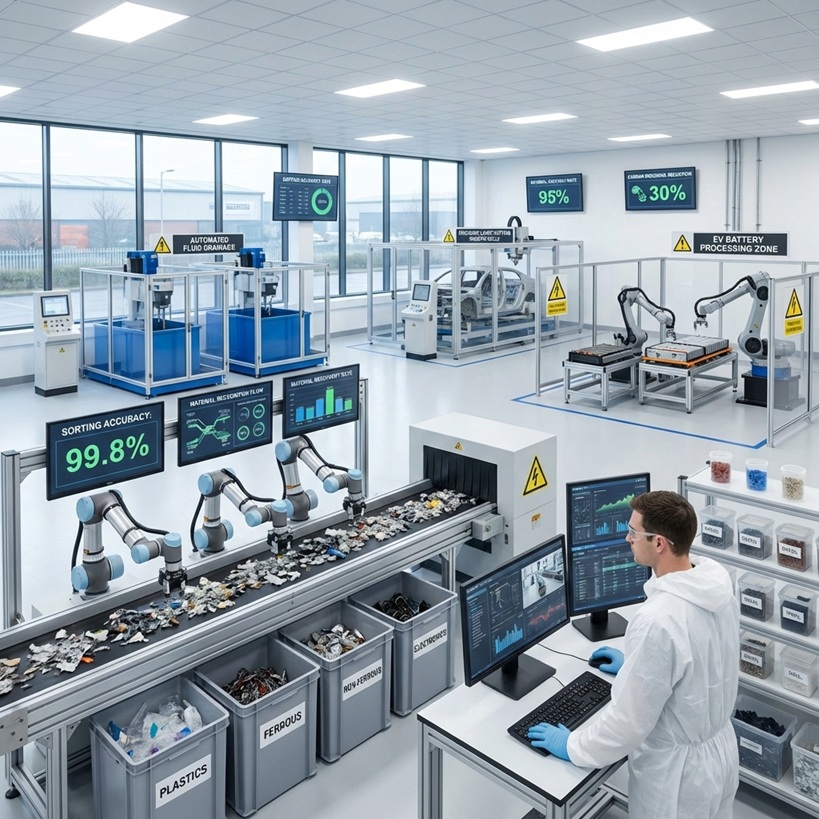
Modern recycling facilities are no longer cluttered scrapyards. Instead, they are high-efficiency operations using advanced machinery, robotics, and data systems to extract every possible ounce of value from end-of-life vehicles. Scrap Car Network works with partners at the cutting edge of this transformation, reducing waste and inspiring innovation across the automotive industry.
The Unexpected Innovation in Scrap Car Recycling
Authorised Treatment Facilities (ATFs) are at the forefront of change. These licensed centres are designed to process vehicles safely, ensuring that materials are reused rather than wasted. The innovation in vehicle recycling taking place inside these facilities has reshaped the perception of what a scrap yard can be.
Cutting-edge techniques now allow ATFs to dismantle cars piece by piece, salvaging valuable metals, plastics, and components, instead of simply crushing and discarding vehicles. Modern recyclers separate materials with surgical precision. This efficiency drives both environmental and economic gains.
The Circular Economy and Car Recycling
Scrap car recycling plays a pivotal role in the circular economy, a model built around keeping materials in use for as long as possible. Instead of extracting new raw materials, recyclers recover valuable components and feed them back into manufacturing.
Every car that is recycled prevents tonnes of material from ending up in landfill, while also reducing demand for mining. By keeping steel, aluminium, and plastics circulating, recyclers conserve energy. Vehicle owners who choose to scrap their car responsibly help reinforce this loop.
Technological Advancements in Scrap Processing
The world of recycling has advanced significantly over the past two decades. Gone are the days of simple crushing; now, machines can sort materials with incredible accuracy.
Large-scale shredders and density separators have transformed the recycling process. Vehicles are shredded into small fragments, which are then separated by weight and composition. Artificial intelligence and sensor-driven systems now identify materials more effectively than ever before.
Advanced Dismantling Techniques
Before a car is ever shredded, it must be meticulously dismantled. This stage is critical to ensuring that hazardous materials and reusable components are dealt with correctly.
Technicians remove harmful substances such as fuel, brake fluid, and refrigerants. Engines, catalytic converters, and transmissions are carefully removed for resale or refurbishment. To see this process in action, understand our environmentally responsible process which details how vehicles are depolluted safely.
Innovation in Action: Real-World Examples
Innovation in vehicle recycling is happening right now across the UK. Recycled metals and plastics from cars are finding their way into countless products, from building materials to new automotive parts. Tyres can be converted into rubber crumb used in playground flooring.
I once visited a facility where they were trialing a new laser-sorting machine for plastics. It looked like something out of a sci-fi movie. It could distinguish between five different types of black plastic dashboard fragments in milliseconds, shooting them into different bins with jets of air. It turned what used to be mixed waste into high-grade raw material for new car interiors.
Electric Vehicle Battery Recovery
As electric vehicles grow in popularity, battery recycling has become a key focus. Lithium, cobalt, and nickel can be extracted from used batteries, supporting the sustainable growth of the EV market.
Working with certified recyclers ensures that these hazardous materials are handled correctly. Through partnerships with Authorised Treatment Facilities, these complex recycling processes are performed safely.
The Future of Car Recycling
The future of car recycling is accelerating quickly. As global industries shift toward renewable energy and sustainable design, car recycling will play a central role in material recovery.
Emerging systems are enabling closed-loop recycling, where materials from old cars are used directly to manufacture new vehicles. Recycling operations are increasingly data-driven. Real-time monitoring and automated sorting allow facilities to operate with greater precision.
Getting Involved in Sustainable Car Scrapping
Supporting sustainability can be as simple as scrapping a vehicle responsibly. Using a trusted service ensures that materials are recycled and reused rather than wasted.
Choosing an accredited network guarantees that your car is handled ethically. You can get an instant quote and be confident that it will be processed through approved facilities. For those recycling commercial vehicles, it is equally easy to scrap your van through our eco-friendly service.
Conclusion
Scrap car recycling has become one of the most dynamic examples of sustainability in action. What was once viewed as waste is now a catalyst for innovation, supporting new industries, technologies, and green jobs.
Through advanced dismantling, automation, and circular design, recyclers are proving that environmental progress and economic success can work hand in hand. When individuals choose ethical recycling options, they fuel a broader system of innovation that benefits everyone.
Those ready to take that step can find out how to notify the DVLA and play an active part in shaping a greener, more efficient future. Call 0300 100 0027 if you have questions about the technology used to process your vehicle.