Scrap Car Market Forecast: What to Expect in the Next Decade
12th Jan, 2026
One of the most vital yet often overlooked parts of the automotive sector is the scrap car industry . As vehicles reach the end of their lifespan, they enter a system that reclaims valuable materials, supports sustainable manufacturing, and reduces environmental impact.
In the coming years, the market is expected to evolve rapidly, driven by new technology, environmental legislation, and shifting consumer behaviour. This scrap car market forecast explores how these forces will shape the future of the scrap car market over the next decade.
The Current State of the Scrap Car Market
The scrap car market plays a crucial role in the circular economy. Every end-of-life vehicle (ELV) contributes to a supply chain of metals, plastics, and components that can be reused and recycled. In the UK alone, hundreds of thousands of cars are scrapped annually through licensed Authorised Treatment Facilities (ATFs).
These facilities ensure that vehicles are depolluted, dismantled, and processed in compliance with environmental laws. Recovered materials are then reintroduced into the manufacturing industry, reducing the demand for new raw resources and cutting carbon emissions.
Key Takeaways:
- The scrap car market underpins sustainable automotive production.
- Authorised Treatment Facilities manage recycling in compliance with regulations.
- Recovered materials support a more circular and efficient economy.
Factors Influencing the Scrap Car Market
Several dynamic factors determine the state and profitability of the scrap car market. Among the most influential are metal prices and economic conditions.
When the price of scrap metal rises, the value of end-of-life vehicles increases accordingly. This creates more incentive for individuals and businesses to recycle. Conversely, during economic downturns, consumers often retain older vehicles longer, temporarily reducing the supply of cars available for scrapping.
The global shift toward electric vehicles (EVs) and changing government policies on emissions are also influencing the future of the scrap car market. As older petrol and diesel cars are phased out, recycling volumes and materials recovery will expand.
Key Takeaways:
- Scrap metal prices and economic stability directly impact the market.
- High metal demand increases the value of scrap vehicles.
- EV adoption and emission policies influence recycling trends.
Technological Advancements in Car Recycling
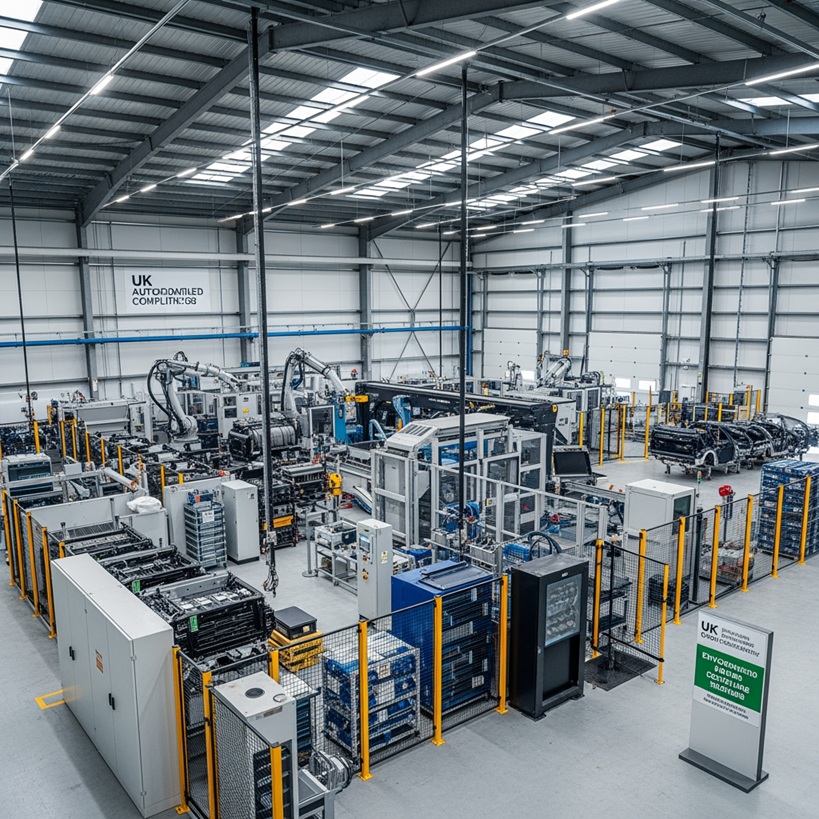
The next decade will see technology revolutionise vehicle recycling. Advanced dismantling systems, AI-based material sorting, and precision shredding equipment are improving recovery rates and reducing waste.
Robotics and automation are now used to identify, separate, and process recyclable components. These innovations help recyclers meet stricter sustainability standards while maximising the resale value of recovered materials.
Digital tools also enhance transparency and traceability within the recycling process. Platforms such as the Scrap Car Network online car recycling system simplify car collection and valuation, ensuring both compliance and convenience.
Key Takeaways:
- Automation and robotics improve dismantling efficiency.
- AI technology enhances material sorting and recycling rates.
- Digital platforms simplify the customer experience and ensure transparency.
Environmental Regulations and Compliance
Environmental legislation continues to play a defining role in the scrap car market forecast. In the UK, the End-of-Life Vehicles (ELV) Directive sets strict recycling and recovery standards. It requires that at least 95% of every scrapped vehicle is recovered, reused, or recycled.
Licensed Authorised Treatment Facilities (ATFs) are legally responsible for adhering to these standards. They handle hazardous materials, such as oil, coolant, and batteries, safely and in compliance with environmental law.
To ensure transparency, car owners receive a Certificate of Destruction (CoD) once the process is complete, confirming that the vehicle has been dismantled responsibly. You can learn more about this by reviewing the legal steps to notify DVLA after scrapping your car.
Key Takeaways:
- The ELV Directive ensures environmentally safe vehicle recycling.
- ATFs guarantee full compliance with legal and environmental standards.
- Transparency and certification are essential to maintaining public trust.
Economic Trends and Market Cycles
The performance of the broader economy has a significant impact on the future of the scrap car market. During recessions, new car sales decline as consumers delay purchases and maintain older vehicles longer. This results in fewer cars being scrapped in the short term.
However, when economic conditions improve, replacement cycles resume, creating a surge in scrapping activity. The cyclical nature of the market means recyclers must plan for fluctuations in demand and material prices.
Global economic shifts, trade tariffs, and currency volatility can also influence export opportunities for recycled metals and parts. Maintaining flexible supply chains and strong relationships with recycling partners will be essential for long-term growth.
Key Takeaways:
- The scrap car market mirrors wider economic trends.
- Recessions slow recycling activity; recoveries increase it.
- Global trade dynamics affect export opportunities and material values.
Regional Variations Across the UK
Regional variations affect scrap car prices and recycling activity. Urban centres such as London or Birmingham often see higher demand for car scrapping due to stricter emission zones and congestion charges. In contrast, rural areas may retain vehicles longer due to limited transport alternatives.
Local environmental policies, accessibility of recycling centres, and regional economic factors all contribute to differing market dynamics. Scrap Car Network provides tailored local services to reflect these variations, including options to scrap your car in Preston and other locations nationwide.
Key Takeaways:
- Regional markets differ due to local regulations and economic conditions.
- Urban areas experience higher scrapping activity.
- Localised services ensure fair prices and convenient collection.
The Role of Authorised Treatment Facilities (ATFs)
ATFs are central to the integrity and safety of the scrap car market. These licensed facilities are equipped to depollute and dismantle vehicles according to UK law. They extract reusable components, recycle metals, and safely dispose of hazardous waste.
Working exclusively with ATF partners, Scrap Car Network guarantees that every car is processed responsibly and in compliance with the latest environmental regulations. This protects both customers and the environment from the risks of illegal or unsafe scrapping practices.
Key Takeaways:
- ATFs ensure safe and environmentally sound recycling.
- They uphold the UK’s legal and environmental standards.
- Partnering with ATFs guarantees responsible and transparent processing.
Consumer Behaviour and Changing Attitudes
Consumer awareness is transforming the future of the scrap car market. Growing concern about environmental sustainability has encouraged more drivers to recycle responsibly rather than abandon or sell vehicles informally.
In addition, the transition towards electric and hybrid vehicles is accelerating the replacement of older, less efficient petrol and diesel models. This trend is expected to increase scrapping volumes as governments continue to enforce emission reduction policies.
The ease of access to online recycling platforms, such as the Scrap Car Network instant quote system, has also made responsible scrapping more convenient for the public, reinforcing ethical recycling habits.
Key Takeaways:
- Environmental awareness is driving more responsible scrapping.
- EV adoption is expected to increase recycling volumes.
- Online services make car recycling simpler and more transparent.
Future Innovations and Opportunities
Over the next decade, innovation will be the key driver of growth in the scrap car sector. The development of EV battery recycling technology represents a major opportunity. These batteries contain valuable metals like lithium and nickel, which can be recovered and reused in future battery production.
Research into alternative applications for recycled materials is also expanding. Tyres may be repurposed into asphalt and construction products, while plastics can be processed into new vehicle components.
As part of its commitment to innovation, Scrap Car Network continues to work with its partners to adopt sustainable practices that maximise recovery rates and minimise waste.
Key Takeaways:
- Battery recycling will shape the next generation of auto recycling.
- Recycled materials are finding new, sustainable applications.
- Innovation drives efficiency, profitability, and environmental progress.
Actionable Steps for Car Owners and Businesses
Both individual car owners and businesses can benefit from understanding the evolving scrap market landscape.
For car owners:
- Get an instant quote to scrap any car and find its current value.
- Use the free nationwide car collection service for convenient and responsible disposal.
- Always confirm your recycler is an authorised ATF and request a Certificate of Destruction.
For businesses:
- Monitor trends in metal prices and recycling technology.
- Invest in compliance, training, and sustainable processing.
- Partner with trusted recyclers such as Scrap Car Network’s ATF network to ensure legal and efficient operations.
Outlook for the Next Decade
The scrap car market forecast for the next ten years points to a more innovative, regulated, and environmentally conscious industry. As electric vehicles become the norm, recycling technology will evolve to manage complex materials.
With economic recovery cycles, increasing regulation, and public awareness driving demand, the scrap sector is expected to play a vital role in supporting the UK’s sustainability goals. Businesses that adapt early, through innovation, compliance, and collaboration, will be best positioned to succeed in this evolving market.