Middle East Scrap Car Market: Trends to Watch
26th Feb, 2026
The Middle East scrap car market has been quietly transforming itself while most people weren’t paying attention. After decades of regional evolution from a place where old cars simply disappeared into the desert to a sophisticated recycling powerhouse, the transformation is remarkable.
What’s happening across the Gulf states and broader Middle East isn’t just about getting rid of old bangers anymore. It’s become a proper industry with real economic muscle, environmental awareness, and technological innovation that would make even the most seasoned European operators take notice.
The numbers tell quite a story. The Middle East scrap car market is projected to grow significantly over the next decade, driven by everything from government regulations to changing consumer attitudes. Behind these statistics lies a fascinating shift in how an entire region thinks about vehicle end-of-life management.
Economic Drivers Reshaping the Industry
The oil-rich economies of the Gulf have historically meant that cars were often treated as disposable items. When petrol costs pennies and prosperity flows freely, people tend to upgrade vehicles more frequently than their counterparts in other regions.
But here’s where it gets interesting. Even wealthy nations are starting to see the economic sense in proper scrap car processing. The raw materials recovered from a single vehicle can be worth hundreds of pounds, and when you’re processing thousands of cars monthly, those numbers add up quickly.
Facilities across Dubai have reported recovering more copper from car wiring harnesses than some traditional mining operations. The electronics in modern vehicles contain precious metals that make every scrapped car a mini treasure trove. It’s that simple.
I remember chatting with a facility manager in Abu Dhabi a few years back during a trade conference. He told me they’d just processed a batch of luxury vehicles from a hotel fleet upgrade. The platinum from the catalytic converters alone paid for two months of operating costs. That’s when it really hit me – the Middle East wasn’t just catching up with recycling, they were turning it into serious business.
The economic incentives have shifted dramatically. Where once it might have been cheaper to simply abandon vehicles, the rising value of recycled materials has made proper processing profitable:
- Steel prices creating value in vehicle frames
- Copper values from wiring and electrical systems
- Rare earth metals from electronics and catalysts
- Aluminium recovery from engine blocks and panels
- Plastic markets for recycled automotive polymers
Regional governments are also recognising the economic potential. Investment in proper recycling infrastructure creates jobs, reduces import dependency for raw materials, and positions these nations as leaders in sustainable practices. The financial benefits extend far beyond simple material recovery. When you get an instant quote to scrap any car, similar economic factors influence the valuation.
Regulatory Framework Evolution
The regulatory landscape across the Middle East has undergone a remarkable transformation. Countries that once had minimal oversight of vehicle disposal now boast comprehensive frameworks that rival European standards.
Saudi Arabia’s Vision 2030 includes specific targets for waste reduction and recycling, with vehicle end-of-life management playing a crucial role. The kingdom has introduced:
- Mandatory recycling quotas for facilities
- Certification requirements for scrap dealers
- Environmental compliance standards
- Binding requirements with real enforcement mechanisms
These aren’t merely aspirational goals, they’re binding requirements with real enforcement mechanisms.
The UAE has implemented some of the region’s most progressive regulations. Their approach mirrors what’s seen in the UK, requiring proper documentation, environmental compliance, and certified destruction processes. Scrap Car Network has observed similar patterns emerging across multiple jurisdictions, creating a more standardised approach to vehicle disposal.
Regulations meeting reality has produced mixed results. The transition hasn’t always been smooth. Smaller operators have struggled to meet new compliance requirements, leading to industry consolidation. The survivors are typically larger, more professional operations with proper facilities and trained staff.
Qatar’s preparations for hosting major international events accelerated their regulatory development. They needed world-class environmental standards quickly, and vehicle recycling was part of that broader push towards environmental responsibility.
These regulatory changes aren’t just bureaucratic exercises. They’re creating genuine improvements in how vehicles are processed, what materials are recovered, and how environmental impacts are managed across the entire Middle East scrap car market.
Technology Integration and Innovation
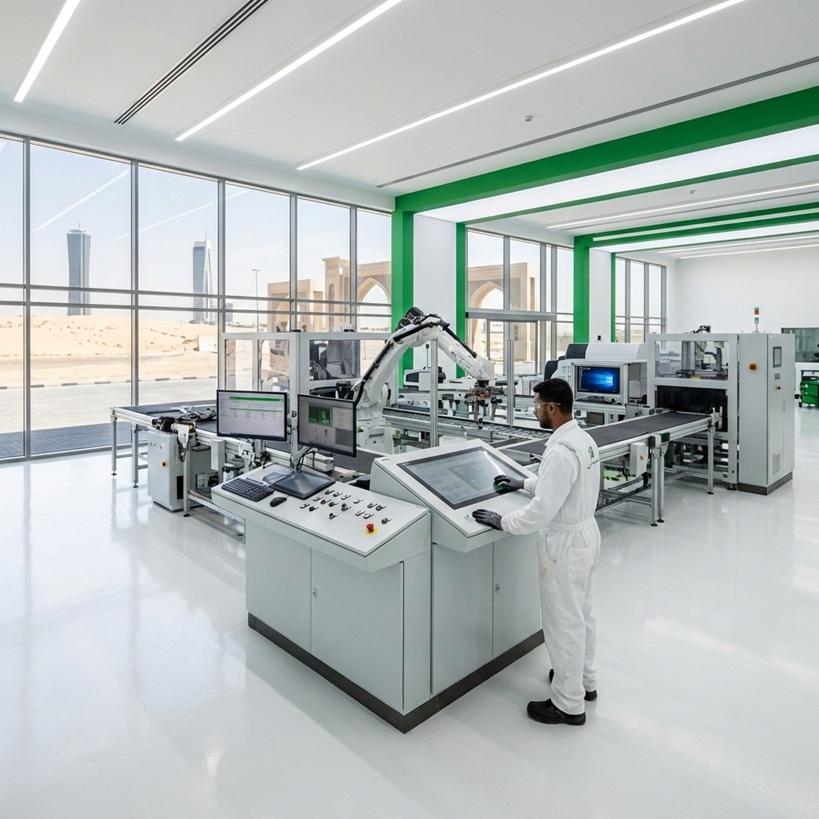
The technological leap happening across the region would surprise many people. These aren’t just traditional scrapyards with a few modern touches, they’re becoming genuinely sophisticated operations that rival facilities anywhere globally.
Automated dismantling systems are appearing in facilities from Kuwait to Oman. These systems can strip a vehicle of valuable components faster and more thoroughly than traditional manual methods. The precision is remarkable, and the recovery rates are impressive. Think of it like the difference between hand-washing dishes and using a commercial dishwasher – both get the job done, but one’s far more efficient.
Gulf region dismantling operations now employ digital tracking systems that monitor vehicles from collection through final processing:
- Every component logged and tracked
- Every material stream monitored
- Every environmental impact measured
- Complete vehicle biography created
It’s like having a complete biography of every car that enters the system.
Facilities in the Emirates use AI-powered sorting systems that can identify different types of plastics, metals, and other materials with accuracy that exceeds human capabilities. The speed and precision of these systems are transforming recovery rates and creating new revenue streams from materials previously considered waste.
Mobile applications are changing how consumers interact with scrap car services. Instead of making phone calls and waiting for quotes, people can:
- Upload photos of vehicles
- Receive instant valuations
- Schedule collection appointments
- Track vehicle processing
- Receive payment confirmation
The convenience factor has revolutionised customer expectations.
The integration of IoT sensors in processing equipment provides real-time monitoring of everything from material flow rates to environmental conditions. This data helps optimise operations and ensures compliance with increasingly strict environmental standards. Our network of Authorised Treatment Facilities employs similar advanced tracking and compliance systems.
Environmental Consciousness Rising
The environmental awareness sweeping through the Middle East represents one of the most significant shifts in regional attitudes witnessed in recent years. Countries once focused purely on economic growth are now balancing prosperity with environmental responsibility.
Climate commitments made by regional governments are driving real changes in how end-of-life vehicles are handled. The UAE’s pledge to achieve net-zero emissions by 2050 includes specific provisions for improving recycling rates across all sectors, including automotive.
Water scarcity concerns are influencing processing methods dramatically. Traditional car washing and cleaning processes have been replaced with:
- Waterless cleaning alternatives
- Closed-loop systems recycling every drop
- Innovative dry processing methods
- Environmental adaptations for precious resources
When water is precious, innovation follows naturally.
The circular economy concept is gaining serious traction across the region. Instead of the traditional linear model of make-use-dispose, there’s growing interest in keeping materials in productive use for as long as possible. This represents a fundamental shift in thinking about resource management.
Regional partnerships with international environmental organisations are bringing best practices and advanced technologies to local markets. These collaborations are accelerating the adoption of cleaner, more efficient processing methods throughout Gulf region dismantling facilities.
Young consumers across the region are driving demand for environmentally responsible disposal options. They’re asking questions about where their old cars go and what happens to the materials. This generational shift is forcing the industry to become more transparent and accountable.
Regional Market Dynamics
Each country in the Middle East brings unique characteristics to the scrap car market, creating a complex but fascinating regional ecosystem. The differences between markets can be as dramatic as the similarities.
Saudi Arabia’s sheer size makes it the region’s heavyweight. The volume of vehicles reaching end-of-life creates economies of scale that smaller markets can’t match. Their processing facilities are among the largest and most advanced in the region, handling thousands of vehicles monthly.
The UAE’s position as a regional hub means they process vehicles from multiple countries. Cars imported from across the Gulf often end up in Emirati facilities, creating a truly international market dynamic that influences pricing and processing standards.
Kuwait’s wealth per capita means their vehicle turnover rates are exceptionally high. People replace cars frequently, creating a steady stream of relatively young vehicles entering the scrap market. These cars often have:
- Higher residual values
- More recoverable materials
- Better-condition components
- Stronger parts demand
Oman’s geographic position makes it a natural collection point for vehicles from across the Arabian Peninsula. Their processing facilities serve markets well beyond their borders, creating cross-border material flows.
The contrast between oil-rich Gulf states and other Middle Eastern countries creates interesting cross-border flows. Vehicles that might be considered scrap in wealthy nations often find second lives in markets with different economic conditions. Understanding these patterns helps operators optimise their car recycling strategies. For UK vehicle owners looking to find out how to scrap your car easily, similar principles of matching vehicle condition to processing method apply.
Infrastructure Development Surge
The infrastructure supporting the Middle East scrap car market has expanded dramatically over the past decade. What were once informal operations have evolved into industrial-scale facilities with sophisticated equipment and processes.
Purpose-built recycling facilities are appearing across the region, designed from the ground up for efficient vehicle processing:
- Specific engineering for automotive recycling
- Proper environmental controls from start
- Advanced depollution systems
- Material separation technologies
- Not converted warehouses or repurposed sites
Transportation networks connecting collection points with processing facilities have become increasingly sophisticated. GPS tracking, route optimisation, and fleet management systems ensure efficient movement of vehicles across often vast distances. The logistics rival those of major retail distribution networks, similar to how our free nationwide scrap car collection service operates.
Storage and inventory management systems help facilities handle the seasonal fluctuations in vehicle volumes. Advanced planning systems predict demand and ensure adequate capacity during peak periods, preventing bottlenecks that once plagued the industry.
The development of specialised equipment manufacturing within the region reduces dependence on imported machinery. Local production of shredders, balers, and sorting equipment is creating a more self-sufficient industry ecosystem that responds better to regional needs.
Training facilities and educational programmes are developing the skilled workforce needed to operate increasingly complex recycling operations. Technical expertise that was once imported is now being developed locally through partnerships with international institutions.
Consumer Behaviour Shifts
The way people think about disposing of their vehicles has changed dramatically across the Middle East. Traditional approaches are giving way to more informed, environmentally conscious decision-making patterns.
Convenience expectations have risen sharply. Consumers want the same level of service they receive from other industries:
- Quick responses to enquiries
- Transparent pricing structures
- Professional service delivery
- Reliable execution and follow-through
The days of accepting substandard service are gone.
Price awareness has increased significantly. Where people once accepted whatever price was offered, they now shop around, compare quotes, and understand the factors that influence vehicle values. Understanding what factors influence scrap car prices helps consumers make informed decisions. Online platforms have democratised pricing information.
Documentation requirements are better understood and generally accepted. The paperwork that once seemed burdensome is now recognised as necessary protection for both sellers and buyers, creating a more transparent market.
Environmental considerations are influencing consumer choices more than ever. People are asking about:
- Recycling rates at facilities
- Environmental compliance certifications
- Material processing methods
- Post-collection vehicle fate
This scrutiny is driving industry improvements.
The rise of online platforms has changed how people research and select scrap car services. Reviews, ratings, and recommendations play increasingly important roles in decision-making, forcing operators to maintain high service standards.
Material Recovery Innovation
The sophistication of material recovery operations across Gulf region dismantling facilities has reached levels that would impress operators anywhere in the world. The focus has shifted from basic metal recovery to comprehensive material recapture.
Advanced sorting technologies can separate materials with precision that was unimaginable just a few years ago:
- Optical sorting for plastics
- Magnetic separation for ferrous metals
- Density-based sorting systems
- Eddy current separators for non-ferrous metals
These systems recover materials that were once lost to waste streams, improving profitability.
Plastic recovery has become particularly sophisticated. Different types of automotive plastics require different processing approaches, and regional facilities are developing expertise in handling these varied material streams. The complexity rivals pharmaceutical manufacturing in some respects.
Battery processing capabilities are expanding rapidly as electric and hybrid vehicles become more common. The valuable materials in automotive batteries require specialised handling and processing techniques that differ entirely from traditional vehicle components.
Fluid recovery systems capture and process everything from engine oil to brake fluid. These systems not only prevent environmental contamination but also recover materials that have commercial value in secondary markets.
The development of local markets for recovered materials reduces dependence on export markets and creates more stable pricing for recycled materials. This vertical integration strengthens the entire value chain, similar to how our environmentally responsible car recycling process operates in the UK.
Investment and Partnership Trends
The flow of investment into the region reflects growing confidence in the sector’s long-term prospects. Both regional and international investors are recognising the opportunities presented by regulatory support and growing volumes.
International partnerships are bringing advanced technologies and operational expertise to regional markets. These collaborations combine:
- Local market knowledge
- International best practices
- Advanced processing technologies
- Operational expertise
- Creating operations exceeding independent achievements
Government investment in recycling infrastructure is creating the foundation for industry growth. Public sector support provides the stability needed for private sector investment in facilities and equipment, reducing risk for commercial operators. Understanding the advantages of choosing our service helps vehicle owners select responsible recycling partners.
Private equity interest in recycling operations is increasing steadily. Investors see the combination of regulatory support, growing volumes, and improving technology as creating attractive investment opportunities with strong growth potential.
Joint ventures between regional operators and international companies are becoming more common. These partnerships provide access to technology, markets, and expertise that might otherwise be difficult to obtain, accelerating industry development.
The development of regional supply chains for recycling equipment and services is creating investment opportunities throughout the value chain, from equipment manufacturing to logistics services.
Future Market Projections
Looking ahead, the market appears poised for continued growth and evolution. Several trends suggest the next decade will bring even more significant changes to how the region handles end-of-life vehicles.
Electric vehicle adoption will fundamentally change the materials being processed:
- Lithium-ion battery recycling
- Electric motor component recovery
- Sophisticated electronics handling
- New revenue streams from battery materials
Autonomous vehicle technology could change collection and processing logistics entirely. Self-driving cars might eventually drive themselves to recycling facilities, reducing transportation costs and improving efficiency across the supply chain.
The circular economy concept will likely become more embedded in regional thinking. Design for recycling, material passports, and extended producer responsibility could all influence how the industry develops over the coming years.
Climate commitments will continue driving demand for improved recycling rates and reduced environmental impacts. The pressure to demonstrate environmental responsibility will only increase as international scrutiny intensifies.
Regional integration could create larger, more efficient markets. Harmonised regulations and reduced trade barriers might enable greater specialisation and economies of scale that benefit the entire Middle East scrap car market.
If you’d like to get in touch to learn more about vehicle recycling best practices, the industry’s evolution continues, shaped by technology, regulation, and environmental necessity.