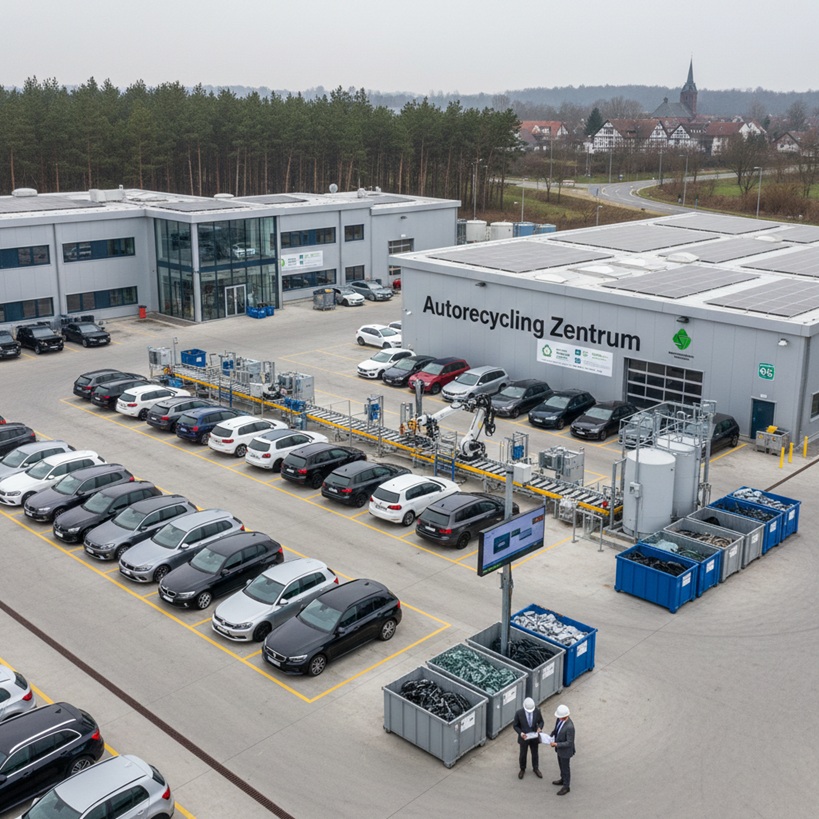
Lessons from Germany’s Strict Recycling Laws
2nd Feb, 2026
Germany’s approach to car recycling has become a model for countries worldwide. Renowned for its precision, efficiency, and environmental awareness, the nation has built a system that prioritises sustainability from the moment a car is designed to the day it’s dismantled.
The German car recycling laws don’t just aim to reduce waste. They represent a commitment to accountability, innovation, and environmental protection. Understanding these regulations offers valuable insights into how the global car scrapping industry can evolve responsibly. Scrap Car Network follows similar principles by ensuring every vehicle is processed through certified facilities that meet rigorous environmental standards.
The German Approach to Car Recycling
Germany treats recycling as a legal obligation, not a voluntary act. The German car recycling regulations enforce strict guidelines on how end-of-life vehicles (ELVs) must be managed, ensuring that they are depolluted, dismantled, and recycled in environmentally sound facilities.
This system extends from manufacturers to dismantlers and recyclers, creating a closed-loop process that keeps waste to a minimum and maximises material recovery.
For a UK comparison, understanding our environmentally responsible car recycling process shows how certified recycling standards are upheld through similar frameworks.
Key Takeaways:
- Germany car recycling laws make recycling mandatory and highly regulated
- Strict processes protect the environment from hazardous materials
- The system promotes sustainability and resource efficiency
What Makes Germany’s Car Recycling Laws So Strict?
Germany’s regulations stand out because of their extended producer responsibility (EPR) model. Under these laws, car manufacturers are legally responsible for taking back their vehicles once they reach the end of their life.
This system motivates manufacturers to design vehicles that are easier to dismantle and recycle, reducing waste generation in the first place. Additionally, the German car recycling regulations impose high recovery and reuse targets, ensuring that a significant percentage of every car is recycled or reused rather than discarded.
All recycling operations must be carried out in Authorised Treatment Facilities (ATFs), which are closely monitored and audited to guarantee full compliance.
I had a mate who worked at a German recycling facility near Stuttgart for a few years. He told me about the inspections they’d get, unannounced visits where auditors would check everything from fluid storage to the paperwork trail for every single component. One tiny slip and they’d be facing serious fines. That level of accountability keeps everyone honest and ensures the system actually works as intended.
Key Takeaways:
- Manufacturers must take responsibility for vehicles at end-of-life
- High recycling and recovery targets encourage sustainable design
- Strict audits ensure ATFs meet environmental and safety standards
Lessons Other Countries Can Learn
Germany’s recycling framework offers key lessons for other nations, especially when it comes to creating a culture of accountability, innovation, and environmental care.
1. Extended Producer Responsibility
By holding manufacturers accountable for the lifecycle of their vehicles, waste can be drastically reduced. When designers must think about recycling from the beginning, vehicles naturally become more sustainable and easier to disassemble.
2. Proper Treatment Facilities
High-quality recycling requires properly equipped and certified facilities. In Germany, authorised centres dismantle vehicles carefully, ensuring valuable materials such as steel, aluminium, and plastic are recovered efficiently.
Working with our network of Authorised Treatment Facilities demonstrates how standardised practices create better environmental outcomes.
3. Data-Driven Oversight
Accurate reporting, digital tracking, and frequent inspections ensure transparency across the recycling chain, reducing the risk of illegal dumping or unsafe practices.
Key Takeaways:
- Manufacturer responsibility encourages sustainable vehicle design
- Certified treatment facilities ensure environmental protection
- Oversight and data tracking build accountability and efficiency
The Environmental Impact of Responsible Recycling
The Germany car recycling laws have delivered impressive environmental results. Cars contain numerous materials that can be reused: metals, plastics, rubber, and glass, along with fluids that can cause pollution if not managed correctly.
Conserving Resources
By recycling car components, Germany reduces dependence on mining and manufacturing, conserving energy and raw materials.
Preventing Pollution
Strict rules require the safe removal and disposal of oil, coolant, and brake fluids. This prevents contamination of soil and water sources, protecting ecosystems.
Think of it like properly disposing of household chemicals. You wouldn’t pour paint thinner down your kitchen sink because you know it’ll end up in the water supply. The same principle applies to car fluids, just on an industrial scale with much stricter monitoring.
Reducing Waste
Reusing and recycling car parts keeps thousands of tonnes of waste out of landfills annually.
You can help reduce environmental impact by ensuring your vehicle is recycled ethically. Find out how to scrap your car easily and legally in the UK through certified channels.
Key Takeaways:
- Proper recycling conserves valuable materials and energy
- Safe waste management prevents pollution and environmental damage
- Reuse and recycling significantly reduce landfill dependency
The Importance of Authorised Treatment Facilities
Just as Germany mandates that recycling be carried out by licensed operators, the UK requires cars to be scrapped at Authorised Treatment Facilities (ATFs). These centres are the cornerstone of responsible recycling, ensuring that every stage of the process is legally compliant.
Each vehicle is depolluted, dismantled, and processed to recover reusable components before the shell is recycled into raw material. Working with authorised recyclers prevents environmental harm and supports industry transparency.
You can get an instant quote to scrap any car and know your vehicle will be handled safely by certified professionals.
Key Takeaways:
- ATFs are essential for safe, compliant recycling
- Licensed facilities follow strict depollution and dismantling standards
- Partnering with verified recyclers ensures ethical vehicle disposal
How These Laws Influence the Global Scrap Industry
The German car recycling regulations have influenced EU-wide policy through the End-of-Life Vehicles Directive (2000/53/EC), which sets recycling and recovery targets for all member states.
By enforcing manufacturer take-back schemes and stringent waste management requirements, Germany has helped shape global standards for sustainable car disposal. Many nations, including the UK, now follow similar frameworks to improve recycling performance.
Key Takeaways:
- Germany’s legislation inspired EU-wide recycling directives
- Global recycling standards are modelled on German efficiency and compliance
- These laws help ensure consistency across international recycling networks
How It Affects UK Drivers
Whilst UK recycling laws operate under their own national framework, they share many of the same principles as Germany car recycling laws: transparency, traceability, and environmental responsibility.
When scrapping a car, UK motorists must ensure it is processed by an ATF and that they receive a Certificate of Destruction (CoD) as proof of legal disposal. Failure to do so can result in fines or continued liability for the vehicle.
To stay compliant, it’s crucial to notify the DVLA once your car has been scrapped. Discovering the advantages of choosing certified recycling demonstrates how proper processes protect both vehicle owners and the environment.
Key Takeaways:
- UK car recycling follows similar principles to German regulations
- Always ensure you receive a Certificate of Destruction
- Notify the DVLA to avoid potential penalties or future issues
The Future of Car Recycling
The future of vehicle recycling is rapidly evolving, shaped by new technologies and the growing presence of electric vehicles (EVs). Germany is already investing heavily in EV battery recycling, setting new benchmarks for other markets to follow.
As the demand for sustainable solutions increases, more countries are likely to adopt frameworks inspired by German car recycling regulations. The goal is to create closed-loop systems where materials are reused continuously, reducing waste, emissions, and environmental damage.
Many services now offer free nationwide scrap car collection, making responsible disposal convenient and accessible for vehicle owners across the country.
Key Takeaways:
- Germany is pioneering EV battery recycling and sustainability standards
- Circular economy principles will define the next phase of global recycling
- Investment in advanced recycling technology will ensure long-term success
Conclusion
The Germany car recycling laws demonstrate how strict regulation and corporate responsibility can transform an industry. By holding manufacturers accountable, investing in authorised facilities, and enforcing high recycling standards, Germany has created a model of sustainability that the world can emulate.
For the UK, adopting similar best practices through regulated networks ensures every vehicle is recycled in a way that benefits both the environment and the economy.
From manufacturer to motorist, responsibility for sustainability is shared. Following Germany’s example shows that with the right laws, infrastructure, and awareness, the future of car recycling can be both ethical and efficient. For guidance on responsible disposal and certified recycling processes, contact us to speak with our team.