How Scrapping Cars Supports Sustainable Communities
15th Dec, 2025
Scrapping an old car might not sound like an act of community spirit. But when done responsibly, it’s one of the simplest ways an individual can support sustainability, local economies, and environmental health, all in one go.
Every scrapped car tells a story, not just of the end of its own journey, but of a wider chain reaction that ripples through towns, cities, and industries. The scrap car recycling industry supports jobs, keeps waste out of landfills, and even funds charitable causes that benefit communities directly.
In short, car scrapping isn’t about throwing something away; it’s about turning an ending into a beginning for something else.
The Environmental Angle
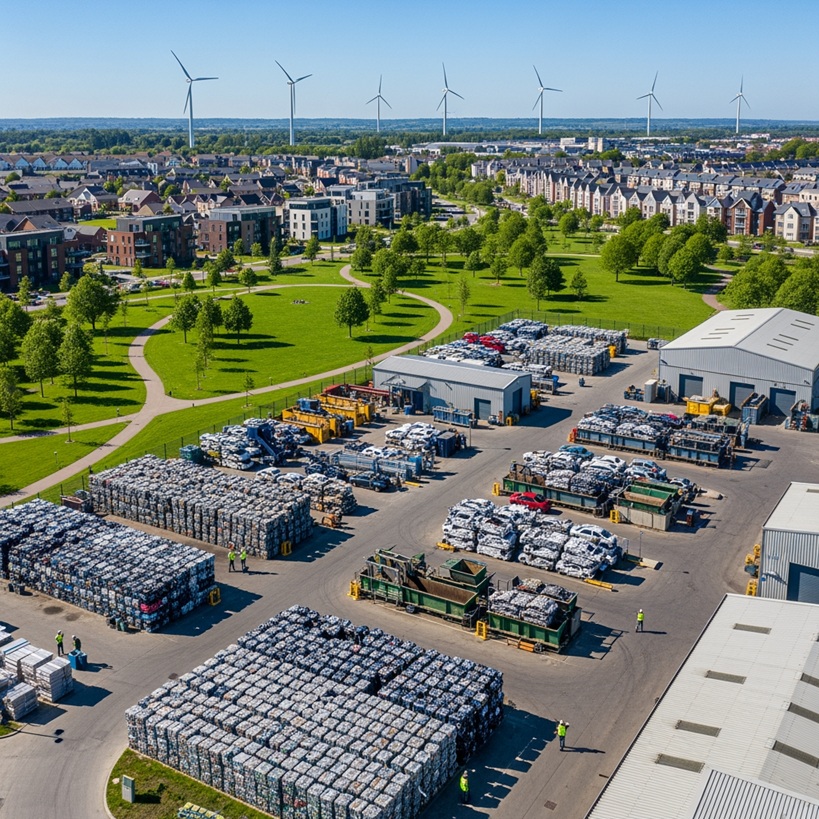
When a car reaches the end of its road life, it still holds value, not in its ability to drive, but in the materials it’s made from. Steel, aluminium, copper, glass, and plastic can all be recovered, recycled, and reused. But for that to happen, the car must go through the right process at a licensed Authorised Treatment Facility (ATF).
An ATF is a bit like a recycling plant for vehicles. Once a car arrives, skilled technicians carefully drain and remove all hazardous fluids, engine oil, brake fluid, coolant, and fuel, so none of them leak into the soil or water supply. Even components like batteries and airbags are handled safely to prevent contamination.
If this wasn’t done correctly, the result could be disastrous. Oil and coolant contain chemicals that can poison groundwater and harm wildlife. But when processed through an ATF, every harmful substance is neutralised and recycled where possible.
To see how this works in practice, you can understand our environmentally responsible car recycling process, a key part of how Scrap Car Network protects communities and the planet.
Think of an old car as a layered lasagne, full of different materials that need separating properly. Skip a layer, and the whole thing spoils. Handle each part carefully, and you get something worth reusing.
Key takeaways:
- Responsible scrapping prevents leaks and contamination.
- Recycling reduces the need for new raw materials.
- It keeps communities cleaner and reduces landfill waste.
Creating Jobs and Opportunities
Every time someone decides to scrap their car legally and responsibly, they’re helping sustain an entire network of employment. From the driver who collects the vehicle to the engineers at the ATF who dismantle it, the car recycling industry supports thousands of jobs across the UK.
These are skilled, hands-on roles, people who know how to depollute a car safely, identify reusable parts, and separate materials efficiently. And it’s not just manual work. The industry also employs administrators, compliance officers, logistics coordinators, and environmental specialists who keep the system running smoothly.
For young people, car recycling offers something rare: a stable career with practical training. A trainee can start out stripping parts, learn about vehicle components, and progress into supervisory or mechanical roles. That’s not just recycling metal, it’s recycling opportunity.
By choosing a licensed service like Scrap Car Network, drivers support this local job market. You can find out how to scrap your car easily and legally while helping sustain meaningful work within your community.
Key takeaways:
- The scrap car industry supports diverse employment.
- Workers gain real-world mechanical and environmental skills.
- Every scrapped vehicle contributes to local job growth.
Supporting Local Businesses
The effects don’t stop at the scrapyard gate. Car scrapping feeds a much larger economic ecosystem that keeps local businesses alive.
Garages maintain the trucks used for car collection. Tyre recyclers process rubber for playgrounds and construction materials. Metal merchants buy and resell reclaimed steel and copper. Even local cafés benefit when ATF staff grab their breakfast rolls on the way to work.
This network creates what economists call a circular economy, where resources, money, and skills stay within local areas instead of disappearing elsewhere.
For small towns, especially, this makes a difference. A busy ATF might employ dozens of locals directly and indirectly, helping keep nearby businesses thriving.
Key takeaways:
- Scrapping cars stimulates local economies.
- It supports a wide range of small and medium-sized enterprises.
- A thriving recycling sector keeps money circulating in the community.
Reclaiming and Reusing Materials
Every car is built from valuable materials that the environment simply can’t afford to waste. Steel, aluminium, copper, glass, and plastic can all be reclaimed and reused multiple times without losing quality.
After a car is dismantled and the fluids are drained, it’s crushed and shredded. Powerful magnets and separation systems sort each material stream so it can be processed correctly. Once melted down, that steel might become part of a building, a new car, or even the frame of a wind turbine.
This approach drastically reduces the need for mining new metals, a process that consumes huge amounts of energy and causes long-term environmental damage. Recycling, on the other hand, uses up to 75% less energy and generates far fewer emissions.
To see how Scrap Car Network ensures this process runs smoothly, explore our environmentally responsible car recycling process in more detail.
Key takeaways:
- Car scrapping reclaims high-value metals and materials.
- Recycling saves energy and reduces mining demand.
- The process directly supports global sustainability goals.
Reducing Illegal Dumping
Without reliable recycling options, more vehicles would end up abandoned on roadsides or fields, an issue that’s both unsightly and dangerous. Abandoned cars leak oil, brake fluid, and fuel, polluting the soil and water systems that nearby communities rely on.
Responsible scrapping makes the alternative easy. When drivers can get a free collection service and a fair quote, there’s no reason to dump a car illegally.
Scrap Car Network helps prevent this problem nationwide. Through our free nationwide scrap car collection service, vehicles are picked up quickly, safely, and processed through licensed facilities.
Cleaner streets and safer communities start with responsible choices.
Key takeaways:
- Car scrapping discourages illegal dumping.
- It protects public spaces and reduces pollution risk.
- Free collection makes legal disposal simple and convenient.
Contributing to Charities and Community Projects
Here’s a side of car scrapping that doesn’t get enough attention, it’s not just environmentally friendly; it’s socially generous too.
Many responsible car scrapping organisations, including Scrap Car Network, contribute a portion of their profits to local charities. These funds go toward projects such as youth programmes, community gardens, food banks, and environmental clean-ups.
When someone scraps their car through the network, they’re not just recycling metal, they’re supporting real causes. It’s a cycle of giving that starts with one simple decision to do things the right way.
You can discover the advantages of choosing Scrap Car Network and see how this process directly benefits community initiatives across the country.
Key takeaways:
- Responsible scrapping can fund charitable causes.
- Communities benefit from local reinvestment and outreach.
- Every recycled car can make a social difference.
Strengthening the Circular Economy
A circular economy is a system that keeps resources flowing instead of throwing them away after one use. In car recycling, that means metals, plastics, and even parts like catalytic converters or tyres are repurposed instead of discarded.
The automotive sector is one of the best examples of this model in action. Modern cars often contain 25% or more recycled content, much of it coming from previously scrapped vehicles. That’s proof of how effective this system can be when it works properly.
By participating in the car scrapping process, drivers play their part in reducing global resource waste and strengthening local economies at the same time.
For an inside look at this sustainability cycle, see our commitment to compliant processing through our ATF partners.
Key takeaways:
- Car recycling fuels the circular economy.
- It reduces waste while maintaining material value.
- Consumers directly contribute to sustainable industry growth.
Innovation in the Scrap Industry
The recycling world isn’t standing still. Every year, new technology improves how efficiently materials are recovered and reused.
- Automated sorting systems can now separate metals, plastics, and fabrics more accurately than ever.
- AI-driven analysis helps identify reusable parts quickly, cutting down waste.
- Battery recycling technology is evolving fast, helping manage the influx of electric vehicle batteries safely and sustainably.
All these advances make the process more efficient and environmentally responsible. And as electric vehicles become more common, these innovations will only become more vital.
Key takeaways:
- Technological innovation improves recovery rates.
- AI and automation make recycling safer and faster.
- The industry continues evolving toward greater sustainability.
The Role of Scrap Car Network
Scrap Car Network plays a central role in making this system work for everyone.
By connecting drivers with fully licensed Authorised Treatment Facilities, the network ensures that every vehicle is handled responsibly from start to finish. Customers receive fair prices, instant online quotes, and free vehicle collection, while knowing their car will be processed in an environmentally friendly way.
For commercial vehicle owners, you can even scrap your van with our specialised, eco-friendly service, a hassle-free way to ensure compliance with environmental standards.
It’s about simplicity, fairness, and responsibility, values that benefit both the customer and the community.
Key takeaways:
- Scrap Car Network ensures full compliance through licensed ATFs.
- It offers free collection and fair, transparent pricing.
- The service supports sustainability and community welfare.
Real-World Impact: A Case Example
Take a small town in northern England where the local ATF partners with Scrap Car Network. Each month, dozens of vehicles are collected and recycled through the system. The reclaimed steel is sent to British smelters, creating materials for new car parts. The income generated supports local staff wages and funds donations to nearby charities.
The result? Cleaner streets, new employment opportunities, and reinvestment into the same community where the vehicles came from. That’s what sustainable scrapping looks like in practice.
Conclusion
Scrapping a car isn’t just about clearing space in your driveway; it’s about creating a sustainable chain of positive outcomes. From reducing pollution to supporting jobs, boosting local businesses, and funding charitable work, it’s one of the most practical forms of environmental action available to everyday drivers.
Each car recycled responsibly is a small act of progress that strengthens our communities and reduces our collective footprint.
So, when it’s time to retire your old motor, make sure it goes out the right way, with a service that values sustainability, responsibility, and transparency.
Whether you’re ready to get an instant quote to scrap any car, scrap your car in Preston, or simply contact us for advice, Scrap Car Network helps you do your bit for the environment and your community.
Actionable Next Steps
- Get an instant quote to scrap any car quickly and responsibly.
- Learn about car recycling and its environmental benefits to see how your choice supports sustainability.
- Contact us if you need help or guidance on vehicle scrapping.