How Scrap Cars Inspire Video Game Worlds
22nd Jan, 2026
In the world of digital design, realism and imagination often meet in unexpected places. One of the most intriguing sources of artistic inspiration is the humble scrap car. To video game developers, scrap cars in video games are not just background props; they’re storytelling tools, environmental markers, and symbols of decay, memory, and transformation.
From racing titles to sprawling open-world adventures, artists use worn-out vehicles to bring virtual environments to life. These representations draw directly from the real world, where scrap metal, corrosion, and rust tell stories of age, neglect, and survival.
The Beauty in Decay
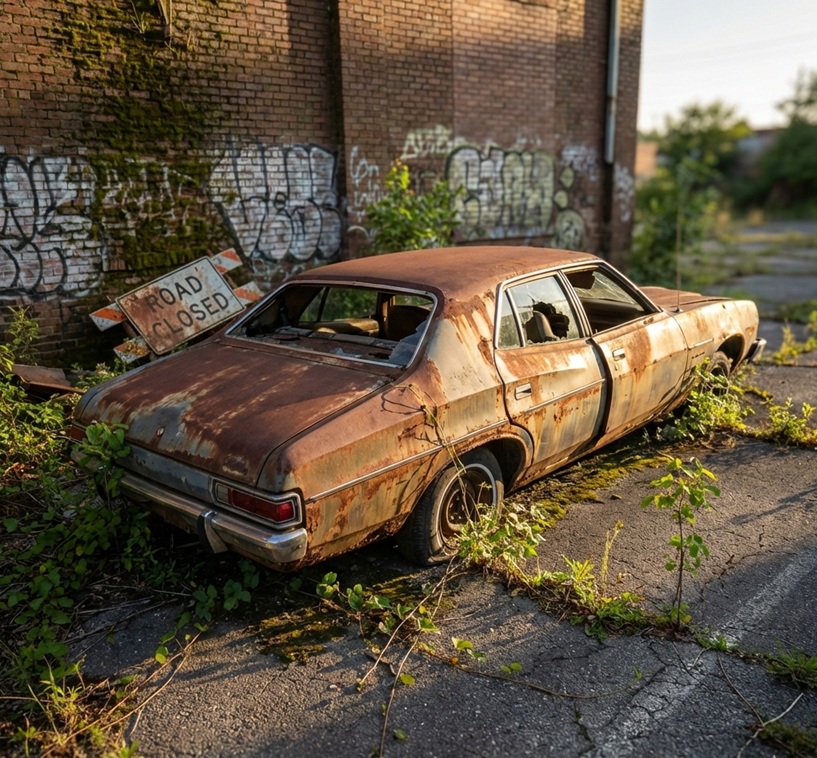
Modern game environments rely heavily on visual authenticity. Few things embody this better than old, damaged cars. Their corroded textures, broken frames, and missing parts help communicate history and atmosphere in a way that polished vehicles cannot.
Why Designers Use Decay
A pristine car might be aesthetically pleasing, but it lacks depth. By contrast, a scrap car covered in rust, dents, and peeling paint tells a story. In digital design, imperfection equals realism. These details evoke emotion, hinting at a world that has lived, changed, and weathered time.
In cars in post-apocalyptic games, these elements become particularly powerful. A destroyed vehicle suggests chaos, disaster, or the remnants of civilisation. The combination of beauty and ruin gives artists an opportunity to balance realism with narrative meaning.
Key Takeaways:
- Scrap cars bring texture, history, and realism to digital environments.
- Decay enhances emotional and visual depth in video game worlds.
- Imperfection tells stories of survival, loss, and transformation.
The Art of Environmental Storytelling
A core principle in modern game design is environmental storytelling, the ability to tell a narrative through the setting itself. A single wrecked car can reveal a world’s history, its disasters, and its inhabitants’ struggles without a single line of dialogue.
Creating Context Through Detail
In scrap cars in video games, placement is everything. A rusted vehicle under a collapsed bridge might suggest a hasty escape. A crushed van surrounded by weeds implies abandonment. Even the smallest environmental choices can guide players toward understanding a world’s past.
These visual cues shape player immersion, making them feel like explorers piecing together clues rather than passive observers.
Key Takeaways:
- Scrap cars are essential tools in environmental storytelling.
- Their placement and condition communicate unseen narratives.
- Visual design encourages immersion and emotional engagement.
Games That Get It Right
Some video games have mastered the use of scrap cars to enhance their worlds, blending realism with creativity and emotional storytelling.
Fallout Series
The Fallout franchise offers one of the most recognisable examples of cars in post-apocalyptic games. Set in a nuclear wasteland, its landscapes are filled with decayed vehicles from a bygone era. These remnants symbolise both the lost world of luxury and the devastating impact of technology gone wrong.
Each rusted shell or burnt-out vehicle enriches the game’s themes of survival, nostalgia, and environmental ruin.
Metro Series
The Metro games, set in post-war Moscow, make extensive use of abandoned vehicles to build atmosphere. Surface areas are littered with old trams, buses, and cars, many repurposed as shelters, barricades, or makeshift workshops. The attention to mechanical detail and weathering gives the world weight and authenticity.
The Last of Us and Horizon Series
Games like The Last of Us and Horizon: Zero Dawn also incorporate scrap cars to highlight the contrast between human creation and natural reclamation. The vehicles scattered across their landscapes become visual metaphors for civilisation overtaken by time.
Key Takeaways:
- Fallout and Metro use scrap vehicles to define post-apocalyptic identity.
- Detailed vehicle design enhances immersion and believability.
- Other major titles use car remnants as emotional and thematic devices.
From Wreckage to Wonder
While cars in post-apocalyptic games often symbolise destruction, scrap cars also play an important role in more conventional genres such as racing, urban simulation, and adventure games.
Realism in Everyday Worlds
In urban racing titles, damaged or abandoned cars add realism to street environments. A cluttered back alley filled with broken-down vehicles conveys urban density far better than an empty, sterile street.
Nostalgia and Connection
Detailed vehicle modelling can also evoke powerful emotional responses. Players may recognise car shapes or models similar to those from their own lives, fostering connection and nostalgia. Designers carefully select these vehicles to ground fantasy environments in relatable familiarity.
Key Takeaways:
- Scrap cars enhance atmosphere even outside post-apocalyptic settings.
- Familiar vehicle models evoke nostalgia and emotional realism.
- Authenticity improves player engagement across genres.
Scrap Cars and Virtual Creativity
The inclusion of scrap cars in video games highlights the power of creative repurposing. Just as in real life, where end-of-life vehicles are recycled and reused, digital artists take the concept of decay and give it new purpose within their creations.
These parallels between physical recycling and digital artistry reflect a growing awareness of sustainability and transformation in modern design.
For real-world inspiration, explore Scrap Car Network’s environmentally responsible car recycling process, where vehicle components are reclaimed and reused for a cleaner future.
Key Takeaways:
- Scrap cars symbolise creative reuse and transformation in gaming.
- Digital recycling parallels real-world environmental values.
- Game art reflects themes of renewal and resourcefulness.
The Environmental Impact of Scrap Cars in Gaming
Beyond visual aesthetics, scrap cars in gaming echo real-world sustainability. In both art and industry, reusing materials promotes awareness about waste, value, and regeneration.
Parallels Between Real and Virtual Recycling
Game designers metaphorically mirror the recycling process by transforming discarded materials into creative assets. In the real world, scrapping a car involves responsible dismantling, resource recovery, and reprocessing. Similarly, developers take digital “scrap” and rebuild it into something new.
To understand more about the ethical side of car disposal, visit our guide on how to scrap your car legally and responsibly.
Key Takeaways:
- Games mirror real-world recycling through creative reuse.
- Artistic representation encourages sustainability awareness.
- Ethical scrapping supports long-term environmental protection.
How Scrap Car Collection Influences Game Design
In creating believable worlds, designers must think about how every object, including scrap cars, came to be where it is. This process often mirrors scrap car collection in the real world.
Building Logical Environments
Developers imagine backstories for every wreck: was it abandoned, salvaged, or relocated? This logic grounds the world in realism, giving virtual spaces coherence and depth.
Real-World Parallels
Just as game worlds need structured logic, real-world recycling systems depend on organised logistics. Scrap Car Network’s free nationwide scrap car collection service ensures efficient, environmentally responsible transport of end-of-life vehicles.
Key Takeaways:
- Game designers use logical placement to build believable environments.
- Real-world scrap collection informs realistic digital storytelling.
- Organisation and authenticity enhance immersion.
The Role of Authorised Treatment Facilities (ATFs) in Authentic Game Design
Authorised Treatment Facilities (ATFs) ensure that real vehicles are dismantled safely and sustainably. In digital design, this concept of precision and order helps create realistic depictions of junkyards, garages, and recycling centres.
Authentic Representation
When games include scrapyards or industrial settings, accurate details such as decontamination zones, metal stacks, and cranes reinforce authenticity. By modelling these environments after real ATFs, developers can achieve more credible and engaging backdrops.
To learn more about the real-world recycling infrastructure, explore Scrap Car Network’s network of Authorised Treatment Facilities.
Key Takeaways:
- ATFs ensure real-world environmental and safety compliance.
- Game environments benefit from realistic industrial design.
- Accurate modelling deepens authenticity and player immersion.
The Financial Side: Scrap Car Prices and Game Economies
In many modern games, virtual economies mirror real-world systems. Scrap materials often hold trade value, reinforcing the idea of sustainability and resource management.
Virtual Economies and Resource Value
In survival and crafting-based games, players can collect, trade, or recycle virtual scrap metal, echoing the market fluctuations of real scrap prices. This mechanic introduces strategy and realism into gameplay.
Players learn that value fluctuates based on scarcity and demand, mirroring how metal markets affect scrap car prices in the UK.
Key Takeaways:
- Scrap-based economies enrich gameplay realism.
- Virtual recycling teaches resource awareness.
- In-game economies often mirror real-world scrap value.
Extending the Concept: Scrap Vans and Commercial Vehicles
The influence of recycling aesthetics extends beyond passenger cars. Vans, trucks, and buses also serve as essential storytelling devices in many games.
Versatility in Design
In survival or open-world settings, a derelict van might become a home, workshop, or barricade. These larger vehicles create opportunities for environmental interaction and layered narrative design.
Real-world recycling operates on similar principles. Scrap Car Network’s van scrapping services ensure larger vehicles are dismantled efficiently and sustainably.
Key Takeaways:
- Commercial vehicles enhance diversity and realism in game worlds.
- Designers use them to build multi-functional story elements.
- Responsible van scrapping supports eco-friendly practices.
Regional Authenticity: Scrap Car Areas and Game Settings
Realism in video games often depends on regional detail. Developers carefully research which car models would realistically appear in a given setting.
Localisation and Identity
A game set in the UK might feature older British makes, while one set in the US could display larger muscle cars or pickup trucks. This localisation deepens immersion and shows respect for real-world geography.
Players seeking to recycle real vehicles in the UK can access localised support through Scrap Car Network’s regional services, including options to scrap your car in Preston.
Key Takeaways:
- Regional vehicle accuracy enhances world-building.
- Games reflect cultural and geographical realism through car models.
- Localised scrap services reflect national recycling networks.
The Legal Aspect: Informing the DVLA When You Scrap a Car
In reality, scrapping a car isn’t just a physical process; it involves proper legal documentation. The DVLA must be informed whenever a vehicle is scrapped, ensuring ownership is transferred and environmental standards are met.
Developers often incorporate these bureaucratic layers indirectly, creating believable institutions or background systems within their worlds.
Learn about the process in our detailed guide on how to tell the DVLA when you sell or scrap your car.
Key Takeaways:
- Legal compliance ensures proper documentation and recycling.
- Real-world administrative systems inspire believable game structures.
- Awareness of procedure reinforces realism and credibility.
Conclusion: From Rust to Digital Inspiration
Scrap cars in video games prove that creativity can thrive in unexpected places. From weathered shells in cars in post-apocalyptic games to rusting vehicles in modern cityscapes, these digital remnants remind players of the beauty in imperfection and the lessons of sustainability.
Game designers use them to tell stories about resilience, decay, and renewal, mirroring the same values that drive responsible recycling in the real world.
For those ready to give their old vehicle a meaningful end, Scrap Car Network offers a sustainable and straightforward solution. Get an instant quote to scrap any car and support environmentally responsible car recycling.