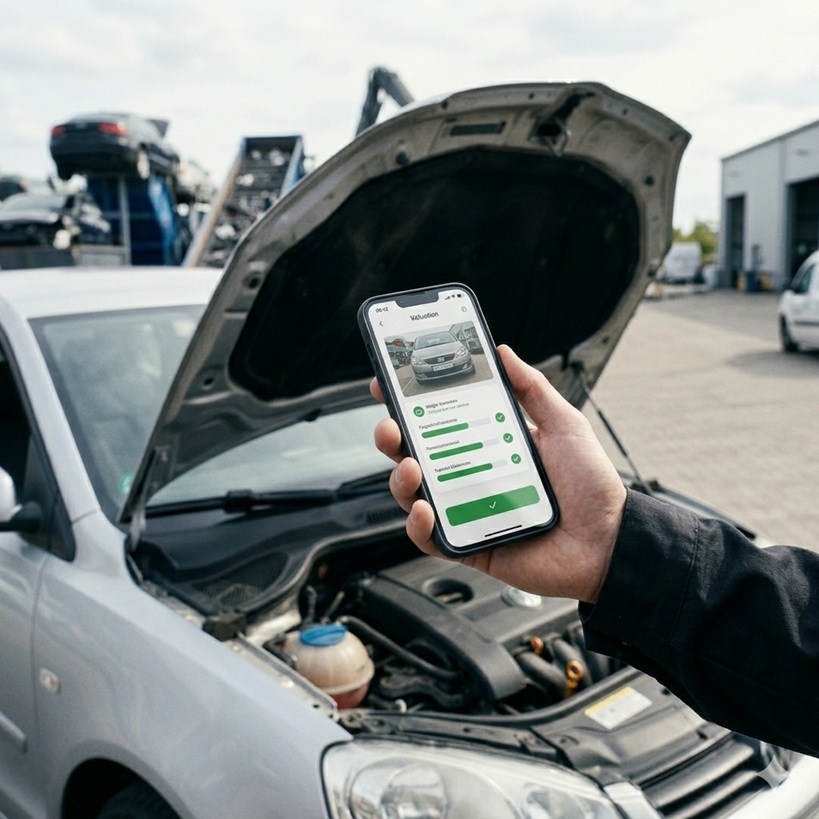
How Scrap Car Businesses Are Going Digital
6th Mar, 2026
The car scrapping industry isn’t what it used to be. Gone are the days when you’d have to ring around dodgy scrapyards, hoping someone would answer the phone and give you a straight answer about what your old motor’s worth.
Digital scrap car businesses are revolutionising how we dispose of vehicles, making the whole process smoother than a well-oiled gearbox. It’s like comparing a horse and cart to a modern saloon – both get you there, but one’s considerably more efficient.
The shift towards digital platforms has transformed everything from initial quotes to final collection. Where traditional scrapyards relied on phone calls and physical inspections, today’s operations use sophisticated online systems that can value your vehicle in minutes. This transformation benefits both customers and the environment, creating a more transparent and accountable industry.
Modern online quote platforms have eliminated much of the uncertainty that plagued traditional scrapping. You’ll no longer spend hours negotiating with different dealers or wondering whether you’re getting a fair price. The technology delivers consistent, competitive valuations based on real-time market data.
The old way vs the new way
Remember the traditional approach? You’d spend half your Saturday driving from yard to yard, getting different prices and conflicting advice. Each dealer had their own way of doing things, and paperwork often went missing faster than socks in a washing machine.
Traditional scrapyards operated like independent kingdoms. They’d assess vehicles based on gut feeling and local market knowledge, often undervaluing cars because customers had limited options for comparison. One Saturday, a neighbour brought round his old Vauxhall Astra, frustrated after visiting three yards and receiving wildly different quotes – £80, £150, and £220 for the same vehicle. He couldn’t understand why the prices varied so much, and frankly, neither could the dealers explain it properly.
Digital scrap car businesses have flipped this model entirely. Modern services like Scrap Car Network use standardised pricing algorithms that consider current metal prices, vehicle specifications, and regional demand. The result? Fair, transparent pricing that you can access from your kitchen table.
The paperwork nightmare has largely disappeared too. Digital systems automatically generate the correct DVLA notifications and certificates, reducing the risk of administrative errors that could leave you liable for someone else’s speeding tickets.
Key differences between old and new approaches:
- Valuation speed: Hours of driving versus minutes online
- Price transparency: Gut-feeling estimates versus algorithm-based quotes
- Paperwork handling: Manual forms versus automated digital documentation
- Payment methods: Cash-only versus multiple digital options
- Environmental tracking: Minimal records versus comprehensive digital audit trails
Online valuation systems
The heart of any digital platform lies in its valuation technology. These systems process thousands of data points to determine your vehicle’s worth – registration details, make, model, age, and current scrap metal prices all feed into sophisticated algorithms.
It’s remarkably accurate. Online quote platforms typically fall within a narrow pricing range when tested with identical vehicle details. The technology accounts for regional variations too – a car scrapped in London might fetch more than the same model in rural Wales, simply due to logistics and local demand.
These systems update in real-time. Metal prices fluctuate daily, and digital platforms adjust their offers accordingly. Traditional yards might update their prices weekly or even monthly, potentially costing you money if you’re unlucky with timing.
The speed is impressive. What once took hours of phone calls now happens in minutes. You enter your registration number, answer a few questions about the vehicle’s condition, and receive an instant quote. It’s that simple.
Digital documentation and compliance
Technology really shines when it comes to compliance and paperwork. The legal requirements for scrapping a vehicle haven’t changed, but digital systems make meeting them almost foolproof.
When you scrap your car legally, several documents must be completed correctly. The V5C logbook needs the right sections sent to the DVLA, you need a Certificate of Destruction, and records must be kept for environmental compliance.
Digital platforms automate much of this process. They guide you through each step, ensure the correct paperwork is completed, and maintain digital records that satisfy regulatory requirements. It’s like having a knowledgeable clerk handling all the bureaucracy whilst you get on with your life.
The environmental compliance aspect is particularly important. Authorised Treatment Facilities (ATFs) must meet strict environmental standards, and digital systems help track this compliance. Every component removed, every fluid drained, and every recycling step gets logged digitally.
Mobile-first customer experience
Most digital scrap car businesses prioritise mobile accessibility. This makes sense – people often decide to scrap their vehicles when they’re dealing with a breakdown or MOT failure, situations where they’re likely using their phones rather than sitting at a computer.
The best platforms work seamlessly on smartphones. You can photograph damage, upload documents, and even arrange collection times whilst standing next to your broken-down car. It’s convenience that traditional services simply can’t match.
Push notifications keep you informed throughout the process. You’ll know when your collection is confirmed, when the driver is en route, and when your payment has been processed. No more wondering whether your car has actually been collected or if the paperwork has been submitted.
The user interface design focuses on simplicity. Complex industry jargon gets replaced with plain English explanations. Instead of asking about “end-of-life vehicle processing,” platforms simply ask if you want to “scrap your car.”
Automated collection scheduling
Booking a collection used to mean negotiating with individual drivers about timing and access. Digital systems have streamlined this into a sophisticated logistics operation that would make Amazon jealous.
Modern platforms use route optimisation software to plan efficient collection rounds. This reduces costs and environmental impact whilst improving service reliability. Your collection slot gets confirmed automatically based on your location and the driver’s route.
The scheduling systems account for access restrictions, parking limitations, and customer preferences. Need collection before 9am because of work? The system flags this requirement and assigns appropriate time slots. Real-time tracking means you know exactly when to expect collection.
Collection booking features:
- GPS-enabled driver tracking
- Automated SMS and email notifications
- Flexible time slot selection
- Same-day or next-day availability in most areas
- Automatic rescheduling for weather delays
Payment processing innovation
Getting paid for your scrap car has transformed dramatically. Traditional yards often dealt in cash, which created security concerns and made record-keeping challenging for both parties.
Online quote platforms offer multiple payment options. Bank transfers, digital wallets, and even cryptocurrency payments are becoming standard. The money typically arrives within hours of collection, not days or weeks.
Payment security has improved significantly. Digital systems use encrypted transactions and provide detailed payment records. You’ll receive confirmation emails, payment references, and digital receipts that satisfy any accounting requirements.
The transparency is refreshing. You know exactly how much you’ll receive before agreeing to the service. No more discovering unexpected “administration fees” or “transport charges” that weren’t mentioned during the initial quote.
Data analytics and pricing
Behind the scenes, digital scrap car businesses use sophisticated data analytics to optimise their operations. They track metal prices, monitor regional demand patterns, and adjust pricing strategies accordingly.
This data-driven approach benefits customers. Pricing becomes more competitive and transparent because platforms can identify market trends and adjust offers in real-time. If steel prices rise, your quote improves automatically.
The analytics also improve service quality. Platforms track customer satisfaction, identify common complaints, and adjust their processes accordingly. It’s continuous improvement driven by actual user feedback rather than assumptions.
Environmental tracking and reporting
Environmental compliance has become increasingly important in vehicle disposal. Digital systems excel at tracking and reporting environmental impact, something that was challenging for traditional operations.
Every component gets logged digitally. Batteries, tyres, fluids, and metals all follow documented recycling paths. This creates an audit trail that satisfies environmental regulations and provides transparency about where your car’s components end up.
Many platforms now provide environmental impact reports to customers. You can see exactly how much metal was recycled from your vehicle, how much CO2 was saved through proper disposal, and which components found new life in other products. But what actually happens to your car after it’s towed away? The digital trail answers this question comprehensively.
Integration with other services
Digital platforms increasingly integrate with related services. DVLA integration means automatic notification when your vehicle is scrapped. Insurance company connections can trigger policy cancellations automatically.
Some platforms connect with vehicle history services, providing additional context about your car’s value and condition. This integration can sometimes reveal positive factors that increase your quote – perhaps your car has particularly valuable components or rare parts.
Financial service integration is emerging too. Some platforms offer instant payment options or can coordinate with finance companies if you’re settling outstanding loans. It’s joined-up thinking that simplifies what used to be a complex process.
Challenges and solutions
Digital transformation hasn’t been without challenges. Older customers sometimes struggle with online-only processes, and technical issues can disrupt service delivery.
Smart businesses address this through hybrid approaches. They maintain phone support for customers who prefer traditional communication whilst leveraging digital systems for efficiency. It’s the best of both worlds – modern efficiency with human backup.
Cybersecurity presents ongoing challenges. Digital platforms handle sensitive personal information and financial transactions, making them attractive targets for cybercriminals. The best operators invest heavily in security infrastructure and regular system updates.
Regional variations and local adaptation
Digital platforms must adapt to regional differences in the UK market. Scottish regulations differ slightly from English ones, and local market conditions affect pricing and logistics.
The best services account for these variations automatically. Their systems recognise your location and apply appropriate regional factors to pricing and service delivery. Whether you’re scrapping a car in Preston or North London, the platform adjusts accordingly.
Local partnerships remain important even in digital operations. Platforms work with regional ATFs to ensure comprehensive coverage. This hybrid model combines digital efficiency with local knowledge and presence.
The future of digital services
Artificial intelligence will further transform the industry. Advanced image recognition could assess vehicle condition from photographs, making quotes even more accurate without physical inspections. Think of it like having an expert mechanic examine your car through your phone camera – the technology’s nearly there.
Blockchain technology might revolutionise vehicle history tracking. Imagine a complete, tamper-proof record of every service, repair, and modification following your car throughout its lifecycle and into recycling.
Connected vehicles already monitor their own condition – this data could feed directly into valuation algorithms, providing unprecedented accuracy in pricing. Your car could essentially value itself based on real-time diagnostics.
What this means for car owners
The digitalisation of scrap car businesses benefits everyone involved. You’ll get faster service, better prices, and improved transparency. The environmental benefits are significant too – better tracking and compliance mean more responsible disposal.
Not all digital platforms are created equal, though. The technology is only as good as the business using it. Look for established operators with proper licensing, clear pricing, and good customer reviews.
Check that any platform you use connects with proper facilities. The digital interface might be slick, but the actual scrapping must still meet environmental and legal standards. Don’t let a fancy website distract you from checking the credentials.
Consider the full service package too. A good digital platform should handle everything from initial quote through final DVLA notification. If you’re still having to chase paperwork or make additional phone calls, the digitalisation isn’t complete.
Making the right choice
When choosing a service, look beyond the fancy website. Check their credentials, read customer reviews, and understand exactly what’s included in their offering.
The best platforms are transparent about their processes. They’ll explain how they calculate prices, what happens to your vehicle, and how they handle documentation. If a service is vague about these details, consider alternatives.
Response times matter too. Digital doesn’t necessarily mean instant – but it should mean reliable. Look for platforms that provide clear timescales and stick to them.
Finally, consider the human element. Even the most sophisticated digital platform should provide access to real people when you need help. Technology should enhance customer service, not replace it entirely. If you need assistance, you should be able to get in touch with someone who can actually help.
The transformation of the industry through digital technology represents genuine improvement for consumers and the environment. It’s efficiency without compromising quality – rather like fitting modern fuel injection to replace an old carburettor. The destination remains the same, but the journey becomes smoother, more reliable, and considerably more pleasant.
Whether you’re dealing with a breakdown, failed MOT, or simply want to dispose of an old vehicle responsibly, digital platforms make the process straightforward and transparent. Choose wisely – good technology in the hands of a reputable operator creates excellent service, but fancy websites can’t mask poor business practices.
The industry has come a long way from the days of dodgy dealers and missing paperwork. Digital services represent the future of vehicle disposal – efficient, transparent, and environmentally responsible. It’s progress worth celebrating.