How Car Scrapping Reduces Global Demand for Raw Mining
11th Dec, 2025
Every car on the road began its life deep underground, quite literally. Building a vehicle takes vast quantities of raw materials: steel, aluminium, copper, and countless other metals. Each bolt, panel, and engine part represents hours of mining, refining, and manufacturing.
That’s where car scrapping raw material demand comes into play. By recycling and reusing existing metals from end-of-life vehicles, the industry can drastically reduce the need for new mining. It’s one of the simplest, most effective ways to protect the planet without compromising progress.
The Link Between Car Manufacturing and Mining
It’s easy to forget that cars aren’t made out of thin air. Every vehicle requires tonnes of mined materials, and mining is no small operation. Huge excavators, fuel-guzzling transporters, and smelting plants all contribute to the process, creating significant environmental consequences.
To put it into perspective: producing just one tonne of steel can release nearly two tonnes of carbon dioxide (according to the World Steel Association). When you multiply that by the millions of cars produced globally each year, the impact becomes staggering.
Key takeaways:
- Car manufacturing depends heavily on mined metals like steel, copper, and aluminium.
- Mining causes environmental damage, water pollution, and landscape destruction.
- Producing new materials generates major greenhouse gas emissions.
For a deeper understanding of recycling’s role in reducing waste, check out our environmentally responsible car recycling process.
The Environmental Impact of Mining
Mining reshapes landscapes and ecosystems, often permanently. Forests are cleared, rivers are polluted, and communities near mining sites face air and water contamination. Beyond the environmental cost, the process consumes enormous amounts of energy.
From transporting raw ore to refining metals, every stage burns fossil fuels. It’s a chain reaction of pollution that continues long after the first digger arrives on site.
That’s why reducing mining through recycling has become such an essential part of sustainable manufacturing, especially within the automotive industry.
How Car Scrapping Helps Reduce Raw Material Demand
When a car reaches the end of its life, it’s easy to think of it as scrap, but to recyclers, it’s a goldmine of reusable materials. Through modern recycling techniques, up to 95% of a vehicle’s materials can be recovered and repurposed.
By reusing metal from old cars, manufacturers rely less on new mining operations. In simple terms, every car that’s scrapped responsibly means fewer holes in the ground, less energy wasted, and fewer emissions released into the atmosphere.
Key takeaways:
- Car scrapping reintroduces valuable metals into the supply chain.
- Recycling directly reduces the global need for raw mining.
- Less mining equals lower emissions and reduced habitat destruction.
You can get an instant quote to scrap any car and ensure your vehicle contributes to a greener cycle.
The Car Recycling Process
When a car arrives at an Authorised Treatment Facility (ATF), it goes through a detailed series of steps to ensure everything is handled safely and efficiently.
Step 1: Depollution
Hazardous materials such as oil, brake fluid, and batteries are removed to prevent contamination.
Step 2: Parts Recovery
Usable components, engines, gearboxes, tyres, and electronics are removed and refurbished where possible.
Step 3: Shredding and Sorting
The remaining metal shell is shredded. Magnets and advanced sorting systems separate steel, aluminium, and copper for recycling.
Step 4: Reuse and Remanufacture
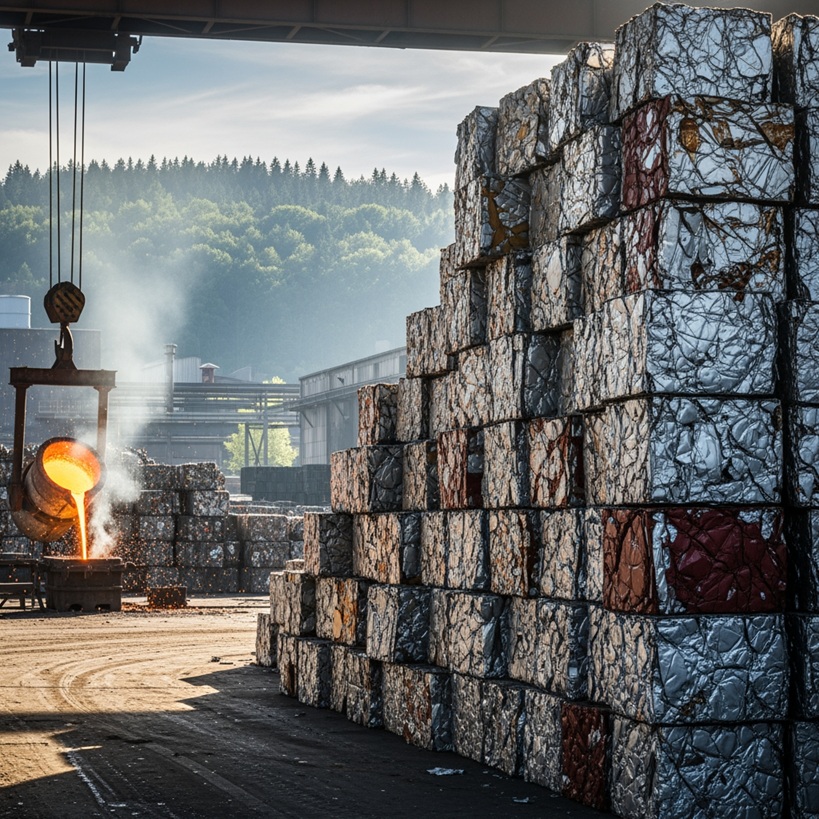
The recovered metals are melted down and used in the production of new items, from cars to appliances and even construction materials.
Scrap Car Network ensures that every vehicle goes through this environmentally responsible process. You can connect with our network of Authorised Treatment Facilities to guarantee your car is processed correctly.
Key takeaways:
- The recycling process removes hazardous waste safely.
- Valuable metals and parts are reused or remanufactured.
- Recycled materials feed back into production, reducing new mining needs.
The Benefits of Car Recycling
The advantages of recycling go far beyond keeping cars out of scrapyards. It’s a vital part of sustainable manufacturing and climate action.
- Reduced Mining: Every recycled car lessens demand for new raw materials.
- Energy Savings: Recycling metal requires up to 75% less energy than producing it from ore.
- Less Landfill Waste: Car components are reused, keeping bulky waste out of landfill sites.
- Lower Emissions: Recycling emits fewer greenhouse gases than mining and refining processes.
When combined, these benefits form the backbone of a circular economy, where materials are reused again and again rather than discarded.
For more information about Scrap Car Network’s sustainability goals, discover the advantages of choosing Scrap Car Network.
The Bigger Picture: A Circular Economy in Action
Every time a car is scrapped responsibly, it fuels a loop of reducing mining through recycling. This circular approach ensures resources are reused, conserved, and kept in circulation.
Imagine it like composting for the automotive world; instead of throwing waste away, the system breaks it down and feeds it back into production.
Beyond the environmental impact, car recycling creates skilled jobs and supplies affordable materials for manufacturers worldwide. It’s proof that sustainability can drive both economic and environmental progress.
Key takeaways:
- Recycling supports the circular economy and reduces resource waste.
- It creates new jobs and helps manufacturers source affordable materials.
- Responsible scrapping combines environmental and economic benefits.
The Process of Scrapping a Car
If you’re ready to do your part in reducing mining demand, here’s how the process works through Scrap Car Network:
- Get a Quote: Start by getting an instant quote to scrap any car.
- Accept and Arrange Collection: Once you’re happy with the offer, learn about our free nationwide scrap car collection service.
- Complete the Paperwork: Have your V5C logbook ready and fill in the relevant section for scrapping.
- Receive Payment: Once collected, you’ll receive payment directly.
- Notify the DVLA: Use our guide to notify the DVLA after selling or scrapping to complete the process legally.
Important Considerations
Always ensure your vehicle is processed by an Authorised Treatment Facility (ATF). These licensed sites are required by law to issue a Certificate of Destruction (CoD), which proves your car has been scrapped responsibly.
If you’re based locally, you can scrap your car in Preston or anywhere across the UK using our verified network of partners.
Key takeaways:
- Use an ATF for compliant and environmentally safe scrapping.
- Obtain a Certificate of Destruction for legal proof.
- Always notify the DVLA to avoid fines or liability.
What You Can Do to Help
Small actions add up. Here’s how you can make a lasting difference:
- Scrap Responsibly: Find out how to scrap your car easily and legally.
- Buy Recycled: Support products and manufacturers that use recycled materials.
- Promote Sustainability: Encourage others to recycle and choose eco-friendly options.
- Stay Informed: Explore our environmentally responsible car recycling process to see how your car can help the planet.
Key takeaways:
- Choose responsible scrapping to support sustainability.
- Buying recycled products reduces resource demand.
- Promoting awareness helps drive collective action.
Thinking Long Term
Ultimately, it’s not just about getting rid of an old car, it’s about reshaping how we think about resources. Moving from a “take, make, dispose” mindset to a circular, sustainable model is essential for the planet’s future.
Scrap Car Network and our ATF partners are part of that change, ensuring every vehicle is processed safely, responsibly, and with the environment in mind.
Key takeaways:
- Scrapping supports long-term sustainability.
- The shift to a circular economy reduces waste and resource strain.
- Every scrapped car helps conserve energy and raw materials.
Conclusion
Car scrapping raw material demand might sound like a technical issue, but it’s really about something simple, using what we already have to build a cleaner future.
By choosing to scrap responsibly, you’re helping cut emissions, save energy, and limit the destructive impact of mining. It’s a small decision with big environmental benefits.
And who knows, the steel from your old car might one day find its way into a new electric vehicle, supporting the very future of sustainable transport. If you’d like help getting started, don’t hesitate to contact us today.