How Australia Handles End-of-Life Vehicles
25th Feb, 2026
When a trusty ute finally gives up the ghost or a family saloon becomes more rust than metal, what happens next? Australia’s approach to dealing with cars reaching the end of useful life reveals much about the country’s environmental priorities and industrial efficiency.
Australia end-of-life vehicles management has evolved significantly over the past two decades. The Land Down Under processes roughly 600,000 vehicles annually through its automotive recycling network, making it one of the more organised systems globally.
Unlike some countries that let old cars pile up in paddocks indefinitely, Australia has developed structured approaches balancing environmental responsibility with economic opportunity. The Australian system shares similarities with what Scrap Car Network provides here, though their scale and specific regulations differ considerably.
Both systems prioritise proper dismantling, environmental compliance, and maximising material recovery from vehicles that can no longer serve their original purposes. Understanding how Australia tackles these challenges offers valuable insights for vehicle recycling worldwide.
The Australian Vehicle Recycling Framework
Australia operates without a single, centralised end-of-life vehicle programme like some European nations. Instead, they’ve developed a market-driven approach supported by state-level environmental regulations.
Each Australian state manages vehicle disposal slightly differently, but they all require proper deregistration and environmentally sound dismantling. Think of it like having different local councils with their own bin collection rules, but everyone’s still aiming for the same outcome – keeping harmful materials out of the environment whilst recovering valuable resources.
The Australian Automotive Recyclers Association plays a coordinating role, similar to how industry bodies work here in the UK. They’ve established standards for dismantling procedures, fluid handling, and parts recovery that help ensure consistency across the continent.
Industry Standards and Coordination
The AARA’s standards cover everything from worker safety protocols to environmental protection measures. Facilities achieving certification demonstrate commitment to best practices, though certification isn’t legally mandatory everywhere.
This voluntary approach works because market forces incentivise proper practices. Consumers increasingly prefer certified recyclers, and insurance companies often require certified facility usage. It’s effective regulation through market mechanisms rather than heavy-handed government mandates.
State-by-State Variations
Different states have adopted distinct approaches to managing Australia end-of-life vehicles, creating interesting regional variations whilst maintaining overall environmental protection.
New South Wales leads with some of the strictest requirements. Vehicle owners must obtain disposal certificates when scrapping cars, and only licensed dismantlers can issue these certificates. It’s rather like our Certificate of Destruction system, ensuring proper paper trails exist.
Victoria takes similar approaches but places greater emphasis on material recovery rates. Their licensed dismantlers must achieve specific recycling percentages, pushing the industry towards more comprehensive vehicle processing.
Geographic Adaptations
Queensland follows suit with robust environmental monitoring of dismantling facilities. Inspectors regularly verify compliance with fluid handling and hazardous material disposal requirements.
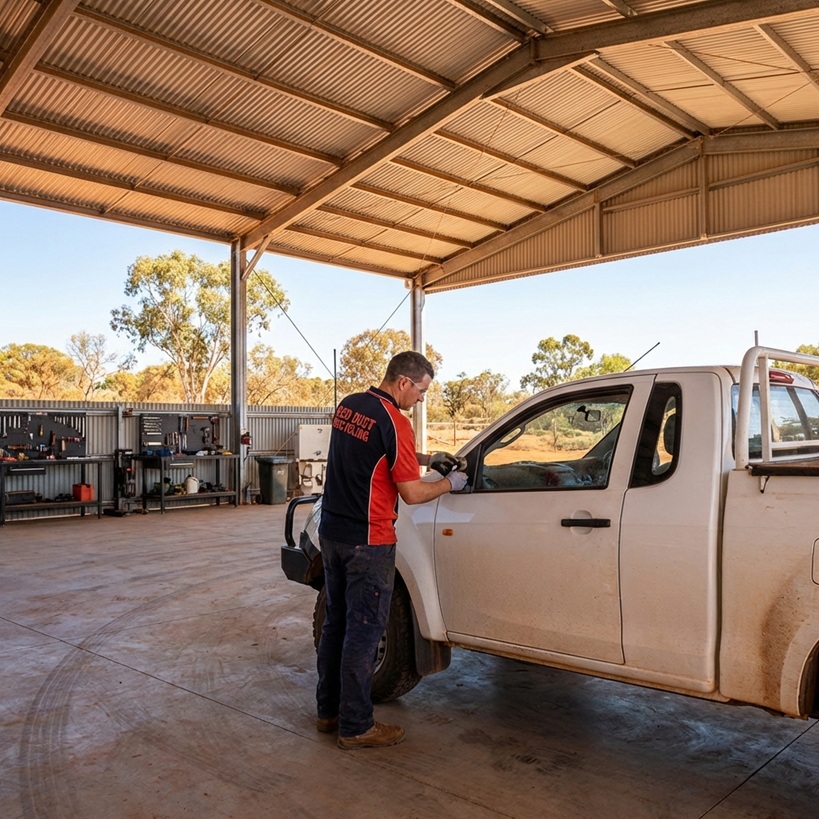
Western Australia faces unique challenges due to vast distances and smaller population centres. They’ve adapted by allowing mobile dismantling services for remote areas.
Imagine a service that comes to you, but instead of fixing your car, they properly dismantle it where it sits. It’s innovative problem-solving addressing geographic realities that most countries don’t face.
The smaller states and territories generally follow larger neighbours’ leads but with adaptations for local conditions. Tasmania, for instance, has specific provisions for dealing with vehicles on remote properties where transport costs might otherwise discourage proper disposal.
Environmental Priorities Down Under
Australian environmental compliance standards for vehicle recycling rank amongst the world’s most comprehensive. The country’s harsh climate means abandoned vehicles deteriorate rapidly, potentially contaminating soil and water sources.
Their regulations require complete fluid drainage before any crushing or shredding occurs. Every drop of engine oil, transmission fluid, coolant, brake fluid, air conditioning refrigerants, and power steering fluid must be captured and processed properly.
Here’s where it gets interesting: Australia mandates removal of mercury switches, lead wheel weights, and other hazardous components before processing. It’s like performing surgery on cars – everything harmful gets carefully extracted before main dismantling begins.
Parts Reuse Emphasis
The environmental focus extends to parts reuse as well. Australian regulations actively encourage recovery and resale of functional components. Their facilities operate like systematic operations where cars get stripped of everything from alternators to seat belts, all catalogued and prepared for second-hand sales.
This emphasis on reuse rather than immediate recycling represents genuine environmental thinking. Keeping components in service longer reduces manufacturing demand for new parts, saving energy and resources beyond simple material recycling.
The Systematic Dismantling Process
Australian automotive recyclers follow methodical approaches demonstrating genuine attention to detail. The process unfolds in distinct stages that maximise both environmental protection and economic value recovery.
Stage 1 involves fluid recovery. Every drop of oil, coolant, and other liquids gets captured and processed separately. Modern Australian facilities use enclosed drainage systems preventing any contamination of surrounding areas.
It’s quite impressive seeing these systems work. The efficiency would make any mechanic envious – they can drain a complete vehicle in under 15 minutes whilst capturing everything for proper disposal or recycling.
Component Harvesting and Material Separation
Stage 2 covers component harvesting. Skilled technicians remove valuable parts like engines, transmissions, electronic control units, and catalytic converters. The focus isn’t just on high-value components – they’ll strip everything from door handles to interior trim if there’s market demand.
Stage 3 follows a clear material separation hierarchy. Ferrous metals like steel and iron make up about 75% of vehicle weight. Non-ferrous metals like aluminium, copper, and zinc get sorted separately due to higher value per kilogram. Plastics and rubber require specialised processing.
Stage 4 involves shredding and final sorting. Australian facilities use sophisticated magnetic and eddy current separators to achieve metal purity rates exceeding 95%. The leftover material, called automotive shredder residue, presents ongoing challenges the industry continues addressing. The professional car recycling process achieves similar high recovery rates through advanced processing.
I remember reading about an Australian facility in Perth that processes about 200 vehicles daily. The operator mentioned they recover everything down to the copper wiring from door switches. That level of thoroughness really impressed me – nothing goes to waste when there’s economic value to extract.
Economic Drivers and Incentives
Unlike some European countries with government-funded take-back schemes, Australia relies primarily on market forces to drive vehicle recycling. The system works because there’s genuine economic value in processing end-of-life vehicles properly.
Metal prices remain the primary economic driver. When global steel prices rise, more vehicles get processed promptly. During price slumps, some marginal vehicles might sit longer in holding yards, but the core business model remains viable.
Parts Sales and Compliance Economics
Parts sales provide crucial secondary income streams. Australian consumers have embraced used automotive parts, partly due to the country’s geographic isolation making new parts expensive.
A quality used alternator from Sydney can cost half the price of a new import, creating strong demand for salvaged components. This makes the business case for thorough dismantling rather than immediate shredding.
The government supports this market approach through regulatory compliance costs. Improper disposal attracts significant penalties, making legitimate recycling the economically sensible choice for vehicle owners. authorised treatment facilities ensure UK owners meet all compliance requirements.
It’s carrot and stick economics – make the right choice profitable and the wrong choice expensive. The approach works remarkably well without requiring massive government programmes or subsidies.
Challenges Facing the System
Australia end-of-life vehicles management faces several unique obstacles setting it apart from other countries’ systems significantly.
Geographic challenges prove substantial. The country’s vast distances mean transport costs can exceed vehicle values for remote locations. A broken-down ute in the Northern Territory might cost more to transport to recycling facilities than it’s worth in scrap value.
Seasonal variations create operational difficulties too. During Australia’s intense summer months, outdoor dismantling becomes challenging, whilst winter brings increased vehicle failures overwhelming facility capacity.
Automotive Shredder Residue
Automotive shredder residue – the plastic and fabric waste from shredded vehicles – lacks economically viable disposal options. Some facilities export it to specialised processors, but transport costs and international waste regulations complicate this approach.
Regulatory inconsistency between states creates compliance headaches for national operators. Different licensing requirements, environmental standards, and reporting obligations mean running businesses where rules change every time you cross state borders.
It presents genuine operational difficulties that smaller, single-state operators don’t face. The complexity favours regional specialists over national chains in many cases.
Technology and Innovation Adoption
Australian recyclers have embraced technology to improve efficiency and environmental outcomes substantially. Automated dismantling systems can remove specific components faster and more safely than manual labour.
These robotic systems excel at repetitive tasks like airbag removal or catalytic converter extraction. They’re like precision surgical robots, but for cars instead of people.
Digital Systems and Monitoring
Inventory management software helps track parts from removal through sale. When someone in Perth needs a specific transmission, the system can instantly locate available units across the continent.
It transforms automotive recycling from local scrapyard operations into sophisticated supply chains. The technology enables parts sharing across vast distances that would be impossible to coordinate manually.
Environmental monitoring technology ensures compliance with increasingly strict regulations. Real-time sensors monitor air quality around dismantling operations, whilst soil testing equipment checks for contamination. Commitment to compliant recycling processes includes similar environmental monitoring systems.
Some facilities even use drone surveys to monitor large vehicle storage areas. It’s modern technology applied to traditional recycling operations, improving both efficiency and environmental protection.
Quality Standards and Certification
Australian environmental compliance requirements have driven the industry towards sophisticated quality management systems. Many facilities achieve ISO 14001 environmental certification, demonstrating a commitment to minimising ecological impact.
Parts quality standards ensure salvaged components meet safety requirements for resale. This includes testing electrical systems for proper function, measuring wear tolerances on mechanical components, maintaining proper storage conditions, and conducting safety inspections on critical parts.
Traceability and Training
Traceability systems track components from removal through installation in other vehicles. This creates accountability and enables recalls if safety issues emerge. The advantages of choosing our service include full traceability and documentation.
It’s like having medical records for every part that gets reused. The system protects both buyers and sellers whilst maintaining quality standards across the industry.
Staff training programmes ensure workers understand both safety procedures and environmental requirements. Handling hybrid vehicle batteries or properly draining air conditioning systems requires specialised knowledge beyond traditional mechanical skills.
Regional Processing Networks
Australia’s vast geography necessitates distributed processing networks rather than centralised facilities. Major metropolitan areas like Sydney, Melbourne, and Brisbane support large-scale dismantling operations with sophisticated equipment and high throughput capacity.
Regional centres serve surrounding rural areas with smaller but still professional operations. These facilities might process 50-100 vehicles monthly compared to thousands at major urban sites, but they’re crucial for serving remote communities. free nationwide vehicle collection similarly serves all UK areas, urban and rural.
The transport logistics between these facilities create interesting secondary markets. A rare parts request might trigger shipments between recyclers separated by hundreds of kilometres.
Mobile and Circuit Services
Some mobile services travel circuit routes, visiting remote properties on scheduled rounds. These operations bring professional dismantling capabilities to locations where transport costs would otherwise make proper disposal uneconomical.
It’s creative problem-solving addressing uniquely Australian challenges. The mobile approach wouldn’t make economic sense in most countries, but Australia’s geography demands innovative solutions.
Consumer Role and Education
Australian vehicle owners play crucial roles through their disposal decisions. Consumer education programmes help people understand proper disposal procedures and the environmental importance of using licensed recyclers.
Incentive programmes in some states offer small payments for vehicles delivered to certified recyclers. These aren’t large amounts, typically $50-150, but they help offset transport costs and encourage proper disposal over abandonment.
Paperwork requirements ensure legal transfer of ownership to recyclers. Australian consumers must complete deregistration forms and obtain disposal certificates, creating official records of end-of-life processing.
If you’re wondering how this compares to UK practices, learn how to scrap your car properly through our streamlined process that handles all paperwork and collection logistics.
Future Developments and Trends
The electric vehicle transition presents both challenges and opportunities for Australian recyclers. EV batteries contain valuable lithium, cobalt, and other materials, but require completely different processing approaches than traditional vehicles.
Lightweighting trends in vehicle manufacturing mean future end-of-life vehicles will contain more aluminium, carbon fibre, and advanced plastics. Australian recyclers are investing in equipment capable of processing these materials efficiently.
Circular Economy and Harmonisation
Circular economy principles are gaining traction, with government and industry exploring ways to keep materials in productive use longer. This might involve remanufacturing components rather than simply recycling raw materials. Get your instant quote to see how UK recycling supports these principles.
The industry expects regulatory harmonisation between states within the next decade. A national framework would reduce compliance costs and enable more efficient operations across state borders.
This would represent significant improvement for national operators whilst maintaining environmental protection standards. It’s the logical next step in Australian recycling evolution.
Lessons for International Markets
Australia’s experience offers valuable insights for other nations developing end-of-life vehicle management systems. Their market-driven approach proves that government mandates aren’t always necessary if economic incentives align properly with environmental goals.
The importance of geographic adaptation cannot be overstated. What works in densely populated Europe might need significant modification for countries with challenging geography. Australia’s mobile dismantling services and regional processing centres demonstrate creative solutions to distance challenges.
Industry self-regulation can achieve environmental goals when supported by appropriate penalties for non-compliance. The AARA’s standards development shows how industry bodies can drive improvements without heavy-handed government intervention.
Technology adoption requires careful consideration of local conditions too. Automated systems working brilliantly in climate-controlled European facilities might struggle in Australia’s harsh outdoor environment.
Much like how we approach vehicle recycling, Australia demonstrates that effective end-of-life vehicle management requires balancing environmental protection, economic viability, and practical logistics.
The Australian Model Summary
The Australian model proves you don’t need massive government programmes or manufacturer take-back schemes to achieve effective vehicle recycling. Sometimes, the right combination of economic incentives, environmental regulations, and industry professionalism creates systems working for everyone involved.
Australia’s innovations in remote area service, technology adoption, and quality standards provide inspiration for continuous improvement in automotive recycling practices worldwide. Their experience shows that effective end-of-life vehicle management is achievable with the right approach, regardless of geographic or logistical challenges.
If you’d like to understand more about how these international practices compare to UK standards, contact our team with any questions about responsible vehicle disposal.