Global Case Studies: Cities Winning the Battle Against Abandoned Cars
26th Feb, 2026
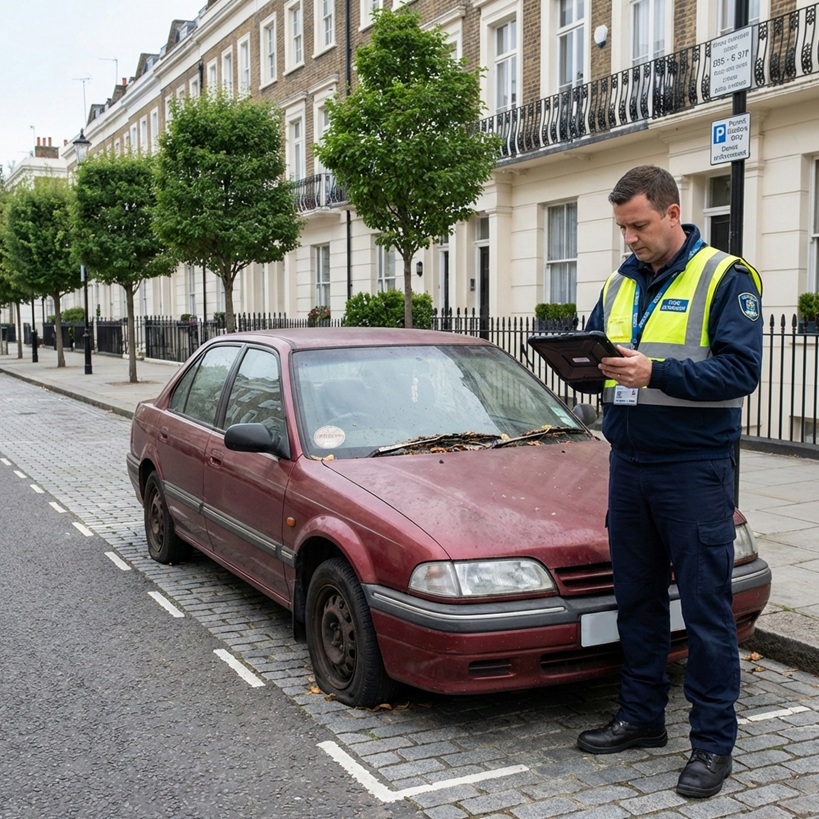
Walk down any street in most cities, and you’ll spot them – those forgotten metal hulks slowly rusting away. Cars with flat tyres, smashed windows, or weeds growing through the bonnet. After four decades in the motor trade, the truth is clear: abandoned vehicles are more than just an eyesore.
These automotive ghosts create genuine problems. They attract crime, leak hazardous fluids into the ground, and make neighbourhoods look neglected. But some cities have cracked the code. They’ve developed brilliant systems that don’t just clear the streets, but turn the whole mess into something positive.
The cities with abandoned car solutions that actually work aren’t just throwing money at the problem – they’re being clever about it. Their strategies offer valuable lessons for communities everywhere struggling with similar challenges.
Why Abandoned Cars Matter More Than You Think
Before examining the success stories, it’s worth understanding why this matters. That rusty Vauxhall Corsa parked outside for six months isn’t just annoying the neighbours – it’s costing everyone.
Abandoned vehicles become magnets for antisocial behaviour. Broken windows, graffiti, drug dealing – they all gravitate towards these forgotten cars. It’s like leaving your front door wide open and wondering why burglars keep popping round.
Then there’s the environmental nightmare:
- Engine oil seeping into storm drains
- Battery acid corroding the tarmac
- Coolant poisoning local wildlife
- Hazardous fluids contaminating soil and groundwater
Each abandoned car is basically a slow-motion environmental disaster waiting to happen.
What’s particularly frustrating is the wasted opportunity. Every one of these vehicles contains valuable materials – steel, aluminium, copper, rare earth metals. Instead of rotting away, they should be processed through proper car recycling channels where every useful component gets a second life.
Amsterdam’s Digital Revolution
The Dutch capital has turned abandoned car removal into an art form, and it all starts with an app. Residents can photograph suspected abandoned vehicles and upload them directly to the city’s system. Within 24 hours, council officers investigate every single report.
Amsterdam doesn’t just rely on visual inspections. They’ve integrated their system with national vehicle databases, insurance records, and MOT information. If a car hasn’t moved in two weeks and shows signs of abandonment, it gets tagged electronically.
I remember a customer back in the late ’90s who’d inherited his grandfather’s old Volvo estate. Car hadn’t moved in months, and neighbours were complaining. He was terrified the council would fine him, but he couldn’t afford repairs. These days, cities like Amsterdam would’ve connected him with free removal services instead of penalties. Sometimes a bit of understanding goes further than enforcement.
The city gives owners exactly 28 days to respond. No response? The vehicle gets removed and processed through certified recycling facilities. The brilliant bit – if car owners are genuinely struggling financially, Amsterdam offers free removal services rather than fines.
This approach has reduced abandoned vehicles by 78% since 2018. The secret isn’t just technology – it’s treating car owners as people who might need help, not criminals who need punishment. Amsterdam stands out among cities with abandoned car solutions for this compassionate yet efficient approach. Working with our network of Authorised Treatment Facilities ensures similar standards of care and compliance.
Singapore’s Prevention-First Strategy
Singapore took a completely different approach – they decided to prevent the problem before it starts. Their solution? Make car ownership so tightly regulated that abandonment becomes virtually impossible.
Every vehicle in Singapore requires a Certificate of Entitlement, which costs tens of thousands of pounds and expires after ten years. When certificates run out, owners have three choices:
- Renew the certificate
- Export the car
- Scrap it through authorised dealers
The system is ruthlessly efficient. Cars approaching their expiry date get automatic reminders. Miss the deadline, and the fines are eye-watering – £3,000 plus daily penalties. Most people choose the sensible option and scrap their car well before any problems arise.
It sounds harsh, but the results speak for themselves. Singapore has virtually eliminated abandoned vehicles while maintaining one of the world’s most efficient transport systems. Sometimes the best cure is prevention.
Tokyo’s Community-Powered Approach
Japan’s capital city proves that sometimes the best solutions come from getting everyone involved. Tokyo’s abandoned car programme relies heavily on neighbourhood associations – local groups that know their streets better than any council officer ever could.
These associations receive basic training in identifying abandoned vehicles and work directly with city authorities. They’re not vigilantes – they’re trained volunteers who understand the legal requirements and proper procedures.
What makes Tokyo special is the focus on reuniting cars with their owners. Before any vehicle gets scrapped, the city makes extensive efforts to trace owners through:
- Multiple government databases
- Employment records
- Family connections
- Previous address registrations
When owners are found, Tokyo offers payment plans for removal costs and connects people with social services if financial hardship is the underlying issue. It’s like having a friendly neighbour who happens to work for the council. Understanding how to tell the DVLA when you scrap your car is equally important for UK residents.
This human-centred approach has created remarkable community buy-in. Abandoned vehicle reports have increased by 300% – not because the problem got worse, but because residents trust the system to handle things fairly.
Barcelona’s Rapid Response Model
The Catalan capital decided that speed was everything. Their philosophy? Get abandoned cars off the streets so quickly that dumping them becomes pointless.
Barcelona’s rapid response teams can remove an abandoned vehicle within 48 hours of confirmation. They’ve streamlined every part of the process – identification, owner notification, legal procedures, and physical removal, similar to how our free nationwide scrap car collection service operates.
The city invested heavily in mobile technology for their enforcement teams. Officers carry tablets loaded with:
- Vehicle databases
- Legal forms
- Direct communication links to towing services
- Recycling facility contacts
Speed means nothing without accuracy, so Barcelona developed a sophisticated scoring system. Vehicles get points for various abandonment indicators – expired registration, physical damage, accumulated parking tickets, lack of movement. Once a car hits the threshold score, removal becomes automatic.
The system has reduced average removal times from six months to less than a week. Property values in previously affected areas have increased, and resident satisfaction scores have jumped dramatically. Barcelona’s model demonstrates how rapid action serves as both enforcement and urban blight solutions.
San Francisco’s Data-Driven Success
California’s tech capital approached abandoned cars like a Silicon Valley startup – with massive amounts of data and algorithmic solutions. They created predictive models that identify vehicles likely to become abandoned before it actually happens.
The system analyses patterns:
- Cars with expired registration
- Multiple parking violations
- Insurance lapses
- Owner address changes
When several risk factors align, the city proactively contacts owners with support options.
San Francisco also gamified the reporting process. Residents earn points for accurate abandoned vehicle reports, which can be redeemed for parking credits or transit passes. False reports lose points, keeping the system clean and accurate. Similarly, when people need to get an instant quote to scrap any car, transparent pricing helps build trust.
The data approach extends to recycling too. The city tracks every component from removed vehicles, optimising the process to maximise material recovery and minimise environmental impact. They’ve achieved an impressive 95% recycling rate for abandoned vehicles.
Melbourne’s Collaborative Framework
Australia’s cultural capital recognised that abandoned cars cross multiple jurisdictions – state roads, local streets, private property, and federal land. Their solution was to create a unified response framework involving all levels of government.
Melbourne established joint task forces with:
- Police departments
- Local councils
- State transport authorities
- Environmental agencies
Instead of passing the buck between departments, they tackle each case as a team.
The city also partnered with community organisations, particularly those working with vulnerable populations. Many abandoned cars belong to people facing homelessness, mental health challenges, or financial crisis. Melbourne’s approach addresses the underlying causes, not just the symptoms.
They’ve created a network of certified scrap dealers who provide fair, transparent pricing for end-of-life vehicles. Owners can get an instant quote through the city’s website, removing financial barriers to proper disposal. Understanding the advantages of choosing our service helps ensure proper vehicle processing.
What Makes These Cities Different
After studying these success stories, several patterns emerge. The most effective cities with abandoned car solutions don’t just remove vehicles – they build comprehensive systems that address root causes.
First, they make reporting easy and reliable. Whether it’s Amsterdam’s app or Tokyo’s neighbourhood associations, successful cities give residents simple ways to flag problems and trust that action will follow.
Second, they balance enforcement with support. Singapore’s strict regulations work because they’re predictable and fair. Barcelona’s speed works because it’s coupled with proper legal procedures.
Third, they think beyond removal. The best programmes connect with social services, mental health support, and financial assistance. Abandoned cars are often symptoms of deeper problems.
Finally, they measure everything. These cities track removal times, recycling rates, resident satisfaction, and environmental impact. Data drives continuous improvement rather than political whims.
The Environmental Victory
The exciting thing about these programmes? They’re environmental success stories disguised as urban management. Every properly processed abandoned vehicle keeps tonnes of materials out of landfills.
Modern cars contain about 80% recyclable materials:
- Steel for new vehicle frames
- Aluminium for engine blocks and panels
- Copper from wiring harnesses
- Platinum from catalytic converters
- Rare earth metals from electronics
The cities doing this well have created closed-loop systems where today’s abandoned car becomes tomorrow’s new vehicle.
Amsterdam’s programme has recycled over 15,000 vehicles since 2018, recovering enough steel to build 200 new cars. Singapore’s prevention approach means materials never get wasted in the first place. That’s smart environmental policy hiding in plain sight.
When vehicle owners contact Scrap Car Network about their old cars, we connect them with Authorised Treatment Facilities who follow the same principles these successful cities have adopted – fast, fair, and environmentally responsible processing.
Lessons for Other Cities
The beauty of these case studies is that they’re scalable. Cities don’t need Singapore’s wealth or Amsterdam’s tech infrastructure to make progress. The core principles work at any scale.
Start with accurate data. Most cities don’t actually know how many abandoned vehicles they have or where the problems are worst. Fix the measurement problem first.
Make reporting simple. Residents want to help, but they won’t jump through bureaucratic hoops. Give them easy ways to flag problems and always follow up. Similarly, when you need to find out how to scrap your car easily, the process should be straightforward.
Speed matters more than perfection. Barcelona’s rapid response approach works because owners know dumping a car won’t solve their problems – it’ll just create bigger ones quickly.
Partner with the right people. Whether it’s community groups, social services, or recycling facilities, successful programmes involve multiple stakeholders working toward shared goals.
The Human Element
Throughout all these success stories, there’s a common thread – treating people with dignity. Cities that work don’t just see car owners as problems to solve, but as community members who might need support.
Consider someone whose car has been sitting unused for months after a bereavement. They want to do the right thing but feel overwhelmed by the process. A good abandoned vehicle programme would connect them with support and help them scrap their vehicle easily without adding stress to an already difficult time.
That’s what these successful cities understand – behind every abandoned car is a human story. Sometimes it’s neglect or antisocial behaviour, but often it’s illness, financial hardship, or simply not knowing what to do.
Technology as an Enabler
The most successful programmes use technology to make things simpler, not more complicated. San Francisco’s predictive algorithms help people before problems start. Amsterdam’s integration with national databases speeds up decision-making.
Notice what they don’t do – they don’t replace human judgement with automated systems. Technology handles the data processing and communication, while people make the important decisions about individual cases.
This balance is crucial. Abandoned vehicle programmes need to be efficient enough to handle volume, but flexible enough to deal with unique circumstances. Cities getting this right use technology to enhance human decision-making, not replace it.
Beyond the Quick Fix
What’s most impressive about these case studies is their long-term thinking. They’re not just clearing streets – they’re changing behaviour, building community trust, and creating sustainable systems.
Tokyo’s neighbourhood associations don’t just report abandoned cars – they’ve become more engaged with local issues generally. Barcelona’s rapid response has reduced fly-tipping and other antisocial behaviour. Amsterdam’s supportive approach has improved relationships between residents and local government.
These programmes create positive cycles:
- Better enforcement leads to cleaner neighbourhoods
- Cleaner areas increase property values and community pride
- Higher pride leads to more resident engagement
- Greater engagement improves enforcement effectiveness
These comprehensive urban blight solutions demonstrate how addressing one problem can improve entire communities.
The Economic Reality
Abandoned vehicles cost cities enormous amounts in enforcement, storage, legal proceedings, and environmental cleanup. The reactive approach – waiting for problems to get bad enough to demand action – is incredibly expensive.
Singapore spends virtually nothing on abandoned vehicle removal because their prevention system works. Amsterdam’s upfront investment in technology and integration has dramatically reduced ongoing costs. Barcelona’s rapid response actually costs less per vehicle than their old slow system because it avoids storage and legal complications. Understanding our environmentally responsible car recycling process shows how proper systems create both environmental and economic benefits.
The lesson? Investing in proper systems saves money long-term. Half-measures and quick fixes end up costing more than doing it right from the start.
What About Smaller Communities
Not every town can build Amsterdam’s integrated database or Singapore’s comprehensive regulation system. But the principles still apply at smaller scales.
A market town might not need predictive algorithms, but they can still make reporting simple and response times quick. Rural areas might not have neighbourhood associations, but they can still connect abandoned vehicle programmes with social services and community support.
The key is matching the solution to the scale of the problem while maintaining the core principles – fast, fair, supportive, and environmentally responsible.
Building Trust Through Transparency
One thing all successful programmes share is transparency. Residents can track reports, see response times, and understand decision-making processes. This builds trust and encourages continued participation.
Transparency also means admitting mistakes and learning from them. Barcelona publishes annual reports showing what worked and what didn’t. Tokyo’s neighbourhood associations receive feedback on every report they make.
This openness creates accountability and continuous improvement. It also helps residents understand that abandoned vehicle programmes are community services, not enforcement actions designed to generate revenue.
The Ripple Effects
Successful abandoned vehicle programmes create benefits far beyond cleaner streets. But what happens to neighbourhoods once these eyesores disappear?
Property values increase in areas where the problem gets solved. Community engagement improves when residents see their reports leading to action.
Local businesses benefit too. That row of shops next to where three cars had been dumped for months suddenly becomes more attractive to customers. The environmental improvements benefit everyone’s health and quality of life.
These programmes also create employment – in enforcement, recycling, community outreach, and data management. Singapore’s prevention approach supports a whole industry of authorised scrap dealers and vehicle exporters.
Looking Forward
Cities winning this battle share a common vision – they see abandoned vehicles as a solvable problem, not an inevitable urban curse. They invest in systems, support their communities, and measure their progress.
Most importantly, they recognise that success requires changing behaviour, not just removing cars. The goal isn’t just cleaner streets today, but fewer abandoned vehicles tomorrow.
After decades of watching councils struggle with this issue, seeing these success stories provides genuine hope. The solutions exist, they work, and they’re getting better all the time. These proven urban blight solutions offer blueprints for cities worldwide.
For anyone dealing with an unwanted vehicle, these same principles apply. If you need help, feel free to contact us – our network provides free collection nationwide that turns problems into solutions, just like these successful cities do every day.
The battle against abandoned cars isn’t just winnable – it’s already being won by cities smart enough to treat it as a community challenge requiring community solutions.