Global Case Studies: Cities Winning the Battle Against Abandoned Cars
29th Jan, 2026
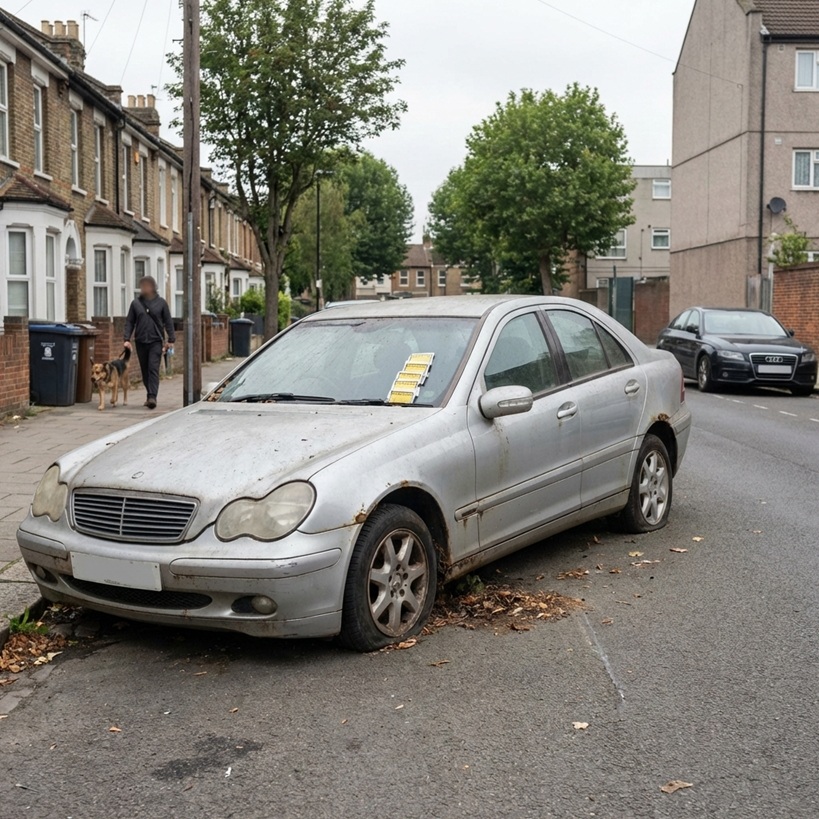
Cities are tackling a growing challenge: abandoned vehicles across the world. These forgotten cars don’t just spoil the view. They cause safety risks, attract vandalism, and harm the environment. Fortunately, several cities with abandoned car solutions are showing how smart policies and strong public cooperation can turn a persistent problem into a sustainable success story.
Each region takes a slightly different approach, but the goal remains the same: cleaner streets, safer communities, and responsible recycling. Scrap Car Network demonstrates how organised collection and certified processing can prevent vehicles from becoming abandoned eyesores in the first place.
Why Abandoned Cars Are a Problem
Abandoned cars aren’t just unsightly. They can quickly become health and environmental hazards. As they decay, they leak oils, coolants, and other hazardous fluids into the ground. They also attract pests and sometimes criminal activity.
Leaving vehicles to rot clutters public spaces, lowers property values, and puts unnecessary strain on local councils tasked with their removal.
Key Impacts of Abandoned Cars:
Environmental Hazard: Leaking oil and fluids contaminate soil and groundwater.
Safety Risk: Abandoned vehicles can attract vandalism or antisocial behaviour.
Aesthetic Decline: Neglected cars create a sense of urban decay.
Addressing these issues early helps prevent long-term community damage and supports sustainable waste management practices.
Key Takeaways:
- Abandoned cars contribute to pollution and urban decline
- Proactive removal and recycling restore public spaces
- Prevention is more cost-effective than delayed clean-up
New York City: Towing Troubles and Triumphs
Among the most prominent cities with abandoned car solutions, New York City has transformed its management of derelict vehicles through coordination, technology, and public participation.
How New York Tackled the Issue
- Streamlined Reporting:
The city established an easy-to-use 311 system, allowing residents to report abandoned vehicles quickly. This data feeds directly into the Department of Sanitation’s removal schedules, reducing delays. - Faster Response Times:
Investment in additional towing resources helped clear backlogs and improved neighbourhood satisfaction. - Public Education:
Awareness campaigns educated residents about proper vehicle disposal and the legal consequences of abandoning cars.
Together, these initiatives reduced the average removal time from weeks to days, making the city cleaner and safer. Understanding our environmentally responsible car recycling process shows how proper disposal prevents abandonment in the first place.
Key Takeaways:
- New York’s success shows the importance of public reporting and rapid response
- Awareness programmes reduce repeat offences
- Efficient management creates cleaner, safer communities
Berlin: A German Model of Precision and Prevention
Berlin demonstrates a preventive approach to managing abandoned cars globally, focusing on deterrence and strict regulation rather than large-scale removal.
Berlin’s Strategies
- Strict Parking Enforcement:
Regular patrols and clear fines discourage long-term vehicle neglect. - Comprehensive Vehicle Registration:
Every vehicle is traceable through a national database, ensuring accountability for owners. - Promotion of Public Transport:
Berlin’s strong public transport infrastructure reduces reliance on personal vehicles, lowering the risk of abandonment.
The city’s attention to prevention over response shows that clear policies and well-enforced rules can stop the problem before it begins.
Key Takeaways:
- Enforcement and vehicle traceability prevent large-scale abandonment
- Integrated public transport offers a sustainable alternative to car dependency
- Prevention-focused strategies reduce costs for local authorities
Tokyo: Space Constraints Driving Responsibility
Tokyo’s approach to abandoned vehicles is shaped by its geography. In a city where space is scarce and expensive, owning a car is a significant commitment. This naturally discourages vehicle neglect.
Tokyo’s Approach
- High Ownership Costs:
Expensive parking, taxes, and maintenance make drivers more responsible for their vehicles. - Limited Parking Availability:
Strict proof-of-parking requirements ensure owners have space for their cars before registration. - Efficient Public Transport:
Tokyo’s world-class metro and rail networks reduce personal car ownership altogether.
These economic and logistical factors combine to make Tokyo one of the cleanest major cities when it comes to abandoned vehicle management. Those looking to dispose of vehicles responsibly can get an instant quote to scrap any car rather than letting it sit unused.
Key Takeaways:
- High ownership costs reduce abandonment
- Parking restrictions encourage responsible vehicle management
- Reliable public transport supports sustainable urban living
London: A Focus on Recycling and Responsibility
London provides an excellent model for cities with abandoned car solutions that integrate recycling and sustainability. With its large population and vehicle density, efficient removal and recycling systems are crucial.
London’s Strategy
- Efficient Vehicle Removal:
Local councils work closely with law enforcement to identify and remove abandoned cars swiftly. - Partnering with ATFs:
London partners with Authorised Treatment Facilities (ATFs) to ensure all collected vehicles are processed legally and safely. - Promoting Responsible Disposal:
Citizens are encouraged to use services that ensure vehicles are recycled rather than dumped.
I remember chatting with a mate in Lewisham who’d inherited his grandmother’s old Fiesta. It hadn’t run in two years, and he was worried about it being towed as an abandoned vehicle. Turns out, one phone call to a proper recycling service sorted the whole thing. They collected it for free, handled all the paperwork, and he even got a bit of money for it. Problem solved before it became the council’s problem.
Those ready to retire their old cars can find out how to scrap your car easily and legally whilst ensuring all recycling follows environmental regulations.
Key Takeaways:
- London’s approach combines rapid removal with responsible recycling
- Partnerships with certified ATFs ensure compliance with environmental law
- Public awareness campaigns support sustainable behaviour
Applying Global Lessons
Successful management of abandoned cars globally requires cooperation between government, businesses, and residents. The most effective cities share common traits: efficient reporting systems, strict enforcement, and active recycling networks.
Key Principles to Adopt
Streamline Reporting:
Provide easy-to-access reporting tools to help residents flag abandoned cars quickly.
Enforce Regulations:
Ensure fines and penalties are applied consistently to deter future neglect.
Promote Responsible Disposal:
Partner with reputable recycling services to ensure all vehicles are processed through authorised facilities.
Working with our network of Authorised Treatment Facilities provides a model for this approach, offering environmentally responsible recycling through nationwide collection and certified processing.
Key Takeaways:
- Combining enforcement with education delivers the best results
- Accessible reporting systems improve civic engagement
- Partnerships with trusted recycling providers reduce abandonment rates
The Role of Car Scrapping Services
Car scrapping services are essential to managing abandoned cars globally. They bridge the gap between vehicle removal and recycling, ensuring materials are recovered safely whilst supporting local economies.
Think of scrapping services like municipal waste collection for cars. Just as you wouldn’t throw your rubbish in someone’s garden, you shouldn’t abandon a car on a street corner. Proper services collect, process, and recycle every component safely.
How Responsible Services Support Sustainable Disposal
Convenience:
Free collection and instant online quotes make the process fast and accessible.
Compliance:
Every vehicle is processed through licensed ATFs, ensuring full legal compliance.
Environmental Responsibility:
Over 95% of materials are recovered, helping reduce waste and emissions.
Learn more about why responsible disposal matters by discovering the advantages of choosing certified recycling.
Key Takeaways:
- Trusted scrapping services promote compliance and sustainability
- Recycling networks reduce landfill waste and environmental damage
- Professional services provide a simple, transparent recycling process
Global Insights and Future Outlook
The case studies from New York, Berlin, Tokyo, and London show that the fight against abandoned cars can be won through a combination of prevention, efficiency, and accountability.
As urban populations continue to grow, cities must invest in integrated systems, from smarter enforcement to robust recycling partnerships. Those who follow the examples set by cities with abandoned car solutions will not only reclaim public spaces but also advance their environmental goals.
For drivers in the UK, taking personal responsibility is a vital part of the solution. Choosing an ethical disposal route ensures every vehicle contributes to a cleaner, safer environment instead of becoming another abandoned shell on the roadside. Many services now offer free nationwide scrap car collection, making responsible disposal convenient regardless of location.
Key Takeaways:
- Combining policy, public engagement, and recycling delivers measurable success
- Future systems will rely on shared data and stronger regulation
- Responsible vehicle owners can make a difference through proper disposal
Conclusion
Around the world, cities are proving that managing abandoned cars globally isn’t an impossible task. With clear policies, community engagement, and responsible recycling, abandoned vehicles are being replaced by cleaner streets and more sustainable cities.
The global examples from New York, Berlin, Tokyo, and London show that when prevention, enforcement, and recycling work together, the benefits extend far beyond tidier roads. They build stronger, greener communities for everyone.
For those ready to take action today and ensure their vehicle never becomes an abandoned eyesore, contact us to learn more about responsible disposal and certified recycling processes.