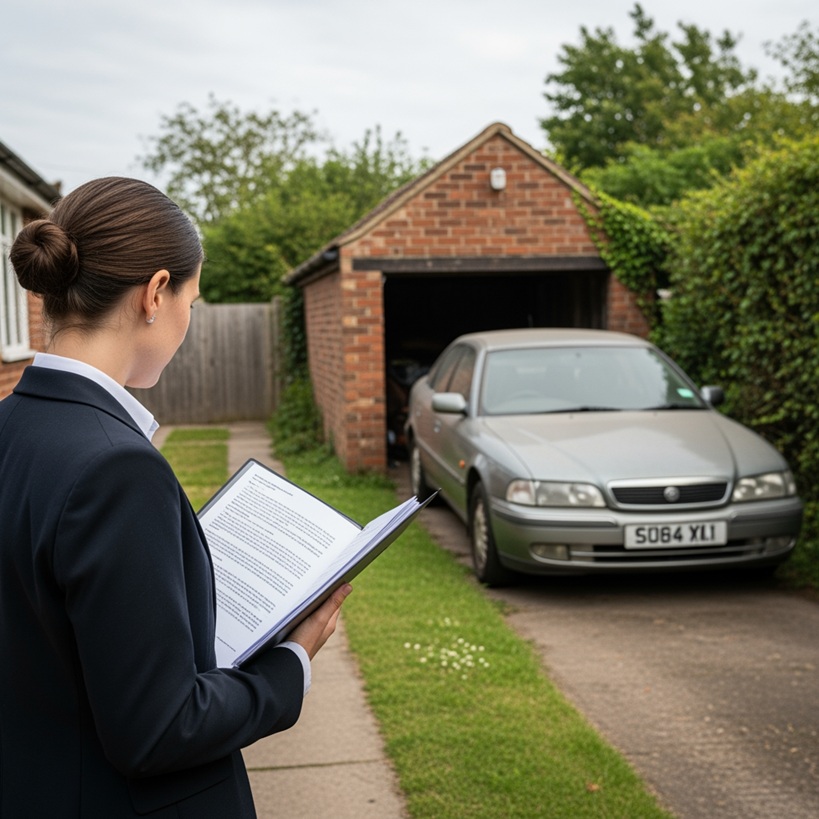
Estate Vehicle Clearance: Multiple Car Removal and Documentation
10th Jun, 2026
Settling an estate often reveals a highly complex logistical puzzle where old vehicles are consistently the most cumbersome pieces. Between the strict legalities of probate and the heavy physical reality of clearing a residential property, executors face a massive mountain of paperwork and a driveway full of aging metal. Solving a probate car puzzle is exactly like rebuilding a complicated carburettor without the factory manual: you have to find all the tiny, hidden bits before you can make it run smooth.
The entire process of an estate vehicle clearance involves significantly more than just calling a local recovery truck. It is a highly sensitive administrative puzzle where every single piece, from the initial Grant of Probate to the final DVLA notification, must fit perfectly to completely protect the executor from future liability. Handling these massive physical assets correctly ensures the estate is settled incredibly efficiently and that any residual value is quickly reclaimed for the beneficiaries.
Legal Authority to Remove Estate Vehicles
An executor absolutely cannot simply start hauling cars away the moment they finally have the ignition keys in hand. You need the firm legal standing to act on behalf of the deceased, which typically comes from securing a Grant of Probate or official Letters of Administration. Fully licensed dealers and commercial recycling centres are legally obligated to verify this strict authority. This crucial step completely ensures they are not inadvertently involved in the unauthorised removal of valuable property.
For smaller estates where formal probate is not legally required, presenting a certified death certificate alongside solid proof of your role as next of kin is usually sufficient. However, for any multiple car removal involving vehicles with significant baseline value or complexity, having the official court-sealed documents is the absolute gold standard for entirely avoiding messy disputes later down the line.
Finding All the Vehicles in an Estate
Identifying every single vehicle in an estate is exactly like being a detective in a greasy jumpsuit. You must meticulously check old insurance renewals, scour bank statements for recurring direct debits to the DVLA, and even hunt down rented commercial garage receipts. Once you have firmly located all the vehicles, you can accurately calculate the total value of the estate assets to satisfy strict HMRC and inheritance tax requirements.
Even if the cars are complete non-runners sitting on bricks, they hold a guaranteed, weight-based baseline value. Using an official, documented scrap quote as a baseline valuation provides a highly transparent, verifiable methodology for your final probate accounts. This clearly shows the authorities you have taken all reasonable steps to realise the fair market value of the estate’s heavy physical assets.
DVLA Notification Requirements for Multiple Vehicles
UK law strictly requires completely individual notifications for every single vehicle locked within an estate. You must carefully complete the yellow section (Section 9) of the V5C logbook for each specific registration mark and immediately notify the DVLA of the keeper’s passing. This vital step totally prevents the estate from being aggressively hounded for automated tax or traffic fines on vehicles that are no longer actually in use.
The process of officially getting rid of cars during probate requires meticulous attention to detail. If a newer vehicle has outstanding finance, such as a PCP or a heavy Hire Purchase agreement, the car technically still belongs to the financial lender. In these specific cases, you must contact the finance company immediately before arranging any physical removal, as they hold the absolute legal title to the chassis.
Coordinating Multiple Vehicle Collections
If the estate includes cars scattered widely at different family homes or secure commercial storage facilities, the logistics become massively more complex. Managing a multiple car removal requires a robust, clear strategy that instantly minimises ongoing storage fees and clears the main residential property for a rapid sale. You can arrange highly coordinated collections to simplify the process by handling pickups across completely different regions through a single, dedicated point of contact.
I once worked with a highly stressed executor in Yorkshire who found six old cars hidden deep in various farm barns. They were covered in thirty years of thick hay, and the tyres had completely rotted into the cold earth. It was exactly like trying to move a massive herd of very heavy, incredibly stubborn cows. We had to deploy specialist heavy winches for every single site, but clearing them efficiently allowed the family to put the entire farm on the market weeks earlier than originally planned.
Valuation Considerations for Estate Vehicles
When preparing the strict final accounts for HMRC, establishing an airtight valuation is absolutely crucial. You cannot simply guess what a rusted shell is worth. Securing a firm, guaranteed quote provides the exact figure required for your inheritance tax calculations. This totally removes the heavy burden of trying to justify an estimated value to a government auditor.
The vast difference between standard raw scrap metal value and high-end salvage value is vital here. If an estate contains a rare, highly sought-after classic car hidden amongst standard runarounds, lumping it into a general clearance is a terrible financial mistake. You must actively separate high-value assets and ensure they are valued correctly to completely protect your legal standing as the executor.
Tax and Insurance During Estate Administration
A major administrative trap for executors involves the hidden status of vehicle road tax and insurance. The moment you formally notify the DVLA of a death, any active road tax is immediately and automatically cancelled. Furthermore, standard vehicle insurance policies are almost always instantly rendered invalid the exact moment the main policyholder passes away.
This means you cannot legally drive the vehicles on public roads to move them. You must urgently arrange expensive temporary cover, or heavily rely on professional recovery services utilising legal trade plates. If the vehicles are parked on public roads, they must be moved to private land immediately or declared strictly SORN (Statutory Off Road Notification) to completely avoid massive automated fines hitting the estate.
Environmental Compliance and the CoD
Every single vehicle sent for permanent disposal must go to the secure location of a fully authorised breaker, legally known as an Authorised Treatment Facility (ATF). These highly regulated facilities ensure that hazardous, highly toxic fluids, like old engine oil and corrosive brake fluid, are completely drained and disposed of safely without harming the local environment.
In strict line with the UK and EU End-of-Life Vehicle (ELV) Directive, all authorised facilities must meet a massive, legally mandated 95% recovery and recycling target for every single vehicle processed. Once a vehicle is fully processed, the ATF issues a highly official Certificate of Destruction (CoD). This specific document is your absolute legal proof that the vehicle is off the road for good, and keeping these receipts is vital for your final, airtight estate auditing.
Dealing with Vehicles at Different Locations
An estate vehicle clearance frequently involves vehicles that are not parked neatly on one driveway. You might find a heavy commercial vehicle parked at a distant workplace that requires you to scrap my car online, a family saloon at the main house, and a broken-down project car sitting in a rented lock-up. Managing the complex access rights for these third-party locations takes genuine patience and clear communication.
Prioritising the rapid removal of vehicles located in rented commercial garages is a highly effective way to instantly stop expensive storage fees from aggressively draining the estate’s limited funds. Coordinating these scattered collections requires a massive, nationwide network that possesses deep local knowledge of difficult access routes.
Handling Cherished Number Plates
Executors incredibly often overlook the immense financial value locked in private, cherished number plates. If the deceased owned a highly valuable registration, you must legally protect it before the physical chassis is crushed. Once a vehicle is formally scrapped and the Certificate of Destruction is issued, the registration mark is permanently lost forever.
You must meticulously complete a V317 form to officially place the valuable plates on a DVLA retention certificate. There are strict government fees involved, but preserving a plate worth thousands of pounds is a critical part of your legal duty to maximise the financial return for the final beneficiaries of the estate.
Record Keeping for Probate Purposes
Maintaining a completely flawless paper trail is your absolute best defence against any future disputes. You should create a highly detailed, itemised vehicle inventory that clearly lists the exact make, model, registration, and documented valuation for every single asset.
When you decide to properly process an asset through a licensed facility by requesting a scrap my vehicle service, you must firmly staple every single collection receipt and official CoD into the final estate accounts. If a frustrated beneficiary ever aggressively questions the final figures, presenting a massive, beautifully organised file of official DVLA documentation shuts the argument down instantly.
Common Complications and How to Resolve Them
Missing logbooks are an incredibly common headache during a messy probate clearance. If you absolutely cannot find the V5C documents after searching the house, you can still legally clear the vehicles. You will need to heavily rely on your Grant of Probate and occasionally provide a formal, sworn statutory declaration to verify your total legal authority to dispose of the heavy assets.
Missing ignition keys present another highly frustrating physical hurdle. A vehicle with a permanently locked steering column is significantly harder to load onto a narrow flatbed transporter. You must ensure the chosen car scrapping facility is fully aware of the missing keys so they can dispatch a heavy-duty truck equipped with specialist winches or a lifting crane.
Environmental Responsibilities
Executors hold a strict, undeniable duty of care regarding the environmental impact of the estate’s physical assets. Vehicles that have sat outside for years frequently develop severe leaks. Toxic engine oil and highly corrosive battery acid can easily seep into the local soil, creating a massive, highly expensive environmental clean-up liability for the estate.
Using only fully authorised, heavily regulated facilities absolutely guarantees total legal and environmental compliance. When you arrange a legitimate scrap car collection, you are completely fulfilling your ethical duty to dispose of the estate’s hazardous assets cleanly and responsibly, protecting both the environment and the final beneficiaries.
Getting Professional Help
There is absolutely no shame in admitting that a massive multi-vehicle clearance is completely overwhelming. When an estate involves complex, highly disputed vehicle ownership or massive logistical hurdles, executors should seriously consider delegating the heavy lifting. The sheer mental relief of handing the massive physical problem over to a professional clearance team is immense.
Specialist teams handle the heavy logistics, manage the complex paperwork, and ensure the electronic funds are securely transferred directly into the official executor bank account. This totally frees you up to focus heavily on the more sensitive, personal aspects of managing the complex bereavement.
After the Scrap: Final Administrative Steps
Once the heavy transporter has finally driven away, the administrative job is not quite finished. You must meticulously confirm that the DVLA digital records are completely updated, ensuring the deceased is permanently removed as the registered keeper.
Next, you must accurately reconcile the final electronic payments within the official estate bank accounts. It is an ethical requirement to formally inform all the beneficiaries of the disposal outcome, providing them with total transparency regarding the final figures. Only then can you permanently and safely close the file on all historical vehicle liabilities.
Conclusion
Handling an estate vehicle clearance is a heavy matter of combining strict legal authority with rapid logistical action. By officially securing the Grant of Probate, meticulously identifying all physical assets, and working solely with fully licensed recycling professionals, you completely protect yourself from future liabilities and ensure a completely smooth probate process.
Maintaining a crystal-clear paper trail of every single collection and destruction is the absolute best way to properly satisfy both the strict DVLA regulations and the estate’s expectant beneficiaries. It firmly turns a potentially massive, messy situation into a highly structured, professional disposal that clears the way for the complex estate to be finally settled.
If you are an executor finally ready to clear a property, Scrap Car Network can instantly simplify the heavy logistics of your probate clearance.
For assistance with complex probate documentation or extremely difficult site access, please feel free to contact us directly at 01772 665 909 for immediate, professional advice.