Eco-friendly Car Disposal: Best Practices for a Cleaner Planet
11th Dec, 2025
Cars may be built to last, but when they finally reach the end of the road, what happens next matters more than most drivers realise. Disposing of a vehicle the wrong way can release hazardous materials, pollute soil and water, and waste valuable resources. The good news? With the right approach, those same vehicles can become part of a cleaner, more sustainable future.
Following eco-friendly car disposal practices isn’t just about doing the right thing; it’s about protecting the planet and ensuring that valuable materials are put back to good use.
Why Eco-friendly Car Disposal Matters
Every car contains substances that can harm the environment if left unchecked, things like oil, batteries, antifreeze, and other hazardous fluids. When these materials leak into the ground or water supply, they create long-term pollution problems.
Proper eco-friendly car disposal practices ensure these substances are handled safely, preventing contamination and supporting the responsible recycling of materials.
Think of it like changing the oil on your driveway; you wouldn’t pour it down a drain. Now multiply that by a whole car’s worth of pollutants. That’s why it’s vital to scrap vehicles responsibly and keep harmful waste out of the environment.
Key takeaways:
- Cars contain hazardous materials that must be disposed of responsibly.
- Eco-friendly car disposal protects soil, air, and water quality.
- Safe recycling ensures harmful waste is managed correctly.
You can discover the advantages of choosing Scrap Car Network to ensure your vehicle is handled in line with the UK’s highest environmental standards.
Understanding End-of-Life Vehicle (ELV) Regulations
The End-of-Life Vehicle (ELV) Regulations set out how vehicles must be disposed of in the UK. These laws are designed to make sure scrapping is done legally and safely, promoting recycling and reducing waste.
Under these regulations, at least 95% of every vehicle must be recycled or recovered. They also ensure that only licensed facilities, known as Authorised Treatment Facilities (ATFs), can dismantle and process end-of-life cars.
It’s a system that keeps the industry accountable and prevents dangerous dumping. And yes, you must also notify the DVLA after selling or scrapping your car; otherwise, you could remain liable for road tax or fines.
Key takeaways:
- The ELV Regulations require around 95% of vehicles to be recycled or recovered.
- They ensure car scrapping is safe, legal, and environmentally responsible.
- DVLA notification is mandatory once your vehicle has been scrapped.
How to Choose an Authorised Treatment Facility (ATF)
If you’re planning to scrap your car, always use an Authorised Treatment Facility (ATF). These sites are approved and monitored by the Environment Agency to meet strict environmental and safety standards.
When your car is processed through an ATF, you’ll receive a Certificate of Destruction (CoD), an essential document proving that the vehicle has been legally scrapped and that you’re no longer responsible for it. Without it, you could still be liable for tax or penalties.
Scrap Car Network works directly with a trusted network of licensed ATFs across the UK. You can connect with our network of Authorised Treatment Facilities to ensure your car is recycled properly and efficiently.
Key takeaways:
- Only ATFs are legally authorised to scrap cars in the UK.
- They must issue a Certificate of Destruction (CoD).
- Using an ATF ensures responsible recycling and protects you from liability.
The Car Dismantling Process: Step-by-Step
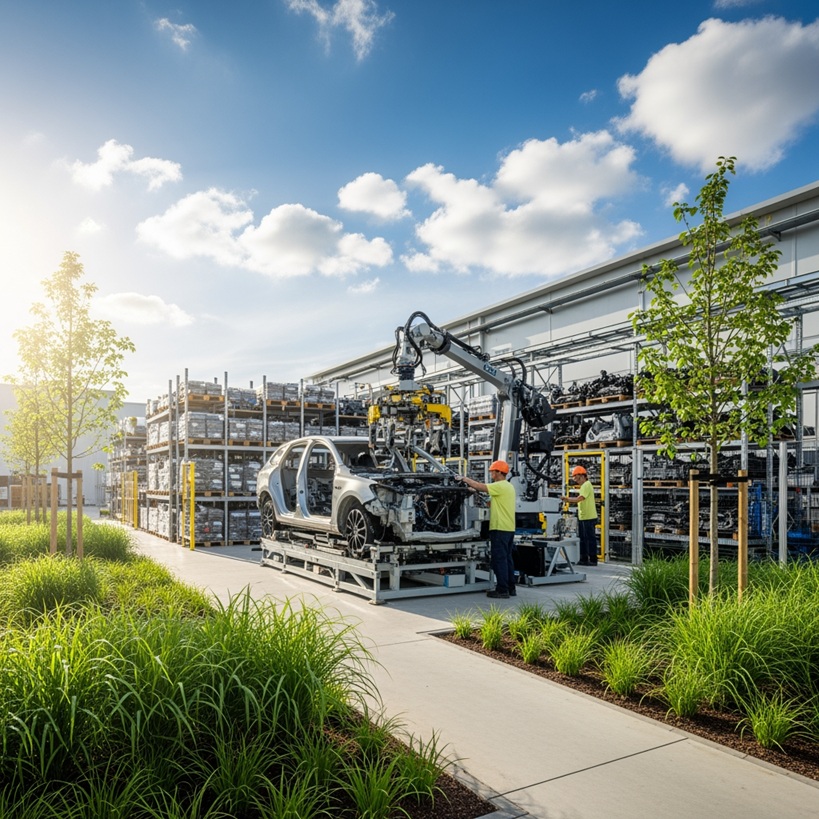
Once your car arrives at an ATF, it doesn’t just get crushed. There’s a detailed process that follows, designed around sustainable car disposal methods to recover as much material as possible while handling waste safely.
Step 1: Depollution
All hazardous fluids, such as oil, brake fluid, and coolant, are drained and stored safely. These materials are either disposed of responsibly or recycled.
Step 2: Parts Removal
Usable components like engines, catalytic converters, and body panels are removed. Many of these can be refurbished and sold as quality used parts.
Step 3: Dismantling
Remaining components like plastics, wiring, and glass are extracted for recycling. Even tyres and batteries are processed separately to reduce waste.
Step 4: Crushing and Recycling
After dismantling, the car’s metal shell is crushed and sent for smelting. Recovered metals are used to make new products, often even new vehicles.
Key takeaways:
- The dismantling process maximises recycling and minimises waste.
- Hazardous fluids are removed first to prevent pollution.
- Valuable components and materials are reclaimed for reuse.
To see this in action, learn more about our environmentally responsible car recycling process.
Recycling Car Parts: What Happens Next?
After dismantling, many car parts get a second life. Engines and gearboxes may be reconditioned, while panels and tyres can be reused. Even materials that can’t be reused directly, such as plastics or metals, are processed into new products.
Metals are melted down to create raw materials for construction, manufacturing, and new vehicles. Plastics can be turned into everyday items like traffic cones or garden furniture. It’s all about reducing waste and creating a circular economy.
Key takeaways:
- Reusable parts are refurbished and sold on.
- Metals, plastics, and glass are recycled into new items.
- Recycling reduces the need for virgin raw materials.
Reducing Your Carbon Footprint: Tips for Car Owners
Eco-friendly car disposal is just one part of sustainable motoring. Drivers can also make small, consistent changes that reduce emissions and environmental impact:
- Drive Less: Walk, cycle, or use public transport when possible.
- Maintain Your Vehicle: Keep it serviced to reduce emissions and fuel waste.
- Drive Smoothly: Avoid harsh braking or acceleration.
- Consider Going Electric: Modern EVs produce zero tailpipe emissions and are easier to recycle in future.
Even small adjustments make a big difference over time. Responsible ownership goes hand in hand with sustainable car disposal methods.
Key takeaways:
- Regular maintenance and efficient driving reduce emissions.
- Switching to electric vehicles cuts pollution further.
- Every small step contributes to a cleaner environment.
For guidance on switching to greener transport, check out our guide on checking when your MOT is due. Staying roadworthy helps reduce unnecessary waste.
The Future of Eco-friendly Car Disposal
As recycling technologies advance, the automotive world is becoming more sustainable than ever. Modern ATFs use sophisticated systems to recover more materials and reduce environmental impact.
Manufacturers are also designing vehicles with recycling in mind, choosing materials that are easier to separate and reuse. It’s all part of the shift towards a circular economy, where nothing goes to waste.
The future of eco-friendly car disposal practices lies in innovation, smarter recycling, better recovery systems, and more environmentally conscious car design.
Key takeaways:
- Future disposal methods focus on sustainability and efficiency.
- Innovative recycling technology improves material recovery.
- The goal is a fully circular, zero-waste automotive system.
To see how Scrap Car Network contributes to these innovations, see our commitment to compliant processing through our ATF partners.
Next Steps
So there it is, responsible car disposal made simple. By following eco-friendly car disposal practices, you’re not only scrapping your car legally but also doing your bit for a cleaner planet.
If you’re ready to move forward:
- Get an instant quote to scrap any car, it only takes a minute.
- Find out how to scrap your car easily and legally.
- Get in touch for support or questions.
Whether you’re based in London or looking to scrap your car in Preston, Scrap Car Network makes the process simple, safe, and sustainable. Together, we can make car scrapping part of the solution, not the problem.