Distance Selling Regulations and Online Scrap Quotes
13th Aug, 2026
Buying and selling goods on the internet has become second nature for most households. Families order weekly groceries and new televisions without ever speaking to a human being. However, when it comes to getting online scrap quotes for an old motor, many motorists simply do not realise they are protected by very similar consumer laws. The distance selling scrap regulations exist precisely to shield sellers from dodgy deals made over the phone or through a website form.
These legal rules absolutely apply when an owner arranges for a recovery truck to take away their old vehicle. They form a robust protective barrier between everyday people and unscrupulous operators who might try to pull a fast one on a suburban driveway. Understanding these regulations is the difference between a smooth, profitable handover and a massive administrative headache. It helps to look under the bonnet of exactly how the law protects the public.
What Are Distance Selling Regulations?
The Consumer Contracts Regulations 2013 officially replaced the older distance selling laws in the UK a few years back. However, most experienced mechanics and everyday motorists still use the original terminology because it is simpler to remember in conversation. These rules strictly govern any purchase or sale made without face-to-face contact.
When a motorist requests a digital valuation for their rusty runabout, the transaction officially begins the moment a dealer provides a price and the owner clicks accept. The law requires businesses to provide exceptionally clear, upfront information before any final agreement is ever solidified. This transparent approach ensures the seller knows exactly who they are dealing with from the very start.
These legal frameworks are absolutely vital for modern vehicle disposal. The Consumer Contracts Regulations 2013 ensure that legal rights are completely locked in long before the tow truck ever turns onto the street. It brings much-needed accountability to the entire motor trade.
How Distance Selling Rules Apply to Car Quotes
When a person fills out an online form to value an old vehicle, they are entering into what is legally termed a distance contract. The dealer has not inspected the vehicle in person, and the owner has certainly not visited the physical scrapyard. Because everything happens remotely, specific consumer rights are immediately triggered to protect the seller.
The buyer must provide what is known as pre-contract information before anyone commits to the transaction. This means there can be no surprise towing fees tacked on when arranging a scrap car collection from a residential property. The exact figure seen on the computer screen should be the precise figure that eventually lands in the bank account.
However, it is vital to understand that the standard cooling-off period operates quite differently in this specific industry. Once a vehicle is collected and the recycling service is fully performed, the right to cancel completely evaporates. Therefore, owners must be absolutely certain about the terms before handing over the V5C logbook and the car keys.
The Information Scrap Dealers Must Provide
Under the current legal framework, buyers simply cannot operate in the shadows. When the time comes to scrap my vehicle using a digital service, the law dictates that specific details must be explicitly disclosed. This strict transparency requirement protects vehicle owners from unscrupulous operators.
Essential pre-contract information includes several highly specific details:
- Full Legal Business Name: Not just a generic website header.
- Registered Office Address: A verifiable physical location.
- Total Price: The final amount without hidden deductions.
- Payment Method: How funds will be transferred legally.
I remember a bloke from down the road, Arthur, who tried to shift his rusty old Vauxhall Astra through a handwritten advert taped to a lamppost. He agreed on a price over the phone, but when the recovery driver showed up, the chap immediately tried to knock a hundred quid off, claiming the metal market crashed overnight. Arthur knew his rights, told the driver to jog on, and eventually used a proper registered facility instead. It just goes to show that knowing the law saves a massive headache.
Your Rights When Getting Digital Valuations
The legal framework grants specific rights that apply throughout the entire transaction process. Sellers have the absolute right to receive the exact quoted price without any last-minute deductions, provided the vehicle perfectly matches the description submitted online.
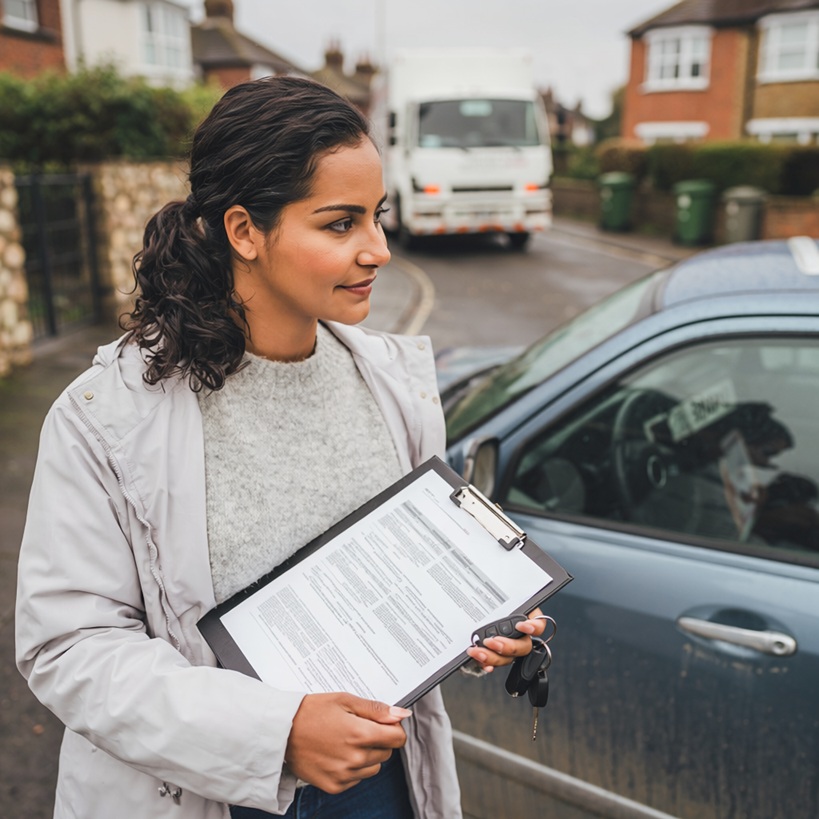
These laws fiercely protect the public against aggressive sales tactics on their own property. A collection driver cannot pressure a homeowner into accepting a lowered quote while blocking their driveway. If a dealer turns up and suddenly claims the car is worth less than quoted without a valid mechanical reason, the owner is not obliged to hand the keys over.
Honest reasons for a price adjustment certainly do exist. If a dealer discovers a missing catalytic converter that was not declared, the value fundamentally changes. However, these must be genuine discrepancies based on physical condition, rather than fabricated excuses.
What Happens If a Dealer Breaks the Rules
These consumer regulations are enforceable law, not just polite industry guidelines. When a buyer fails to comply with their legal obligations, several robust avenues for recourse exist. Many issues stem from simple miscommunication, so direct contact with the business is always the best first step.
If a fair resolution cannot be found, a formal complaint can be filed with Trading Standards. They take these matters incredibly seriously because non-compliant dealers are a blight on the legitimate motor trade. They have the power to investigate and ultimately prosecute businesses that mislead the public through fake online scrap quotes.
Additionally, rogue dealers often create severe environmental hazards. If a company fails to complete the required tell DVLA scrapped car notification process, the Environment Agency can step in. They have the authority to issue incredibly heavy fines or shut the illegal operation down completely.
Protecting Yourself When Scrapping Online
Verifying a buyer’s credentials before accepting online scrap quotes prevents the vast majority of driveway disputes. Motorists have the power to protect themselves before the truck even leaves the depot.
Think of arranging a car collection like booking a holiday apartment on the internet. Nobody would pack their bags without seeing photos, reading independent reviews, and getting a proper booking confirmation emailed to their inbox. For anyone looking to find out how to scrap your car easily, the disposal of a vehicle should be treated with the exact same level of healthy caution.
Always check public registers and ask specific questions:
- Are they an Authorised Treatment Facility?
- Do they handle the DVLA notification paperwork?
- Will they provide a genuine Certificate of Destruction?
Gathering this written evidence creates a perfect paper trail. If a dispute ever arises, having everything confirmed makes resolving the issue incredibly straightforward.
The Role of Authorised Treatment Facilities
Consumer protection laws work hand-in-hand with strict environmental legislation governing vehicle recycling. Only an officially licensed recycling centre can legally process an end-of-life vehicle. These specific locations are known as Authorised Treatment Facilities, and they are the only places an old car should ever end up.
These facilities safely remove and dispose of toxic hazardous materials before crushing the metal shell. They carefully drain the engine oil, remove the heavy battery, and extract the harmful air conditioning refrigerant. It is a highly skilled, environmentally crucial process.
When using a verified network of Authorised Treatment Facilities, sellers ensure the vehicle is processed legally. These licensed centres uphold proper standards of car scrappage because they cannot afford the reputational damage of dodgy business practices. They operate firmly within the bounds of the Consumer Contracts Regulations 2013.
Special Considerations for Commercial Vehicles
Consumer protection legislation applies slightly differently to business transactions. When a limited company disposes of a fleet vehicle, different contractual rules occasionally come into play. Business-to-business transactions often have fewer mandatory cooling-off rights and require clear commercial terms agreed upon upfront.
A sole trader looking to arrange a scrap van collection occupies an interesting middle ground. While highly specific consumer protections might not apply, the fundamental requirements remain unchanged. The rules surrounding clear pricing and accurate pre-contract information are just as strict for a builder’s transit van as a family hatchback.
Regardless of whether the vehicle has commercial signwriting or a baby seat in the back, the physical recycling process and the environmental obligations remain entirely identical.
Common Misconceptions About the Process
Several stubborn myths persist about how these laws apply to vehicle disposal. A highly prevalent myth is that a buyer can legally adjust a quote simply by inspecting the car upon arrival and deciding they do not like the colour.
In reality, a price can only legally change if the vehicle fails to match the original description provided. A car described accurately as a non-runner with an engine fault justifies absolutely no price reduction whatsoever. Understanding these rules helps sellers stand their ground with total confidence.
Another common myth is the notion that payment must always be physical cash. In fact, paying cash for scrap metal is entirely illegal under the Scrap Metal Dealers Act 2013. Secure bank transfers or business cheques are the only legal methods permitted in the UK.
Regional Variations and Local Services
While distance selling scrap regulations apply equally across the UK, practical logistics vary by location. Rural areas might face slightly longer collection timelines due to sheer distances. Conversely, densely populated urban centres often boast highly competitive markets with rapid turnaround times.
For example, a seller searching online to “scrap my car london” finds numerous licensed facilities competing fiercely for the metal. This intense competition generally works heavily in the consumer’s favour, ensuring better prices and rapid collection times.
While underlying scrap metal values fluctuate, the strict legal requirements never waver. The rules regarding total transparency and accurate online scrap quotes remain absolutely constant regardless of the postcode.
Your Next Steps for a Secure Handover
Working through the digital marketplace does not have to be a stressful experience. Armed with the knowledge of how these laws protect transactions, any motorist can secure a fair price without the fear of driveway haggling. Insisting on dealing exclusively with licensed professionals is the ultimate key to a successful vehicle handover.
If a motorist is looking for a transparent process adhering to proper environmental standards, they need a service that operates strictly by the book. People want a provider connecting them with licensed Authorised Treatment Facilities across the UK. Additionally, using a service that supports charitable causes adds real social value to the disposal process.
For a hassle-free experience respecting consumer rights, exploring the services offered by Scrap Car Network is a smart route. The focus remains on transparent pricing and ensuring every vehicle is processed to standard environmental regulations. To recycle a vehicle safely, please feel free to contact us on 0300 100 0027. A dedicated team is always here to provide honest advice.