Cross-Border Car Recycling in Europe
29th Jan, 2026
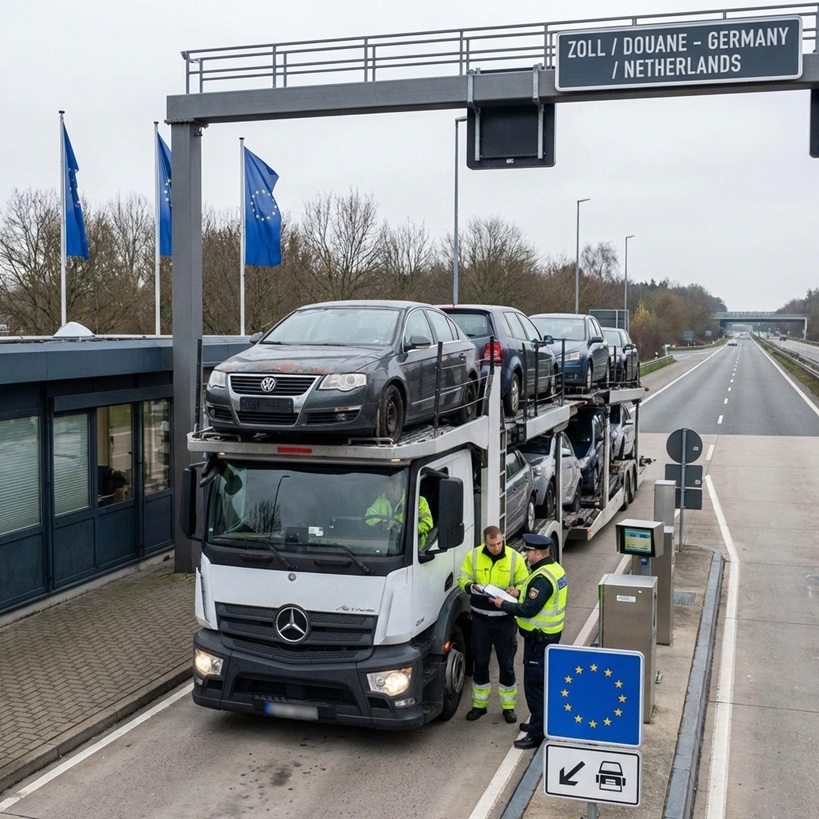
As the European automotive industry continues to grow, so too does the number of vehicles reaching the end of their lives. Rather than scrapping these cars locally, many are sent to other countries within the EU for processing. This movement, known as cross-border car recycling Europe, has become an integral part of the continent’s sustainability and circular economy strategies.
At its best, the system helps countries share resources, technology, and expertise. However, the European cross-border scrap trade also presents challenges around regulation, logistics, and environmental compliance. Scrap Car Network demonstrates how organised networks with certified facilities can handle vehicle disposal efficiently whilst maintaining strict environmental standards.
The Basics of Cross-Border Car Recycling
In simple terms, cross-border car recycling Europe refers to transporting an end-of-life vehicle (ELV) from one country to another within Europe for dismantling, recycling, or material recovery.
Differences in recycling capacity, technical expertise, and economic conditions between nations drive this practice. Some countries have advanced recycling facilities or specialist equipment capable of handling complex materials such as composites, plastics, or electric vehicle batteries.
Key Takeaways:
- Cross-border car recycling involves transporting ELVs between European countries for processing
- Economic and technical advantages drive these cross-border movements
- Certain regions possess specialised recycling infrastructure or materials expertise
Why Move Cars Across Borders for Recycling?
Whilst scrapping cars locally might seem easier, it’s not always the most efficient or sustainable choice. Some nations have developed advanced treatment centres equipped to extract maximum value from each vehicle, whilst others have limited infrastructure or higher disposal costs.
Economic Considerations
Recycling costs can vary widely across Europe due to differences in labour costs, energy prices, and regulatory demands. Transporting vehicles to a neighbouring country may actually lower overall costs and improve recycling yields.
Understanding our environmentally responsible car recycling process shows how specialised facilities maximise material recovery whilst maintaining environmental compliance.
Specialised Recycling Facilities
Certain materials require unique handling techniques. For example, hybrid and electric vehicles need specific equipment to safely remove and recycle lithium-ion batteries. Facilities in Germany, the Netherlands, and Belgium have become leaders in such specialised recycling, making them frequent destinations for European cross-border scrap trade operations.
Key Takeaways:
- Recycling vehicles abroad can reduce costs and increase efficiency
- Advanced European facilities can recover more valuable materials
- Economies of scale and specialisation make cross-border movement practical
The Role of the ELV Directive
The End-of-Life Vehicles Directive (2000/53/EC), often referred to as the ELV Directive, underpins all recycling and waste management of end-of-life cars across the EU.
Its goal is to reduce the environmental impact of ELVs by ensuring that 95% of each vehicle’s materials are recovered or recycled. The Directive also sets strict requirements for the removal of hazardous substances such as lead, mercury, and cadmium.
By harmonising standards across Europe, the Directive ensures that every participating country processes vehicles responsibly, regardless of where recycling takes place.
I remember talking to a German recycling facility manager who explained how the Directive changed everything. Before it came in, he said, some operators would strip the valuable bits and dump the rest. Now, every single component gets accounted for, tracked, and processed properly. It’s transformed the entire industry.
Key Takeaways:
- The ELV Directive sets EU-wide standards for vehicle recycling and recovery
- It requires safe removal of hazardous materials and a 95% recycling rate
- Compliance applies to all vehicles recycled within the European Union
How the ELV Directive Impacts Cross-Border Recycling
The Directive applies to any car recycled within the EU, ensuring uniform standards for cross-border car recycling Europe. Whether a car is scrapped in Spain, Poland, or the UK, the recycling process must meet the same environmental and safety criteria.
A key element of this system is the Certificate of Destruction (CoD). This official document confirms that a vehicle has been fully depolluted, dismantled, and recycled in compliance with the Directive. It prevents vehicles from re-entering circulation illegally and provides proof of proper disposal.
When vehicles are recycled through proper channels, customers receive a CoD issued by an Authorised Treatment Facility (ATF), ensuring complete compliance and peace of mind. Those looking to dispose of their vehicles can get an instant quote to scrap any car and receive full documentation.
Key Takeaways:
- The ELV Directive governs all cross-border vehicle recycling within the EU
- A Certificate of Destruction (CoD) proves compliance and proper recycling
- Vehicle owners receive a CoD when using authorised recyclers
Challenges and Opportunities in Cross-Border Car Recycling
Although the benefits are significant, the European cross-border scrap trade also faces a number of challenges, from logistical difficulties to variations in local legislation.
Logistical and Regulatory Barriers
Transporting vehicles across European borders requires coordination and compliance with both export and import regulations. Differences in customs procedures, transport costs, and environmental legislation can slow down operations.
For example, moving partially dismantled or damaged vehicles requires specialised transport and documentation to prove that the vehicles are being recycled legally rather than resold abroad.
Working with our network of Authorised Treatment Facilities demonstrates how coordinated systems overcome these barriers through standardised processes and transparent documentation.
Opportunities for Innovation
Despite these challenges, opportunities exist to improve collaboration between member states. Streamlined regulation, shared recycling data, and investment in advanced recovery technologies could make cross-border recycling both more efficient and more transparent.
Key Takeaways:
- Cross-border logistics can be expensive and complex due to varied regulations
- Coordinated EU policies and better transport systems can reduce delays
- Innovation in recycling technology can enhance recovery rates and efficiency
The Importance of Compliance
Maintaining compliance with environmental laws and recycling standards is essential for any operator involved in cross-border car recycling Europe. Failing to meet the ELV Directive’s requirements can lead to severe financial penalties and reputational damage.
Recycling companies must ensure full traceability, from vehicle collection to final material processing. Working with licensed ATFs guarantees that all hazardous materials are removed safely, and that reporting obligations are met.
Think of compliance like an MOT for recycling facilities. You wouldn’t trust a garage without proper certification to work on your car, so why trust an unlicensed facility with your vehicle’s disposal?
Key Takeaways:
- Compliance with EU and national recycling laws is non-negotiable
- Traceability ensures environmental accountability
- Working with certified ATFs protects against fines and non-compliance
Ensuring Legal and Ethical Practices
To uphold ethical recycling standards, exporters and recyclers must verify that their partners are licensed and fully compliant with the ELV Directive. Conducting regular audits and maintaining transparent documentation helps prevent vehicles from entering illegal scrap channels.
Choosing services that prioritise compliance shows commitment to both environmental protection and ethical business practices. Learning about the advantages of choosing responsible recycling demonstrates how verified networks deliver better outcomes.
Key Takeaways:
- Work only with licensed, reputable recycling partners
- Regular audits ensure transparency in the recycling chain
- Ethical recycling protects both the environment and brand reputation
Future Trends in Cross-Border Car Recycling
Focus on the Circular Economy
Circular economy principles increasingly guide Europe’s recycling industry. These focus on reducing waste, reusing materials, and designing products for long-term sustainability.
Growth of Electric Vehicle (EV) Recycling
The shift towards electric and hybrid vehicles introduces new recycling challenges. As batteries contain hazardous materials like lithium and cobalt, specialist recycling facilities will play an even greater role in the European cross-border scrap trade.
Advancements in Recycling Technology
Artificial intelligence and robotics are transforming how cars are dismantled. Smart sorting systems can separate metals, plastics, and composites with greater precision, improving both efficiency and recovery rates.
Key Takeaways:
- Circular economy policies will shape the future of cross-border recycling
- EV battery recycling will become a major area of growth
- Automation and AI will enhance material recovery and environmental outcomes
Tips for Responsible Cross-Border Car Recycling
Organisations involved in cross-border car recycling Europe can adopt several best practices to ensure their operations are sustainable and compliant.
Work with Certified ATFs: Always choose facilities with valid environmental licences and ELV Directive certification.
Perform Due Diligence: Verify export documentation and the final recycling destination.
Prioritise Environmental Protection: Select processes that maximise recovery and minimise pollution.
Stay Informed: Keep up-to-date with new EU recycling legislation and sustainability targets.
For vehicle owners in the UK, it’s straightforward to find out how to scrap your car easily and legally with a trusted, fully compliant recycling provider.
Key Takeaways:
- Choose licensed facilities and verify their compliance credentials
- Stay aware of evolving regulations and recycling technologies
- Responsible car recycling supports both sustainability and compliance
The Environmental Benefits of Car Recycling
Recycling vehicles responsibly reduces the need for new raw materials, conserves energy, and prevents pollution caused by improper disposal. By supporting ethical and compliant recycling practices, businesses and consumers alike help close the loop in Europe’s automotive life cycle.
Many services now offer free nationwide scrap car collection, making it convenient for vehicle owners to choose responsible disposal regardless of location.
Key Takeaways:
- Car recycling conserves resources and cuts emissions
- Ethical recycling contributes to a cleaner, circular economy
- Choosing responsible partners strengthens environmental protection
Conclusion
The practice of cross-border car recycling Europe highlights both the strengths and complexities of the continent’s environmental infrastructure. When managed ethically, it supports the circular economy, reduces waste, and encourages innovation.
However, maintaining transparency, compliance, and collaboration is key to preventing environmental harm and ensuring fair trade across borders.
By working with reputable organisations and adhering to EU recycling standards, companies and individuals can contribute to a cleaner, more sustainable automotive future. For guidance or support on responsible vehicle recycling and certified disposal processes, contact us to speak with our team.