Can Scrap Cars Ever Be Made Roadworthy Again?
30th Oct, 2025
For many drivers, the thought of bringing an old, worn vehicle back to life carries a certain magic. There’s a romantic idea that roadworthy scrap cars can be restored from rusting wrecks into drivable classics with enough effort and passion. But while car restoration has its charm, the practical and legal realities often paint a very different picture.
In the UK, once a car has been formally scrapped, reviving it for road use is rarely straightforward. Let’s take a closer look at why the idea sounds inspiring on paper but proves nearly impossible in practice.
The Appeal of Bringing a Car Back to Life
The fascination with restoration is easy to understand. Many enthusiasts dream of transforming something neglected into something beautiful again. Classic car shows and TV programmes often celebrate this process, making it seem achievable for anyone with tools and determination.
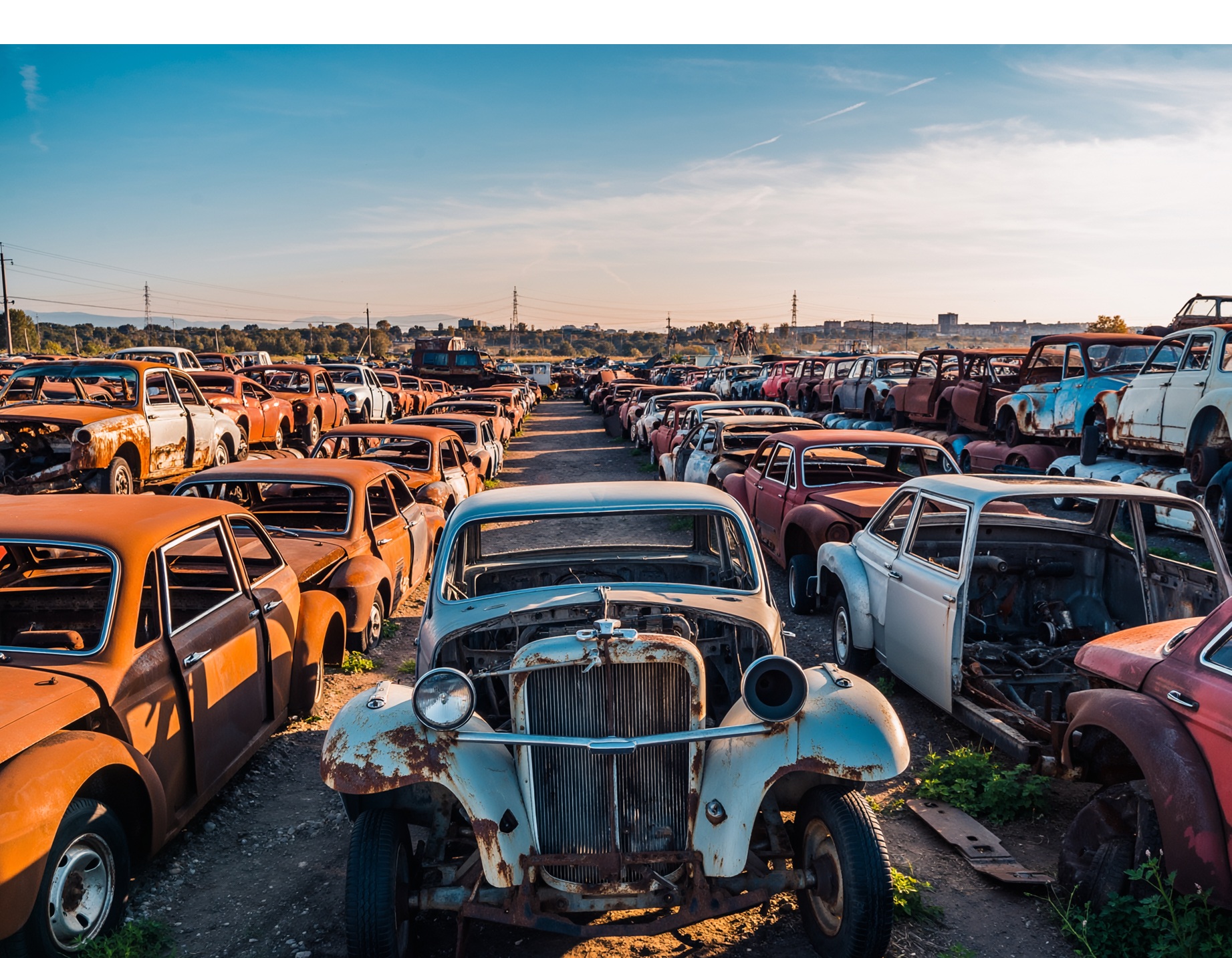
But what happens when a vehicle isn’t just old, but officially declared scrap? Unlike a project car parked in a shed, a scrapped vehicle has already crossed a legal and mechanical line. It’s been deregistered, dismantled, or assessed as unsafe to drive. Bringing it back to roadworthy condition would require rebuilding it from the ground up – a task that’s far more complex than a simple repair job.
What “Scrap” Really Means
A scrap car isn’t merely worn out or dusty. It’s a vehicle that’s reached the end of its economic and operational life. These cars are usually sent to Authorised Treatment Facilities (ATFs), where they’re dismantled, depolluted, and recycled under strict environmental standards.
Once the Certificate of Destruction (CoD) is issued, that vehicle is legally recognised as scrapped. The purpose is to ensure its materials are reused safely, not returned to the road. Reversing that process isn’t just a matter of fixing a few parts – it’s about rewriting a car’s entire legal and mechanical identity.
What Makes a Car “Roadworthy”?
For any vehicle to be classed as roadworthy, it must pass a series of checks covering safety, emissions, and performance. This includes:
- Structural integrity of the frame and chassis
- Reliable braking and steering systems
- Working safety features like airbags and seatbelts
- Compliance with environmental emissions standards
Even a single failure in these areas can disqualify a car from registration. For roadworthy scrap cars, this means not only undoing the wear and damage but also rebuilding to meet current safety and environmental laws – often a near-impossible task.
The Harsh Reality of Restoration Costs
Restoring a scrapped vehicle isn’t a weekend project. It’s a massive financial and technical undertaking.
- Mechanical Repairs: Engines, gearboxes, and braking systems often need complete overhauls or replacement.
- Electrical Systems: Older wiring rarely meets modern safety or efficiency standards.
- Body and Frame Work: Corrosion or accident damage may require structural reconstruction rather than surface repair.
The cost of returning a scrap car to roadworthy condition often exceeds the price of buying a newer, safer vehicle. For most, car restoration of this kind becomes a labour of love, not a practical investment.
Regulatory Barriers in the UK
Even if someone were willing to spend the money, UK regulations create significant hurdles for roadworthy scrap cars.
To legally drive again, a previously scrapped vehicle must:
- Pass an MOT inspection for safety and emissions.
- Meet updated environmental compliance standards.
- Be re-registered with the DVLA after full verification of its rebuild.
Because scrapped cars are deregistered for safety and pollution reasons, re-registering them requires extensive documentation, inspections, and evidence of structural soundness. In most cases, the authorities simply don’t allow it.
The Economics of Scrapping Versus Restoring
In truth, scrapping is almost always the more logical and cost-effective option.
Car restoration projects for scrapped vehicles come with uncertain returns. The money poured into replacing components, sourcing parts, and testing compliance can easily outweigh the car’s potential resale value. By contrast, recycling through Scrap Car Network provides an instant valuation and guaranteed cash return.
The financial logic is clear: recycling gives you something back immediately, while restoration keeps taking more.
Why Recycling Wins Over Restoration
Scrapping isn’t just about giving up on a car – it’s about making the smarter environmental and financial choice.
- Economic Sense: You receive a fair cash offer based on the car’s recyclable metal and component value.
- Safety: Removing unsafe vehicles from the road protects both drivers and pedestrians.
- Environmental Impact: Recycled materials reduce the need for new raw resources and lower CO₂ emissions.
Modern recycling doesn’t mean a car’s story ends – it simply continues in another form. You could say that instead of being reborn as a vehicle, it’s reborn as a thousand useful parts.
How the Process Works with Professional Services
Companies like Scrap Car Network make the scrapping process seamless from start to finish.
- Assessment: You receive a free online valuation based on weight, make, and location.
- Collection: Your vehicle is picked up through free scrap yard collection without any hidden fees.
- Recycling: The car is dismantled and recycled in compliance with environmental laws.
- Confirmation: You receive your Certificate of Destruction, confirming legal disposal.
You can find detailed guidance on the process by exploring the How It Works section, or feel free to get in touch with the Scrap Car Network team for expert advice and support.
Real-World Examples
James from Bristol once dreamed of restoring his old saloon into a daily driver. But when the repair quote topped £7,000 – more than the car’s value – he decided to scrap it instead. The cash return and free collection made it an easy, sensible decision.
Lorna in Glasgow faced the same dilemma with her ageing hatchback. Though it looked tidy on the outside, corrosion beneath the floorpan made it unsafe to repair. Professional recycling offered peace of mind and an environmentally responsible outcome.
Both found that the dream of creating roadworthy scrap cars was outweighed by practicality.
Regional Support and Specialised Recycling
Scrap Car Network offers nationwide coverage with dedicated local services across:
If you’re disposing of a larger vehicle, you can arrange eco-friendly disposal through the Scrap My Van service.
A Realistic View of Restoration
So, can scrap cars ever be made roadworthy again? Technically, perhaps – but realistically, rarely. Between rising costs, strict regulations, and environmental considerations, restoration is almost never worth the effort.
Instead, recycling offers a faster, safer, and more sustainable route. It ensures every part of your old car continues to serve a purpose, even if not on the road.
If you’re deciding between car restoration and scrapping, consider what makes the most sense for your safety, budget, and peace of mind. You can explore more sustainable recycling options through Scrap Car Network or get in touch with the team to discuss the best solution for your vehicle.