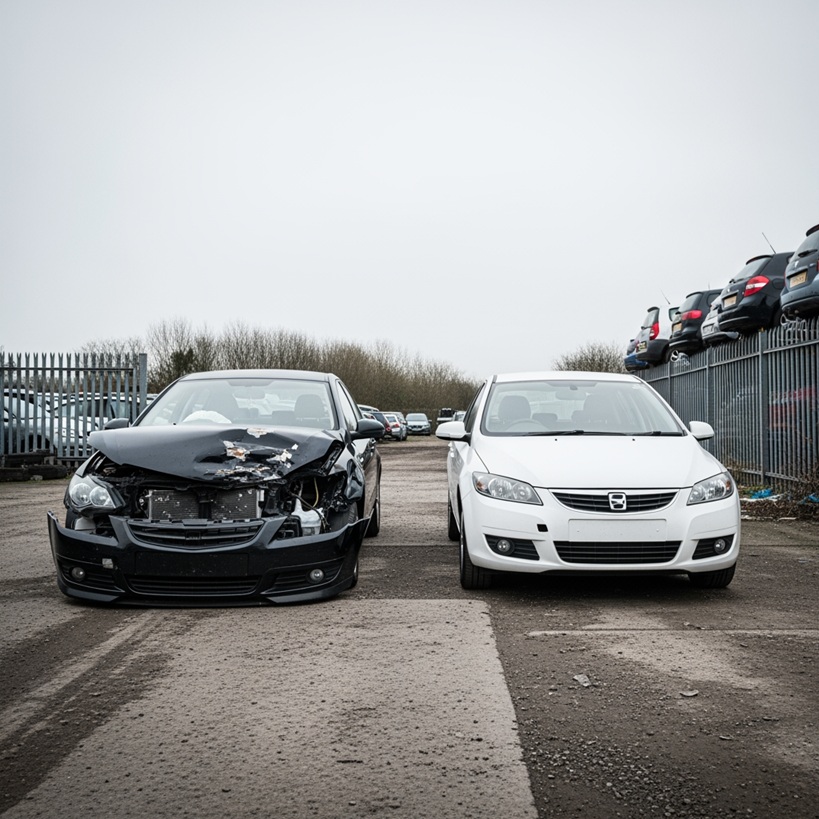
Body Damage vs Mechanical Damage: Which Reduces Scrap Price More?
18th May, 2026
When a car reaches the end of its roadworthy life, owners often wonder what affects its final value at the scrapyard. The answer is not always straightforward, but understanding the difference between body damage and mechanical damage helps set realistic expectations.
Most people assume a car that looks terrible must be worth less than one with a blown engine. That is not necessarily true. Professional scrap services operate on different principles than the used car market, and what matters most is what can be salvaged, recycled, or resold.
What Actually Determines Scrap Car Value
Scrap car valuation is not based on how well a vehicle runs or looks. Three primary factors influence what an Authorised Treatment Facility (ATF) will pay.
Metal weight and composition create the bulk of scrap value. Steel, aluminium, copper, and other metals can be extracted and sold to recycling plants. A heavier car generally fetches more money, regardless of its condition.
Current scrap metal prices fluctuate based on global demand. When steel prices rise, scrap car values increase. When they drop, so does what you will receive for your vehicle. You can track these trends by checking our daily scrap rates to see the current market position.
Salvageable parts like engines, transmissions, doors, and headlights in working condition can be removed and resold. This adds value beyond the base metal weight.
How Body Damage Affects Scrap Value
Body damage scrap value refers to external harm, such as dents, scratches, rust, crumpled panels, or collision damage. Whilst it might make a car look like it has been through a demolition derby, this type of damage has a surprisingly limited effect on scrap value.
The metal beneath damaged bodywork remains perfectly recyclable. A crushed bonnet weighs the same as a pristine one when it goes through the shredder. The ATF does not care whether your door panels are straight or look like crumpled tin foil.
However, body damage does affect resaleable panels. If body panels are severely damaged, they cannot be resold as spare parts. A door with a small dent might fetch a decent price as a used part, but a completely mangled one has no secondary market value.
How Mechanical Damage Affects Scrap Value
Mechanical damage scrap price refers to problems with the engine, gearbox, suspension, brakes, or other functional components. This type of damage has a more complex relationship with scrap value.
A car with a seized engine loses the potential resale value of that engine. A working engine for a popular model might be worth hundreds as a used part. A completely failed engine might only be worth its weight in aluminium.
Key mechanical components and their impact include:
- Engine: Working engines add significant value. A blown engine reduces this to scrap metal value only.
- Gearbox: Manual and automatic gearboxes in working order can be resold.
- Catalytic converter: This component contains precious metals and can be worth a significant amount.
The Surprising Truth About Which Matters More
Here is where conventional wisdom gets turned on its head. Body damage usually reduces scrap value less than mechanical damage, but the difference is often smaller than people expect.
For most standard vehicles, the gap between a mechanically sound car with body damage and a mechanically damaged car with good bodywork might only be £50-£150. The base metal weight remains the dominant factor.
Modern cars contain roughly 60-65% recyclable materials by weight. Whether those materials come from a pristine vehicle or a battered one makes no difference to the recycling process.
When Body Damage Reduces Value More
Certain scenarios see body damage having a more significant impact on damaged car scrap price.
Extensive rust and corrosion is not just cosmetic damage; it reduces the actual metal weight. Rust literally eats away at the steel, meaning there is less material to recycle. A car with severe rust might weigh 100-200kg less than an equivalent rust-free model.
Missing body panels also reduce value. If accident damage has resulted in missing doors, bonnet, or bumpers, the reduced weight directly lowers value. Each panel represents valuable recyclable metal.
When Mechanical Damage Reduces Value More
Mechanical damage has a greater impact in specific situations. Luxury cars and performance vehicles with strong parts demand see bigger price differences. A working engine from a premium German car might be worth thousands as a used part, whilst a seized one is worth perhaps £100 for scrap metal.
I remember a lovely old Jaguar we collected. The body was immaculate, not a scratch on it. But the engine had seized solid because the owner forgot to put oil in it for three years. We paid him scrap weight. If that engine had been running, we could have offered him an extra £400 easily. It broke his heart, but a beautiful shell with a dead heart is just a heavy paperweight.
Real-World Examples
Consider two identical 2012 Vauxhall Astras, both weighing approximately 1,400kg.
Car A has significant body damage from a collision but the engine runs perfectly. Car B has pristine bodywork but suffered catastrophic engine failure.
Car A might receive higher offers because the working engine and gearbox add value to the base metal weight. Car B’s good bodywork allows some panels to be resold, but the destroyed engine eliminates a huge chunk of potential parts value.
What About Older vs Newer Cars?
The age of a vehicle influences what affects scrap car prices significantly.
For older cars (15+ years), parts demand decreases as fewer of these models remain on the road. Both body and mechanical damage have less impact because the secondary parts market is weaker. Scrap value becomes almost entirely weight-based. If you decide to recycle your commercial van, the weight advantage often offsets the condition issues.
For mid-age cars (5-15 years), this sweet spot sees the biggest value differences. Parts demand remains strong, so working mechanical components add significant value.
The Catalytic Converter Exception
One component deserves special mention: the catalytic converter. This exhaust component contains precious metals and can be worth more than all other parts combined on some vehicles.
A catalytic converter’s value is not affected by body damage or most mechanical damage. It retains its value regardless of whether the engine runs or the body is pristine. For vehicles with high-value catalytic converters, this single component can represent 20-40% of the total scrap value.
How to Maximise Your Scrap Car Value
Regardless of whether body or mechanical damage affects your vehicle, several strategies help secure the best price.
Get multiple quotes. Different ATFs specialise in different makes. One might value your car’s parts more highly than another. Using the Scrap Car Network allows you to check offers from multiple providers to ensure you receive a competitive price.
Be honest about damage. Providing accurate information about both body and mechanical condition helps ATFs make fair offers. Surprises upon collection can result in reduced payment.
The Legal Side of Scrapping Damaged Cars
Whether your car has body damage, mechanical damage, or both, the legal requirements remain the same. You must notify the DVLA when scrapping your vehicle to avoid continued liability.
The ATF should provide a Certificate of Destruction (CoD) confirming your car has been properly recycled. This document protects you legally. You can verify the CoD process in our detailed guide.
Making the Decision
When deciding whether to repair or scrap a damaged car, understanding how different damage types affect value helps you make informed choices.
The repair-versus-scrap calculation depends on repair costs versus vehicle value. If repairs exceed the car’s market value, scrapping makes financial sense. If you decide to go ahead, you can book rapid collection to remove the vehicle quickly, regardless of its condition.
Conclusion
The question of whether body damage or mechanical damage reduces scrap value more does not have a simple answer. Generally, mechanical damage affects value slightly more because it eliminates the resale potential of high-value components like engines and gearboxes. However, the difference is often smaller than expected.
What matters most is the car’s weight and the current scrap metal market. Body damage and mechanical damage both reduce the secondary parts market value, but the base metal recycling value remains largely unaffected by either.
For car owners facing the decision to scrap a damaged vehicle, the practical advice is simple. Get quotes based on your specific car’s condition rather than worrying about damage classification. Every vehicle is different, and factors like make, model, age, and parts demand influence final offers more than damage type alone.
If you are ready to find out what your damaged vehicle is worth, get a damaged car quote today.
Alternatively, contact our team on 01772 665 909 or contact us directly. We will provide a fair valuation based on the real recyclability of your car.