Automotive Upcycling in Fashion and Design
20th Jan, 2026
Across fashion and interior design, sustainability has become more than a buzzword; it’s a movement reshaping how materials are used and valued. Among the most innovative examples is automotive upcycling fashion, where creativity meets environmental responsibility. Designers and makers are transforming discarded car parts into high-end clothing, accessories, and even home décor.
This practice combines industrial heritage with modern aesthetics. Instead of scrapping vehicle materials, creators reimagine them as wearable art or functional furniture. By giving car components a second life, the movement bridges two worlds, automotive engineering and sustainable design, creating items that are as stylish as they are responsible.
What Is Automotive Upcycling?
Automotive upcycling involves repurposing car parts and materials into new, higher-value products. Instead of letting metals, fabrics, plastics, and rubber end up in landfills, these components are transformed into innovative fashion and design pieces.
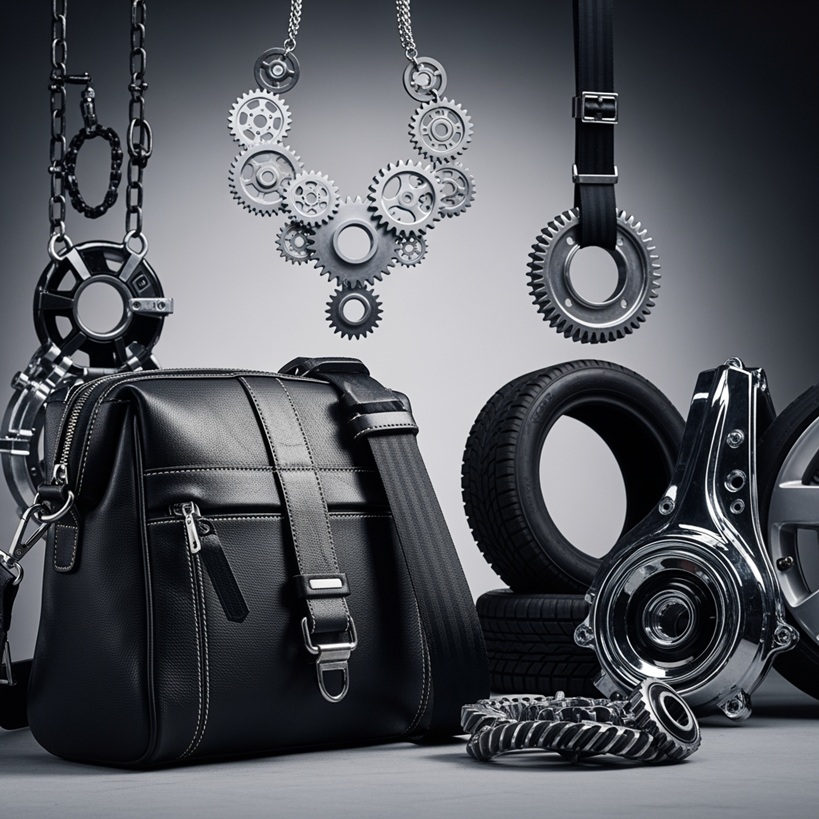
Unlike traditional recycling, which breaks down materials into raw form, upcycling retains the integrity of the original object while enhancing its value. A seatbelt becomes a handbag strap; a tyre inner tube becomes a belt; a car bonnet becomes wall art.
This approach supports the circular economy by reducing waste, conserving energy, and celebrating creativity. It represents a sustainable alternative to fast manufacturing and promotes responsible material use across industries.
Key Takeaways:
- Automotive upcycling repurposes vehicle materials into valuable new items.
- It enhances material lifespan and reduces environmental waste.
- The process supports sustainability and creative innovation.
Fashion-Forward with Car Parts
The rise of automotive upcycling fashion has brought car interiors and components onto the catwalk. Designers are experimenting with textures, durability, and symbolism, merging engineering aesthetics with wearable style.
Reinventing Materials for Fashion
- Seatbelts: Durable and glossy, seatbelts are repurposed into belts, straps, and bag handles. Their strength makes them perfect for sustainable fashion.
- Leather Interiors: The supple leather from car seats becomes jackets, handbags, and wallets. Its premium quality often exceeds standard retail materials.
- Tyre Rubber: Reused tyre rubber is turned into shoe soles, wristbands, and jewellery, providing durability and a distinctive industrial look.
- Metal Components: Small automotive parts, like gears and bolts, find new life as upcycled car fashion accessories, offering unique detailing for avant-garde designs.
Sustainable Style Meets Innovation
High-end brands and independent designers alike are embracing the idea of upcycled car fashion accessories. Beyond aesthetics, these items tell a story of transformation, turning waste into wearable art. Consumers increasingly appreciate this transparency, choosing a style that aligns with their environmental values.
Key Takeaways:
- Automotive materials can be reimagined as luxury fashion components.
- Seatbelts, leather seats, and tyres are popular for upcycled fashion.
- The trend merges innovation, craftsmanship, and sustainability.
Designing with Automotive Components
Automotive upcycling extends far beyond fashion. Designers are incorporating repurposed vehicle parts into interior décor and furniture, creating distinctive pieces that embody strength and history.
Automotive Design in Interiors
- Engine Blocks: These robust components are repurposed into tables, sculpture bases, and industrial-style lamps. Their mechanical form adds character to any room.
- Car Seats: Adapted into comfortable chairs or barstools, they combine ergonomics with nostalgia.
- Headlights and Taillights: When rewired, these become statement lighting fixtures, blending functionality with artistic flair.
- Car Bonnets and Doors: Used as decorative panels or wall art, they introduce colour, shape, and metallic sheen to contemporary interiors.
To learn more about responsible sourcing of automotive components, connect with our network of Authorised Treatment Facilities, where end-of-life vehicles are processed for legal and sustainable reuse.
Key Takeaways:
- Upcycling extends from fashion into furniture and décor.
- Engine blocks, seats, and lighting components are commonly reused.
- Automotive design contributes to bold, eco-conscious interiors.
The Environmental Impact of Upcycling
The environmental advantages of automotive upcycling fashion are substantial. Every upcycled product prevents materials from entering landfills and reduces the demand for new manufacturing.
Environmental Benefits
- Reduced Waste: Fewer discarded components end up as environmental pollutants.
- Resource Conservation: Reuse limits the extraction of raw materials such as metal and leather.
- Lower Energy Use: Upcycling avoids the intensive processes required for traditional recycling or manufacturing.
- Pollution Reduction: By reusing materials, emissions from production and disposal are significantly lowered.
When older vehicles reach the end of their life, responsible disposal through Scrap Car Network’s environmentally responsible car recycling process ensures that valuable parts can be recovered for future reuse.
Key Takeaways:
- Upcycling conserves energy and natural resources.
- It reduces landfill waste and manufacturing pollution.
- Sustainable processing supports the environment and the economy.
Upcycling Challenges and Solutions
While the rewards of upcycling are many, there are also practical and logistical challenges. Understanding these helps ensure successful and safe projects.
Common Challenges
- Material Sourcing: Finding suitable car components requires collaboration with trusted recyclers.
- Safety Concerns: Working with metal and rubber requires protective equipment and responsible handling.
- Cleaning and Preparation: Automotive materials often contain oils or residues that must be properly removed.
- Tool Requirements: Projects may require specialist tools, including grinders, welding equipment, and cutting tools.
Practical Solutions
- Build partnerships with certified recycling providers like Scrap Car Network to ensure consistent, legal access to materials.
- Always use protective gear, gloves, goggles, and masks when working with components.
- Use degreasers, brushes, and sanders to prepare surfaces safely.
- Begin with small, manageable projects before tackling complex designs.
For those interested in understanding end-of-life car processing, find out how to scrap your car easily and legally.
Key Takeaways:
- Upcycling challenges include sourcing, safety, and preparation.
- Collaboration with recycling facilities ensures compliance and quality.
- Using the right tools and methods promotes efficiency and safety.
The Future of Automotive Upcycling
The future of automotive upcycling fashion and design looks bright as sustainability becomes a mainstream value. Brands, consumers, and governments are all supporting innovation that reduces waste and promotes creativity.
Emerging Trends
- Consumer Awareness: Growing environmental consciousness is driving demand for eco-friendly design.
- Industry Collaboration: Partnerships between fashion houses, automakers, and recyclers are fostering innovation.
- Technological Advancements: Improved recycling and fabrication methods make upcycling safer and more efficient.
- Market Expansion: The availability of upcycled car fashion accessories and home décor is growing across retail platforms.
As this movement grows, platforms like Scrap Car Network play an essential role in connecting industries and ensuring responsible material reuse. Learn more about why sustainability matters in every stage of car recycling at Why Use Us.
Key Takeaways:
- Upcycling aligns with future sustainability goals.
- Technology and collaboration are driving innovation.
- Market growth will expand access to upcycled products.
Getting Started with Automotive Upcycling
Creating your own upcycled projects can be a rewarding way to combine creativity with environmental action.
Steps to Begin
- Start Small: Simple projects like turning a hubcap into a clock or a gear stick into a bottle opener build confidence.
- Research and Learn: Use online tutorials, design guides, or community workshops for instruction.
- Source Responsibly: Obtain materials through authorised recycling networks to ensure legal compliance.
- Prioritise Safety: Wear gloves, goggles, and appropriate clothing when cutting or sanding.
- Experiment: Mix materials, colours, and textures for unique results.
To ensure your materials come from safe, sustainable sources, connect with our network of Authorised Treatment Facilities. For compliance on ownership and disposal, you can also review our guide on checking MOT expiry via DVLA.
Key Takeaways:
- Begin with easy projects to learn the process.
- Use reliable resources and official recycling partners.
- Safety and creativity go hand in hand.
The Cultural Shift Behind Automotive Upcycling
Automotive upcycling represents more than a design trend; it symbolises a broader cultural change. As consumers seek authenticity and sustainability, industries are responding with transparency and innovation.
This movement encourages people to view vehicles not as disposable products but as resources filled with potential. Whether through automotive upcycling fashion or home design, these creations serve as reminders that style and sustainability can coexist.
To contribute to this cultural change, vehicle owners can get an instant quote to scrap any car and ensure their vehicles are processed through environmentally approved facilities.
Key Takeaways:
- Upcycling reflects shifting cultural and environmental values.
- Creativity and sustainability now drive modern design.
- Responsible vehicle recycling supports positive change.
Regional and Community Impact
The growth of automotive upcycling has also influenced local economies and community initiatives. Many workshops and design collectives across the UK collaborate with recyclers to transform discarded materials into marketable products.
For example, communities in areas such as Preston and North London often host sustainable design fairs and exhibitions, where artists and engineers display their creations using reclaimed automotive parts. These events raise awareness, promote local craftsmanship, and support environmental education.
Key Takeaways:
- Upcycling fosters collaboration between artists and recyclers.
- Local communities benefit through creative industries.
- Regional events raise awareness about sustainable practices.
Conclusion: Style Meets Sustainability
Automotive upcycling fashion is more than a trend; it’s a movement redefining how materials are perceived and used. By transforming car parts into accessories, décor, and furnishings, designers are reducing waste while adding creativity to everyday life.
This blend of innovation and environmental responsibility exemplifies the best of circular design, turning what was once destined for scrap into something beautiful and functional.
For those looking to contribute to a sustainable future, discover the advantages of choosing Scrap Car Network for vehicle recycling or get in touch for guidance on how to responsibly dispose of your car and support the upcycling movement.