Advanced Depollution: How Scrap Yards Safely Remove Hazardous Waste
18th Mar, 2026
In previous decades, a scrap yard was often just a muddy field filled with rusting metal and oil-stained dirt. Drivers would simply drop off an old banger, the gatekeeper would hand over a few quid, and the transaction was over. Since then, the automotive recycling industry has undergone a truly remarkable transformation. Today, modern facilities operate much more like precision surgical units when dealing with end-of-life vehicles.
This whole process is known as advanced depollution. It has evolved into a highly sophisticated daily operation within the motor trade. Professionals now systematically identify and safely extract every single substance that could potentially harm our local environment. Strict environmental rules have forced the sector to completely rethink how vehicles are processed. The Scrap Car Network connects drivers with professionals who meet these exact standards.
Understanding Vehicle Contamination
Every single car that rolls into a modern scrap yard is essentially a highly volatile, mobile chemistry set. Over its operational lifetime, a typical vehicle accumulates dozens of different fluids, toxic gases, and heavy metals. These materials pose severe environmental risks if they are not handled with the utmost respect.
A standard family hatchback contains about 200 litres of various liquids and gases. This includes standard engine oil, corrosive brake fluid, power steering fluid, and methanol-laced windscreen washer fluid. Each one of these liquids requires completely different handling and storage procedures to remain safe.
Think of dismantling a car like preparing an old house for demolition. A demolition crew wouldn’t just send in the bulldozers without shutting off the mains gas, capping the water pipes, and disconnecting the high-voltage electricity first. Doing so would cause an absolute disaster. The exact same logic applies to scrapping a motor.
Modern vehicles also contain potent refrigerants and highly concentrated acid in batteries. Some older components even contain asbestos, particularly in the brake pads of cars built before the early 2000s. The complexity increases with modern luxury vehicles, which often feature additional hydraulic suspension systems and exotic transmission fluids.
The Systematic Depollution Process
Advanced depollution scrap yards follow a strict, methodical approach from the very moment a vehicle arrives on a recovery truck. The entire process starts with a comprehensive visual inspection to identify leaks or structural damage. Trained technicians use highly detailed checklists that vary depending on whether the car is a vintage classic or a modern hybrid.
Fluid Drainage Procedures
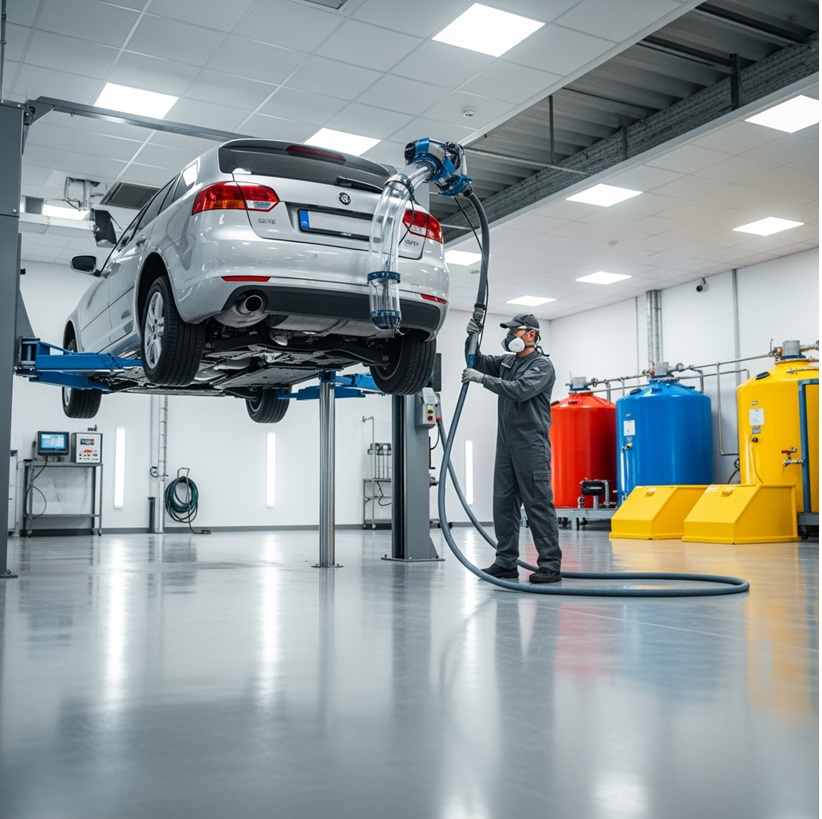
The first physical step involves draining all primary fluids using highly specialised vacuum systems. These powerful machines extract liquids rapidly without spilling a single drop. Engine oil is pumped out directly through the dipstick tube or a secure drain plug connection into heavy-duty sealed containers.
I remember a lad who brought his old Rover into my shop back in 2005. He had tried to drain the coolant himself to save a few quid on servicing. He ended up making a right mess of his driveway, not realising the ethylene glycol in there is highly toxic but smells quite sweet. His poor dog nearly got to the puddle before we had to send a proper cleanup crew out.
It just goes to show why fluid removal is absolutely not a DIY job. Coolant removal demands particular attention, requiring a complete drain from the radiator, engine block, and heating matrix. Engaging a professional scrap car collection service ensures the car goes to a site equipped for this level of environmental care.
Removing Hazardous Components
Air conditioning systems require specialist handling because they contain compressed refrigerants that act as potent greenhouse gases. Technicians connect recovery machines to the vehicle’s service ports to extract the gas into sealed steel cylinders. This prevents the release of substances that have a global warming potential much higher than carbon dioxide.
Battery removal presents its own set of challenges. Traditional lead-acid batteries contain sulphuric acid, which can cause life-altering chemical burns. Hybrid and electric vehicles add a new layer of danger, as their high-voltage systems can deliver lethal electrical shocks even when the ignition is switched off.
Technicians also hunt down tiny toxic elements like mercury switches, often found in older boot or bonnet lights. A single switch contains enough mercury to contaminate thousands of litres of drinking water. Finally, undeployed airbags must be safely neutralised, as they contain volatile explosive charges that could trigger during the crushing process.
Fluid Management and Technology
The incredible sophistication of modern fluid handling systems demonstrates industry progress. The best depollution scrap yards use entirely closed-loop systems to prevent any chemical contamination from reaching the ground. Each extracted fluid goes into colour-coded storage tanks equipped with secondary containment bunds for extra safety.
Brake and power steering fluids are handled separately because they are hygroscopic, meaning they absorb moisture from the air. This makes them difficult to recycle, so they usually undergo high-temperature incineration. However, old antifreeze can often be reprocessed by stripping out contaminants and sold back into the market as an environmentally responsible car recycling initiative.
Digital technology has also revolutionised these processes. Smart barcode scanning systems track every hazardous component removed, creating an audit trail for regulators. Some facilities even use robotic arms for fluid extraction to reduce human exposure to toxins. Environmental sensors run constantly in the background to monitor air and soil quality around the site perimeter.
Regulatory Compliance and Environmental Impact
The legal landscape governing vehicle disposal is complex. In the UK, the Environment Agency closely oversees all facility licensing and conducts regular site inspections. Authorised Treatment Facilities must hold specific waste carrier licences and maintain extensive documentation for every vehicle processed.
The partners in the network providing vehicle disposal services must strictly adhere to these rules. Every scrapped car must have a detailed paper trail showing exactly what materials were removed and where they went. This thoroughness is vital because improperly disposed engine oil from a single car can permanently contaminate over a million litres of fresh groundwater.
Proper depollution also enables much more effective metal recycling further down the line. Clean steel and aluminium command significantly higher market prices because they require less energy to reprocess. To see how these standards protect both the planet and the driver, owners can find out how to scrap your car easily via the main portal.
Quality, Economics, and Future Trends
Strict quality assurance involves multiple layers of verification. Powerful handheld UV lighting can reveal glowing traces of certain fluids that are invisible under normal light. Weight-based verification also provides a physical check, ensuring the expected amount of hazardous material has been removed. This level of care allows facilities to attract more business from responsible owners looking to scrap my vehicle properly.
The underlying economics of depollution reflect the high cost of environmental protection. While the investment in vacuum pumps and double-walled tanks is substantial, recovered materials have real value. Pure metals free from oil contamination fetch premium prices at the smelter, which helps offset operational costs.
The future of depollution will be shaped by evolving automotive technologies. Upcoming solid-state batteries and autonomous driving sensors will require entirely new safety procedures. The best facilities are already investing in artificial intelligence to automate component identification and extraction, ensuring they stay ahead of stricter legislation.
The Path Forward
The rapid evolution of vehicle depollution reflects a broader societal shift towards environmental responsibility. What began as basic fluid drainage in a field has become a highly scientific process that protects human health. For everyday owners, the message is clear: choosing a licensed facility ensures that environmental protection remains a top priority.
Choosing professional treatment facilities represents excellent value and personal peace of mind. If a vehicle has reached the end of the road, anyone can get an instant quote to scrap any car to begin the journey. If you need help, feel free to contact us for friendly guidance. We will connect you to the proper channels, protecting the environment one motor at a time.