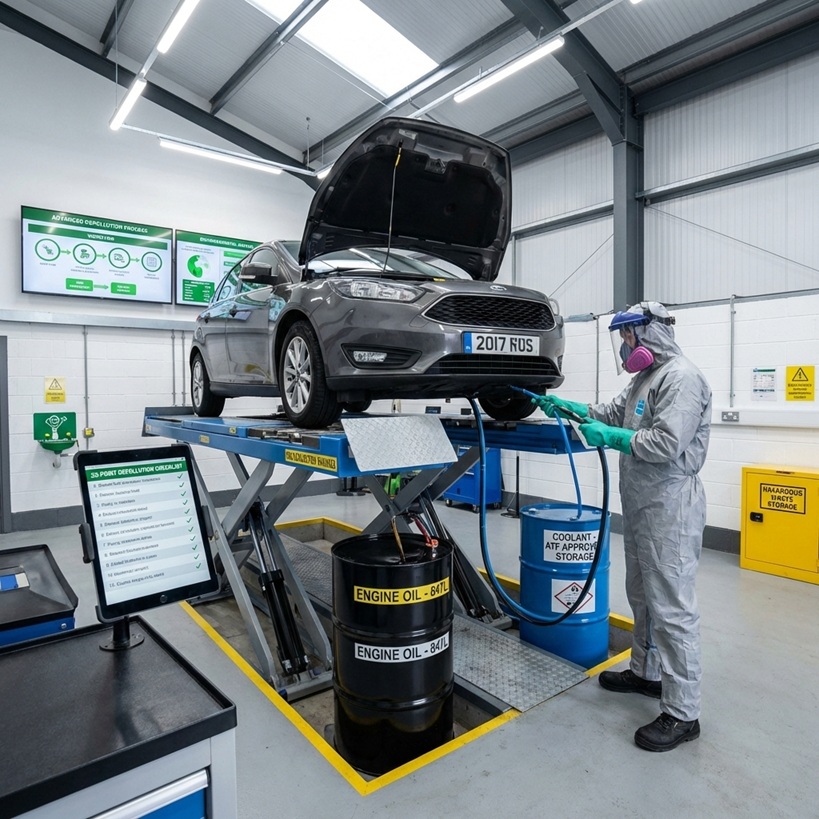
Advanced Depollution: How Scrap Yards Safely Remove Hazardous Waste
16th Feb, 2026
Every end-of-life vehicle contains more than just metal and plastic. Hidden inside are fluids, chemicals, and components that, if mishandled, could cause significant harm to the environment. This is where advanced depollution in scrap yards comes in, the crucial first step in responsible vehicle recycling.
Before a car can be shredded or recycled, every hazardous substance must be identified, removed, and processed safely. This detailed system ensures that old vehicles are dismantled without polluting soil, water, or air, helping protect both people and the planet.
What Is Advanced Depollution?
A modern vehicle holds around 20 different fluids and materials that can be harmful if released into the environment. Advanced depollution refers to the specialised process used in Authorised Treatment Facilities (ATFs) to remove all of these substances safely and legally before scrapping begins.
Common hazardous materials removed during advanced depollution include:
Engine oil and lubricants
Coolant and antifreeze
Brake and clutch fluids
Battery acid and lead
Petrol or diesel fuel
Air conditioning refrigerants
Tyres, airbags, and catalytic converters
The safe removal of car fluids is done using sealed systems and suction equipment to prevent leaks or spills. Every litre of oil, coolant, or brake fluid is captured and stored for treatment or recycling.
I watched a depollution technician in Manchester work through a Ford Focus. He had a checklist with 23 different items to remove or drain before the car could move to the next stage. What struck me was how methodical it all was. He explained that missing just one refrigerant line or a hidden battery could contaminate an entire batch of recycled steel. The precision reminded me of defusing a bomb, except instead of preventing an explosion, he was preventing environmental damage.
Key takeaways:
- Advanced depollution ensures safe handling of all hazardous materials in end-of-life vehicles
- It’s performed only by licensed Authorised Treatment Facilities (ATFs)
- The process prevents environmental contamination and meets legal standards
Why Advanced Depollution Matters
The advanced depollution process is essential for protecting the environment, ensuring worker safety, and complying with UK environmental regulations.
Environmental Protection
Fluids like oil and coolant can cause severe damage if they seep into soil or water. Even a single litre of motor oil can contaminate thousands of litres of groundwater. Proper treatment prevents pollution and supports cleaner ecosystems.
Health and Safety
Handling hazardous materials requires specialist training and protective equipment. Without it, exposure can lead to injury, burns, or toxic inhalation. ATFs follow strict safety standards to safeguard technicians and the surrounding community.
Legal Compliance
UK and EU laws mandate that vehicles must undergo depollution before being crushed or recycled. Only licensed ATFs are permitted to carry out this work.
Key takeaways:
- Advanced depollution protects air, soil, and water quality
- The process keeps workers safe from hazardous exposure
- It’s a legal requirement for all end-of-life vehicle recycling
The Advanced Depollution Process: Step by Step
The full depollution process is highly structured, using both human expertise and advanced machinery to ensure safety and accuracy.
1. Vehicle Assessment
Each vehicle is inspected to identify hazardous components and materials, including electrical systems, batteries, and fluids.
2. Fluid Draining
All fluids, including oil, brake fluid, transmission fluid, coolant, and washer fluid, are carefully extracted. This safe removal of car fluids prevents contamination and allows for recycling where possible.
Think of depollution like preparing a patient for surgery. Before the main procedure can begin, you need to map out what’s inside, identify any complications, and remove anything that could cause problems. The surgeon doesn’t just dive in with a scalpel. Similarly, depollution technicians don’t just start crushing cars. They carefully extract every potential hazard first.
3. Battery Removal
Batteries are removed and placed in secure storage containers. These are later sent for specialist recycling to recover lead and neutralise acid content.
4. Tyre and Wheel Removal
Tyres are taken off for separate processing. Some are shredded into rubber granules, whilst others are reused for construction or energy generation.
5. Catalytic Converter Removal
Catalytic converters are valuable due to the precious metals they contain (platinum, palladium, and rhodium). These are recovered through refining processes.
6. Airbag Deactivation
To avoid accidental detonation during shredding, airbags are carefully deactivated using controlled methods.
7. Refrigerant Recovery
Air conditioning gases are collected using sealed equipment to prevent ozone-depleting emissions.
Once these stages are complete, the depolluted shell of the vehicle is ready for the next phase: shredding and material recovery.
Key takeaways:
- Each stage focuses on precision and containment
- Hazardous materials are isolated and securely stored
- The process ensures environmental compliance and recycling efficiency
What Happens to the Removed Hazardous Materials?
The extracted substances and components from advanced depollution scrap yards aren’t simply disposed of. Most are recycled or reused through specialist channels.
Here’s how each material is handled responsibly:
Engine oil: Re-refined and turned back into lubricating oil.
Coolant: Filtered and treated for reuse.
Brake fluid: Disposed of safely as hazardous waste under strict regulation.
Batteries: Recycled to recover lead, plastic, and acid.
Tyres: Recycled into flooring, playground surfaces, or alternative fuel for cement kilns.
Catalytic converters: Refined to extract precious metals.
Refrigerants: Reused in industrial systems or destroyed in specialised facilities.
These recycling efforts not only reduce environmental harm but also recover valuable resources for future manufacturing. Understanding the professional recycling process shows how materials move through certified treatment channels.
Key takeaways:
- Most hazardous materials can be recycled or repurposed
- Responsible disposal ensures minimal environmental impact
- Recovery of materials adds economic value to recycling operations
Choosing a Responsible Scrap Yard
Not every facility follows the same standards. Selecting a reputable recycling partner ensures your vehicle is handled safely, legally, and sustainably.
What to look for in a responsible scrap yard:
ATF Certification: Only an Authorised Treatment Facility can legally carry out depollution. Working with certified scrap yards ensures compliance with all environmental and safety standards.
Transparency: Trustworthy recyclers are open about their processes and willing to explain how vehicles are handled.
Environmental commitment: Proper waste management and recycling demonstrate genuine care for sustainability.
Positive reputation: Customer reviews and environmental compliance certificates speak volumes about facility standards.
Key takeaways:
- Always verify ATF licensing before scrapping a vehicle
- Responsible facilities prioritise safety, compliance, and recycling
- Certification ensures professional depollution standards
The Future of Depollution in the Scrap Industry
As technology advances, advanced depollution in scrap yards is becoming more efficient, precise, and environmentally friendly.
Emerging innovations include:
Enhanced fluid recovery: New vacuum and filtration systems improve the efficiency of the safe removal of car fluids, reducing waste.
Electric vehicle depollution: The rise of electric cars presents new challenges for handling high-voltage batteries and electronics safely.
Automation and robotics: Robotic systems are being introduced to handle repetitive and hazardous depollution tasks.
Data tracking systems: Digital traceability ensures every material is accounted for from removal to recycling.
These developments aim to reduce human risk, cut energy use, and boost recycling rates across the UK’s vehicle recovery network. Facilities offering benefits of using ATFs invest in these advanced systems to improve both safety and environmental outcomes.
Key takeaways:
- Technology continues to make depollution cleaner and safer
- Electric vehicle recycling is the next frontier
- Automation will improve efficiency and accuracy across ATFs
Environmental and Legal Significance
Advanced depollution isn’t only an operational requirement. It’s a cornerstone of environmental legislation in the UK.
Legal frameworks ensuring compliance include:
End-of-Life Vehicles (ELV) Regulations 2003: Mandates depollution before vehicle shredding.
Environmental Protection Act 1990: Governs waste handling and hazardous material disposal.
Waste Management Licensing Regulations: Controls ATF operations and permits.
By following these rules, recyclers prevent pollution and ensure materials are handled within the law.
Key takeaways:
- Depollution is legally mandated for all end-of-life vehicles
- Multiple regulations govern the process
- Compliance protects both environment and public health
Next Steps: Scrapping Your Car Responsibly
When it’s time to say goodbye to an old car, choosing the right service ensures it’s treated with care from start to finish.
Here’s how to do it properly:
Get a Quote: Instant vehicle valuation provides a fair assessment based on current market conditions and vehicle condition.
Book Collection: Completely free collection services make the process convenient, with nationwide coverage available.
Ensure Compliance: Confirm your vehicle will be handled by an ATF that follows proper depollution procedures.
Arrange Processing: When ready to proceed, arrange car scrapping through licensed facilities equipped with advanced depollution technology.
Notify DVLA: Follow proper legal steps to notify authorities and receive your Certificate of Destruction.
Relax: The depollution and recycling process is managed professionally from start to finish.
For more information or assistance, get in touch with knowledgeable teams who understand the importance of proper depollution.
Key takeaways:
- Choose an ATF-approved recycling network for compliance and safety
- Proper depollution protects both the environment and your peace of mind
- Professional services handle all legal requirements
Conclusion: Clean, Safe, and Sustainable Recycling
Advanced depollution in scrap yards is one of the most critical stages in the recycling process. It ensures every end-of-life vehicle is stripped of hazardous materials before being transformed into reusable resources.
By focusing on the safe removal of car fluids and responsible recycling of components, scrap yards protect communities, wildlife, and natural resources. It’s a vital process that keeps the industry compliant and the planet cleaner.
When scrapping a vehicle, choosing an authorised, environmentally conscious service ensures your car is depolluted, recycled, and repurposed the right way.
Key Takeaways:
- Advanced depollution in scrap yards is essential for environmental protection
- Safe removal of car fluids prevents contamination and supports sustainability
- Licensed ATFs follow strict procedures to handle hazardous materials
- Material recovery from depollution supports circular economy principles
- Choosing certified facilities ensures legal compliance and environmental safety
- Technology continues to improve efficiency and reduce environmental impact