What To Do If Scrap Yard Doesn’t Pay You
14th Jul, 2026
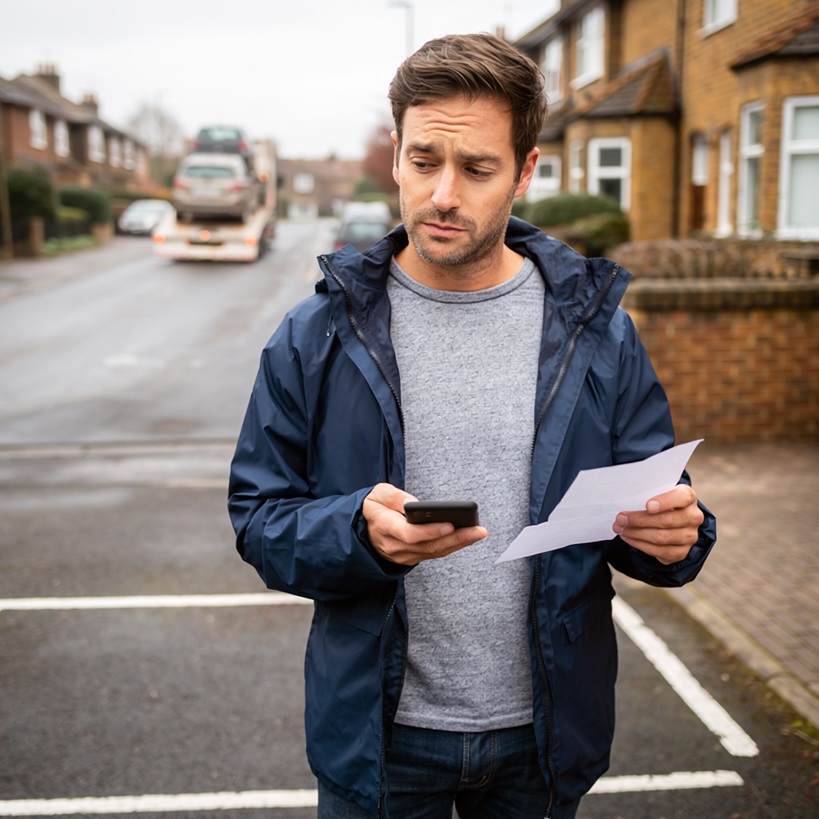
Getting stiffed by a scrap yard is not just a frustrating experience. It is effectively a form of theft. You have handed over your keys, signed the official paperwork, and watched your car get towed away. Now, you are left chasing money that should have been in your bank account days ago. This situation happens more often than it should in the used car market. Knowing exactly how to respond makes the difference between writing off a loss and getting every penny you are owed.
The scrap car industry operates on a high degree of trust, but not every operator in the country deserves it. Some yards genuinely hit temporary cash flow problems when the price of steel drops. Others deliberately string customers along with excuses, hoping they will simply give up and go away. Either way, you have legal rights and practical steps you can take to recover your scrap yard non-payment as quickly as possible.
Think of getting paid for your car like a digital handshake. In the old days, you shook hands and took the cash. Today, the handshake happens through a bank transfer. If that transfer never arrives, the handshake is broken, and the deal is not finished. You are still the one holding the legal responsibility, but you are missing the reward. This guide will help you fix that broken handshake and get your finances back on track.
Why Do Scrap Yards Fail to Pay?
Understanding the reasons behind a delay helps you spot the warning signs early. Most legitimate yards pay promptly because their entire reputation depends on positive word-of-mouth. When your payment does not arrive on the agreed date, several different factors might be at play behind the scenes.
Cash flow issues often hit smaller, independent yards the hardest. Metal prices fluctuate daily on the global market. If a yard’s holding costs exceed their immediate revenue, they might try to delay payments while waiting for their own buyers to settle an invoice. This does not excuse the behaviour, but it explains why some operators who intended to pay simply cannot do so on the day.
Deliberate scrap yard fraud represents the darker end of the industry spectrum. Rogue traders sometimes operate under fake company names or temporary mobile numbers. They collect high-value vehicles, strip them for parts, and then disappear before the payment deadline arrives. These shady operations often lack the proper licensing and prey on sellers who do not verify credentials before handing over the keys.
Administrative Incompetence
Sometimes, the issue is not malice, but simple disorganisation. Lost paperwork, a digit entered wrong in a bank account number, or high staff turnover can mean your payment request is sitting in a digital limbo. It is unprofessional and annoying, but it is usually resolvable with persistent and polite follow-up calls.
Disputed valuations can also emerge after the car has left your sight. A yard might claim the vehicle was not as described or that it contained hazardous waste that costs them money to remove. If you did not get the original agreement in writing, you are suddenly negotiating from a very weak position. This is why having a clear record of the deal is so vital for any car scrapping transaction.
Immediate Steps When the Money is Missing
The first forty-eight hours after a missed payment deadline are the most critical. Quick, decisive action often resolves the issue before it escalates into a lengthy formal dispute. Do not wait for a week to pass before you pick up the phone.
Contact the yard directly using every method you have. Phone calls usually work much better than emails because you get an immediate response or a revealing excuse. Keep detailed notes of exactly who you spoke with, the time of the call, and what they specifically promised. If they claim the money has already been sent, ask for a transaction reference number and the exact date of the transfer.
I once knew a fella named Trevor who sold his old pride and joy to a “man with a van” he found on a flyer. Trevor waited three days for his bank balance to update, but nothing happened. He spent the next fortnight chasing a ghost because the mobile number he had been given was disconnected. We had to sit down and trace the van through the local yards to find out where it had ended up. It taught Trevor that you should always deal with verified scrap car dealers who have a physical office you can visit if things go wrong.
Checking Your Own Details
Before you accuse a dealer of theft, check your own paperwork thoroughly. Confirm that you provided the correct bank account number and sort code. It is incredibly easy to swap two digits when you are standing on a rainy driveway. Also, check if the yard quoted “working days” or “calendar days.” Some yards only process accounts on a Friday, which can create a confusing delay if your car was collected on a Monday morning.
If the yard is being evasive, ask to speak directly with the manager or the owner. Legitimate businesses with temporary administrative issues will usually prioritise resolving a complaint before it damages their online reputation. If they go silent or start making increasingly implausible excuses about “bank computer failures,” you know it is time to move to the next level of action to recover money from scrap yard debts.
Formal Complaint Procedures for Sellers
When the informal approach fails to produce results, you must move to a formal complaint. This creates a clear paper trail that strengthens your position if you eventually have to go to court. It also triggers a level of regulatory scrutiny that most yards want to avoid at all costs.
Submit your written complaint via email and also via recorded delivery post. State the facts clearly and without emotion. Include the collection date, the agreed price, the original payment deadline, and the current status of the debt. Demand that the payment is made within seven days and state clearly that you will pursue further legal action if they do not comply. This establishes your seriousness and creates indisputable evidence for later proceedings.
You should also report the business to relevant trade associations if they claim membership. The British Metals Recycling Association maintains high standards for its members. A formal complaint to them can trigger an internal investigation. In serious cases, it can lead to the suspension of their membership, which severely damages their credibility with other suppliers and buyers in the trade.
Involving Trading Standards
Contact your local authority’s trading standards team immediately. Scrap yards operate under strict environmental permits and waste carrier licences issued by local councils. Trading standards can investigate unfair trading practices and coordinate with environmental health officers to inspect the yard’s compliance.
The mere threat of a council inspection is often enough to make a stubborn yard manager find their chequebook. If you suspect that a scrap yard doesn’t pay its customers as a matter of routine, your report could help shut down a rogue operation for good. For those who want to find out how to scrap your car easily, using a service that handles these background checks for you is a massive advantage.
Navigating the Legal Route for Recovery
If the seven-day demand letter passes without a payment, the small claims court is your next logical step. This process offers accessible justice for amounts under ten thousand pounds. It is designed so that ordinary citizens can navigate it independently without needing to hire a solicitor.
Gather all your evidence before you file your claim. You will need proof of the original agreement, such as text messages or emails. You also need evidence that the car was physically collected, such as a receipt or photos of the truck on your drive. Bank statements showing that no payment ever arrived will complete your case.
Before you file, you must issue a formal “Letter Before Action.” This gives the yard one final fourteen-day window to pay or explain their side of the story. The courts expect you to try every possible way to resolve the issue before you take up their time. Many yards will pay up at this stage because they know they will lose and will have to pay your court costs on top of the original debt.
Using the Money Claim Online Service
If the fourteen days pass, use the government’s Money Claim Online service. You will have to pay a small court fee to start the process, but you can claim this back from the yard if you win. The yard then has fourteen days to respond. They can either pay the debt in full, defend the claim with their own evidence, or admit the debt and ask for more time to pay.
Judges in small claims courts deal with these types of scrap car payment issues regularly. They recognise the common excuses used by dodgy dealers. If you have documented your story properly and followed the correct steps, you are very likely to win a judgment in your favour. Once you have that judgment, you can use court bailiffs to seize assets from the yard to cover what you are owed.
Legal Liabilities for the Registered Keeper
One of the most dangerous parts of a scrap yard non-payment situation is your ongoing legal liability. Even if you have not been paid, the government still sees you as the person responsible for that vehicle until the records are officially updated. If the yard has not issued a proper receipt, you are still on the hook.
This means that any parking fines, local congestion charges, or even criminal penalties associated with that number plate will land squarely on your doormat. If a rogue operator puts your “scrapped” car back on the road and it gets caught by a speed camera, you will be the one receiving the fine. This is why you must notify the DVLA about a scrapped car yourself the moment it leaves your driveway, regardless of whether the money has cleared yet.
Send the yellow Section 9 of your logbook to the authorities immediately. If you have sold the car to a trader, this single action protects you from any future liabilities. It tells the law that as of a specific date and time, you were no longer in control of the machine. Do not wait for the payment to arrive before you do this; your legal safety is more important than the cash.
Protecting Your Financial Interests
Reporting the vehicle’s location to the yard and confirming in writing that you dispute their right to keep it without payment is another smart move. This establishes that you have not “abandoned” the vehicle. It prevents a situation where a council could remove the car and charge you for the recovery costs.
If the yard collected the vehicle under false pretences and now refuses to return it or pay for it, you should consider it stolen. Report the incident to the police and get a crime reference number. While the police rarely have the resources to recover a scrap car, the report serves as vital evidence if you are later accused of illegal disposal or fly-tipping. Using a professional scrap car collection service from the start prevents these nightmares from ever happening.
Identifying Red Flags to Avoid Future Issues
Learning from a bad experience means making sure you never repeat the same mistakes. Future transactions need much stronger safeguards to protect you before the recovery truck even arrives at your house. There are several clear red flags that signal an unreliable operator.
Cash-only operations that refuse to provide a bank transfer deserve immediate suspicion. In England and Wales, it has been illegal for scrap yards to pay cash for several years. If a dealer is willing to break the law on payments, they are almost certainly willing to break the law on environmental recycling and customer service too. They are also much more likely to dispute the price once the car is on their truck.
Vague pricing that changes between the initial quote and the collection is another warning sign. Legitimate yards factor in common variations when they provide a quote. If a driver tries to knock fifty pounds off the price because of “unexpected damage” that was clearly visible in your photos, they are acting in bad faith. Do not be afraid to walk away and find a different buyer.
High-Pressure Sales Tactics
Any dealer who pushes for an immediate decision before you have had a chance to check their credentials should be avoided. Genuine yards know that customers need time to compare offers and verify details. High-pressure techniques are designed to prevent the due diligence that would expose a scam or an unlicensed operation.
Always check the Environment Agency’s public register of waste sites to confirm the yard actually exists at the address they have provided. If a dealer is operating from a residential house or a temporary site with no signage, they are likely unlicensed. Working with an Authorised Treatment Facility is the only way to ensure your car is handled legally and that you receive the correct paperwork.
Choosing a Safer Path with Professional Networks
At the Scrap Car Network, the entire service is structured to eliminate payment disputes before they even have a chance to start. Every single yard within a professional network undergoes rigorous verification checks. These checks confirm their licensing, their insurance coverage, and their historical payment records.
When you use a vetted service, you are protected by an intermediary. If a yard fails to pay on time, a professional network has the commercial leverage to resolve the issue immediately. They can often step in and ensure you are paid directly, replacing the problematic operator with one who follows the rules. This takes the weight of the dispute off your shoulders and puts it onto the experts.
If you are currently looking to recycle my car and are worried about getting burned, choosing a reputable nationwide service is the smartest choice. You get the peace of mind that comes with a guaranteed payment and a professional paper trail from start to finish. You should never have to gamble with your money when you are trying to do the right thing for the environment.
Final Checklist for Resolution
If you are currently in the middle of a dispute, use this checklist to stay organised and focused on recovery:
- Call the yard manager: Demand an immediate update and a transaction reference number.
- Verify your bank details: Double-check that you did not make a mistake on the form.
- Send a formal demand letter: Use recorded delivery and give them a seven-day deadline.
- Notify the authorities: Send your Section 9 slip to the government to end your liability.
- Involve Trading Standards: Report the business to your local council.
- Start a small claim: Use the online service to get a legal judgment.
If you are ready to start fresh and want a hassle-free experience, you can always get an instant quote to scrap any car through our trusted system. We make sure that every transaction is handled with the transparency and speed you deserve. Reclaiming your driveway should be a moment of relief, not a cause for more stress.
Conclusion
Non-payment by a scrap yard is not something you should ever just accept or ignore. Whether it is a genuine administrative blunder or a case of deliberate scrap yard fraud, you have clear legal rights and practical remedies available to you. Acting quickly, documenting every single interaction, and escalating the issue through the proper official channels gives you the absolute best chance of recovery.
Most cases are resolved through direct contact and formal demand letters without ever needing to step foot in a courtroom. However, the small claims procedure is always there as a backup. It offers a fair and accessible way to get justice for ordinary motorists.
Prevention is always better than a cure. By verifying credentials and using established, vetted networks, you can eliminate almost all of the risks associated with the motor trade. The few extra minutes you spend checking a yard’s legitimacy saves the hours of frustration you would spend chasing a missing payment later on.
If you have been caught out by a dodgy dealer in the past, do not let it put you off disposing of your next vehicle properly. The industry contains thousands of honest, hardworking operators who pay promptly and treat their customers with respect. Learning to spot the difference protects both your hard-earned money and your valuable time.
If you are experiencing scrap car payment issues right now and need some friendly advice, please do not hesitate to reach out to our team. Feel free to contact us or call 0300 100 0027 to speak with a professional. We deal with these situations every day and are always here to help you navigate the process safely and legally.