Scrapping A Car Bought At Auction Without Full Paperwork
6th Jul, 2026
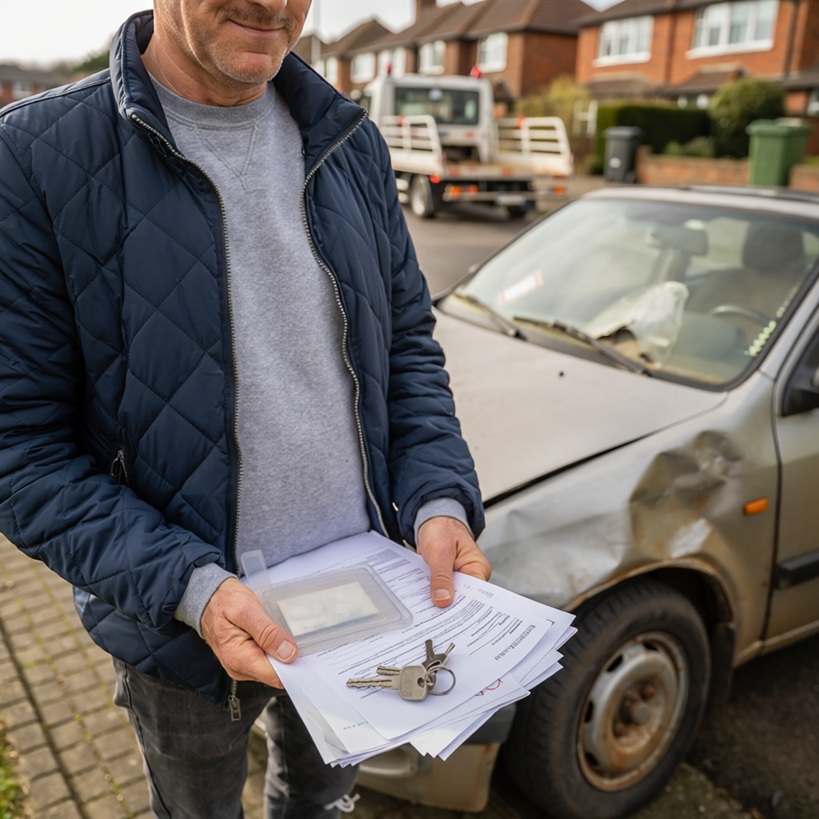
Buying a car at auction can feel like a bargain hunter’s dream. You see a glint of chrome and suddenly your hand is in the air. But once the hammer falls, the reality of the paperwork starts to sink in. Many auction vehicles come with incomplete documentation. This creates a proper spanner in the works when you decide the motor is more trouble than it’s worth.
The truth is, auction cars without a full paper trail are very common. Whether it’s a seized vehicle or an insurance write-off, these cars often arrive with missing logbooks. When that “bargain” turns into a driveway ornament, those missing documents become your problem. Thankfully, dealing with auction car scrap paperwork is doable. You just need to know which steps to take and in what order.
As a retired mechanic, I’ve seen plenty of folks get stuck in this exact limbo. The Scrap Car Network works with professionals who handle these messy situations every day. You can still dispose of the vehicle legally and get a fair price for the metal. Let’s walk through how to establish your rights and clear that space on your drive.
Why Auction Vehicles Often Lack Documents
Auction houses sell vehicles from all sorts of sources. Not every car comes with a pristine folder of service history. In fact, some of the most common auction finds have the messiest histories.
Think of an auction car like a rescue dog from a shelter. You know it exists and it’s right in front of you. However, you might not have a clue about its previous life or its original “birth certificate.” You have to start the story from the day you took it home. This is the reality of auction car scrap paperwork for many buyers.
Police seizures are a classic example of this. These cars often arrive with nothing more than a chassis number and a story. The previous owner might have disappeared or simply never registered the vehicle properly. If you want to find out how to scrap your car easily, you must understand these gaps in the records.
Police Seizures and Repossessions
When a car is repossessed, the paperwork is often left behind in a kitchen drawer. The finance company just wants the asset back to recoup their losses. They send it straight to the auction block to get it sold quickly.
In these cases, the paper trail is effectively severed. The auction house will provide you with enough info to prove you bought it legally. But you won’t have the official keeper document. You are left holding the keys to a car that the government still thinks belongs to someone else.
Insurance Write-offs and Salvage Gaps
Insurance write-offs present another common headache for buyers. When an insurer declares a car a total loss, they take possession. They then sell it at auction to recoup costs. Sometimes the V5C logbook gets lost in the shuffle between the insurer and the salvage yard.
You might receive a letter acknowledging the sale, but that isn’t the same as an official document. Reputable yards deal with these “paperwork-light” vehicles every day. Using professional vehicle disposal services ensures you don’t get caught out by administrative errors. These experts know exactly how to bridge the gap between auction receipts and the final scrap record.
Establishing Ownership: The Power of the Bill of Sale
Before you call a recovery truck, you need to prove the car is actually yours. Since you don’t have the logbook, your bill of sale is your most important weapon. This is the receipt the auction house gave you when you paid.
This document establishes that you bought the vehicle legally. It should list the date of the auction and the price you paid. It must also show the vehicle’s unique details like the chassis number. Without a valid bill of sale, any legitimate recycling yard will be very hesitant to take the car.
I remember a fella named George who bought an old Beemer at a local auction for parts. He didn’t think twice about the paperwork until he realized the engine was seized. He needed to scrap the shell but had lost his receipt in the cab of his truck. He spent three days digging through old invoices just to prove he wasn’t a car thief. Always keep that auction receipt in a safe place!
Navigating the DVLA Requirements
The legal requirements for vehicle disposal haven’t changed just because your car came from an auction. The government still needs to know exactly what happened to that registration number. Every car recycled in the UK must be reported so the records can be closed properly.
The ATF needs to verify you have the legal right to scrap the car. They can’t accept stolen vehicles or cars scrapped without permission. Your auction paperwork establishes this right. This is why choosing a reputable scrap car collection service is so vital for your legal protection.
But do you need to get a new logbook just to scrap the car? The answer depends on how much of a hurry you are in. Let’s look at the two main routes you can take to stay on the right side of the law.
The V62 Replacement Route
If you have a bit of time, the cleanest way forward is to apply for a replacement V5C logbook. You do this using a V62 form at any Post Office. This tells the authorities that you are the new keeper of the vehicle.
This application costs twenty-five pounds, which is a bit of a nuisance. However, having that blue document in your hand makes the final handover incredibly simple. It typically takes about five working days for the new paper to arrive.
Once you have the replacement V5C logbook, you just fill out the yellow section on the day of collection. This is the “gold standard” for finishing the job properly. It ensures the computer system updates automatically. This clears your name from any future liability for that registration number.
Notifying the Authorities Without a Logbook
You don’t legally have to wait for a new logbook to arrive before you scrap the car. The government actually allows you to report a scrap vehicle via a formal letter. This is a great option if you need to scrap my van or a car urgently to clear space.
When you take this path, you must write to the authorities in Swansea directly. You need to include your full name and the vehicle registration. You also need the exact date the car was dismantled and the details of the yard.
This written notification serves the same legal purpose as the logbook section. It is a bit more “old school,” but it works perfectly. Just make sure you keep a photocopy of your letter and any receipts from the scrapyard as your backup. This protects you if a clerk makes a mistake during data entry.
Finding the Right Recycling Partner
Not all scrap yards are created equal. You need to find an Authorised Treatment Facility (ATF) that is willing to be flexible with paperwork. An ATF holds a specific licence from the Environment Agency to legally dismantle vehicles.
A lot of the smaller “man-with-a-van” operations might not have the right licences. If you give your car to an unlicensed yard, you won’t get the official documents you need. You could end up being held responsible for the vehicle even after it has been dragged away.
When you contact a yard, be completely honest about your auction car scrap paperwork. Tell them you have the purchase receipt but no logbook. Reputable facilities deal with this regularly and will tell you exactly what ID they need to see. They will also explain the process of telling the DVLA about a scrapped car to ensure your records are closed.
The Role of an Authorised Treatment Facility
Using a licensed Authorised Treatment Facility is your insurance policy. They are the only businesses that can issue a formal receipt to the government. They follow strict rules about draining oils and removing batteries.
This level of service is what separates a reputable business from a rogue trader. It ensures that hazardous fluids don’t end up in the local water supply. It also ensures that the steel gets melted down and recycled into something new.
When a licensed facility finally crushes your car, they are legally required to issue a document. This receipt proves you followed the law. It is your final protection against any future legal claims or tax demands related to the vehicle.
Complex Financial and Legal Situations
Sometimes, auction cars come with hidden surprises like outstanding finance. This is a proper mess that catches a lot of bargain hunters out. When a car has finance, the bank technically owns it until the debt is cleared.
The auction house should have checked this, but mistakes happen. I always tell people to run an independent history check on any auction find. If finance exists, you must contact the finance company before booking a collection.
Most finance companies are pragmatic. If the car is a wreck and you bought it legitimately, they’ll usually provide written permission to scrap. They’d rather close the file than chase a vehicle that’s worth very little. But you must get that permission first to avoid being accused of destroying their property.
Understanding Insurance Write-Off Categories
Auction cars also carry insurance categories like A, B, S, or N. These categories tell you how badly the car was damaged. For example, Category B vehicles must have their body shells crushed.
You cannot put a Category B car back on the road. If you’ve decided to move forward with scrap car recycling, ensure the yard knows the category. They need to handle Category B shells differently to satisfy the law.
Being clear about the category helps the driver bring the right equipment. It also ensures the paperwork is processed correctly under the specific rules for salvage vehicles. This transparency protects your legal standing and ensures a smooth payout.
Maximising Your Payout for an Auction Car
Let’s talk about the cash. You probably didn’t buy an auction car to lose money. While you are getting scrap value rather than resale value, you still want the best deal.
The price of a scrap car depends mostly on its weight. A heavy SUV will always fetch more than a tiny city car because there is more steel. Global metal prices also fluctuate, so your quote might change from week to week.
Some yards might offer you slightly less if you don’t have the logbook. This is because they have to do more manual work to notify the government. However, if you have a solid bill of sale and your ID ready, many facilities will pay the full market rate. When you are ready, you can get an instant quote to scrap any car and see what your auction find is worth today.
The Final Step: Securing Proof of Destruction
The absolute most important piece of paper is the Certificate of Destruction (CoD). This is your final “get out of jail free” card. It is an official document that proves the car was legally dismantled.
The ATF should issue this to you within seven days of taking the car. It is generated through a secure link to the government database. Once it’s issued, the car officially ceases to exist in the eyes of the law.
I always tell my customers to keep a digital copy on their phone and a physical copy in a drawer. You never know when a stray parking ticket from the “past” might show up in the post! Having that Certificate of Destruction ends the conversation immediately.
Conclusion
Scrapping an auction car without full paperwork is not the nightmare it first appears. It just requires a bit more organization and a few extra steps. As long as you have your purchase receipt and work with a licensed yard, you can close this chapter.
Remember the golden rules: keep your auction documents safe and verify the car’s history. Only ever use a licensed facility to ensure you are legally protected. If you do these things, you will avoid the fines that catch out the unwary.
Don’t let a missing piece of paper keep a rusty motor on your driveway. Reclaim your space and get some cash in your pocket today. If you have any questions about your specific situation, feel free to contact us or call 0300 100 0027 for friendly, expert advice. We are here to help you turn a paperwork headache into a simple, successful transaction.