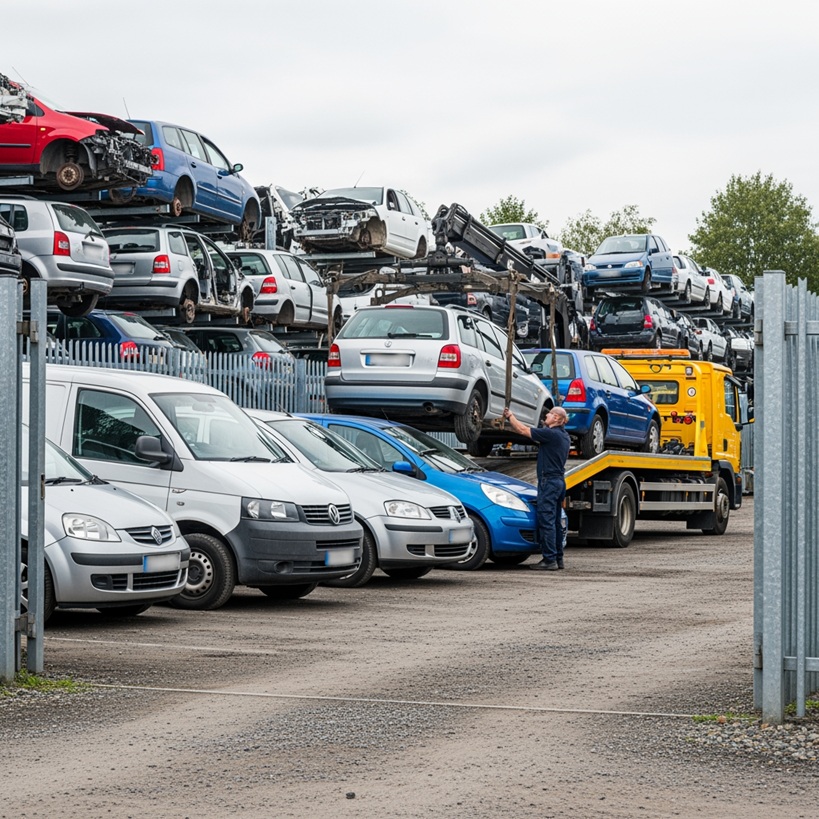
Scrapping Multiple Cars at Once: Bulk Pricing vs Individual Quotes
2nd Jun, 2026
Most folks do not wake up expecting to scrap multiple cars on a Tuesday morning. Usually, the issue is just one old motor that has finally given up the ghost. But sometimes circumstances shift, and suddenly there is a driveway full of metal to clear out.
Perhaps a small business fleet is closing down, an estate clearance includes a few old family runarounds, or abandoned tenant vehicles are cluttering up a property. Whatever the reason, the moment there is more than one vehicle to shift, a big question pops up. Does bulk pricing actually save money, or are individual quotes for each car the better route?
The answer depends entirely on the specific vehicles involved and the chosen disposal facility. Understanding these dynamics is essential for handling a multi-car disposal without getting shortchanged or tangled up in paperwork.
Why Multiple Cars End Up Needing Scrapping
Businesses are certainly not the only ones dealing with multiple vehicles. Fleet operators do frequently retire several vans simultaneously when they upgrade to newer, greener models. However, private individuals face this massive headache too.
Car dealerships occasionally need to clear out older trade-ins that are simply not worth putting on the forecourt. Families also frequently inherit properties with three or four non-runners quietly turning to rust in the garden. Landlords struggle with abandoned cars left behind by previous tenants, which creates a massive legal and logistical nightmare.
The common thread here is that these vehicles have reached the end of the road. They are completely uneconomical to repair, they are failing their MOTs drastically, or they have sat idle for so long that recommissioning them would cost double their actual value. The priority becomes getting them gone while securing a fair price.
How Scrap Car Pricing Actually Works
Before comparing the different pricing models, it helps to understand what actually gives a dead vehicle its value. The price is never pulled out of thin air. It is based on very specific, measurable factors that change regularly.
Raw metal weight remains the absolute primary driver of value. Heavy metals like steel, alongside aluminium and copper, have global market values that fluctuate daily. Simply put, a massive diesel estate car contains more metal and commands a higher baseline price than a tiny petrol city car.
Beyond the raw weight, the completeness of the vehicle matters immensely when looking into car scrapping. If the catalytic converter is missing, or the original alloy wheels have been swapped for cheap steel ones, the value drops significantly. Authorised Treatment Facilities base their prices on the assumption that they are receiving a complete, unstripped vehicle unless told otherwise.
What Bulk Pricing Actually Means
The term “bulk pricing” sounds incredibly straightforward until the quotes start rolling in. Different dealers use this exact term to mean entirely different things. Some facilities use it to describe a genuine discount applied to the transport costs when collecting multiple cars from a single site.
Others use it to mean a highly simplified pricing structure where one flat rate is applied across every single vehicle present. Genuine bulk pricing scrap cars discounts typically only emerge when shifting five or more vehicles of a similar size. The recycling facility saves money on diesel, driver wages, and administration by sending one large transporter to do the job.
Sometimes, those logistical savings are passed directly down via a slightly higher price per vehicle. However, the major risk of a flat-rate offer is that it can severely undervalue specific, heavier cars in a lineup. It is always wise to ask for an itemised breakdown, even if a package deal is on the table.
Individual Quotes: The Transparent Alternative
Gathering individual quotes for every single vehicle undeniably takes more time and effort upfront. Multiple registration numbers need to be entered, and the condition of each car must be described separately. However, when you choose to scrap my car online for each individual registration, this method almost always reveals the true, accurate value of a mixed fleet.
This approach is absolutely essential when dealing with wildly dissimilar vehicles. A heavy, 2015 diesel transit van and a small, 2005 petrol hatchback have completely different scrap values. Lumping them into one bulk rate is a surefire way to lose out on the van’s true worth while artificially inflating the hatchback.
Think of valuing a mixed fleet like selling off a large mechanical toolkit. If the whole heavy box is sold as one single lot, a quick, flat rate is offered. But if the premium torque wrenches are priced separately from the rusty old spanners, the overall financial return is almost always significantly higher.
When Bulk Pricing Makes Sense
There are definitely times when bulk pricing genuinely benefits the customer. If a business runs a completely homogeneous fleet, this model works beautifully. Imagine upgrading eight identical delivery vans from the exact same manufacturing year.
In that specific scenario, the scrap value for each van is virtually identical anyway. Bulk pricing streamlines the entire headache. It provides a single collection appointment, a single point of contact, and drastically simplified paperwork for the office.
When running a busy company, the time saved by making one phone call often outweighs the possibility of squeezing an extra twenty quid out of an individual quote. It prioritises speed, absolute convenience, and immediate site clearance over absolute maximum profit.
When Individual Quotes Protect Your Interests
Individual quoting becomes highly beneficial when the vehicles vary significantly in value, age, and condition. A random mix of different makes and sizes means each car desperately deserves its own proper assessment.
Consider clearing an old farm outbuilding that houses a heavy BMW 5 Series, a battered Toyota Yaris, and a rusted Ford Fiesta. The BMW might fetch significantly more money because of its sheer weight and potentially salvageable premium parts. A bulk quote that averages the price out looks very reasonable until the realisation hits that the BMW is practically being given away for standard hatchback money.
Take a real-world case study involving a small plumbing business clearing out a yard. They had three large transit vans and an old passenger hatchback ready for disposal. A local yard offered a flat £150 per vehicle to take the lot, which sounded incredibly convenient. However, those large vans were actually worth over £250 each just in raw weight alone. By separating the hatchback and arranging a proper scrap my van disposal for the larger vehicles, the total return increased by hundreds of pounds.
Preparing Your Vehicles for Collection
When a pricing model is finally decided upon, the vehicles need to be prepared for the scrap car collection. Doing this properly prevents nasty delays and unexpected charges on collection day. First, go through every single vehicle and remove all personal belongings, paperwork, and rubbish from the boot and glovebox.
Ensure the keys for as many vehicles as possible have been located. While cars can be scrapped without keys, locked steering columns make winching the vehicle onto a transporter much more difficult and time-consuming. Gather all the V5C logbooks and keep them in a safe, central location ready for the driver.
Finally, check the physical access to the vehicles. If five cars are blocked in by a massive skip or parked down a narrow alleyway, the transporter driver needs to know in advance. Clear a path so the recovery vehicle can pull up safely and load the cars without causing a major obstruction or damaging property.
The Hidden Costs Nobody Mentions
Both bulk and individual pricing models can hide sneaky costs that only emerge when the recovery truck actually arrives. Collection fees represent the most common and frustrating surprise for vehicle owners. Some less reputable dealers advertise big prices but charge hefty fees if the cars are missing wheels or situated in difficult postcodes.
Administrative fees are another factor to watch out for. A few places will offer a great price but suddenly deduct a processing charge per vehicle when dealing with large volumes. Always ask for the final, guaranteed amount that will be sent to the bank account, completely clear of all potential deductions.
Payment method charges are another frustration. Since it is illegal to pay cash for scrap cars in the UK, payment must be made via bank transfer or cheque. Ensure the chosen facility does not charge a ridiculous handling fee just for sending the money legally.
How to Compare Bulk vs Individual Quotes Effectively
Comparing these pricing models properly requires a very systematic approach. Start by requesting an individual quote for every single vehicle on the property. This gives a rock-solid, realistic baseline of what the fleet is actually worth in today’s market.
Next, approach the same dealers and ask what they would offer to take the entire lot in one go. Create a simple spreadsheet comparing the total individual quote value against the best package offer. Look closely at the difference in the final numbers.
Now, factor in the value of the time required. If the individual quotes pay £50 more in total, but require waiting in for three different recovery trucks on three different days, is it really worth it? Sometimes taking a slightly lower bulk offer is the smartest, most efficient business decision to make.
Legal Requirements and DVLA Paperwork
Whether the job involves scrapping multiple cars or just a single old banger, the strict legal obligations remain completely identical. Every single vehicle requires proper notification to the DVLA. The paperwork will not magically sort itself out once the vehicles are towed away.
Legitimate dealers will ensure a Certificate of Destruction is generated for each individual vehicle. One single piece of paper covering multiple cars is absolutely not legally valid and leaves the registered keeper completely exposed. The yellow section (Section 9) of each V5C logbook must be kept to ensure the DVLA is officially notified of the transfer.
Failing to notify the DVLA properly for even one of those vehicles means the registered keeper remains legally responsible for it. That could lead to automatic fines for having an uninsured vehicle or keeping an untaxed car. Always chase up the official documentation if it does not arrive promptly in the post.
Environmental Considerations at Scale
Scrapping multiple cars simultaneously raises very serious environmental responsibilities. Legitimate vehicle disposal services follow incredibly strict depollution procedures for every single vehicle that comes through their gates. They do not cut corners just because a large batch arrived at once.
This careful process involves draining and safely disposing of engine oil, coolant, brake fluid, and removing the battery. They also safely neutralise the airbags and remove potentially toxic mercury switches. When dealing with a fleet, the volume of hazardous waste increases dramatically.
It is vital to ask potential dealers about their environmental licenses. Reputable operators will happily explain that each vehicle goes through an identical, rigorous depollution process regardless of whether it arrived alone or with ten others. A fleet should never be handed over to an unlicensed breaker just to save a few quid on transport.
Regional Variations in Pricing
It is important to realise that scrap values are not remotely uniform across the UK. Metal prices, demand, and local transport costs vary wildly depending on the exact postcode. In densely populated urban areas with multiple competing dealers, better rates are generally available.
If a business is trying to dispose of vehicles across multiple different regions, this creates a major logistical headache. A bulk quote might be highly economical for vans located in central London, but terrible value for vehicles parked in rural Cumbria. Local transport costs eat into the profits very quickly when miles are added to the journey.
When dealing with a geographically spread fleet, it is almost always better to source local individual quotes for each specific site. Dragging a car hundreds of miles across the country just to keep the vehicles together makes zero financial or environmental sense.
Making the Final Decision
Choosing between these pricing models ultimately comes down to specific circumstances and immediate priorities. There is no magical, universal answer that applies to absolutely everyone. It requires looking closely at the vehicles parked in front of you.
If the absolute easiest route is preferred, and the vehicles are mostly identical and low-value, a package deal is brilliant. It provides a single point of contact and gets the property cleared fast. However, if there are high-value models or wildly different vehicles, separating them out completely protects those financial interests.
The most crucial step is finding a legitimate partner to handle the job. A fully licensed facility that pays promptly via bank transfer and handles the DVLA paperwork professionally is essential. If you want to handle the process legally and safely, exploring the services offered by Scrap Car Network provides a reliable baseline, as they significantly reduce the logistical headache of clearing a fleet.
Conclusion
At the end of the day, disposing of multiple vehicles does not automatically mean package deals will save you money. For some situations, particularly uniform fleets located at a single site, bulk pricing scrap cars correctly offers genuine convenience and fair value. For others, taking the time to secure individual assessments stops premium vehicles from subsidising the cheap ones.
The real trick is understanding the vehicles involved, gathering transparent quotes, and balancing the financial return against administrative time. Do not be afraid to ask detailed questions about collection fees, depollution processes, and payment timelines. Providing the rules are followed and the DVLA is notified properly for each car, the process is incredibly straightforward.
Whether the goal is a quick clearance for a business fleet or arranging a large recovery from a difficult location, getting expert help makes a massive difference. Feel free to contact us or call 01772 665 909 directly for assistance navigating the paperwork and securing highly competitive quotes from reputable local buyers for your specific situation.