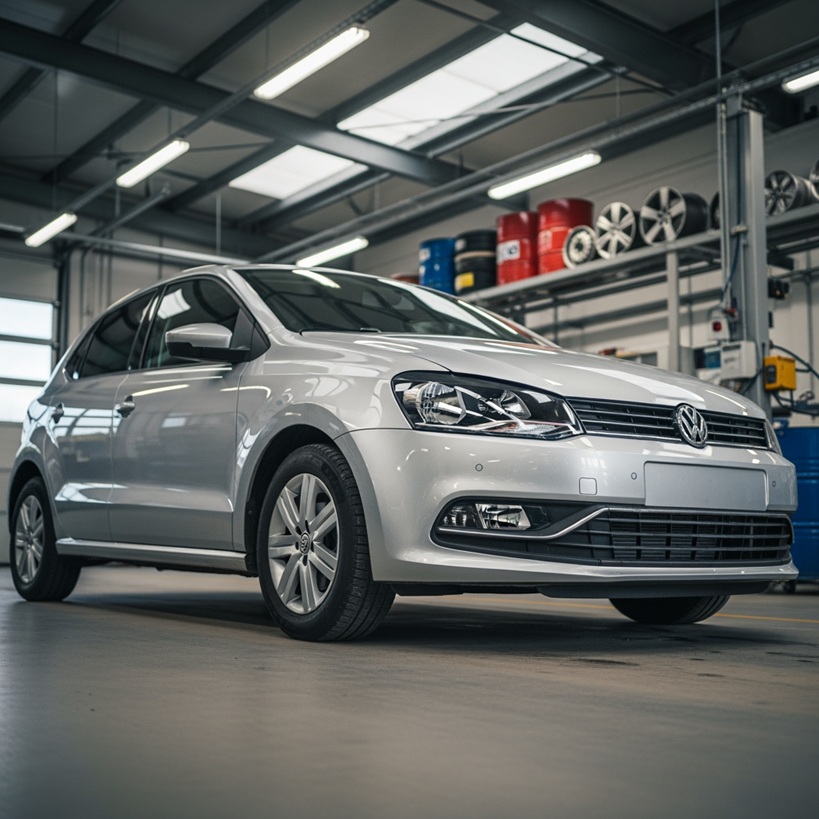
What You Get for Scrapping a Volkswagen Polo
16th Apr, 2026
Your Volkswagen Polo’s reached the end of its road. Failed MOT again, terminal rust, or simply costs more to fix than it’s worth. Whatever the reason, understanding what you’ll actually get for scrapping it helps you make sensible decisions.
Scrap Car Network connects you with licensed Authorised Treatment Facilities that handle Polos daily. Whether you’ve got a tired Mk4 from 2005 or a Mk6 with catastrophic engine failure, knowing realistic values prevents disappointment.
Let’s walk through exactly what your Volkswagen Polo’s worth as scrap and what affects that figure.
Understanding Polo Scrap Values in the UK
Scrapping a Volkswagen Polo typically gets you £100-400. That’s quite a range, and several factors determine where your particular car lands.
Your Polo’s weight, current scrap metal prices, condition, parts that can be resold, and even your postcode all influence the final payout. None of this is arbitrary – it’s straightforward economics based on what your car contains and what those materials are worth.
How Scrap Car Values Are Calculated
Think of your old Polo like returnable bottles at a supermarket. Nobody cares what you paid originally or how long you’ve had them – they pay for the material that can be reused.
Scrap yards don’t pay for memories or miles driven. They pay for recyclable materials: predominantly steel, aluminium, and copper. Your Polo’s an accumulation of these materials, and that’s what determines base value.
The average Volkswagen Polo weighs between 1,000 and 1,200 kilograms, depending on generation and model. That’s your baseline. Scrap metal prices fluctuate daily based on global commodity markets, but as of 2024, expect around £100-150 per tonne for mixed vehicle scrap.
I remember a customer from Reading with a 2008 Polo she’d owned since new. Lovely car, properly maintained, but the rear subframe had corroded through beyond economic repair. She was gutted – that Polo had taken her kids to school for years. But the reality was simple: £180 in recyclable materials regardless of the memories attached. That’s the nature of scrapping.
What Affects Your Polo’s Value
Several factors move your quote up or down from baseline scrap metal value:
Vehicle weight: Heavier models like the Polo GTI contain more metal, fetching higher prices.
Current scrap metal prices: These change weekly based on global demand for steel, aluminium, and copper.
Condition of parts: Working components get resold before crushing, adding value beyond basic metal weight.
Location: Collection costs vary by region. Remote areas face higher transport expenses, reducing your final quote.
Completeness: Missing catalytic converters, wheels, or major components reduce value significantly.
What Different Polo Generations Are Worth
Not all Polos are equal when it comes to scrap value. Generation, engine type, and condition all matter considerably.
Older Polos (Pre-2009)
The Mk4 Polo (2002-2009) and earlier models typically fetch £100-200 when scrapped. These vehicles contain less valuable materials and fewer reusable parts.
Electronics are outdated by modern standards. Corrosion often affects structural integrity by this age, making parts recovery more challenging.
However, certain components retain value. The 1.4 TDI diesel engines from this era are surprisingly sought-after for parts, potentially adding £30-50 to your quote if the engine still runs.
Mid-Generation Polos (2009-2017)
The Mk5 Polo represents the sweet spot for scrap value, typically fetching £150-300. These vehicles contain more aluminium components, which command higher prices than steel.
Dashboard electronics, infotainment systems, and sensors can be refurbished and resold. There’s established market demand for these parts.
Diesel variants from this generation often secure better prices due to demand for replacement parts. Despite diesel’s image problems, thousands of these engines remain on UK roads, creating healthy parts markets.
Recent Polos (2017-Present)
The current Mk6 Polo contains the most recyclable materials and modern components. Expect £200-400 for scrapping these vehicles, assuming they’re complete.
Advanced safety systems, LED lighting, and touchscreen units hold significant resale value before shells get crushed. These components fetch good money in second-hand markets.
It might seem counterintuitive, but newer cars sometimes fetch less if they’re heavily damaged. A 2019 Polo that’s been in serious accidents may only be worth its metal weight, whereas well-maintained 2015 models with blown engines could be worth more due to salvageable parts.
The Role of Scrap Metal Prices
Scrap metal markets operate like any commodity – supply and demand dictate prices. Steel prices particularly fluctuate based on global construction demand, manufacturing output, and international trade policies.
In 2020, scrap steel prices dropped to around £80 per tonne during pandemic lockdowns. By late 2021, they’d surged to £200 per tonne as manufacturing rebounded. As of 2024, prices have stabilised around £120-150 per tonne, though regional variations exist.
Metal Content Breakdown
Your Polo contains approximately:
70-75% steel: Body panels, chassis, suspension components
10-15% aluminium: Engine block, wheels, some body panels on newer models
5-10% plastics: Bumpers, interior trim, dashboard
3-5% glass: Windows, windscreen
2-3% copper: Wiring, alternator, starter motor
1-2% other materials: Rubber, textiles, electronics
Aluminium fetches roughly three times the price of steel. Copper commands even higher rates. This explains why newer Polos with more aluminium components secure better prices.
Market Fluctuations
Metal prices change constantly. What your Polo’s worth this week might differ from next month’s value by £20-40.
If you’ve got flexibility, monitoring prices for a few weeks might gain you slightly better returns. But don’t let this become false economy – paying insurance, tax, or parking fees while waiting eliminates any gains.
Additional Value from Salvageable Parts
Before your Polo meets the crusher, our network of Authorised Treatment Facilities systematically removes valuable components. This process, called depollution and dismantling, extracts additional value whilst meeting environmental regulations.
Common Polo Parts That Get Resold
Working components significantly increase value:
Engines and gearboxes (if functional): £200-800 depending on type and condition
Alloy wheels (depending on condition): £50-200 per set
Electronic control units: £30-150 for working systems
Catalytic converters: £50-200, containing precious metals like platinum and palladium
Doors, bonnets, and tailgates (undamaged): £30-100 each for clean panels
Seats and interior trim (clean, undamaged): £20-80 for good condition items
Headlight and taillight assemblies: £20-80 per unit for working lights
You won’t see itemised payments for these parts when scrapping your car. Instead, scrap dealers factor their potential resale value into your quote. A complete Polo with working lights, good body panels, and sound interior will always beat an incomplete or damaged one.
Depollution and Dismantling Process
The process is systematic. Hazardous materials get removed first, then valuable components get extracted, and finally the shell gets crushed and recycled.
This isn’t cowboys with angle grinders. Licensed facilities follow strict procedures ensuring both maximum value recovery and environmental protection.
Geographic Variations in Scrap Prices
Where you scrap your Polo affects what you’ll get. This isn’t about dealers being generous or stingy – it’s simple economics.
Collection Cost Factors
Collection costs vary significantly. Scrapping a Polo in central London incurs higher transport expenses than scrapping one in rural Wales. Dealers in remote areas often reduce quotes by £20-50 to cover fuel and time.
Proximity to scrap metal processors matters too. Dealers near major recycling facilities face lower onward transport costs, allowing them to offer better prices.
The Midlands, with its concentration of metal recyclers, typically offers competitive rates. Remote Scottish islands? Less so, purely due to logistics.
Regional Parts Market Demand
Parts demand varies regionally. A Polo in Manchester, where these cars are common, generates less parts demand than one in Cornwall, where they’re rarer. This can swing values by £20-40 either way.
It’s not huge money, but it explains why identical Polos in different postcodes fetch different quotes.
How to Get the Best Price for Your Polo
Maximizing your Polo’s scrap value isn’t complicated, but it does require minimal effort.
Compare Multiple Quotes
Never accept the first offer. Get quotes from several sources. Prices can vary by £50-100 for identical vehicles, depending on dealer’s current stock levels and capacity.
Most reputable services provide instant online quotes based on your registration number, postcode, and vehicle condition. These quotes should be firm, not subject to reduction upon collection (unless you’ve misrepresented the vehicle’s condition).
Keep It Complete
Every missing component reduces value. That spare wheel you removed last year? Worth £10-15. The stereo you upgraded? Another £20-30. The alloy wheels you swapped for winter tyres? That’s £50-100 gone.
If you’ve removed parts, consider whether their resale value exceeds what you’ll lose from your scrap quote. Often, it doesn’t.
Time It Right
Scrap metal prices fluctuate monthly. If your Polo’s still driveable and you’re not desperate, monitoring prices for a few weeks might net you an extra £20-40.
However, don’t let this turn into false economy. If you’re paying insurance, tax, or parking fees, scrap it now.
Provide Accurate Information
Honest descriptions prevent disappointment. If your quote assumes a complete vehicle but you’re missing the catalytic converter, expect reduced payment upon collection.
Reputable dealers explain deductions, but it’s better to disclose everything upfront. “The cat’s been stolen” or “I’ve removed the alloy wheels” prevents collection day awkwardness.
Choose Licensed Dealers
Only use Authorised Treatment Facilities. These businesses hold proper environmental permits and provide Certificates of Destruction, which legally protect you from future liability.
Unlicensed scrap dealers might offer £20-30 more, but you risk remaining legally responsible for the vehicle. Not worth it.
Our environmentally responsible car recycling process ensures your Polo’s depolluted correctly, with hazardous materials like battery acid, brake fluid, and refrigerants disposed of safely.
The Legal Side of Scrapping Your Polo
Scrapping involves more than just handing over keys. You’ve got legal obligations, and meeting them protects you from future headaches.
Certificate of Destruction
When your Polo reaches an ATF, you’ll receive a Certificate of Destruction within seven days. This document, issued electronically by the DVLA, confirms your vehicle’s been destroyed and removes it from their records.
Keep this confirmation. It’s your proof you’re no longer responsible for the vehicle.
Without a CoD, you remain the registered keeper. If someone illegally uses your Polo’s identity (cloning), you could receive speeding fines, parking tickets, or worse. Only ATFs can issue legitimate CoDs.
V5C Logbook Requirements
You’ll need your V5C (vehicle registration document) when scrapping your Polo. Complete section 9 if you’re scrapping at an ATF, or section 4 if you’re selling to a dealer who’ll scrap it.
Send the appropriate section to the DVLA and keep the rest until you receive your CoD. If you’ve lost your V5C, you can still scrap the car, but expect more paperwork.
The ATF will need additional identification, and the process takes longer. You can tell the DVLA when you sell or scrap your car online for additional confirmation.
Tax and Insurance Cancellation
Cancel your vehicle tax and insurance after scrapping. You’ll receive a refund for any full months remaining on your tax.
Insurance refunds depend on your policy terms. Some providers charge cancellation fees, so check before scrapping.
Why Polo Values Differ from Other Small Cars
Compared to rivals like Ford Fiesta or Vauxhall Corsa, the Volkswagen Polo typically commands slightly higher scrap values – usually £10-30 more. Why?
Build Quality Factors
Build quality matters. Polos contain more sound-deadening material, thicker steel in certain areas, and generally more substantial construction. This translates to slightly more metal weight and better-preserved parts for resale.
German engineering isn’t just marketing. VW builds cars to higher material standards, and this shows in scrap values.
Parts Demand Strength
Parts demand remains strong. Despite being pricier when new, Polos enjoy loyal ownership. This creates steady demand for replacement parts, making your scrapped Polo more valuable to breakers.
Aluminium content increases with each generation. Volkswagen has progressively increased aluminium use to reduce weight and improve efficiency. This benefits scrap value, as aluminium fetches higher prices than steel.
However, don’t expect dramatic differences. A Polo and Fiesta of similar age and condition will typically be within £20-40 of each other.
What Happens to Your Polo After Collection
Ever wondered what actually becomes of your old car? The journey from driveway to recycling facility is more sophisticated than you might think.
Depollution Stage
First, your Polo arrives at an ATF where trained technicians remove all hazardous materials: battery, fuel, oils, coolants, and brake fluid. These get processed separately according to environmental regulations.
Airbags are deployed safely. The air conditioning system gets drained of refrigerant gases. Nothing hazardous enters the crushing process.
Dismantling and Component Recovery
Next comes dismantling. Valuable components get removed for resale: engine, gearbox, alternator, starter motor, and any undamaged body panels or interior parts.
The catalytic converter gets extracted for its precious metal content (platinum, palladium, and rhodium). These metals are worth substantial amounts.
Crushing and Recycling
What’s left – primarily the metal shell – gets crushed into a compact cube and sent to a metal shredder. Here, powerful magnets separate ferrous metals (steel) from non-ferrous materials (aluminium, copper).
The sorted metals are melted down and reformed into new products. Roughly 95% of your Polo’s weight gets recycled. The remaining 5% – mostly plastics and textiles – either gets incinerated for energy recovery or sent to landfill, though the industry’s working to reduce this fraction.
When Scrapping Makes More Sense Than Selling
Not every end-of-life Polo should go to the scrapper. Sometimes private sale or part-exchange offers better value. But certain situations make scrapping the sensible choice.
Failed MOT with Expensive Repairs
If your Polo needs £800 of welding but is only worth £600, scrapping makes financial sense. You’ll get £150-300 with zero hassle, versus potentially losing money trying to sell a non-roadworthy car.
Nobody wants to buy cars needing major work. The few who do expect bargain prices.
Severe Accident Damage
Insurance write-offs categorised as Category S or N might be repairable, but Category A or B vehicles must be crushed. Even if your insurer hasn’t written off your Polo, severe structural damage makes scrapping the practical option.
Selling accident-damaged cars attracts limited interest and requires extensive disclosure. Scrapping eliminates complications.
Terminal Mechanical Failure
A seized engine or failed gearbox can cost £1,000-2,500 to replace. If your Polo’s worth less than the repair cost, scrapping is sensible.
“It just needs a new engine” sounds simple until you price that job properly.
Excessive Mileage with Multiple Issues
A 15-year-old Polo with 180,000 miles, rust, worn suspension, and failing electrics won’t attract buyers. Scrapping eliminates the headache of endless viewings with tyre-kickers.
Your time has value. Hours spent advertising, responding to enquiries, and arranging viewings that don’t materialize costs you more than the £100-150 difference between private sale and scrapping.
Need for Immediate Payment
Private sales take time: advertising, viewings, negotiations, and payment collection. Find out how to scrap your car easily and receive payment within 24-48 hours of collection.
When you need money now, scrapping delivers predictable results without hassle.
Common Myths About Scrapping a Polo
Let’s clear up misconceptions that cost people money or create unnecessary worry.
Diesel Polos Are Worthless Now
Wrong. Whilst diesel car values have dropped, scrap values remain largely unaffected. Metal is metal, and diesel engines often contain more recyclable materials than petrol equivalents.
Your diesel Polo’s worth just as much – sometimes more – than a petrol model at scrap value.
Should Remove Parts Myself to Maximize Value
Usually false. Unless you’re selling valuable parts privately (which takes time and expertise), you’ll likely lose money. The scrap dealer’s quote already factors in salvageable components.
Removing parts yourself might reduce their quote by more than you’d gain selling those parts. Plus, you need somewhere to store dismantled components while you find buyers.
Older Polos Aren’t Worth Scrapping
Even a 20-year-old Polo contains £100-150 of recyclable materials. That’s money in your pocket for a car that’s otherwise costing you storage space or parking fees.
Scrap value doesn’t disappear with age. Old metal’s as valuable as newer metal.
Can’t Scrap Without V5C
You can, though it’s more complicated. ATFs will accept vehicles without logbooks if you provide adequate identification and proof of ownership.
The process takes longer, but it’s feasible. Insurance documents, MOT certificates, or purchase receipts can suffice.
Environmental Benefits of Scrapping Responsibly
Choosing a licensed ATF isn’t just about legal protection – it’s about environmental responsibility. Vehicles contain numerous hazardous materials requiring specialist disposal.
Hazardous Materials in Polos
A typical Polo contains:
40-60 litres of various fluids: Oil, coolant, brake fluid, power steering fluid
1-2 kg of refrigerant gases: In the air conditioning system
10-15 kg of lead: Battery
Various heavy metals: In electronic components
Improper disposal contaminates soil and groundwater. Licensed facilities extract and process these materials safely, preventing environmental damage.
Recycling Efficiency Benefits
Recycling your Polo’s metal also reduces mining demand. Producing steel from recycled material uses 60% less energy than producing it from iron ore.
Aluminium recycling is even more efficient, using 95% less energy than primary production. By scrapping responsibly, you’re contributing to a circular economy where materials get reused rather than extracted anew.
It’s a small act with meaningful environmental impact.
Making the Process Hassle-Free
Scrapping your Volkswagen Polo shouldn’t be complicated. Here’s what a smooth process looks like.
Five-Step Process
Step 1: Get an online quote using your registration number and postcode. Reputable services provide instant, firm prices without requiring excessive personal details upfront.
Step 2: Accept your quote and arrange collection. Most services offer free nationwide collection within 24-48 hours. You choose the date and time.
Step 3: Prepare your Polo. Remove personal belongings, cancel your insurance and tax, and locate your V5C logbook. If you’ve got a private number plate you want to keep, apply to transfer it before collection.
Step 4: Collection day. The driver inspects your Polo to confirm it matches your description. Assuming everything checks out, they’ll load it onto the recovery vehicle, complete the V5C paperwork with you, and arrange payment.
Step 5: Receive your Certificate of Destruction within seven days. The DVLA sends this electronically to confirm your vehicle’s been destroyed and you’re no longer responsible for it.
Payment Methods
Payment methods vary by company. Some offer immediate bank transfer, others pay via cheque within 3-5 days. Clarify this when accepting your quote.
Conclusion
Scrapping your Volkswagen Polo typically delivers between £100 and £400, depending on model, condition, and current scrap metal prices. It’s not a windfall, but it’s fair compensation for a vehicle that’s reached the end of its useful life.
The key to maximizing value lies in comparing quotes from multiple licensed dealers, keeping your Polo complete, and providing accurate information upfront. Choose an Authorised Treatment Facility to ensure legal compliance and environmental responsibility.
You’ll receive a Certificate of Destruction protecting you from future liability, and you’ll know your old Polo’s been recycled properly rather than abandoned or dismantled illegally. Whether your Polo’s failed its MOT, suffered accident damage, or simply become too expensive to maintain, scrapping offers a straightforward solution.
The process takes minimal effort – usually just an online quote and a collection appointment – and puts cash in your pocket within days. Your Polo served you well. Now it deserves proper recycling that recovers materials responsibly whilst protecting you legally.
If you’re ready to get competitive quotes from verified operators for your Volkswagen Polo, contact us to get started. We’ll help you get fair value while ensuring everything’s handled legally and environmentally responsibly.