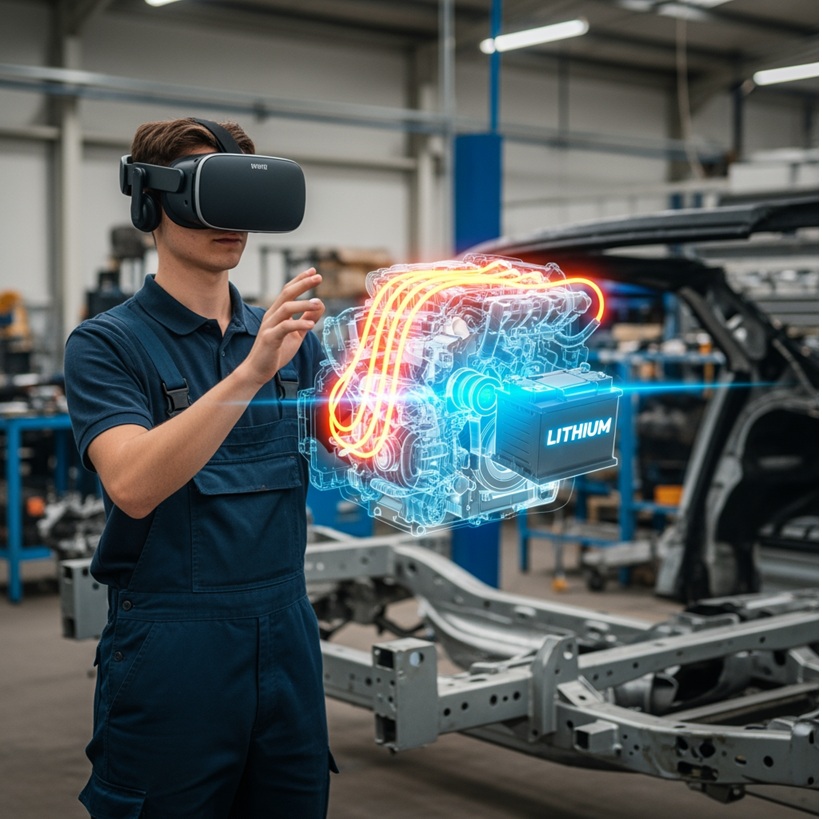
How Virtual Reality Trains the Next Generation of Scrap Yard Workers
18th Mar, 2026
The scrap industry is currently facing a massive challenge that has been quietly brewing for decades. Our older, highly experienced workforce is slowly getting ready for retirement. Meanwhile, younger generations aren’t exactly rushing to take up traditional manual labour.
Plus, modern vehicles have become incredibly complex. They are now packed with confusing electronics and highly reactive hybrid batteries. Because of this, we desperately need a completely new way to teach the next generation of mechanics safely.
Virtual reality scrap yard training has emerged as a brilliant solution to tackle these massive problems. This digital shift represents far more than just buying flashy new gadgets for the workshop. It is a total rethink of how vital safety rules become natural habits for new workers.
The Limitations Of Traditional Training Methods
Scrap yards are easily some of the most hazardous workplaces in the entire country. Workers navigate daily risks from heavy machinery, highly toxic fluids, and unstable car shells. Recently, the massive rise of high-voltage electrical systems in modern cars has multiplied those daily dangers significantly.
Traditional apprenticeships rely heavily on learning by doing out on the cold shop floor. New workers simply shadow older employees, gradually taking on more physical work as they learn. This old-school approach has served the motor trade for generations, but it comes with some incredibly serious drawbacks.
I remember an eager young apprentice we hired back in 2008 who was terrified of asking for help. One afternoon, he nearly lost two fingers trying to rush a catalytic converter removal with a heavy cutting tool he barely understood. Every single mistake made during hands-on training carries real, potentially life-altering consequences for the worker.
The True Cost Of On-The-Job Learning
The heavy cost of old-fashioned training extends far beyond basic worker safety. Every physical training session burns through actual workshop resources, expensive machinery fuel, and a senior mechanic’s valuable time.
Training quality also varies wildly depending on who is teaching that day. A busy yard usually means rushed training. Unfortunately, that is exactly how dangerous bad habits are formed.
How Virtual Reality Transforms Scrap Yard Education
Immersive learning platforms (where trainees use digital headsets to practice) completely change the game. They create controlled spaces where mistakes become valuable lessons rather than hospital visits. Trainees can practice safely dismantling hundreds of different vehicles without ever touching a real, dangerous car.
Think of virtual reality for mechanics exactly like a flight simulator for airline pilots. A trainee pilot doesn’t learn how to handle an engine failure by crashing a real passenger jet. They practice the emergency safely in a digital cockpit until the correct reaction becomes pure, undeniable muscle memory.
This digital technology provides immediate, crystal-clear feedback that drastically accelerates a young worker’s learning. When a trainee makes a critical error, the system instantly pauses, explains exactly what went wrong, and lets them try again. This rapid, risk-free repetition builds genuine competence far faster than standing in the rain watching someone else work.
Core Skills Developed Through VR Training
Modern vehicles contain numerous dangerous substances that require incredibly careful handling and storage. Software makes hazardous material training interactive, allowing trainees to visually examine these dangers safely. Without any exposure risks, young mechanics learn to identify:
- Hidden mercury switches
- Heavy, leaking lead batteries
- Highly pressurised refrigerants
The digital systems can actually highlight dangerous elements in ways that are totally impossible during physical training. Bright colour coding shows exactly which toxic fluids are hiding inside different engine blocks. Flashing warning indicators instantly alert trainees when they approach a high-risk component incorrectly.
Regulatory Compliance Understanding
Environmental regulations surrounding Authorised Treatment Facilities are highly complex and constantly changing to protect the public. Proper fluid drainage, safe component disposal, and endless paperwork all require meticulous attention to detail. Luckily, digital scenarios can easily simulate strict regulatory inspections to test a young worker’s knowledge.
This specific aspect proves incredibly valuable because most regulatory fines result from simple misunderstandings. For example, workers must thoroughly understand the correct legal procedures to tell DVLA scrapped car details accurately and promptly. When staff understand exactly why these strict rules exist, daily compliance improves entirely naturally.
Financial Benefits For Scrap Yard Operators
The initial financial investment in digital equipment might seem substantial for a small yard. However, the long-term savings for the business are massive. Yards that upgrade their educational programmes typically see:
- Significantly reduced workplace insurance premiums
- Vastly lower injury compensation claims
- Extended lifespans for expensive heavy machinery
One digital training setup can easily handle multiple workers per day without stopping the yard’s actual production line. The technology consistently pays for itself through reduced accidents and heavily improved efficiency within just a few months. This incredible standard of safety is exactly what we expect from the top-tier vehicle disposal services operating within our nationwide network.
Environmental Training Applications
Modern scrap yards absolutely must balance their daily profits with strict environmental responsibility. Simulation software excels at teaching this delicate balance. When workers see a virtual groundwater contamination scenario play out, they finally understand the real consequences of a toxic spill.
The technology also helps mechanics visualise the full lifecycle of the materials they handle. Knowing exactly how crumple zones work helps them understand where the highest-grade reinforced steel is located on the chassis. This specific structural knowledge leads directly to much better material recovery rates for the yard.
Addressing The Industry’s Workforce Crisis
The scrap industry faces a looming workforce shortage that we can no longer ignore. As older mechanics finally retire, we have to find a way to make the trade appealing to a younger, digital generation.
Here at the Scrap Car Network, we actively partner with forward-thinking yards that embrace these modern facility upgrades. Young people are naturally drawn to industries that invest heavily in advanced, computer-based education methods rather than outdated manual labour.
They quickly recognise the great opportunity to work with cutting-edge software whilst developing valuable, highly physical technical skills. When everyday drivers want to find out how to scrap your car easily, they indirectly benefit from this highly skilled, modernised workforce handling their vehicle safely.
This comprehensive digital training also means new recruits develop their skills much faster. This naturally leads to quicker workshop advancement and higher wages for dedicated staff. For older workers nearing retirement, it provides a brilliant way to transfer their lifetime of mechanical knowledge into permanent software.
Optimal Integration With Hands-On Experience
The absolute best training approach will always combine safe digital simulation with supervised, real-world practice. Software provides the foundational knowledge, while getting your hands dirty confirms those skills under actual working conditions.
Smart operators use software for initial safety training before ever letting a recruit touch a real spanner. This smart, hybrid approach maximises the benefits of modern technology whilst heavily minimising the very real physical risks of car scrapping.
Regular refresher training also works brilliantly in a simulated digital environment. Seasonal workers can quickly update their safety skills before the busy summer periods without wasting a senior mechanic’s valuable time. This flexible approach keeps the entire workforce sharp, safe, and fully compliant.
The Road Ahead For Scrap Yard Training
The automotive recycling industry evolves rapidly, driven by complex vehicle technologies and shifting economic pressures. Digital education gives yards the essential flexibility to adapt quickly without completely overhauling their physical workshops.
As highly complex electric vehicles become standard, software modules are instantly updated to teach hybrid vehicle battery safety. This brilliant adaptability ensures workers stay perfectly current with industry developments without requiring highly dangerous mistakes during the learning process.
The technology also enables highly specialised training that would be far too expensive to orchestrate physically. Learning to dismantle rare exotic materials becomes perfectly feasible when a computer removes the need to buy a physical supercar to practice on. Workers who understand the underlying mechanics can then easily adapt to completely new vehicle types.
For an industry that has historically been very slow to embrace change, this represents a massive, positive step forward. It is not about replacing the gritty, hands-on nature of scrap work with video games. It is simply about ensuring people are properly prepared and totally safe before they operate heavy machinery.
When you book a scrap car collection from your driveway, you want the absolute peace of mind that highly trained professionals are handling it. The best investment any industrial operation can make is in the absolute safety of its people.
If you have any questions about how modern facilities process vehicles safely and legally, please do not hesitate to contact us today. We are always happy to explain the modern standards that keep the industry moving forward safely.