Blockchain and Traceability in Car Recycling Supply Chains
18th Mar, 2026
The motor trade has seen massive changes over the last few decades, moving from greasy paper logbooks to highly advanced computerised diagnostics. Now, another significant revolution is beginning to take shape across the industry. This new shift involves the way vehicles are tracked from a driver’s driveway to their final recycling destination. Blockchain in car recycling is no longer just a bit of technical jargon; it is becoming the sturdy backbone of a more transparent and accountable vehicle disposal system.
Many people find it frustrating when they cannot easily trace where an old motor ends up after the recovery truck pulls away. This uncertainty often leads to worries about whether the car was processed legally or just dumped in a way that harms the local environment. Modern technology is now addressing these concerns by creating an unbreakable digital chain of custody. This system follows every single component through the entire disposal process, acting as a permanent service record that nobody can ever tamper with or alter.
I remember chatting with my neighbour Sarah last month about this very topic. She had scrapped her old Corsa but spent the whole weekend worrying about whether it had actually been recycled properly or if it had just been left in a muddy field somewhere dodgy. With a blockchain system in place, she would have been able to track the journey of her car through every single step, from the initial collection to the final material recovery. That kind of visibility removes the mystery and ensures that every driver can rest easy after saying goodbye to a long-serving vehicle.
How Digital Ledgers Transform Vehicle Tracking
Traditional car recycling records often feel like keeping old MOT certificates in a dusty shoebox. These paper records are remarkably easy to lose, even easier to forge, and almost impossible for anyone to verify quickly in a busy workshop. Distributed ledger technology works on a completely different set of principles. It functions like a digital record book where every transaction is permanently etched into the system, remaining visible to authorised parties while being impossible to change.
When a vehicle enters the recycling system today, each specific step is recorded on this digital ledger. This includes the initial collection, the transportation phase, and the arrival at the Authorised Treatment Facility (ATF). From there, the system logs the fluid drainage, component removal, and final material sorting. Every single action creates a permanent, timestamped record that provides an audit trail for the entire lifecycle of the vehicle’s disposal.
The real beauty of this setup lies in its distributed nature. Instead of one single company holding all the records and potentially manipulating them, identical copies of the ledger exist across multiple secure locations. It is quite like having dozens of independent witnesses to every transaction, all keeping their own tamper-proof notes. This ensures that the data is always accurate and available whenever a regulator or a vehicle owner needs to check the status of a specific car.
This high level of transparency provides significant benefits for everyone involved in the process:
- Vehicle owners gain complete peace of mind knowing their car’s disposal is documented by law.
- Recycling facilities can prove they are following the rules without needing mountains of paperwork.
- Regulators can monitor the entire system in real-time without conducting endless manual audits.
- Insurance companies can verify claims instantly using evidence that is impossible to fake.
Blockchain in car recycling creates a level of trust that simply did not exist in the trade a generation ago. By using these systems, the industry is finally removing the doubt and suspicion that used to plague the disposal process. It is a modern solution for an industry that is rapidly moving towards a digital future.
Real-Time Component Journey Mapping
Modern vehicles are incredibly complex machines, containing over 30,000 individual parts. These range from the precious metals found in catalytic converters to the rare earth elements hidden inside electric vehicle batteries. Attempting to track all these components manually is a bit like trying to count every raindrop in a thunderstorm. It is a massive task that usually leads to errors and missing data when handled by humans alone.
Blockchain systems solve this problem by monitoring individual components throughout their entire recycling journey. For example, an airbag from an old Mondeo can be tracked directly to a remanufacturing facility where it is prepared for reuse. Similarly, the steel from a car body can be followed to the exact foundry that melted it down. This level of detail shows precisely which new products have emerged from the recycled materials of a single scrap car.
Comprehensive monitoring also helps prevent problematic materials from re-entering the supply chain. Consider a scenario where a particular component has been recalled multiple times for safety reasons. By tracking every instance of that part through the recycling system, the industry can ensure that these faulty items never find their way back into other vehicles. This is the genuine power of comprehensive traceability in a modern workshop environment.
Tracking High-Value Materials
Electric vehicle batteries present a unique set of challenges for the recycling trade. These units contain valuable materials like lithium, cobalt, and nickel that require very careful recovery procedures. Blockchain tracking ensures that these materials always follow the correct recycling protocols. This prevents them from being sent to a landfill or exported illegally to countries with lower environmental standards.
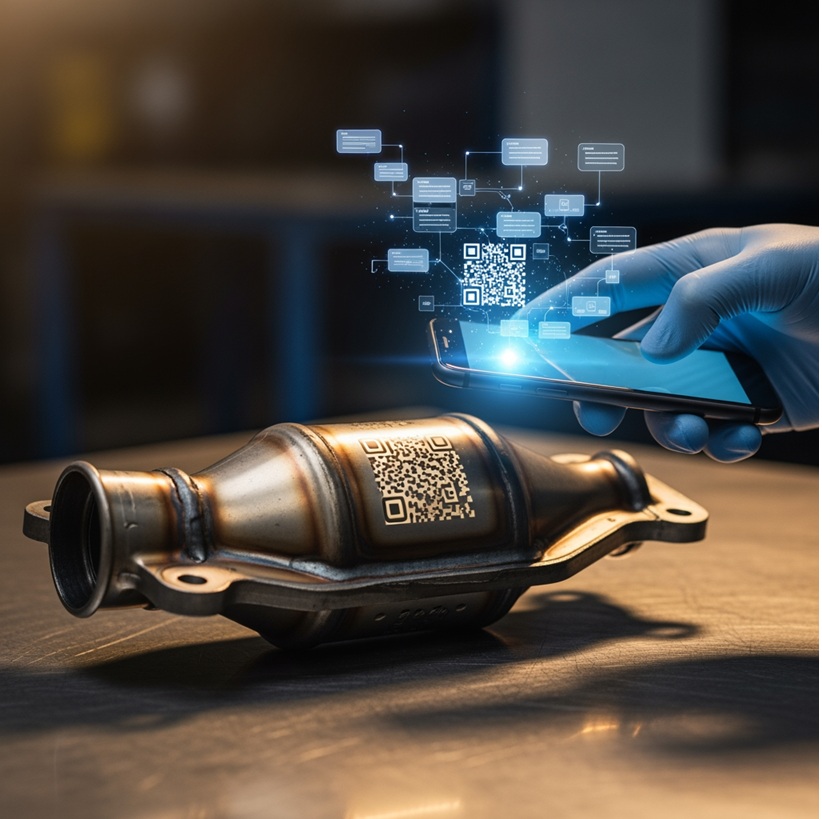
Catalytic converters are another high-value target for the tracking systems. These components contain platinum, palladium, and rhodium, which are often worth hundreds of pounds on the open market. Distributed ledger technology creates a permanent record of their journey from the vehicle to the precious metal recovery specialist. This helps to deter theft and ensures that the materials are only processed by legitimate, authorised businesses.
The system also tracks hazardous materials that require special handling, such as brake fluid, chemical coolant, and mercury switches. Blockchain records prove that these substances were handled according to strict environmental regulations. This protects the reputation of the facilities and ensures that the local environment remains safe from chemical contamination. When an owner decides to scrap my vehicle, they are contributing to this secure and highly tracked system.
Environmental Impact Verification
Many customers ask whether their old car will actually help the environment or if the recycling process just creates a fresh set of problems. This is a very fair question to ask, especially since the recycling industry has not always been perfectly transparent about its green credentials. Blockchain technology is now providing the verifiable proof that many environmentally conscious drivers have been looking for.
This system provides a public record of every kilogram of steel recycled and every litre of oil properly disposed of. It even tracks every single gram of precious metal recovered from the scrap heap. No longer does a driver have to take a recycler’s word for it; the evidence is there in plain sight on the ledger. This builds a massive amount of trust between the recycling facility and the public.
The system can also calculate and verify carbon savings in real-time. For instance, when an old Vauxhall is processed, the system knows exactly how much CO2 was saved compared to the energy needed to produce new materials from scratch. It is quite like receiving a personal environmental impact report for a disposal decision. This data helps people understand the positive difference they are making by choosing a professional service.
Quantifiable Sustainability Metrics
This verification process also extends to the energy consumption used during the actual recycling work. Facilities that use renewable energy sources can use the blockchain to prove their green credentials to the world. On the other hand, those that still rely heavily on fossil fuels cannot hide behind vague environmental claims anymore. This transparency is a huge driver for improvement across the entire sector.
The verified environmental benefits of recycling are quite remarkable when you look at the hard numbers:
- Steel recycling saves about 74% of the energy needed to produce new steel from iron ore.
- Aluminium recovery reduces energy consumption by a staggering 95% compared to primary production.
- Plastic reprocessing can cut greenhouse gas emissions by up to 70% in some cases.
- Glass recycling leads to a 50% decrease in water pollution and a 20% reduction in air pollution.
When recycling facilities start competing based on their verified environmental performance, the entire industry is forced to elevate its standards. Nobody wants to have their carbon footprint exposed as the worst in the network. This healthy competition leads to better practices and a much cleaner industry for everyone. By using an environmentally responsible car recycling process, businesses can demonstrate their commitment to the planet with every car they process.
Combating Fraud in Vehicle Disposal
The car recycling industry has struggled with fraudulent practices for a very long time. Unscrupulous operators have been known to claim a vehicle was properly recycled while they were actually exporting it illegally or dumping hazardous waste. Some cars that were supposedly scrapped have even turned up on the road with new identities months later. This kind of deception harms the reputation of the entire trade.
Blockchain creates an immutable audit trail that makes this kind of fraud extremely difficult to pull off. When a collection is recorded permanently on the ledger, any later claims that contradict this evidence are easily exposed. For example, if someone attempts to re-register a car that has already been logged as dismantled, the system will immediately flag the discrepancy. This level of security is a major deterrent for criminal activity in the scrap trade.
Fraud involving the Certificate of Destruction is also becoming virtually impossible. These documents are required by law when a vehicle is permanently removed from the road. In a blockchain-enabled system, these certificates can be verified instantly against the digital records. This means there is no more room for forged certificates or duplicate registrations that used to cause so many headaches for the authorities.
Preventing Component Theft and Illegal Trade
The technology is also a powerful tool for preventing component fraud. Items like stolen catalytic converters or airbags cannot be legitimately recycled if there is no blockchain record of the donor vehicle entering the system properly. The system essentially creates a permanent provenance certificate for every single part. This makes it much harder for thieves to sell stolen goods to legitimate recycling businesses.
Vehicle identity fraud is another area where blockchain is making a massive difference. Cars with outstanding finance agreements or insurance write-offs are now much easier to track through their entire history. The permanent digital record follows the vehicle identification number (VIN) regardless of any ownership changes or attempted deceptions. This protects buyers and ensures that only legitimate vehicles are processed for scrap.
Cross-border vehicle trafficking is also much more visible through this kind of tracking. Vehicles that are exported under false recycling pretences leave a permanent digital trail that customs officials and law enforcement can easily follow. This creates a high level of accountability in a sector where anonymity once enabled a lot of criminal activity. It ensures that every car is handled according to the law, no matter where it ends up.
Smart Contracts Streamlining Operations
The term “smart contract” might sound like something out of a science fiction film, but the concept is actually very simple and practical. These are automated digital agreements that execute themselves the very moment certain conditions are met. In the world of car recycling, this technology is revolutionising the way business is conducted on a daily basis.
For instance, when a driver arranges to scrap their car, a smart contract can be set up to trigger a payment automatically. Once the vehicle arrives at the authorised facility and the proper documentation is recorded, the funds are released. This removes the need to wait for cheques in the post or deal with administrative delays and payment disputes. It makes the entire transaction much faster and more reliable for the customer.
These automated contracts can also be used to enforce regulatory compliance. If a facility fails to drain the fluids from a vehicle within the required timeframe, the smart contract can prevent any further processing until the job is done correctly. It acts like an automated inspector that ensures every single step of the process follows the proper safety and environmental procedures.
Automated Payment and Compliance Systems
Insurance claims are also becoming much simpler thanks to this automation. When a vehicle is properly recycled and the record is logged on the blockchain, insurance companies can verify the disposal automatically. This eliminates the need for lengthy investigations or disputed claims, saving a lot of time and money for everyone involved. It is a much more efficient way to handle the end of a vehicle’s life.
The contracts can also manage material pricing in a dynamic way that reflects the current market. This ensures that the compensation provided is always fair:
- Scrap steel prices can adjust based on the current rates from the London Metal Exchange.
- Catalytic converter values can update automatically as the precious metal markets fluctuate.
- Battery recycling fees can reflect the changing commodity prices for cobalt and lithium.
- Aluminium recovery payments can track global trading prices in real-time.
This dynamic approach ensures that a driver gets paid exactly what their vehicle’s materials are worth at the time of recycling. It removes the guesswork and ensures that the prices are always based on the latest market data. It is a fairer and more transparent way for the industry to operate. If you want to see how this works, you can find out how to scrap your car easily through our professional network today.
Integration with Existing Systems
Some people worry that adopting blockchain technology means they have to scrap all their existing systems and start from scratch. Thankfully, that is not the case at all. Modern blockchain solutions are designed to integrate seamlessly with current databases, management systems, and recycling facility operations. It is about enhancing the tools that are already in place rather than replacing them entirely.
The Scrap Car Network works with professionals who understand that integration is key to a smoother experience for every customer. For example, the DVLA’s vehicle registration database can interface directly with blockchain records. This allows the vehicle status to be updated automatically the moment the recycling process is completed. This eliminates the need for a manual notification process and significantly reduces the chance of administrative errors. It makes the whole legal side of scrapping a car much more streamlined and reliable for the driver.
Existing weighbridge systems at recycling facilities can also feed their data directly into the blockchain records. This creates automatic documentation of the material quantities without requiring any additional paperwork. The technology is there to make the work easier and more accurate, not to create a fresh burden for the technicians on the shop floor.
Compatibility with Legacy Systems
Many recycling facilities already use digital systems for managing their inventory and reporting their compliance. Blockchain integration usually just involves adding a data export capability to these existing tools. It is a gradual process that allows businesses to adopt the new technology at their own pace. This ensures that the transition is smooth and does not disrupt the daily operations of the facility.
Smaller facilities that might not have a sophisticated IT infrastructure can still access these networks. This is often done through simple mobile applications that work on standard smartphones or tablets. These apps require very little training and make the technology accessible to everyone, regardless of the size of their business. It is a very inclusive way to modernise the entire industry.
This gradual approach allows the trade to iron out any kinks as the technology rolls out. Critical functions are usually integrated first, with more advanced features being added as the operators become more comfortable with the system. It ensures that the industry can move forward together, creating a more cohesive and professional sector for the future.
Regulatory Compliance Made Simple
Current regulations regarding vehicle recycling involve a lot of paperwork and very complex reporting requirements. The End-of-Life Vehicles Directive requires a high level of detail regarding the materials recovered and the recycling targets achieved. Blockchain technology simplifies this massive task by making the reporting process automatic.
Instead of spending weeks compiling paperwork, compliance officers can access real-time dashboards that show their performance against the official targets. The blockchain provides instant, verifiable data that is much more reliable than manual records. This makes the job of the regulators much easier and ensures that every facility is being held to the same high standards.
Transparency regarding cross-border vehicle movements is also a major benefit for regulators. When vehicles are exported for recycling in other countries, they remain perfectly traceable on the digital ledger. This ensures that nobody is circumventing environmental regulations by shipping cars to places with lower standards. It keeps the entire global industry more honest and accountable.
Meeting Evolving Environmental Standards
As governments introduce new requirements for the recovery of rare earth materials and the recycling of EV batteries, blockchain systems can adapt quickly. New data points can be added to the ledger without needing to restructure the entire compliance framework. This flexibility is vital for an industry that is changing as fast as the automotive sector.
Producer responsibility schemes also benefit significantly from this technology. Manufacturers who are required to ensure their vehicles reach a proper end-of-life treatment can verify this through permanent digital records. They no longer have to rely on self-reported data from individual facilities, which can sometimes be inaccurate. It provides a much higher level of certainty for everyone involved in the manufacturing chain.
Audit trails are now comprehensive and instant. During a regulatory inspection, a facility can provide complete documentation within minutes rather than days. The permanent record eliminates any disputes about historical compliance and ensures that the rules are being followed to the letter. It is a much more professional way to manage the environmental impact of the trade. Understanding the advantages of choosing our service means recognising the value of this professional and compliant approach.
Cost Benefits Across the Supply Chain
While implementing blockchain technology does require an initial investment, the long-term cost savings are very clear. Administrative overhead drops significantly when manual record-keeping and verification processes are automated. This allows businesses to focus their resources on the actual recycling work rather than getting bogged down in endless paperwork.
Fraud prevention also saves a massive amount of money across the entire industry. Insurance companies spend millions of pounds every year investigating suspicious vehicle disposal claims. By providing instant and reliable proof of proper recycling, blockchain verification reduces these costs dramatically. These savings can then be passed on to the consumer in the form of better prices for their scrap vehicles.
Material recovery rates also improve when tracking systems are used to identify valuable components that might otherwise be missed. For example, a rare earth magnet in a car speaker might be overlooked by a human dismantler, but a blockchain-enabled system will highlight its presence and its value. This ensures that every bit of value is squeezed out of each vehicle that is processed.
Operational Efficiency Improvements
Transportation efficiency also increases through better logistics coordination. When everyone in the chain can see real-time vehicle locations and processing schedules, collection routes can be optimised automatically. This improves the utilisation of the facility’s capacity and reduces the fuel used by the recovery trucks. It is a more efficient and a much greener way to run the business.
Payment processing costs are also decreasing substantially. Smart contracts eliminate the need for intermediary banking fees and currency exchange charges. International transactions that used to take days to clear can now settle automatically within a few hours. This improves the cash flow for the recycling businesses and ensures that they can continue to offer a high-quality service.
By connecting with a network of authorised facilities that are implementing these systems, drivers can be sure they are getting the best possible value for their car. Using a professional scrap car collection service ensures that your vehicle is entered into this efficient and secure system from the very start. It is a smart choice for the driver and for the environment.
Challenges and Implementation Hurdles
Despite the clear benefits, there are still a few obstacles to the widespread adoption of blockchain in car recycling. Many smaller facilities operate on very tight margins and might view the initial investment in technology as an unaffordable luxury rather than a business necessity. Overcoming this perception is a key part of modernising the industry.
Technical integration can also be a challenge, especially for older facilities that have been using legacy systems for many years. Converting decades of paper records into a digital format requires a significant amount of effort and expense. However, the long-term benefits of making this shift usually justify the investment many times over. It is about preparing the business for the challenges of the future.
Education is another crucial factor. Many professionals in the recycling industry have spent their lives working with vehicles and might not be familiar with the concepts of blockchain. Providing the right training and support is essential for a successful rollout. The industry needs to work together to ensure that everyone has the skills they need to thrive in a digital environment.
Standardisation and Interoperability Concerns
Standardisation across the entire industry is another significant challenge. If different facilities use different blockchain platforms that do not communicate with each other, the system will remain fragmented. Developing industry-wide standards is essential for realising the maximum benefit from this technology. It requires a high level of cooperation between recyclers, manufacturers, and regulators.
Initial setup costs can also be a deterrent for some operators. Hardware purchases, software licensing, and staff training can easily run into thousands of pounds. However, government grants and industry partnerships are often available to help offset these costs for facilities that are committed to improving their standards. It is an investment in a cleaner and more transparent future for everyone.
Data privacy regulations also require very careful navigation. While the transparency of the blockchain provides many benefits, personal information about the vehicle owners must remain protected according to the law. Modern systems use encryption to keep sensitive data safe while still allowing the transaction history to be visible to those who need it. It is a delicate balance that requires a lot of technical expertise to maintain.
The Future of Transparent Recycling
Looking ahead, it is very likely that blockchain technology will become the standard practice rather than an innovative exception in the recycling trade. As electric vehicles become more common and the recovery of materials becomes increasingly important, transparent tracking systems will be essential. The industry is moving towards a model where every car has a complete digital history from the showroom to the shredder.
The integration of artificial intelligence and machine learning will enhance these systems even further. Predictive analytics will be able to identify the most efficient recycling pathways for different vehicle types. This will maximise the recovery of materials and minimise the environmental impact of the entire process. It is an exciting prospect for anyone who cares about sustainability.
Consumer expectations are also driving this change. Modern car owners expect a high level of transparency in every aspect of vehicle ownership, from fuel efficiency to end-of-life disposal. Blockchain systems meet these expectations while building a higher level of trust in the recycling industry. It shows that the trade is moving with the times and taking its responsibilities seriously.
Global Tracking Networks Emerging
International cooperation through these digital networks could lead to global vehicle tracking systems. This would be a massive step forward in preventing illegal exports and ensuring that consistent environmental standards are followed worldwide. Whether a car is processed in the UK or on the other side of the world, its impact could be verified and recorded for all to see.
The technology will also provide a huge boost to circular economy initiatives. Manufacturers will be able to feed recycled materials back into new vehicle production with complete confidence. Blockchain tracking ensures that the recycled steel in a brand new car comes from a properly processed end-of-life vehicle rather than an unknown source. It is about closing the loop and reducing our reliance on raw materials.
Some manufacturers are already beginning to design their vehicles with blockchain tracking in mind. Built-in component identifiers and digital material passports will make future recycling much more efficient. The car you buy in a few years might come with a complete lifecycle plan that is tracked on the blockchain from day one. When you are ready to get an instant quote to scrap any car, you will be engaging with a system that is more professional and accountable than ever before.
The days of wondering what happened to your old car are rapidly becoming history. As this technology matures and the costs continue to decrease, widespread adoption is inevitable. It represents a massive step forward for accountability and environmental responsibility in an industry that is vital for our future.
If you have any questions about how this technology is changing the way we work, or if you need help with your own vehicle disposal, please do not hesitate to contact us. We are always happy to provide expert guidance and help you make an informed decision. The future of car recycling is digital, transparent, and much better for everyone.