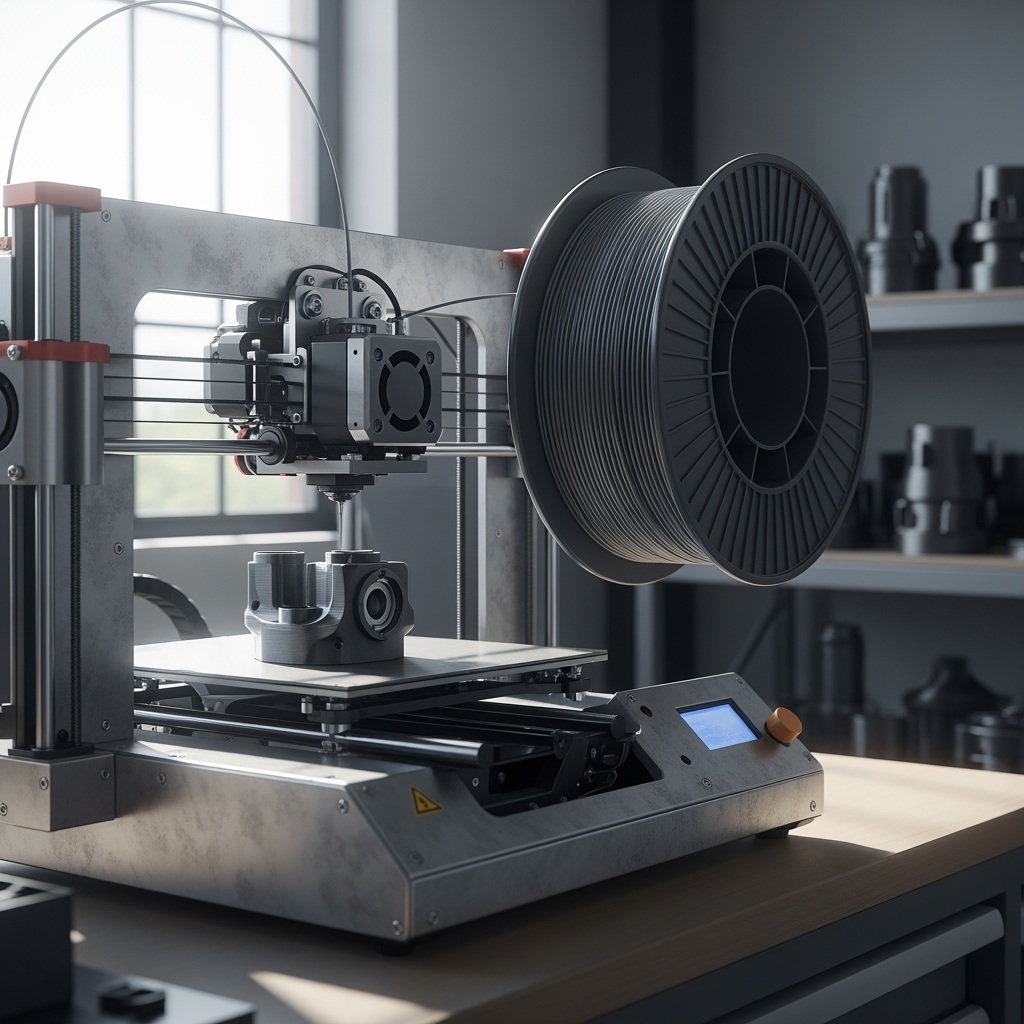
From Scrap to 3D Print: Using Recycled Car Materials in Manufacturing
17th Mar, 2026
Cars that have reached the end of their roadable life no longer end their days as simple crushed cubes gathering dust in a yard. It’s a bit of a shock to the system for some, but those old motors are now finding their way into some of the most advanced manufacturing facilities across the UK. These vehicles are being transformed into 3D printing filaments and powders that create everything from medical devices to aerospace components.
The transformation from an end-of-life vehicle to a cutting-edge manufacturing material represents a massive shift in how the automotive recycling industry operates. That old Ford sitting on the drive might end up as part of a prosthetic limb, while a knackered BMW could become components for aircraft applications. Modern additive manufacturing processes are proving that yesterday’s scrap metal and plastic can become tomorrow’s high-tech products. This is the new reality of recycled car materials 3D printing.
When motorists choose to Scrap Car Network, they aren’t just getting rid of an eyesore. They are providing the raw ingredients for the next generation of British engineering. It’s a fascinating cycle that turns what was once considered “rubbish” into a high-value additive manufacturing feedstock.
The Journey from Scrapyard to 3D Printing Facility
The path from a driveway to a high-tech manufacturing facility involves a meticulous process that’s evolved significantly over the past decade. When vehicles arrive at Authorised Treatment Facilities, they undergo a systematic dismantling. This isn’t just about ripping parts off with a crowbar; it’s a precision job designed to maximise material recovery and prepare components for their next life.
Think of it like a master chef taking a fridge full of leftovers and turning them into a five-star meal. You can’t just throw everything in the pot and hope for the best. You’ve got to sort the ingredients, prep them properly, and understand how they work together. That’s exactly how modern car recycling works.
Fluid Drainage and Material Separation
Every job starts with depollution. All fluids get drained first oils, coolants, brake fluid, and refrigerants. Once the car is “dry,” the real clever stuff begins. Material separation involves sorting plastics from dashboards, door panels, and bumpers by their specific chemical type.
Each plastic variety has its own chemical composition. Mixing them would compromise the quality of the final filament used in 3D printers. If you’ve ever tried to weld two different types of metal together and watched it fail, you’ll know why this matters. Precision at this stage is what allows a bumper to eventually become a durable piece of medical equipment.
Metal Processing Journey
The metals follow a similar, though much more intense, journey. Steel gets separated from aluminium, and copper wiring gets stripped out with dedicated machinery. Even the precious metals from catalytic converters are recovered. Modern recycling facilities use sophisticated shredding and cleaning processes to prepare these materials for advanced applications.
Plastics are cleaned, sorted, and processed into pellets or filaments suitable for industrial printers. Metals are refined into ultra-fine powders that meet exacting standards. This level of processing transforms what was once considered waste into valuable raw materials that can be used in the most demanding industries.
Plastic Components Leading the Charge
Car plastics represent absolute goldmines for 3D printing applications. A typical vehicle contains over 150 kilograms of plastic. That’s enough raw material to print thousands of smaller items or hundreds of larger components. It’s a massive resource that we used to just bury in the ground, which seems a right shame when you think about it.
The dashboard alone is often a fantastic source of ABS plastic. This is the same material used in countless 3D printing projects worldwide because of its strength and heat resistance. Those black interior panels that used to end up in a landfill are now being transformed into protective equipment, consumer electronics housings, and educational materials.
Bumper Material Treasure Trove
Bumpers present another treasure trove of recyclable material. Made primarily from polypropylene, they are perfect for creating durable 3D printed parts. Recycled bumper material has been turned into garden furniture, storage containers, and even components for new vehicles. This creates a true circular economy where the car effectively helps build its own successor.
The real breakthrough came when researchers realised that recycled car materials could maintain their strength through multiple recycling cycles. Unlike paper, which gets weaker every time you process it, many automotive plastics can be reprocessed repeatedly without a significant loss of mechanical properties. This is why it’s so important to recycle my car through a proper facility that understands these materials.
Metal Powders Creating New Possibilities
While plastics grab a lot of the headlines, recycled metals from vehicles are creating equally impressive opportunities. The aluminium from engine blocks and body panels can be processed into ultra-fine powders suitable for metal 3D printing. These powders are the lifeblood of modern manufacturing.
Steel components follow a similar path. Old exhaust systems and structural components become high-quality steel powder for industrial 3D printing. The precision required is remarkable. These particles are measured in micrometers finer than the flour you’d use for a Sunday sponge cake.
Copper Wiring Harness Opportunities
Copper from wiring harnesses presents particularly exciting possibilities. Its excellent conductivity makes it valuable for 3D printing electronic components and heat exchangers. What used to be sold purely by weight as scrap is now being refined into materials worth significantly more per kilogram.
The economics make compelling sense for everyone involved. Virgin metal powders for 3D printing can cost hundreds of pounds per kilogram. Recycled alternatives offer similar performance at a fraction of the cost. This makes advanced manufacturing techniques accessible to smaller British businesses and innovators who might otherwise be priced out of the market.
Innovative Applications Emerging
The applications for these materials are expanding at a remarkable pace. Medical device manufacturers are using recycled automotive plastics to create prosthetic components. They take advantage of the material’s proven durability and biocompatibility. It’s a wonderful thought that a retired family saloon could help someone walk again.
I remember a customer back in the day, old Barry, who was convinced his rusted-out Sierra was good for nothing but the bin. I told him then that the metal in his car was too good to waste. Years later, he saw a programme about 3D-printed hip joints made from recycled metal and finally understood what I was on about. These materials don’t die; they just get a new job.
Aerospace companies have also started incorporating recycled automotive metals into non-critical aircraft components. The rigorous testing these materials underwent during their “first life” in a car makes them very attractive. Reliability is paramount in aviation, and automotive-grade materials have already proven they can handle the stress.
Recycled Car Glass in 3D Printing Concrete
One particularly clever application involves using recycled car glass in 3D printing concrete. The glass gets ground into fine particles and mixed with cement to create building materials with improved strength and thermal properties. Old windscreens are literally becoming part of the walls of new homes.
Consumer electronics manufacturers are also embracing these plastics for device housings. The black plastics from car interiors are popular because they already have the right colour and finish properties. It saves the manufacturers a lot of time and effort in the dyeing process, which is another win for the environment.
Environmental Impact and Benefits
The environmental benefits of diverting car materials into 3D printing are substantial. Traditional recycling often involves energy-intensive processes that can be quite hard on the planet. 3D printing applications often require less processing than traditional manufacturing methods.
Instead of melting materials multiple times through various stages, recycled car materials can go almost directly from processing to the final application. This reduces the energy “bill” of the entire manufacturing process. If you want to scrap my vehicle today, you’re helping to lower the carbon footprint of the whole country.
Carbon Footprint Reduction
Manufacturing virgin materials for additive manufacturing typically requires mining, refining, and transportation from multiple global locations. Using local recycled car materials dramatically reduces these environmental costs. It’s about keeping things local and making the most of the resources we already have on our shores.
Water usage also drops considerably. Processing recycled materials generally requires less water than creating virgin alternatives. The cleaning processes at a modern recycling facility are increasingly efficient. They use closed-loop water systems to ensure they aren’t wasting a drop while they prep your old car for its new life.
Quality Standards and Testing
Recycled materials can match the quality standards required for demanding applications. This is thanks to sophisticated testing and quality control. Modern material testing can identify the exact composition and properties of recycled materials down to the molecular level.
This precision allows manufacturers to blend recycled materials with virgin alternatives to achieve specific performance characteristics. Automotive materials undergo rigorous testing during their initial life. They experience temperature extremes, UV exposure, and mechanical stress that many other materials never encounter.
Real-World Testing Advantages
This real-world testing actually makes recycled automotive materials more predictable than some virgin alternatives. Quality certification processes have evolved to accommodate these materials. Standards organisations now recognise that properly processed recycled materials can meet or exceed virgin alternatives in many applications.
The traceability systems used in automotive recycling also support quality assurance. Modern facilities can track materials from specific vehicles through processing to the final application. This ensures consistency and enables a rapid response to any quality issues. When you arrange a scrap car collection, you’re part of a highly documented and professional supply chain.
Economic Drivers and Market Growth
The economics of using these materials are compelling for everyone from the yard owner to the final consumer. Recycling facilities gain additional revenue streams from materials that previously had limited value. Instead of selling plastic waste for pennies, they can process it into 3D printing filament worth pounds.
Manufacturers benefit from reduced raw material costs and improved sustainability credentials. Consumer demand for environmentally responsible products is driving companies to seek recycled alternatives. Recycled car materials offer proven performance at competitive prices, which is hard to argue with in any business.
Rapid Market Growth
The market for recycled additive manufacturing feedstock is growing rapidly. Industry analysts predict double-digit growth rates for the next decade. As processing technologies improve, we’ll see even more applications for these materials. It’s an exciting time to be involved in the trade.
Government incentives are also supporting this growth. There are tax advantages for using recycled materials and grants for developing new applications. Regulations requiring minimum recycled content in certain products are also driving demand. It’s a push from all sides to make manufacturing cleaner and more efficient.
Challenges and Solutions
Despite the opportunities, using recycled car materials in 3D printing isn’t without its hurdles. Contamination remains a significant issue. A single piece of the wrong material can ruin an entire batch of recycled plastic or metal powder. It’s like getting a single drop of oil in a fresh tin of paint it ruins the whole lot.
Sorting technologies are improving rapidly to solve this. Optical sorting systems can identify different plastic types with remarkable accuracy. Magnetic separation techniques are also becoming more sophisticated for metal processing. We’re getting better at catching the “bad” bits before they cause trouble.
Consistency and Colour Matching
Consistency presents another challenge. Unlike virgin materials produced under controlled conditions, recycled materials can vary depending on their source. Advanced blending techniques and quality control systems are addressing these variations. We’re learning how to mix different batches to get a perfectly consistent result every time.
Colour matching can be tricky with recycled materials, especially plastics. While this isn’t critical for industrial parts hidden inside a machine, consumer products need to look right. New processing techniques and additives are expanding the colour options available. We’re moveing beyond just “basic black” to a whole range of finishes.
Future Innovations on the Horizon
The future of recycled car materials in additive manufacturing looks incredibly promising. Researchers are developing new processing techniques that can handle mixed plastic waste without extensive sorting. This could revolutionise the economics of the whole industry.
Chemical recycling processes are also emerging. These can break down complex automotive plastics into their basic building blocks. This allows them to be rebuilt into materials with virgin-like properties, effectively eliminating the quality loss traditionally associated with recycling.
Artificial Intelligence Applications
Artificial intelligence is being applied to optimise material blending. AI systems can analyse the composition of incoming recycled materials and automatically adjust the processing. This ensures the final output has exactly the right characteristics for the job.
New 3D printing technologies are also being developed specifically to work with recycled materials. These systems can accommodate slight variations that might cause problems with traditional printers. It’s about building the machines to suit the material, rather than the other way around.
Getting Started with Recycled Materials
Understanding what’s available locally is the first step for any business looking to explore these materials. Many regions in the UK now have specialised facilities that can process automotive waste. Connecting with an Authorised Treatment Facility is the best way to understand the available material streams.
Many recyclers are eager to develop new markets and may be willing to work collaboratively. It’s worth partnering with established 3D printing material suppliers who are expanding into recycled options. They have the technical expertise to ensure you get a consistent result for your project.
The Importance of Testing
Testing is absolutely crucial when you’re working with recycled materials. You should start with non-critical applications where slight variations won’t cause any safety issues. As you build up experience and confidence, you can move to more demanding parts.
Documentation and certification also become more important. You need to maintain detailed records of where your material came from and how it was processed. This supports your quality claims and ensures you’re meeting all the necessary regulations.
The Role of Scrap Car Network
At Scrap Car Network, we’ve seen a massive increase in interest from manufacturers looking for these materials. Our network of facilities is implementing more sophisticated recovery processes to meet this demand. We’re proud to be at the forefront of this change.
When you decide to scrap my car today, your vehicle isn’t just being disposed of. It’s contributing to a circular economy that’s creating new products and opportunities. The materials from your car might end up in a prosthetic limb or a piece of high-tech aircraft.
Our partners are investing in the equipment and expertise needed for these advanced applications. This investment is creating additional value from scrapped vehicles, which ultimately benefits you through improved scrap values. It’s a system that works for everyone.
Looking Ahead
The transformation of recycled car materials into 3D printing feedstock is just the beginning. As technology improves, the value we can extract from end-of-life vehicles will only go up. The automotive industry itself is taking notice and starting to design cars that are easier to recycle from day one.
Consumer awareness is also growing. People want to know about the lifecycle of the products they buy. Knowing that an old car can become a useful new product creates a positive connection to the recycling process. It makes people more likely to do the right thing when their car reaches the end of the road.
If you’re ready to contribute to this circular economy, there’s never been a better time. You can get an instant quote to scrap any car and be part of the next big thing in British manufacturing. It’s a simple step that has a massive impact.
Conclusion
This is an exciting opportunity for vehicle owners, recyclers, and manufacturers alike. The evolution of automotive scrap into 3D printing materials is part of a more sustainable future for all of us. It’s a journey that starts with a simple decision to recycle properly.
The next time you see an old car heading for the yard, remember that it’s not really the end of the road. It’s just the beginning of a new journey that might lead to innovations we can barely imagine today. From scrap to 3D print, it’s not just recycling it’s a total transformation.
If you’re ready to see your old motor become something new, get in touch with us. We’ll help you ensure your vehicle reaches the right place and contributes to the future of manufacturing. Let’s work together to make the most of every car on the road.